All Guides

Guides

Every technical article, build log, and curing walkthrough — organized for reference.

How to Ferment Salami Without a pH Meter (Safely)
Salami & Fermented Sausage

How to Ferment Salami Without a pH Meter (Safely)

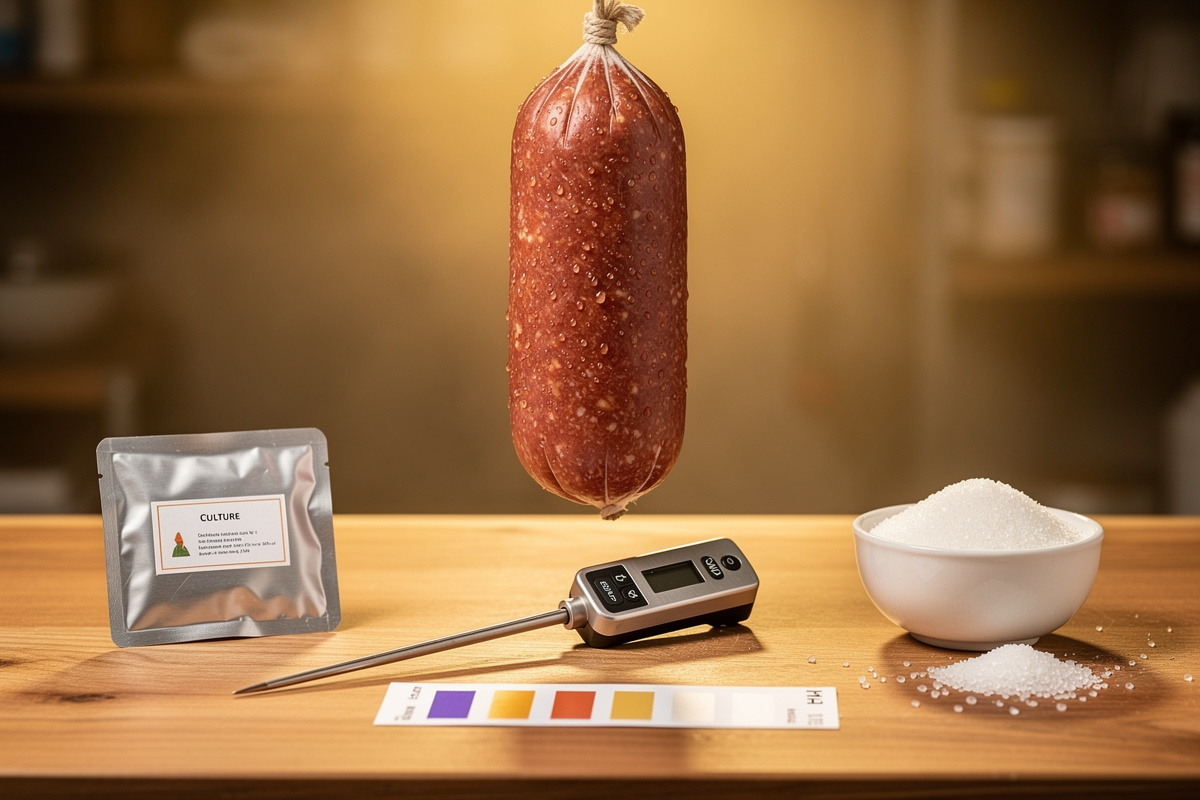
You can ferment salami safely without a pH meter, but only by controlling the inputs so tightly that the acid drop is effectively guaranteed: a reliable starter culture, the right dextrose dose, correct salt, and a held temperature matched to that culture (24-26°C for a fast culture like F-LC, or 18-24°C for a slower one […]
Read 8 min read
Salami Drying Rack DIY: Food-Safe Hanging for Your Chamber
Salami & Fermented Sausage

Salami Drying Rack DIY: Food-Safe Hanging for Your Chamber

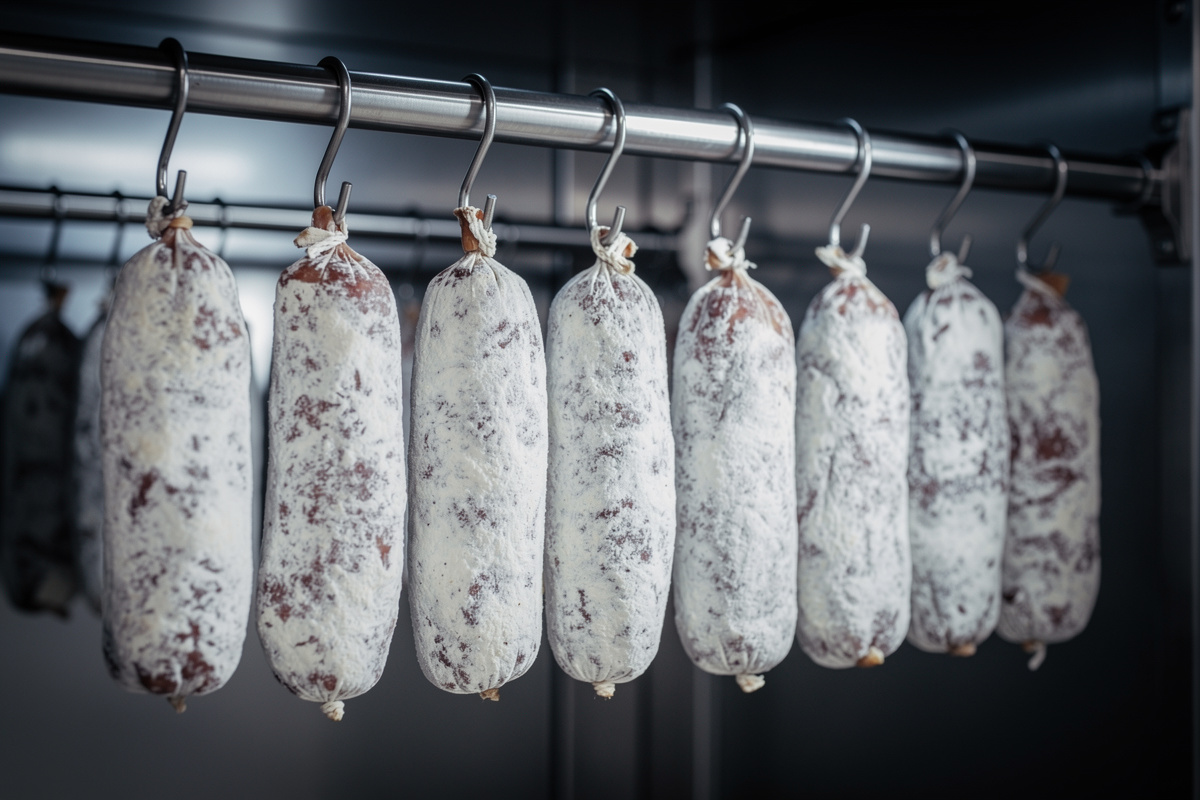
A salami drying rack is any food-safe frame that hangs your salami with air on every side, and the simplest reliable build is a stainless steel rod across the top of the chamber with stainless S-hooks. Hanging — not laying flat — is what gives even drying and stops the damp contact spots where bad […]

Read 8 min read
Finocchiona Recipe: Tuscan Fennel Salami at Home
Salami & Fermented Sausage

Finocchiona Recipe: Tuscan Fennel Salami at Home

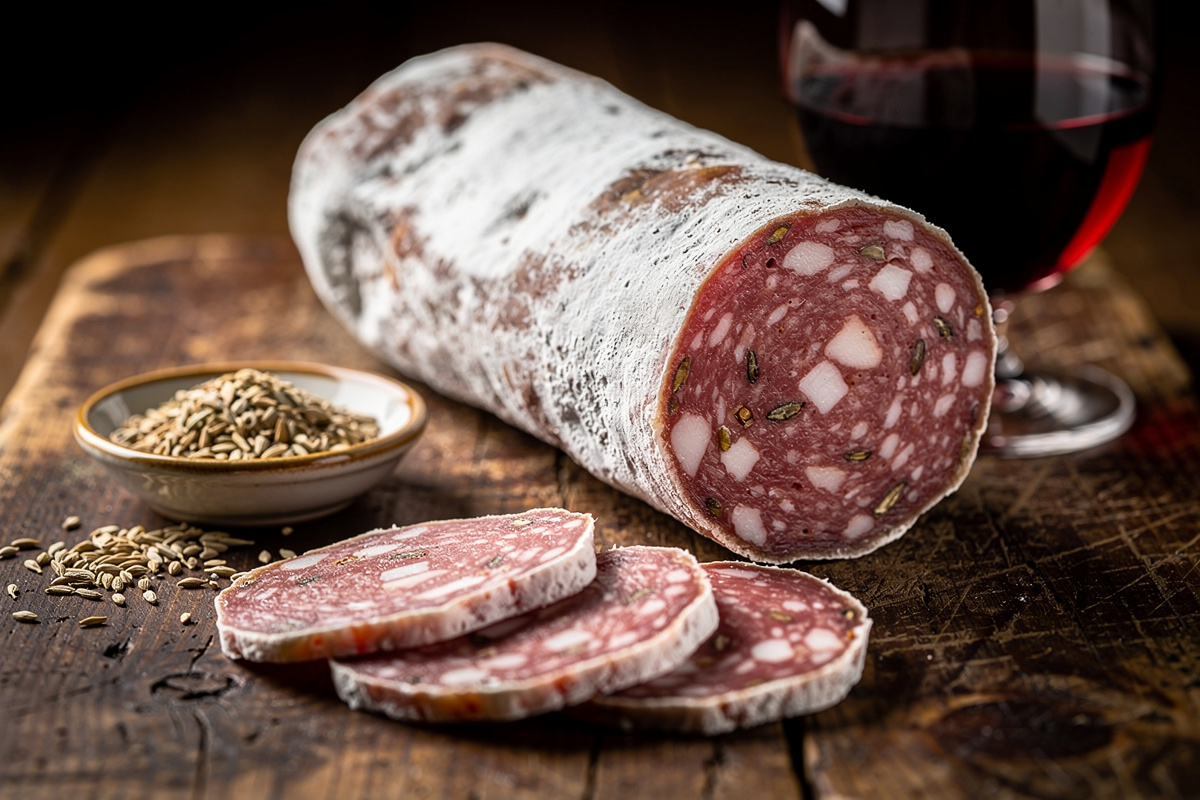
Finocchiona is a Tuscan dry salami flavoured with fennel — whole seed, often fennel pollen, and usually a splash of red wine. It uses a medium grind, the standard salami safety chemistry (salt, Cure #2, a starter culture and dextrose), a 48-hour ferment to drop the pH, and four to eight weeks of drying to […]

Read 8 min read
Homemade Soppressata Recipe: Coarse Dry Salami, Hot or Sweet
Salami & Fermented Sausage

Homemade Soppressata Recipe: Coarse Dry Salami, Hot or Sweet

Soppressata is a coarse-ground southern Italian dry salami, made hot or sweet, fermented for 48 hours and then dried for four to eight weeks to a 30-35% weight loss. The build is straightforward — coarse pork, firm back fat, salt, Cure #2, dextrose, a starter culture, and a generous hand with black and red pepper […]

Read 9 min read
Grinding Meat for Salami: Plate Size, Temperature, and Fat
Salami & Fermented Sausage

Grinding Meat for Salami: Plate Size, Temperature, and Fat

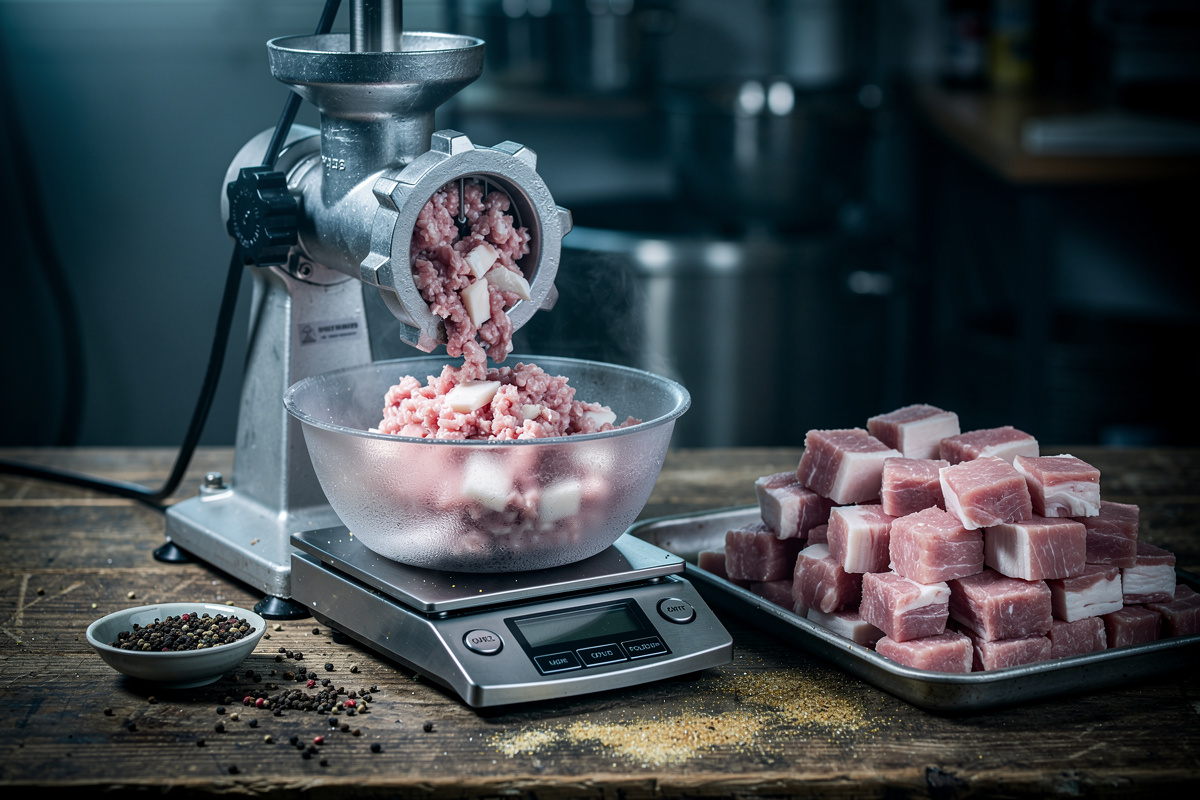
Grinding meat for salami comes down to three controls: keep everything near-frozen, match the plate size to the style, and build in 25-30% firm back fat. Cold meat and a sharp plate give clean, distinct flecks of fat and lean; warm meat or a dull blade smears the fat into a paste that blocks drying […]

Read 9 min read
Salami Casing Types: Hog vs Beef Middle vs Collagen
Salami & Fermented Sausage

Salami Casing Types: Hog vs Beef Middle vs Collagen

The three casings worth knowing for home salami are natural hog casings (32-42mm), beef middles (45-60mm), and collagen casings. Hog casings give classic snappy salami sticks, beef middles make the wide sliceable styles, and collagen casings are the consistent, no-soak shortcut. All three breathe enough to grow white mold and dry evenly — which is […]

Read 8 min read
Salami Starter Cultures: T-SPX vs F-LC vs B-LC-007
Salami & Fermented Sausage

Salami Starter Cultures: T-SPX vs F-LC vs B-LC-007

A salami starter culture is a freeze-dried blend of lactic acid bacteria you pitch into ground meat to guarantee a fast, controlled pH drop. For home charcuterie the three I keep in the chamber-side freezer are Bactoferm T-SPX, F-LC, and B-LC-007. T-SPX is the traditional slow culture; F-LC and B-LC-007 add a documented anti-Listeria safety […]

Read 10 min read
Serving Dry-Aged Beef Restaurant-Style at Home
Dry Aging Beef

Serving Dry-Aged Beef Restaurant-Style at Home

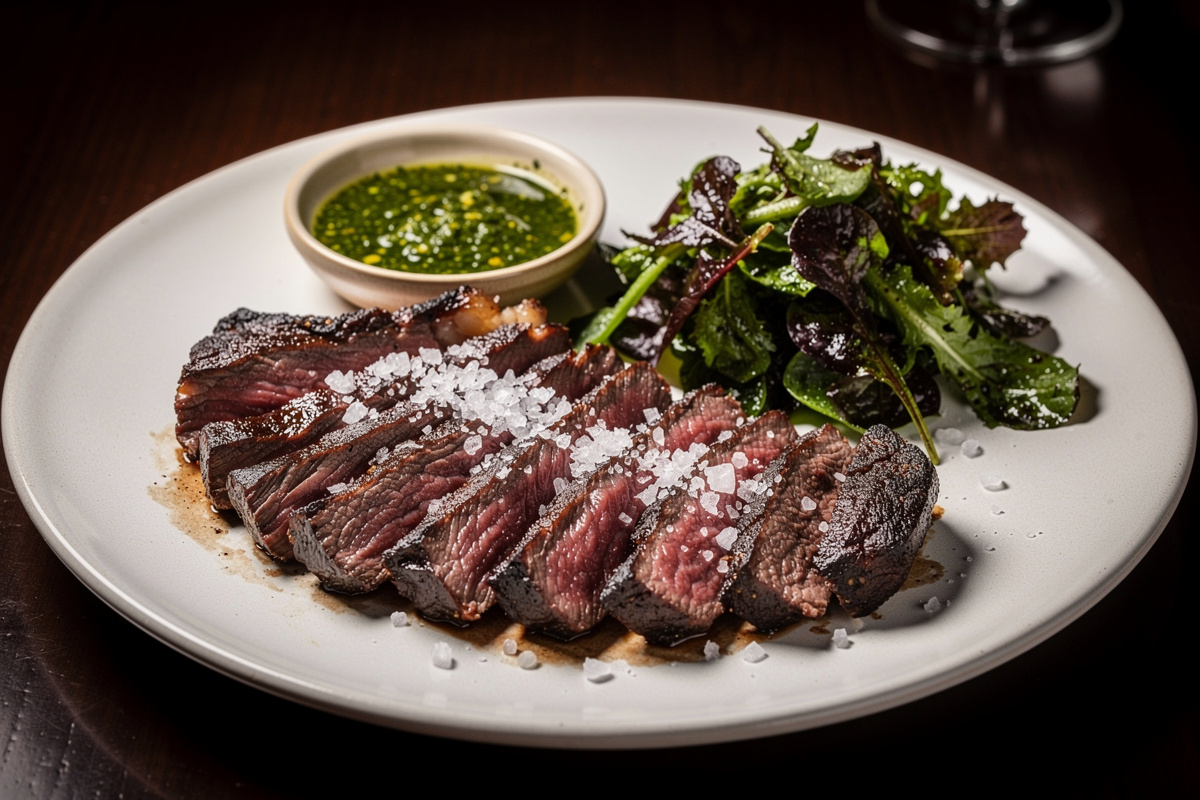
To serve dry-aged beef restaurant-style, rest the cooked steak 5-10 minutes, slice it thick against the grain on a bias, fan it on a warm plate, finish with flaky salt, and keep the sauce minimal so the funk leads. The dry-age flavor is the star — your job is to frame it, not bury it. […]

Read 8 min read
Dry Aging Pork at Home: Safe Limits and How to Do It
Dry Aging Beef

Dry Aging Pork at Home: Safe Limits and How to Do It

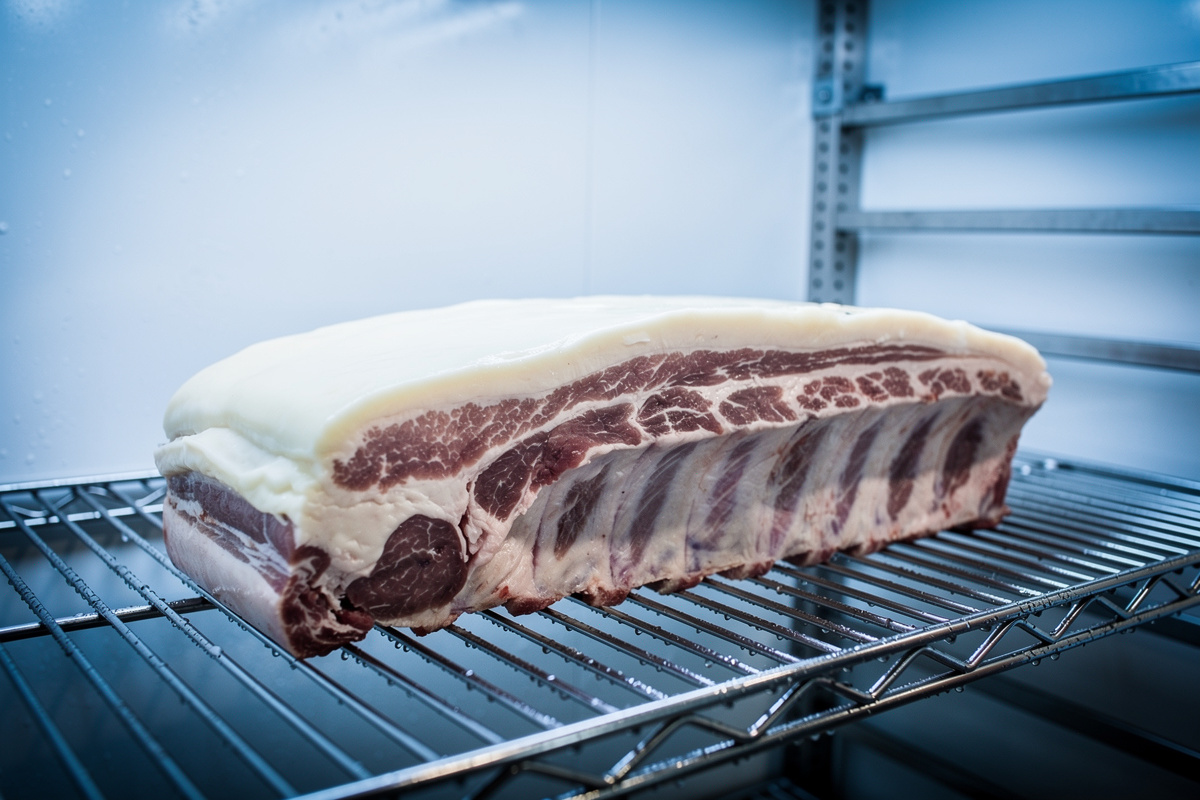
You can dry age pork at home, but treat it nothing like beef: keep it short — about one to two weeks maximum — on bone-in, well-fatted cuts held at 33-40°F (1-4°C), because pork fat turns rancid far faster than beef fat. For anything longer, the safe path is curing with cure #2, not dry […]

Read 9 min read
Butter-Basting a Dry-Aged Steak: Technique and Temps
Dry Aging Beef

Butter-Basting a Dry-Aged Steak: Technique and Temps

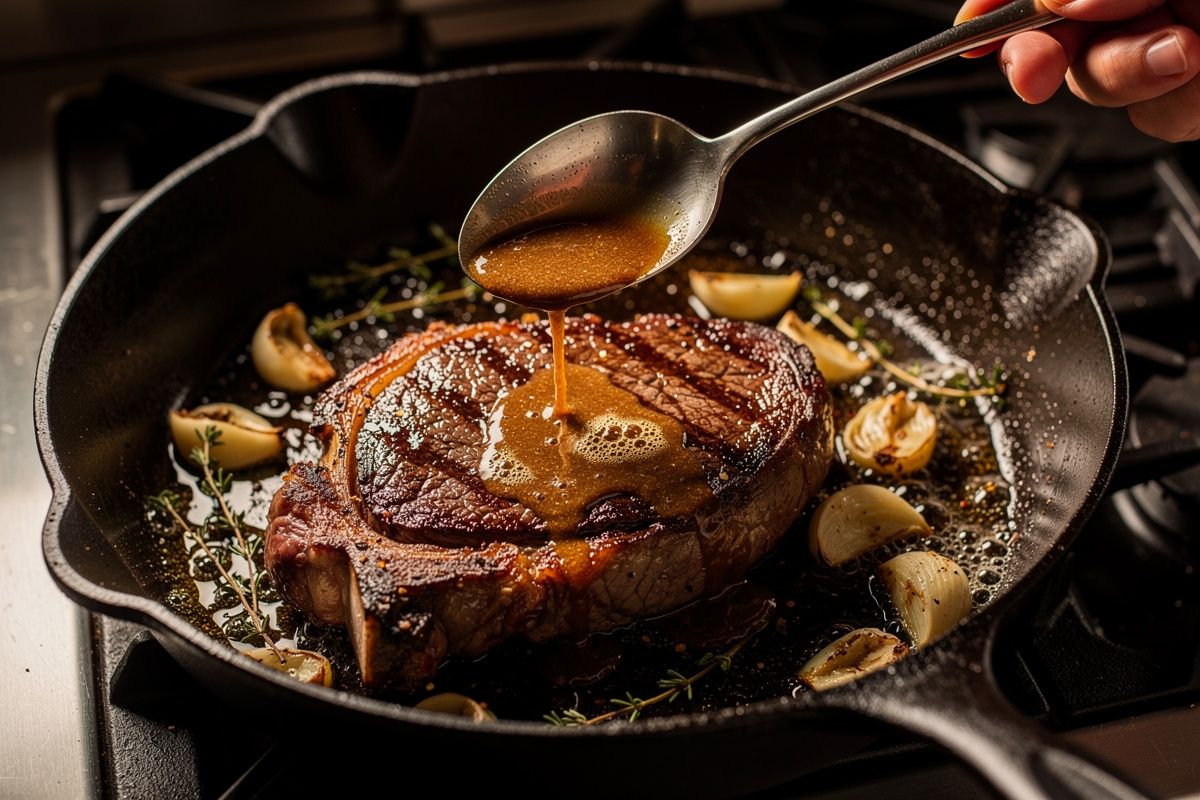
To butter-baste a dry-aged steak, sear it first in neutral high-heat oil, then add butter, smashed garlic, and thyme in the last 1-2 minutes, tilt the pan, and spoon the foaming butter over the meat until it hits 125°F for a 130-135°F medium-rare after rest. Add the butter late — dry-aged steak is drier and […]

Read 9 min read
Dry Aging Bag vs Open Air: Which Method Wins?
Dry Aging Beef

Dry Aging Bag vs Open Air: Which Method Wins?

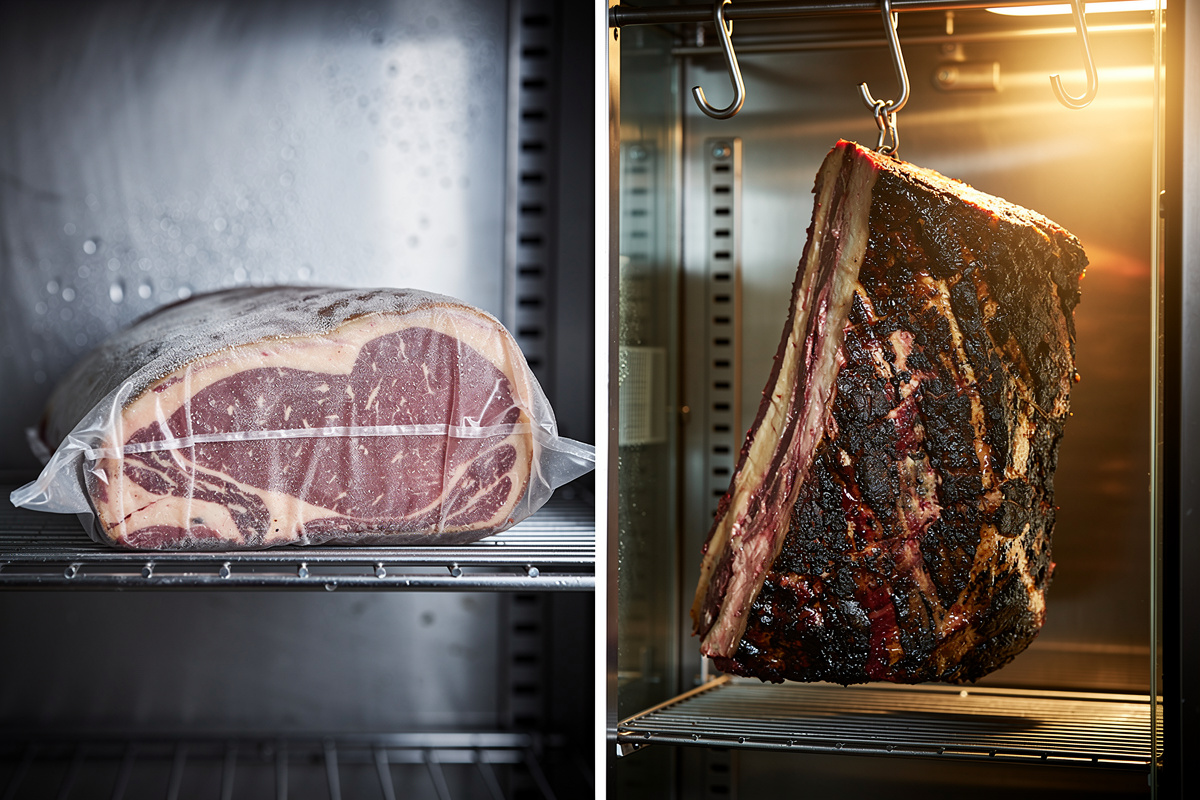
A dry-aging bag and open-air aging both dry-age beef, but the bag is a permeable membrane that works in any kitchen fridge with a modest yield edge (roughly 60-70% versus open air’s 50-55%) and milder funk, while open-air aging in a dedicated chamber gives the deepest flavor at the cost of more trim and far […]

Read 10 min read
How to Trim a Dry-Aged Steak: Bark, Fat, and Portioning
Dry Aging Beef

How to Trim a Dry-Aged Steak: Bark, Fat, and Portioning

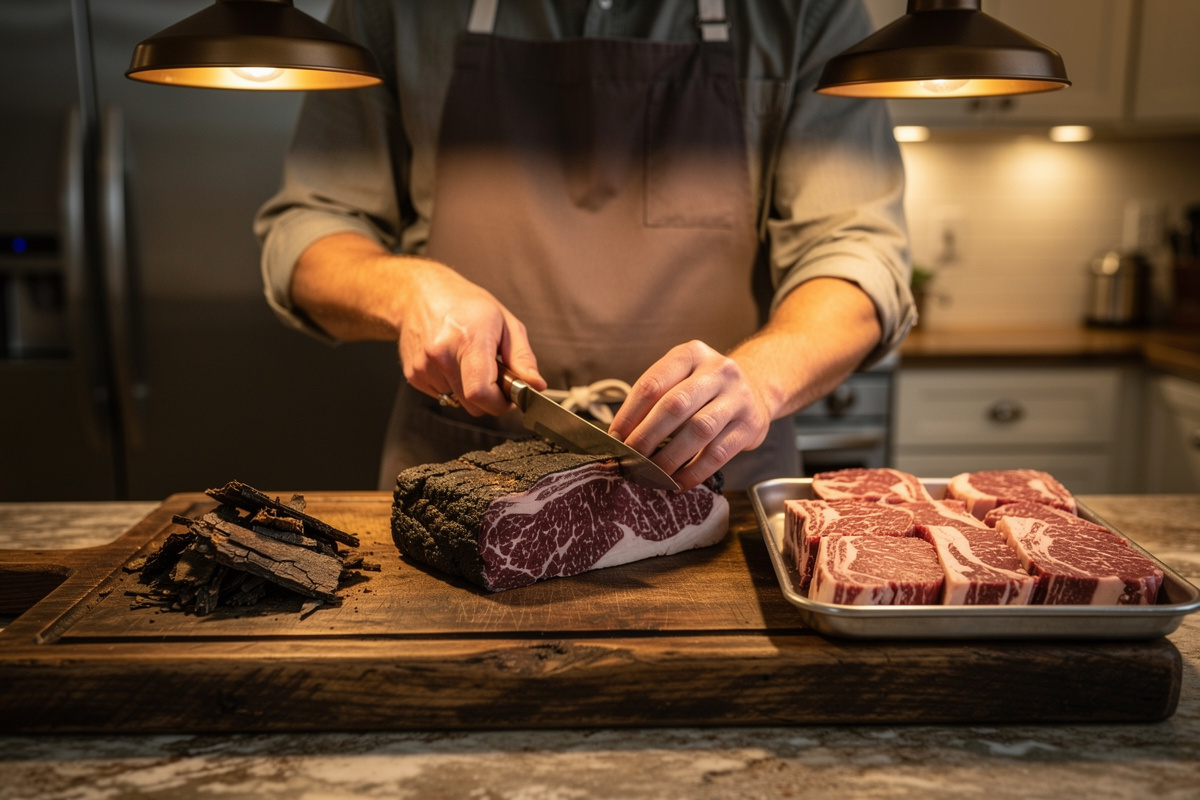
To trim a dry-aged steak, work the whole subprimal cold on a sanitized board: slice off the hard dark bark on every exposed face down to moist red meat, cut away any oxidized exterior fat, then portion into steaks. Expect to discard 30-40% of the aged weight as bark and rancid fat — that loss […]

Read 9 min read