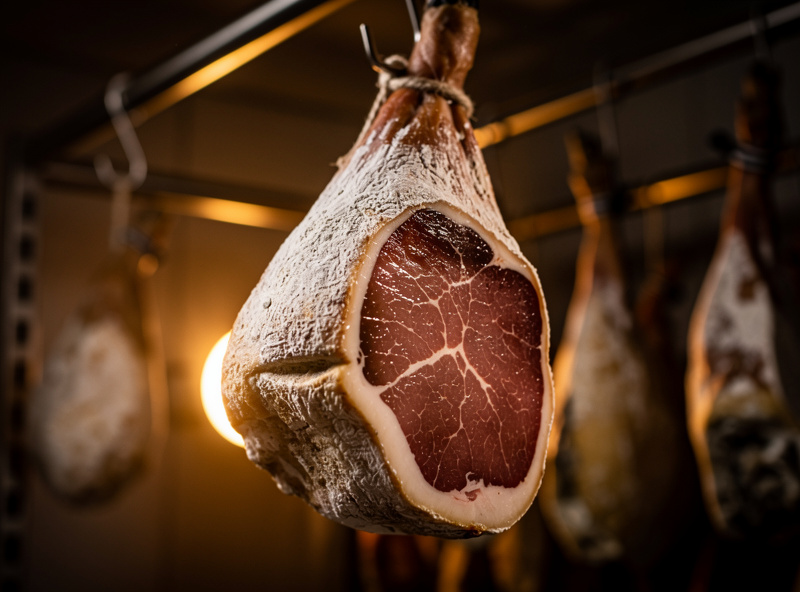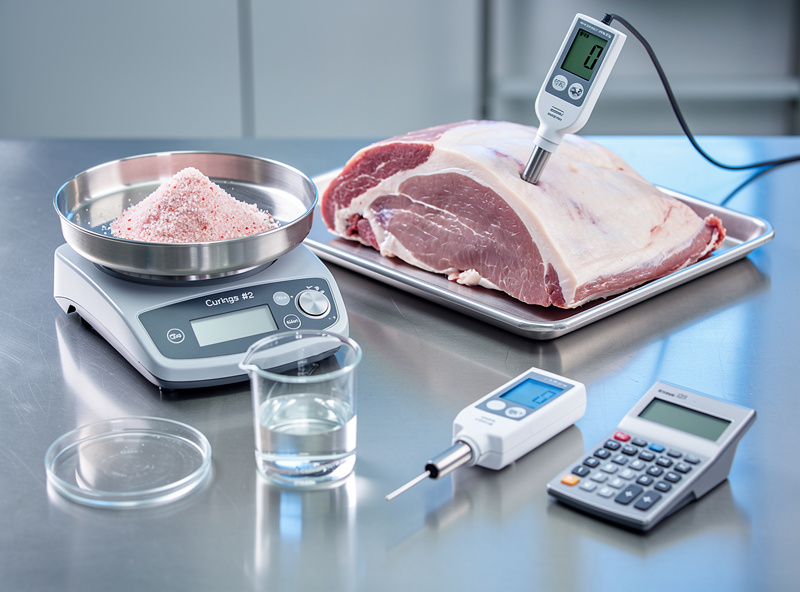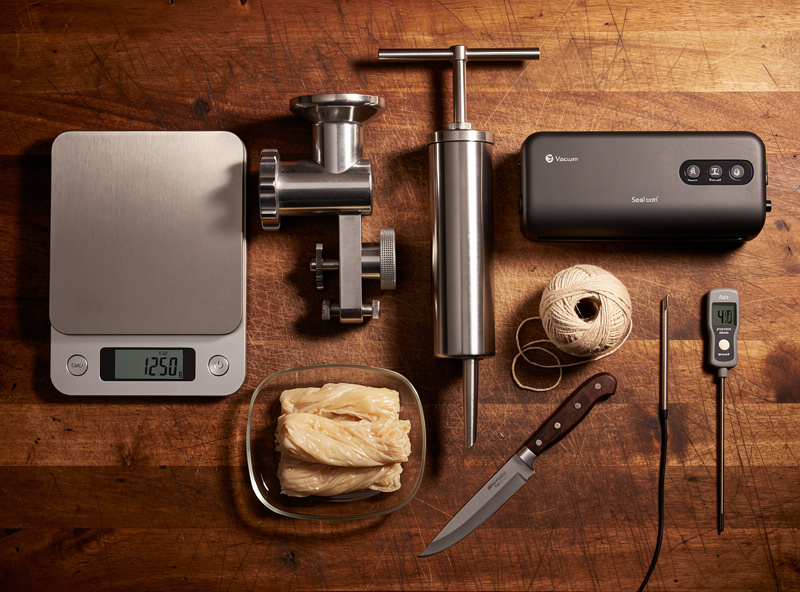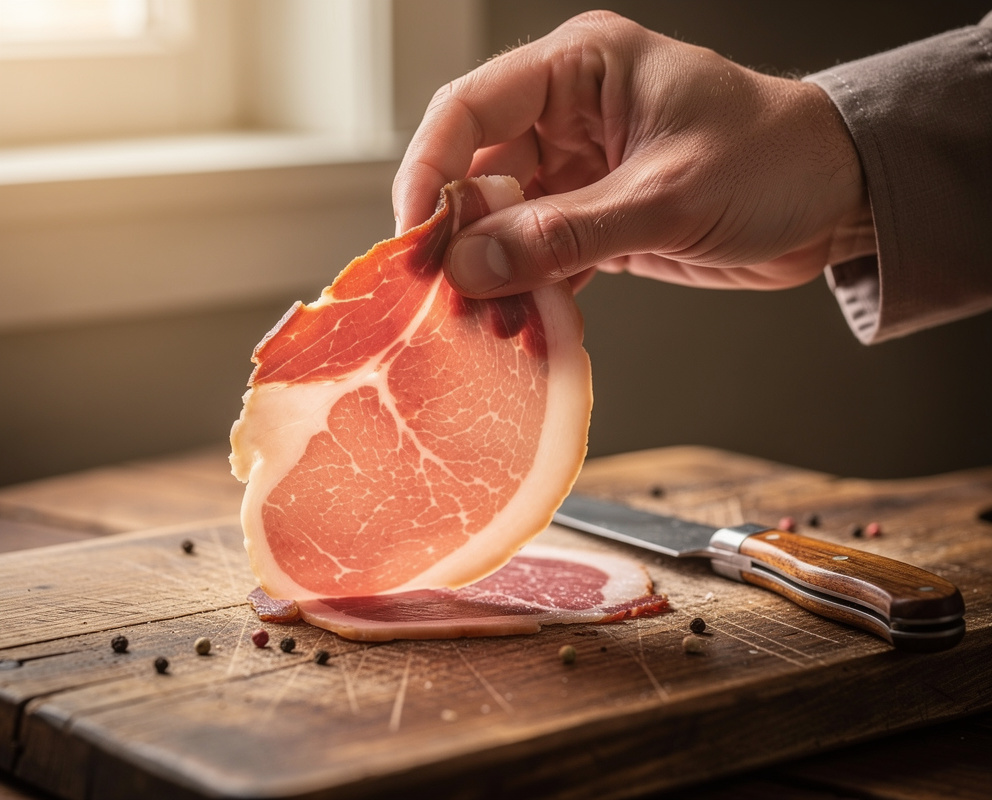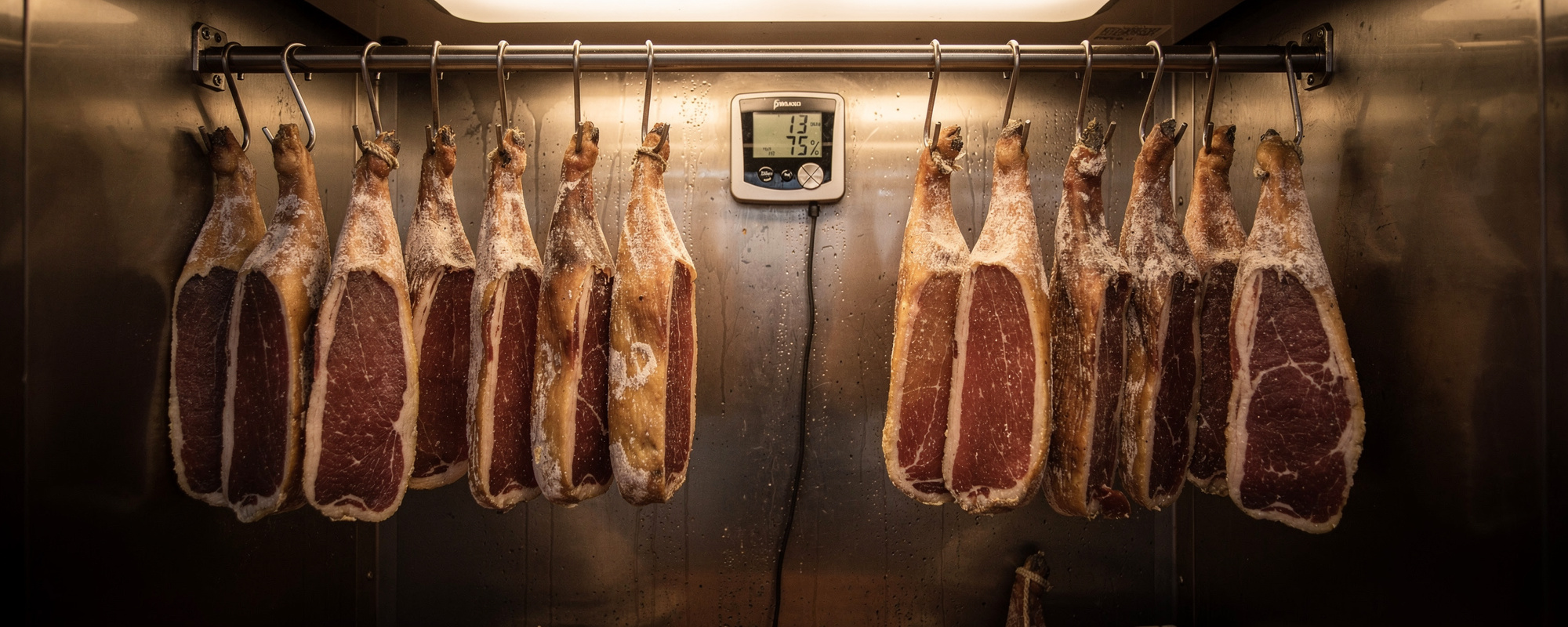
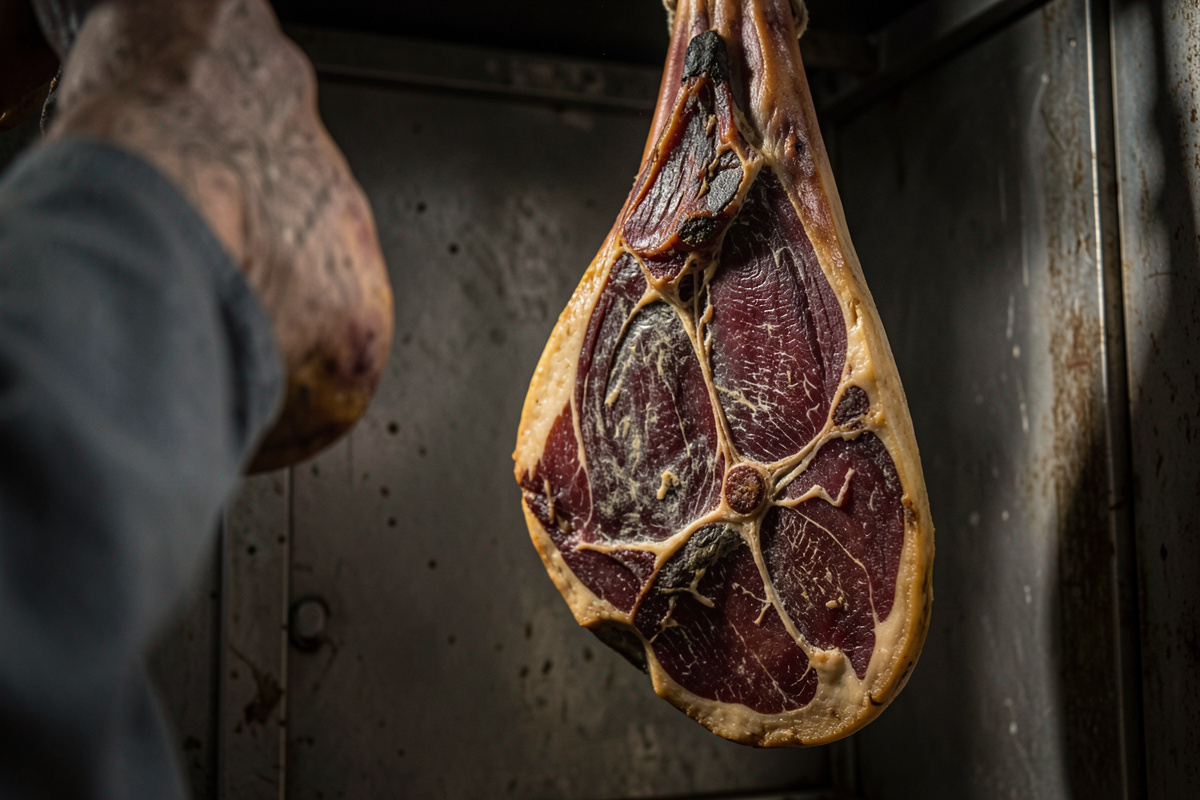
Hanging cured meats in a chamber
The Art and Science of

Curing Meat
at Home.

Long-form guides on charcuterie, equilibrium curing, chamber builds, and the patient craft of preserved meats.

Begin with the Guides

Essential Reading

Curing Calculations

Equilibrium cure ratios, salt percentages, and weight-loss tracking — explained in the relevant guides. Always verify your own scale.

See the math

Recent Articles

How to Ferment Salami Without a pH Meter (Safely)
Salami & Fermented Sausage

How to Ferment Salami Without a pH Meter (Safely)

You can ferment salami safely without a pH meter, but only by controlling the inputs so tightly that the acid drop is effectively guaranteed: a reliable starter culture, the right dextrose dose, correct salt, and a held 24-26°C for 48 hours. A meter measures the result; without one, you make the result a certainty by […]

Read 8 min read
Salami Drying Rack DIY: Food-Safe Hanging for Your Chamber
Salami & Fermented Sausage

Salami Drying Rack DIY: Food-Safe Hanging for Your Chamber

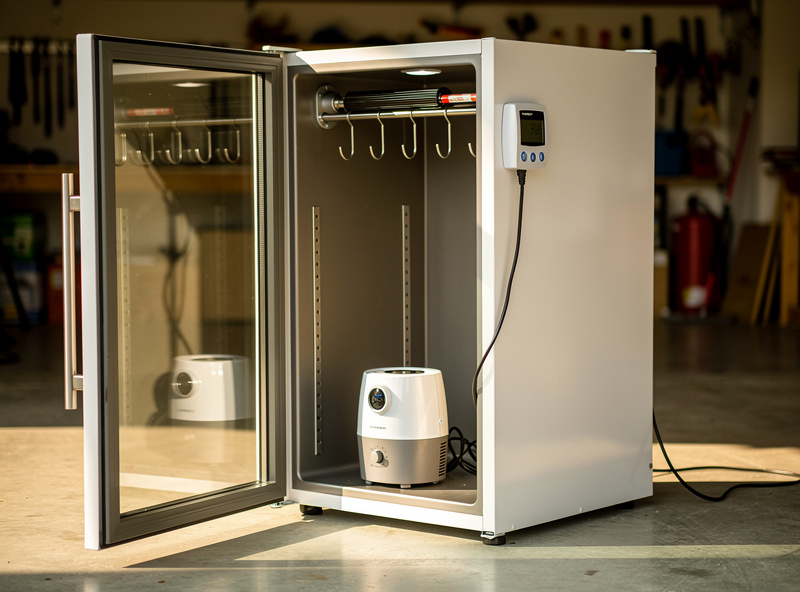
A salami drying rack is any food-safe frame that hangs your salami with air on every side, and the simplest reliable build is a stainless steel rod across the top of the chamber with stainless S-hooks. Hanging — not laying flat — is what gives even drying and stops the damp contact spots where bad […]

Read 8 min read
Finocchiona Recipe: Tuscan Fennel Salami at Home
Salami & Fermented Sausage

Finocchiona Recipe: Tuscan Fennel Salami at Home

Finocchiona is a Tuscan dry salami flavoured with fennel — whole seed, often fennel pollen, and usually a splash of red wine. It uses a medium grind, the standard salami safety chemistry (salt, Cure #2, a starter culture and dextrose), a 48-hour ferment to drop the pH, and four to eight weeks of drying to […]

Read 8 min read
Homemade Soppressata Recipe: Coarse Dry Salami, Hot or Sweet
Salami & Fermented Sausage

Homemade Soppressata Recipe: Coarse Dry Salami, Hot or Sweet

Soppressata is a coarse-ground southern Italian dry salami, made hot or sweet, fermented for 48 hours and then dried for four to eight weeks to a 30-35% weight loss. The build is straightforward — coarse pork, firm back fat, salt, Cure #2, dextrose, a starter culture, and a generous hand with black and red pepper […]

Read 8 min read
Grinding Meat for Salami: Plate Size, Temperature, and Fat
Salami & Fermented Sausage

Grinding Meat for Salami: Plate Size, Temperature, and Fat

Grinding meat for salami comes down to three controls: keep everything near-frozen, match the plate size to the style, and build in 25-30% firm back fat. Cold meat and a sharp plate give clean, distinct flecks of fat and lean; warm meat or a dull blade smears the fat into a paste that blocks drying […]

Read 8 min read
Salami Casing Types: Hog vs Beef Middle vs Collagen
Salami & Fermented Sausage

Salami Casing Types: Hog vs Beef Middle vs Collagen

The three casings worth knowing for home salami are natural hog casings (32-42mm), beef middles (45-60mm), and collagen casings. Hog casings give classic snappy salami sticks, beef middles make the wide sliceable styles, and collagen casings are the consistent, no-soak shortcut. All three breathe enough to grow white mold and dry evenly — which is […]

Read 8 min read

Topics

Working with cured meats
About the Author

Years of Practice,
Honestly Documented.

Curing meat is not about shortcuts. It is about understanding the fundamental mechanics of salt, temperature, humidity, and time.

This site exists to bridge the gap between casual blogging and impenetrable academic texts. Every guide is born from actual chamber runs, real successes, and instructive failures.

Read the full story →