All Guides

Guides

Every technical article, build log, and curing walkthrough — organized for reference.

Do Cooked Sausages Need Cure #1? When Pink Salt Belongs in the Bind
Fresh & Cooked Sausage

Do Cooked Sausages Need Cure #1? When Pink Salt Belongs in the Bind

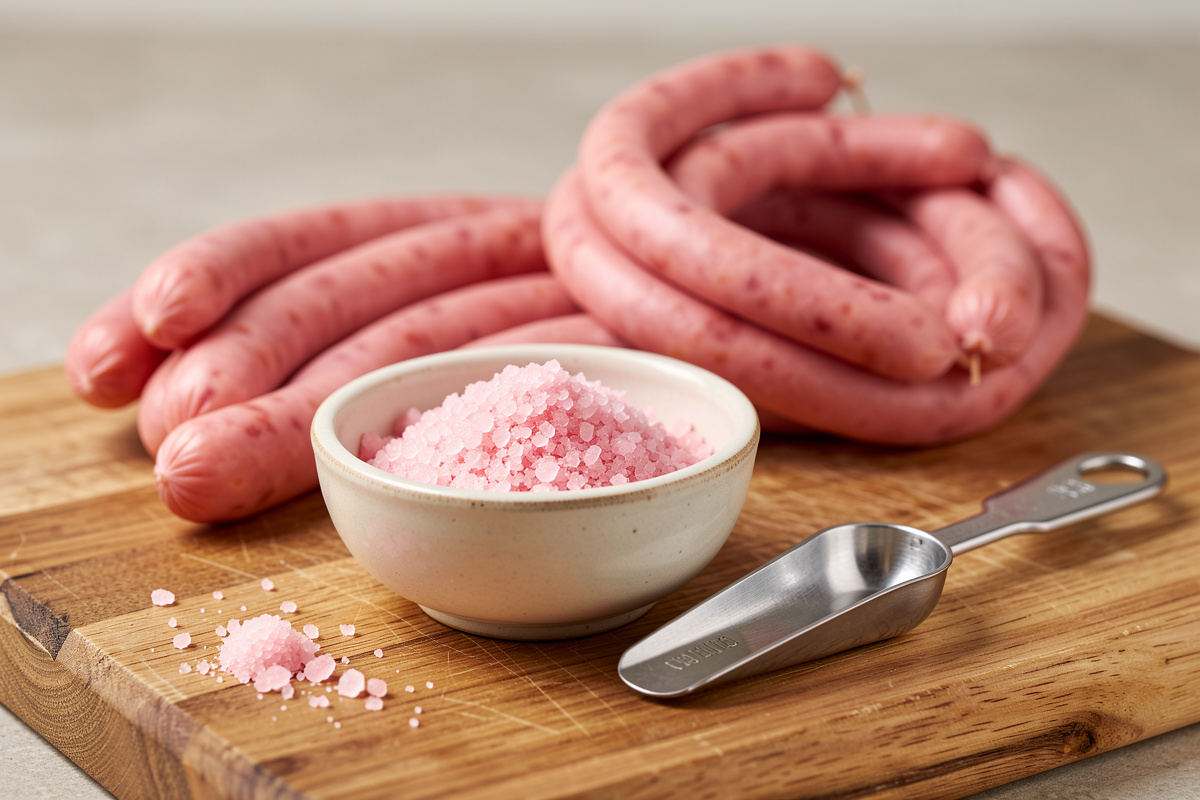
A cooked sausage needs Cure #1 (6.25% sodium nitrite on a salt carrier) whenever it is smoked warm or otherwise held in the 40–140 °F (4.4–60 °C) danger zone before it’s cooked — because that’s the window in which Clostridium botulinum can produce toxin, and nitrite is the compound that prevents it. The home rate is one […]
Read 11 min read
Air Pockets in Salami: How to Prick, Press, and Prevent Them
Salami & Fermented Sausage

Air Pockets in Salami: How to Prick, Press, and Prevent Them

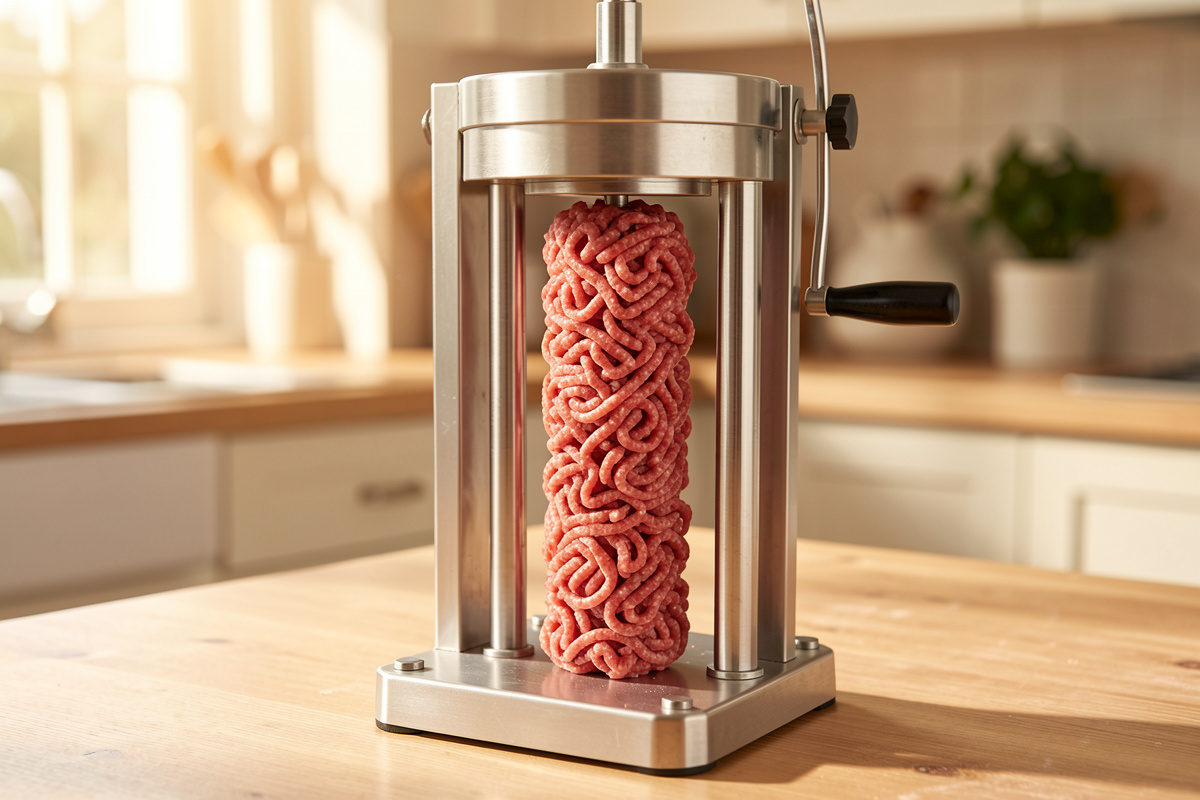
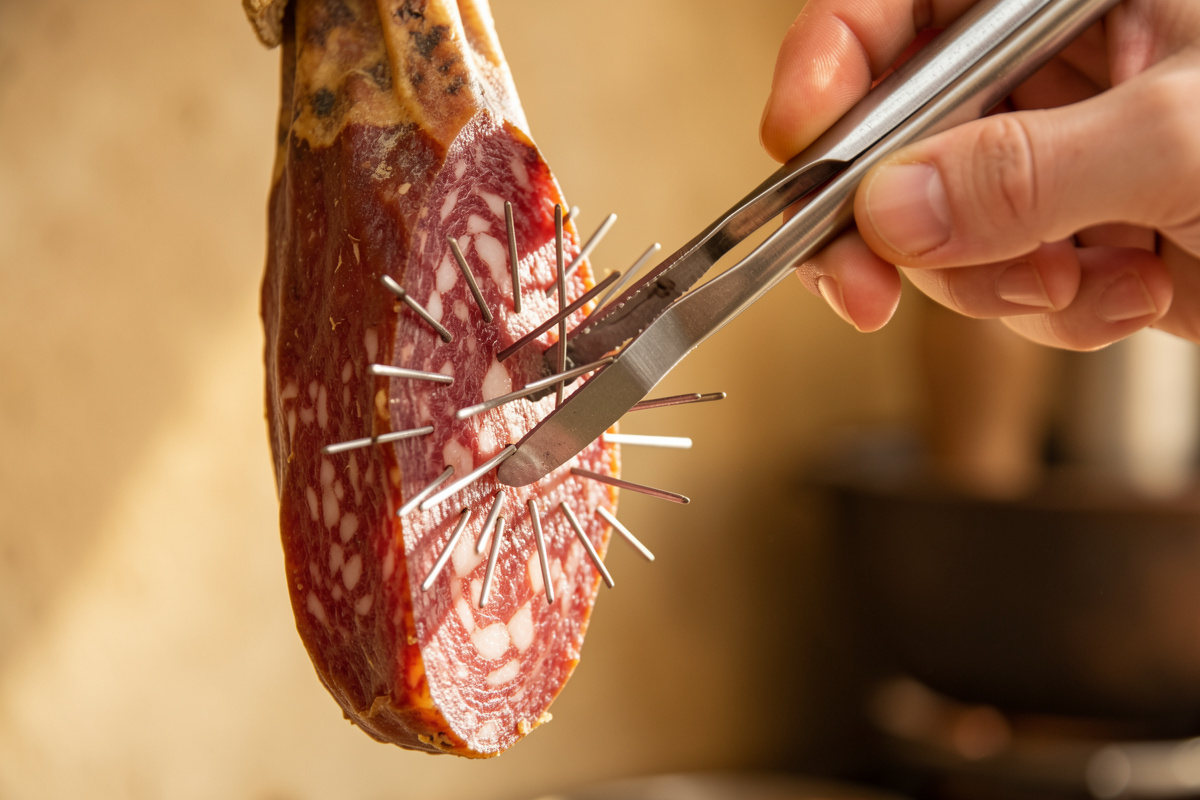
Air pockets in salami come from air folded into the farce during mixing and stuffing, and the fix is a two-part habit: prick and press every pocket out at the stuffer, then prick again after fermentation when the casing tightens. Air pockets are not cosmetic. A trapped void holds oxygen against the fat, which oxidises […]

Read 10 min read
Reusing Mold From a Finished Salami to Inoculate the Next Batch
Salami & Fermented Sausage

Reusing Mold From a Finished Salami to Inoculate the Next Batch

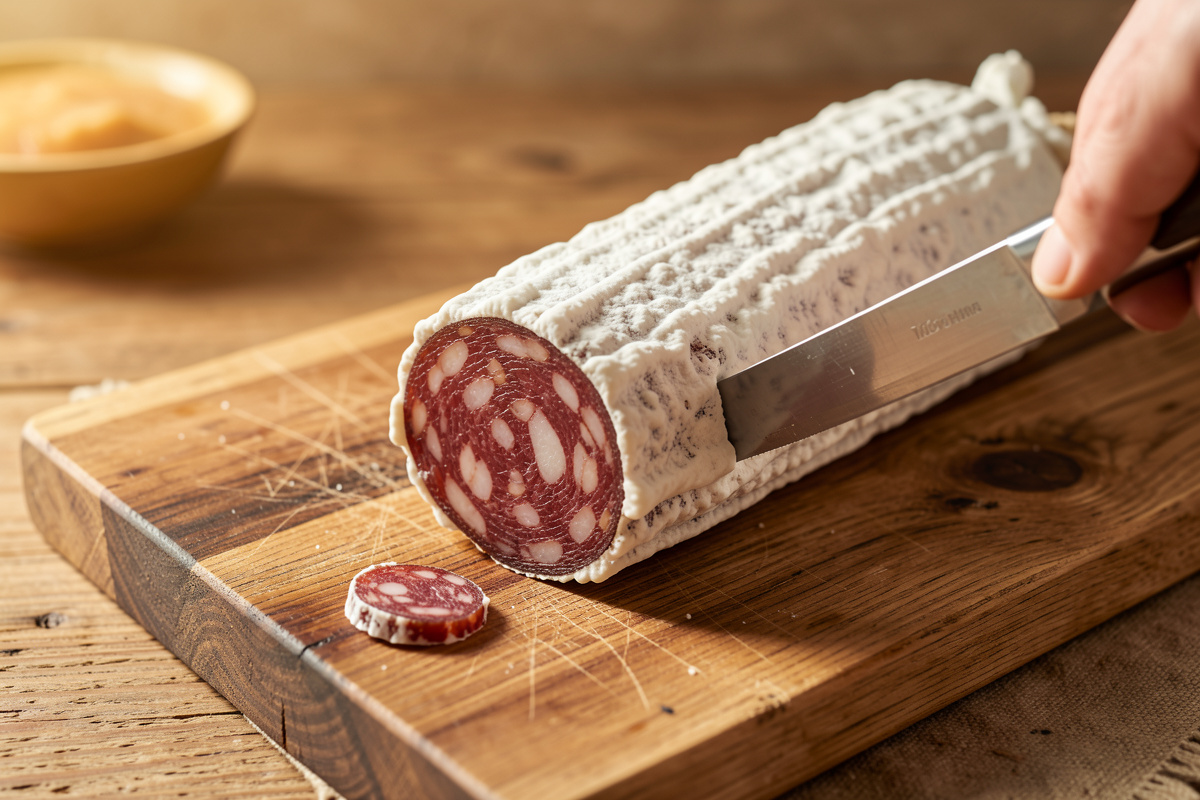
Yes, you can reuse the white mold from a finished salami to inoculate your next batch — cut a coin of well-bloomed casing, blend it into a little dechlorinated water to release the spores, strain out the solids, and spray that slurry onto the fresh pieces exactly as you’d apply a bought culture. Once my […]

Read 8 min read
How Long to Dry ‘Nduja: Soft-Spread Endpoint by Weight
Salami & Fermented Sausage

How Long to Dry ‘Nduja: Soft-Spread Endpoint by Weight

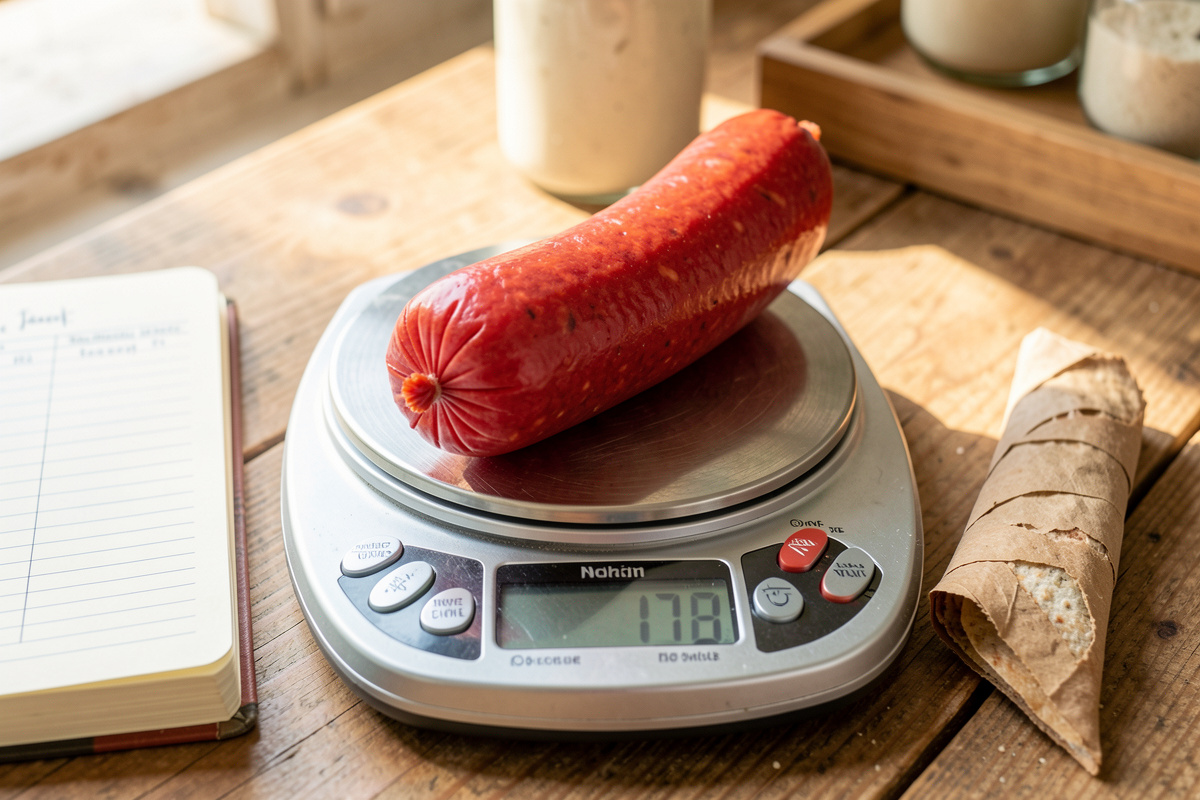
‘Nduja is done when it has lost about 25–30% of its stuffed weight — not after a set number of days. That soft-spread endpoint takes roughly 2–3 weeks for a narrow piece and 4–8 weeks for a fat beef bung, because diameter, humidity, and your chamber all change the pace. Weight loss is the honest […]

Read 7 min read
Biltong vs Jerky: Method, Safety, and Flavour Compared
Biltong & Air-Dried Snacks

Biltong vs Jerky: Method, Safety, and Flavour Compared

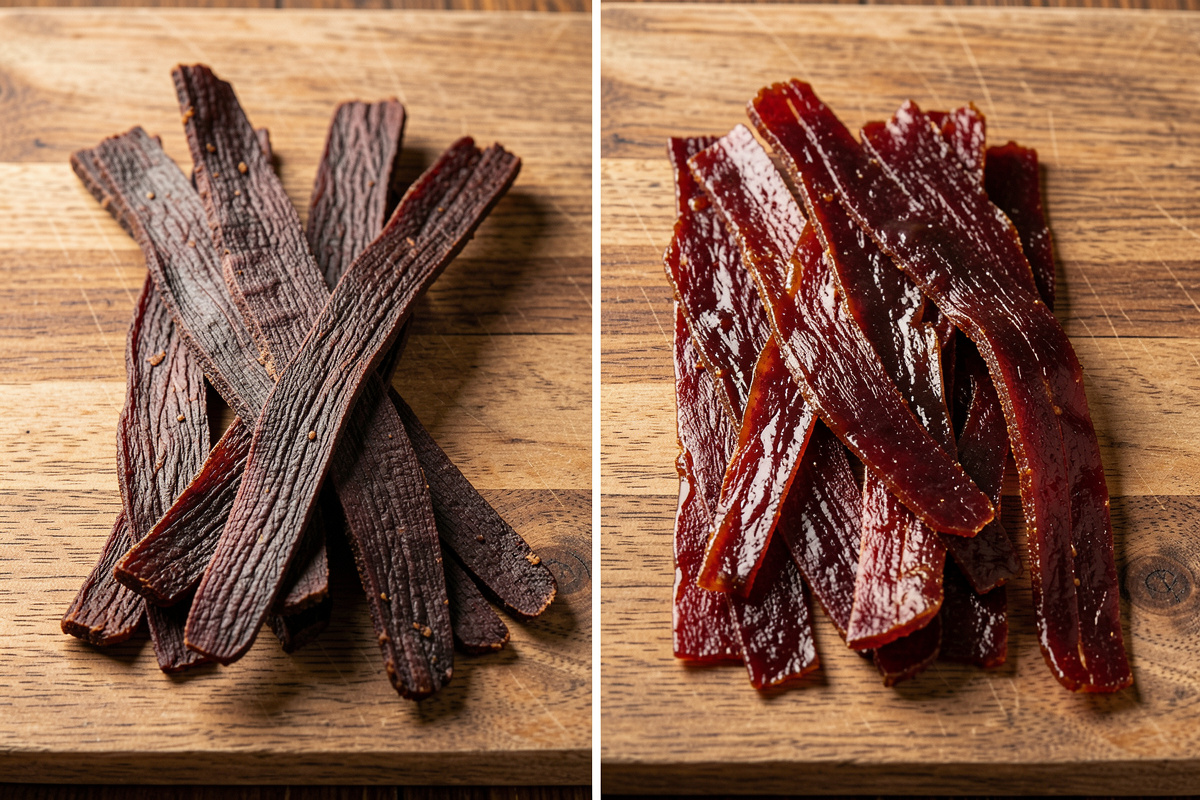
Biltong and jerky are both dried beef, but the methods barely overlap: biltong is sliced thick with the grain, vinegar-cured, and air-dried raw over days, while jerky is sliced thin against the grain and dried with heat over hours. One is a cured raw product; the other is cooked and dried. The USDA recommends jerky […]

Read 7 min read
How to Wipe Off Unwanted Mold Without Killing the Cure
Troubleshooting & Food Safety

How to Wipe Off Unwanted Mold Without Killing the Cure

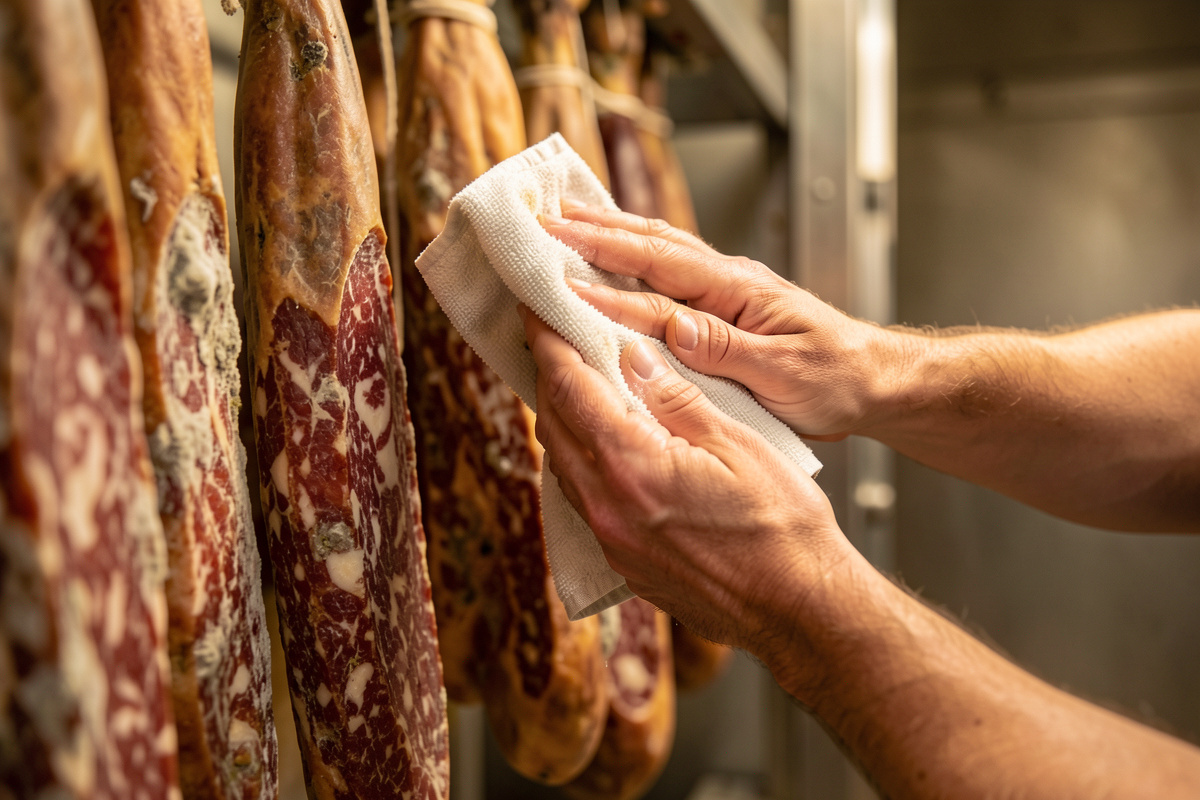
To wipe unwanted mold off a salami without killing the cure, dampen a cloth in saturated salt brine or a 1:1 white-vinegar-and-water solution, and wipe the casing gently in one direction until the patch lifts. The cure lives inside the meat — the salt and nitrite locked in during curing — so scrubbing a surface […]

Read 8 min read
Why Do My Casings Keep Bursting? Stuffing Pressure and Fixes
Salami & Fermented Sausage

Why Do My Casings Keep Bursting? Stuffing Pressure and Fixes

Casings burst for three reasons, almost always in this order: the meat is too warm and smears, the stuffing pressure is uneven or too fast, or the casing was under-soaked and brittle. Keep the farce below 4 °C, fill slowly and steadily with no trapped air, match the horn to the casing, and hydrate the casing […]

Read 9 min read
How Long to Cure Lardo: Salt-Box Timeline and Weight Check
Curing Fat: Lardo, Salo & Fatback

How Long to Cure Lardo: Salt-Box Timeline and Weight Check

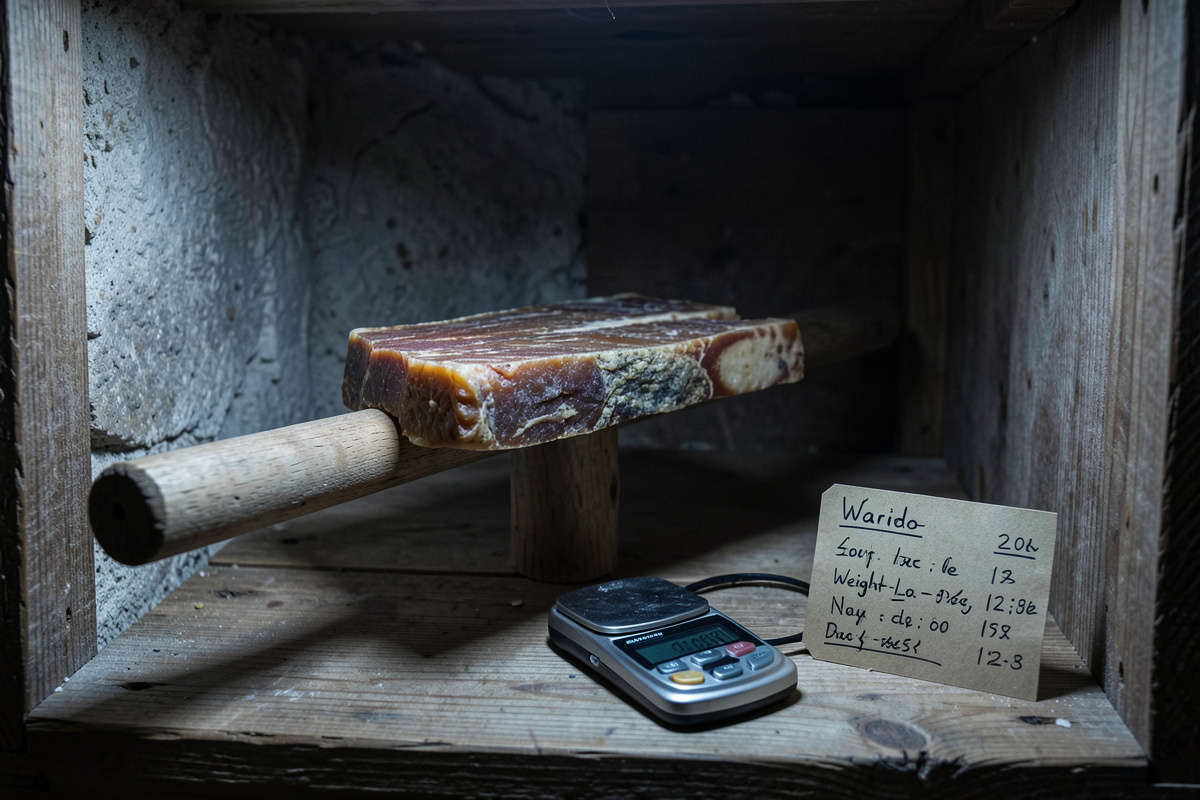
Lardo takes one to three weeks in the salt phase, then a minimum of six to eight weeks aging at cellar temperature, with the best slabs going three to four months. Unlike lean charcuterie, it barely loses weight — a finished lardo sheds only 10–15%, so firmness and translucency, not the scale, tell you it […]

Read 7 min read
Will Mold Spread Between Pieces in the Same Chamber?
Troubleshooting & Food Safety

Will Mold Spread Between Pieces in the Same Chamber?

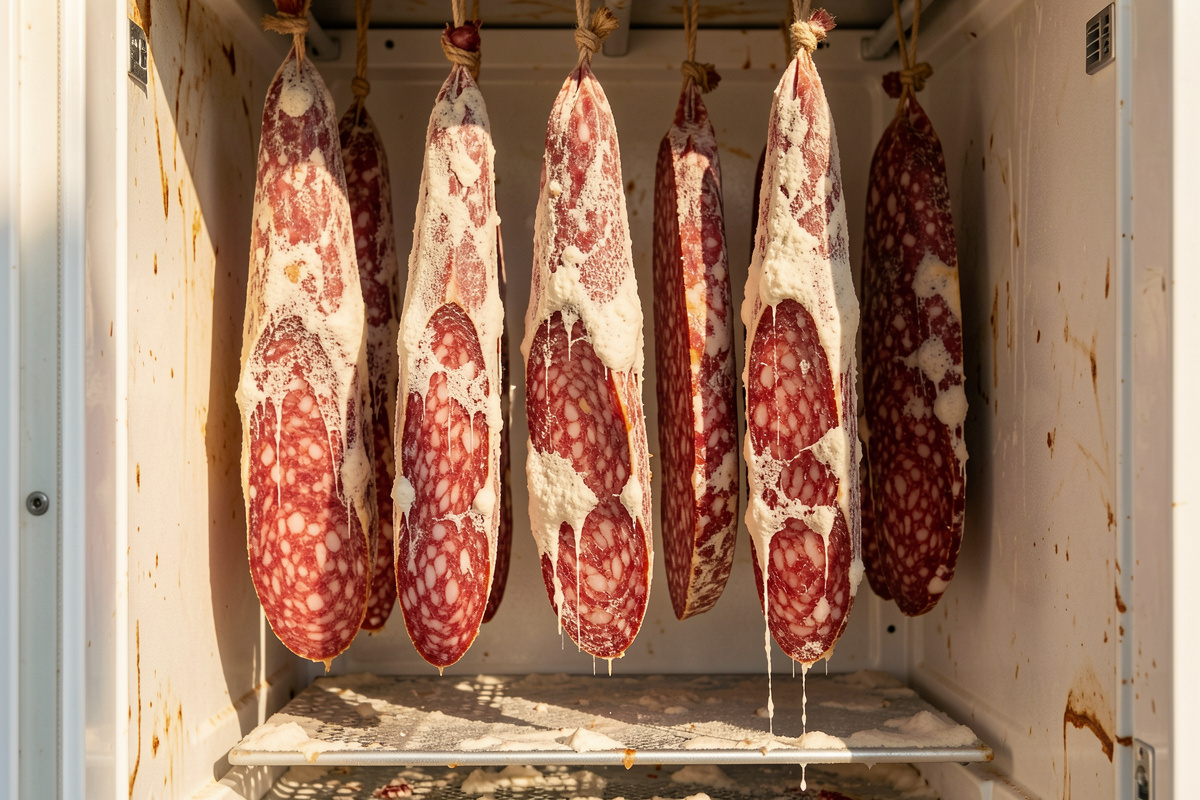
Yes — mold spreads readily between pieces in the same curing chamber, carried on the shared air and by direct contact. For the white Penicillium coat you want, that spread is a gift: a strong bloom on one salami colonizes its neighbors and builds a “house culture” over successive batches. For the green, grey, and […]

Read 9 min read
How to Make Sobrasada: Spanish Paprika Spreadable Sausage
Salami & Fermented Sausage

How to Make Sobrasada: Spanish Paprika Spreadable Sausage

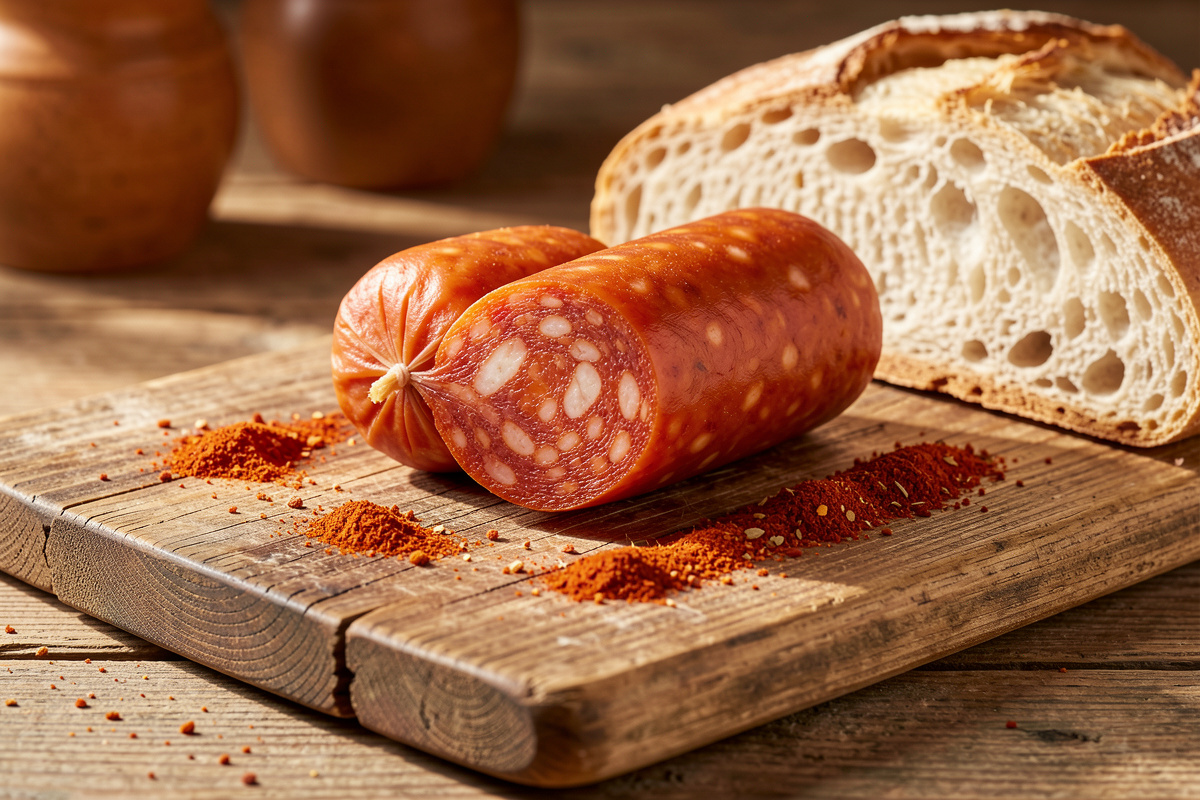
Sobrasada is a soft, spreadable Mallorcan cured sausage built on fatty pork and a heavy dose of sweet pimentón paprika — roughly 4–6% of the meat weight — salted at about 2.75%, cured with Cure #2, fermented to drop the pH below 5.3, then dried to a soft-spread endpoint around 25–30% weight loss. It is […]

Read 8 min read
Poaching Temperature for Cooked Sausage: Hitting the Internal Without Splitting
Fresh & Cooked Sausage

Poaching Temperature for Cooked Sausage: Hitting the Internal Without Splitting

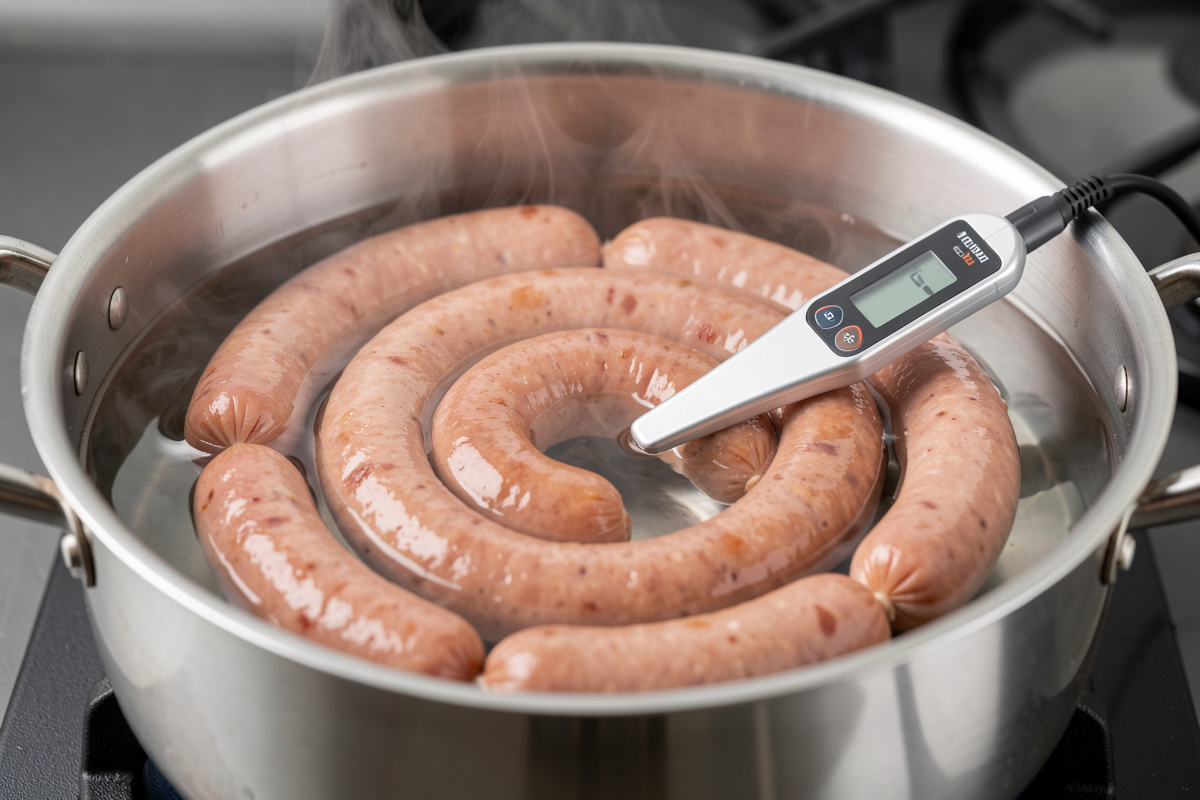
Poach cooked sausage in water held at 170–180 °F (77–82 °C) — never a rolling boil — until the thickest link reaches an internal of 152 °F (66.7 °C) minimum, or 155 °F (68 °C) for a comfortable margin, then shock it cold in an ice bath. Those three numbers — the water, the internal, and the shock — are the […]

Read 11 min read
How to Spray Penicillium Mold Culture on Salami for Even Coverage
Salami & Fermented Sausage

How to Spray Penicillium Mold Culture on Salami for Even Coverage

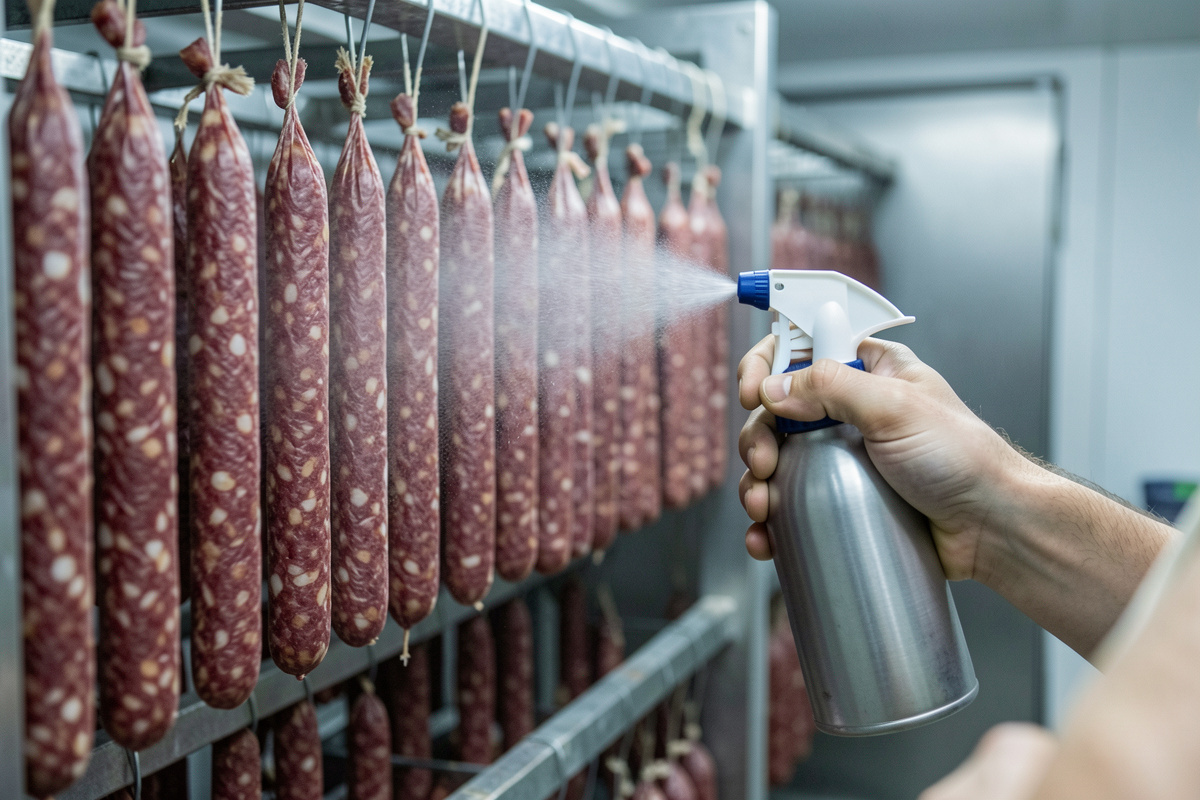
To spray Penicillium mold culture on salami for even coverage, rehydrate the culture in non-chlorinated water, let it wake up for a few hours, then mist a fine, uniform coat over every surface of the casing within about a day of stuffing — while the chamber sits humid, around 85% RH. Chlorine kills the spores, […]

Read 8 min read