Category

Curing Fat: Lardo, Salo & Fatback

Pure-fat curing — lardo, salo, and cured fatback as a track of its own.

Why Did My Lardo Go Yellow? Rancid Fat vs Normal Aging
Curing Fat: Lardo, Salo & Fatback

Why Did My Lardo Go Yellow? Rancid Fat vs Normal Aging

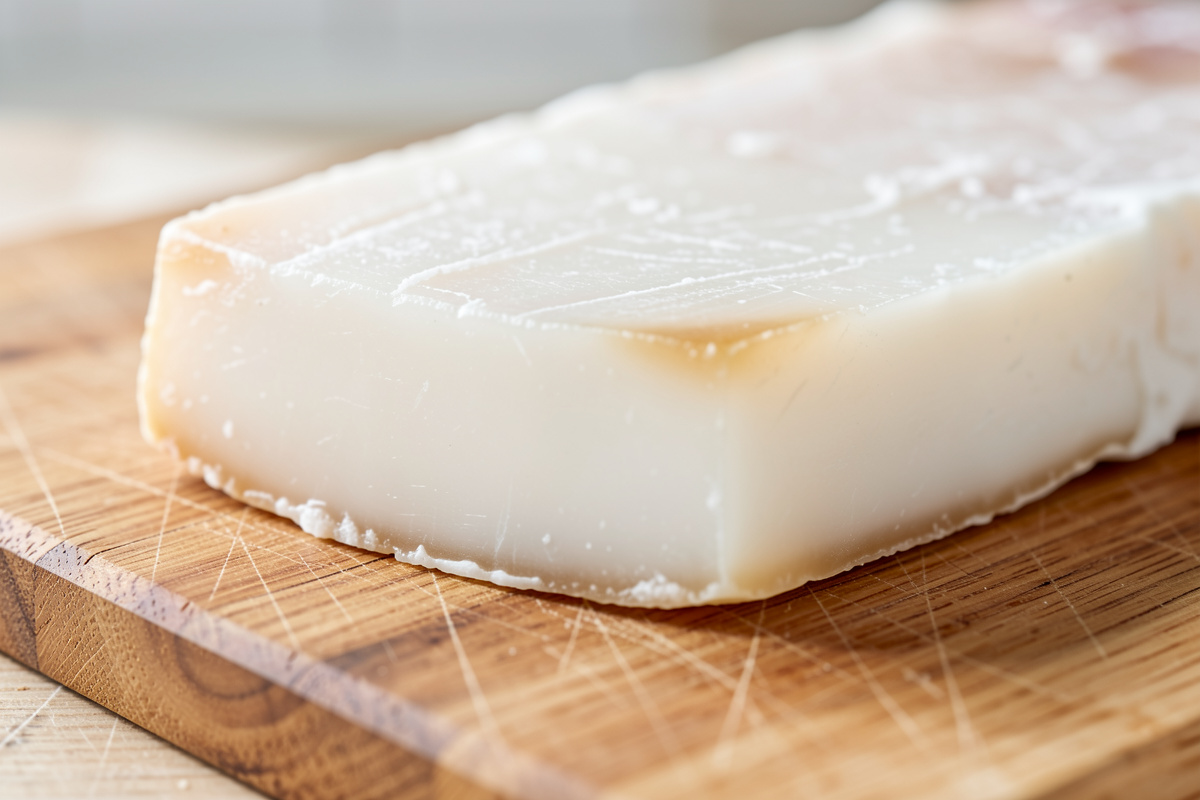
Yellowing lardo is often normal — fat oxidizes slowly and deepens from white toward straw over weeks to months of aging, and a faint tint on a well-kept slab is fine. What is not fine is a sharp, crayon-like or paint-thinner smell, a greasy slick, or a bitter taste: those mean the fat has gone […]
Read 7 min read
How Long to Cure Lardo: Salt-Box Timeline and Weight Check
Curing Fat: Lardo, Salo & Fatback

How Long to Cure Lardo: Salt-Box Timeline and Weight Check

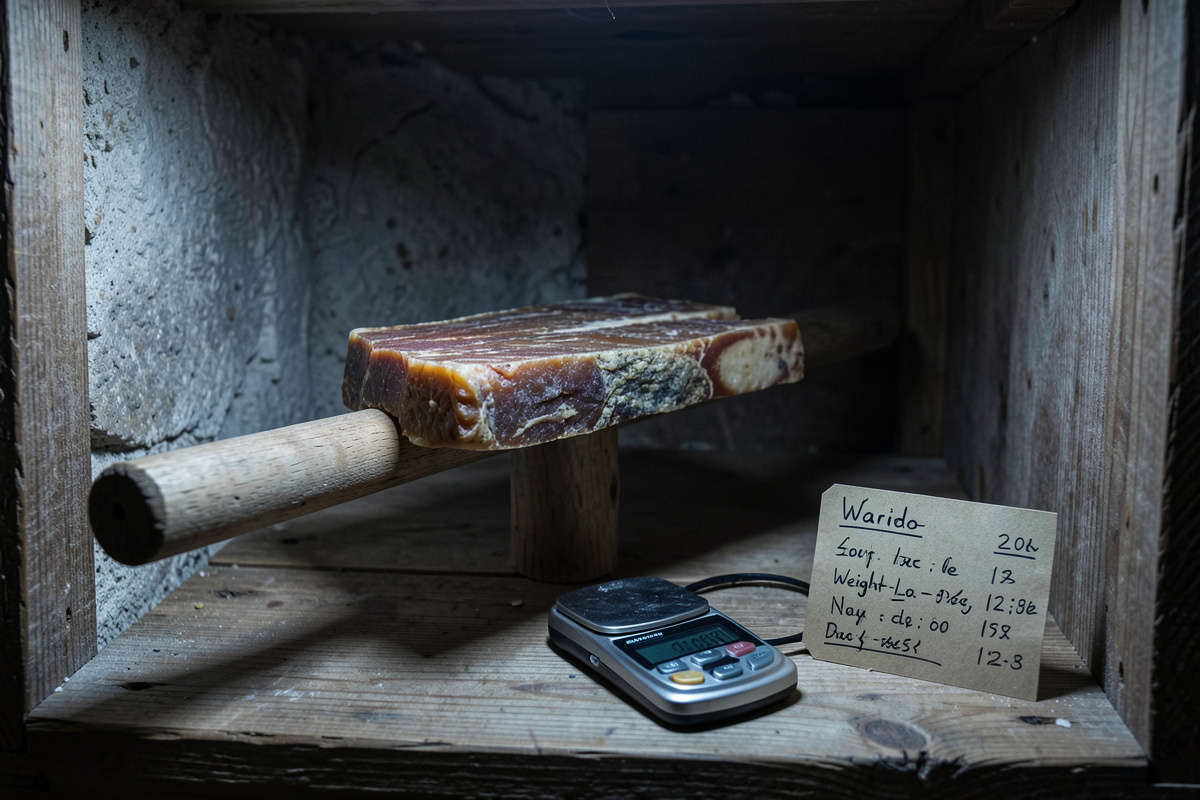
Lardo takes one to three weeks in the salt phase, then a minimum of six to eight weeks aging at cellar temperature, with the best slabs going three to four months. Unlike lean charcuterie, it barely loses weight — a finished lardo sheds only 10–15%, so firmness and translucency, not the scale, tell you it […]

Read 7 min read
How to Make Salo: Ukrainian Salt-Cured Pork Fat
Curing Fat: Lardo, Salo & Fatback

How to Make Salo: Ukrainian Salt-Cured Pork Fat

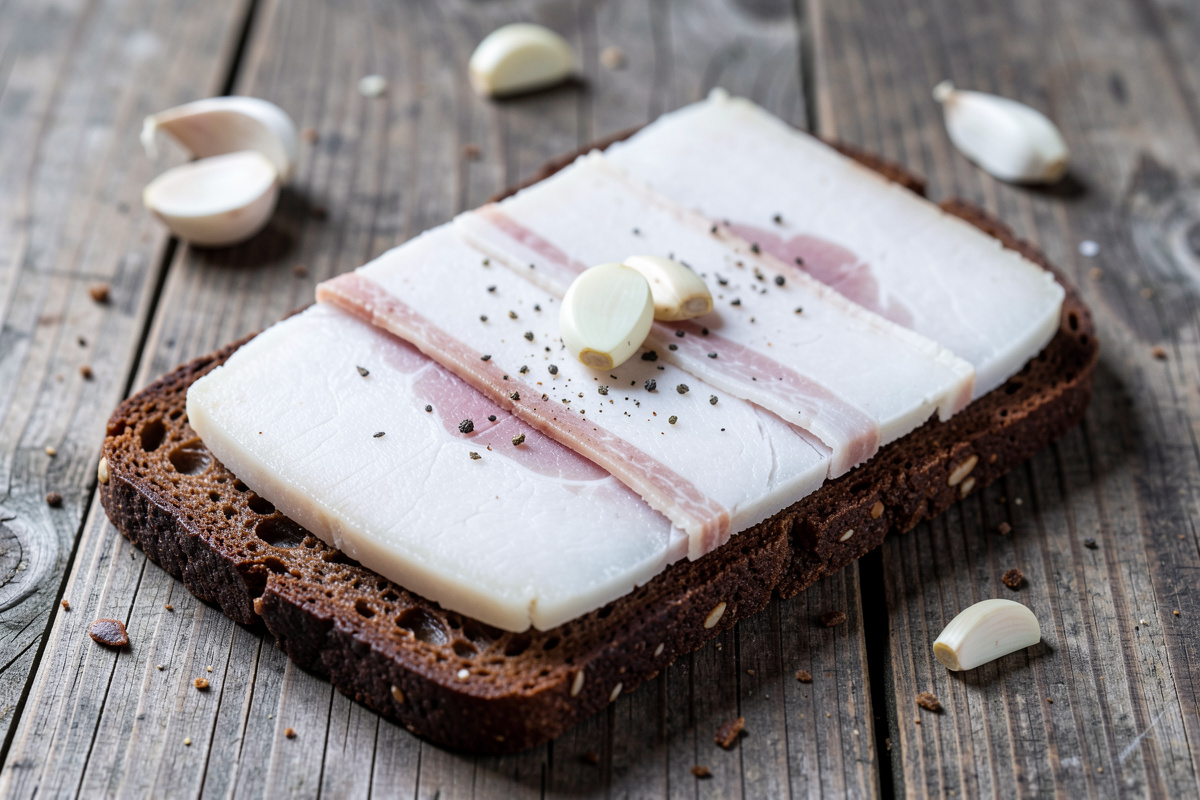
To make salo, rub a slab of firm pork back fat heavily with salt, garlic, and black pepper, pack it tight, and cure it cold in the refrigerator for three to fourteen days. Then keep it frozen and eat it cold, sliced thin. Unlike Italian lardo, salo is not aged soft — it stays firm […]

Read 7 min read
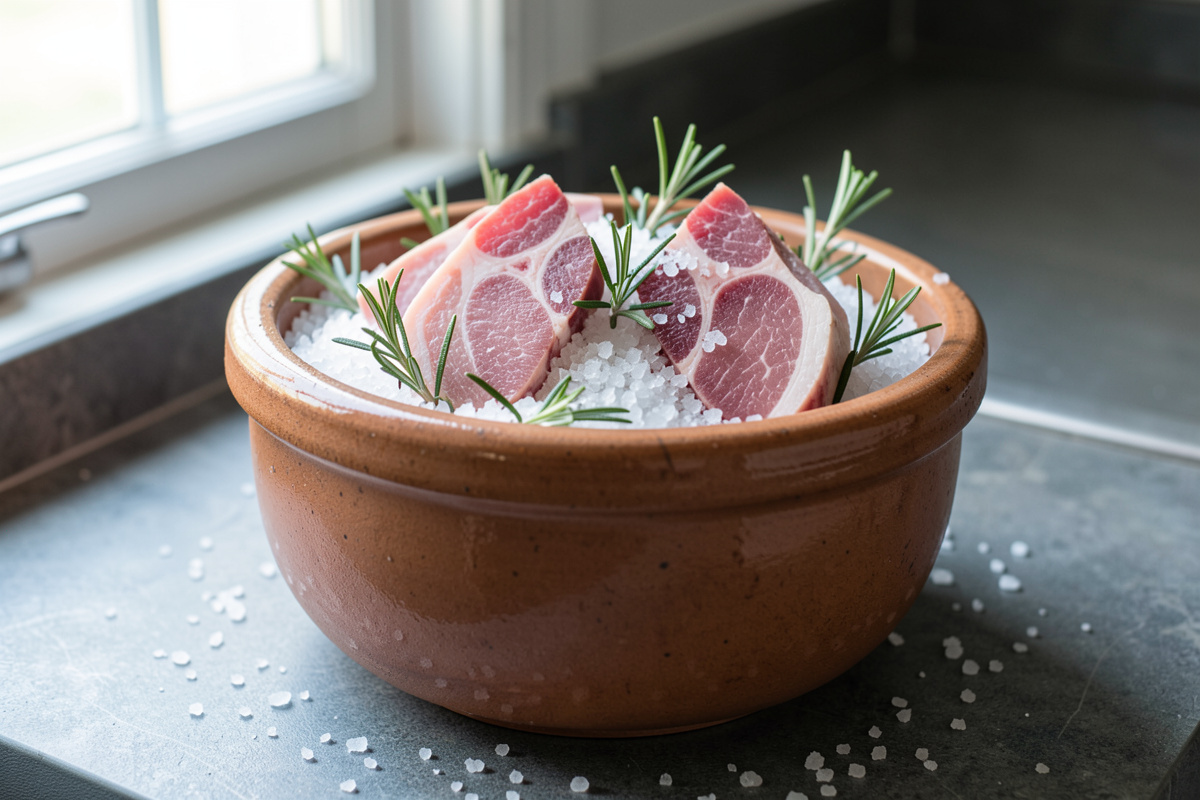
Curing Lardo Without a Marble Box: Vac-Bag and Crock Methods
Curing Fat: Lardo, Salo & Fatback

Curing Lardo Without a Marble Box: Vac-Bag and Crock Methods

You do not need a marble box to make lardo. A vacuum bag or a food-grade crock cures back fat just as safely and more repeatably — you weigh the salt and cure #2 to the fat, seal it cold for two to three weeks, then age it in your chamber. The marble conca is […]

Read 7 min read
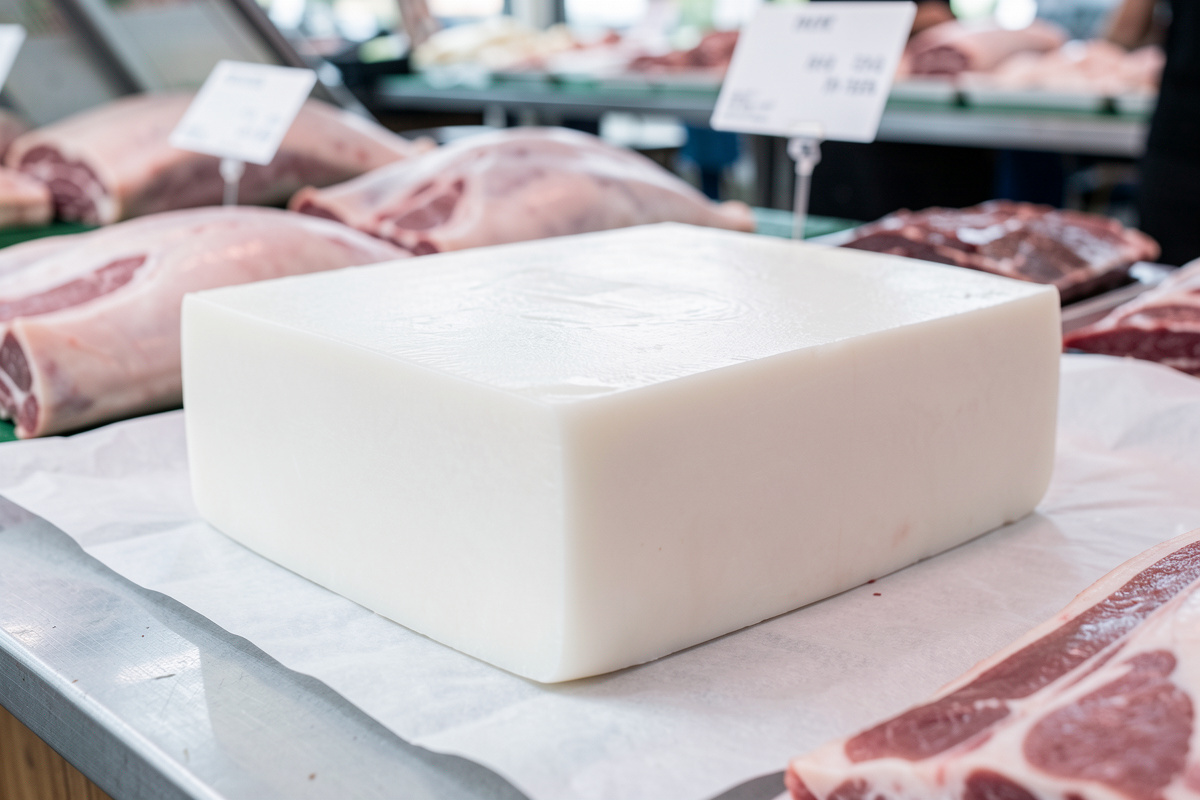
Best Fat for Lardo: Back Fat Thickness and Where to Source It
Curing Fat: Lardo, Salo & Fatback

Best Fat for Lardo: Back Fat Thickness and Where to Source It

The best fat for lardo is firm pork back fat at least one inch thick — and thicker is better. The dense, hard fat off the shoulder end of the back holds together through a months-long cure, where soft belly fat and thin trim turn greasy and fall apart. Get the cut right and lardo […]

Read 7 min read
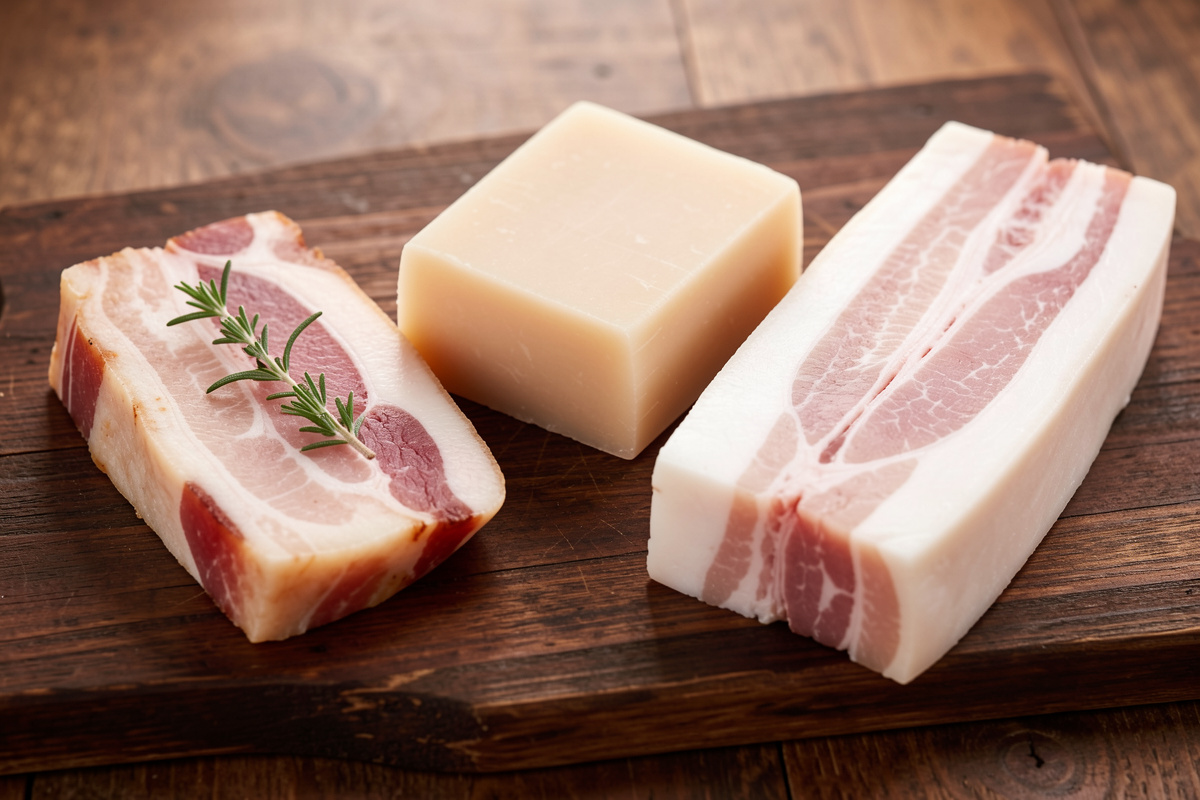
Lardo vs Salo vs Fatback: Three Ways to Cure Pork Fat
Curing Fat: Lardo, Salo & Fatback

Lardo vs Salo vs Fatback: Three Ways to Cure Pork Fat

Lardo, salo, and fatback are all cured pork back fat — the difference is the method, not the meat. Lardo is Italian, salt-boxed with herbs and aged soft for months; salo is Slavic, heavily salted, kept firm and cold; fatback is the raw cut that both start from. Once you understand they share one raw […]

Read 7 min read
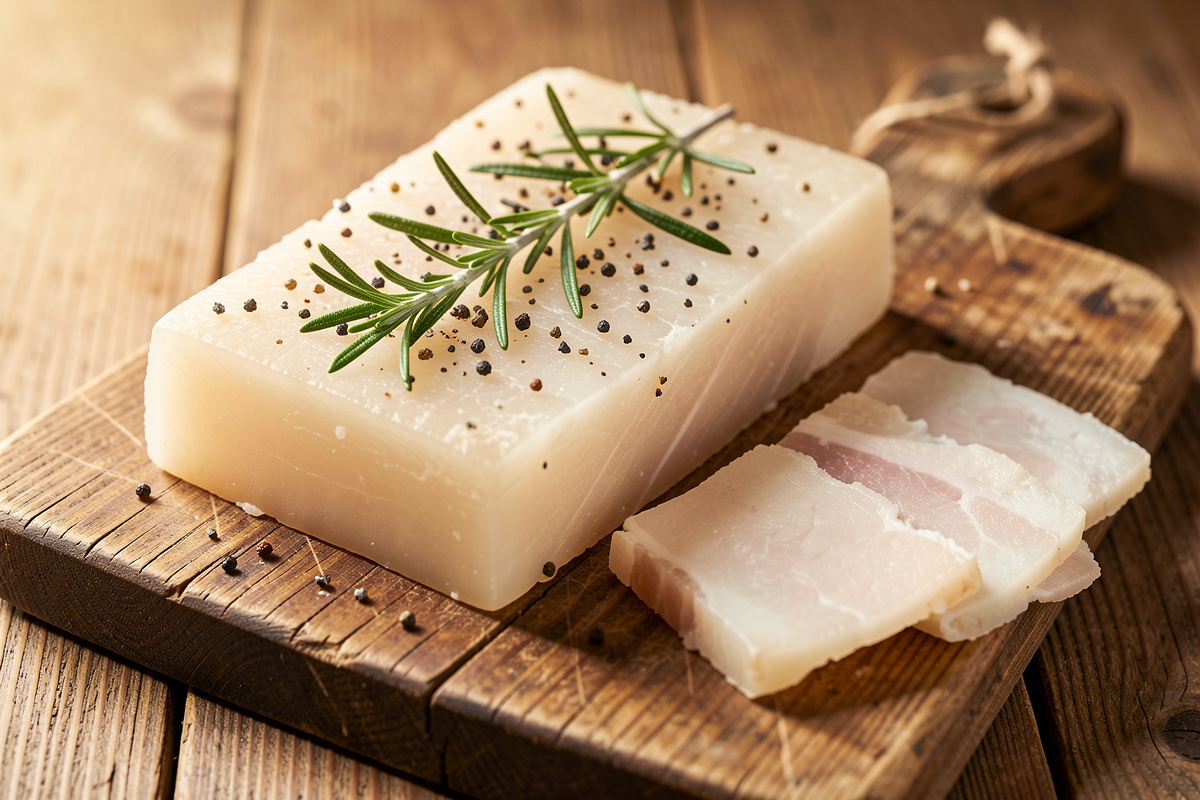
How to Cure Lardo at Home: A Complete Guide to Curing Fat
Curing Fat: Lardo, Salo & Fatback

How to Cure Lardo at Home: A Complete Guide to Curing Fat

To cure lardo at home you salt a slab of pork back fat at least an inch thick, hold it cold under salt and aromatics for one to three weeks, then age it at cellar temperature (around 12–15 °C) and 75–80% humidity until it turns silky and translucent. Unlike a lean coppa that sheds 35% of […]

Read 15 min read