Category

Curing & Preserving Fish

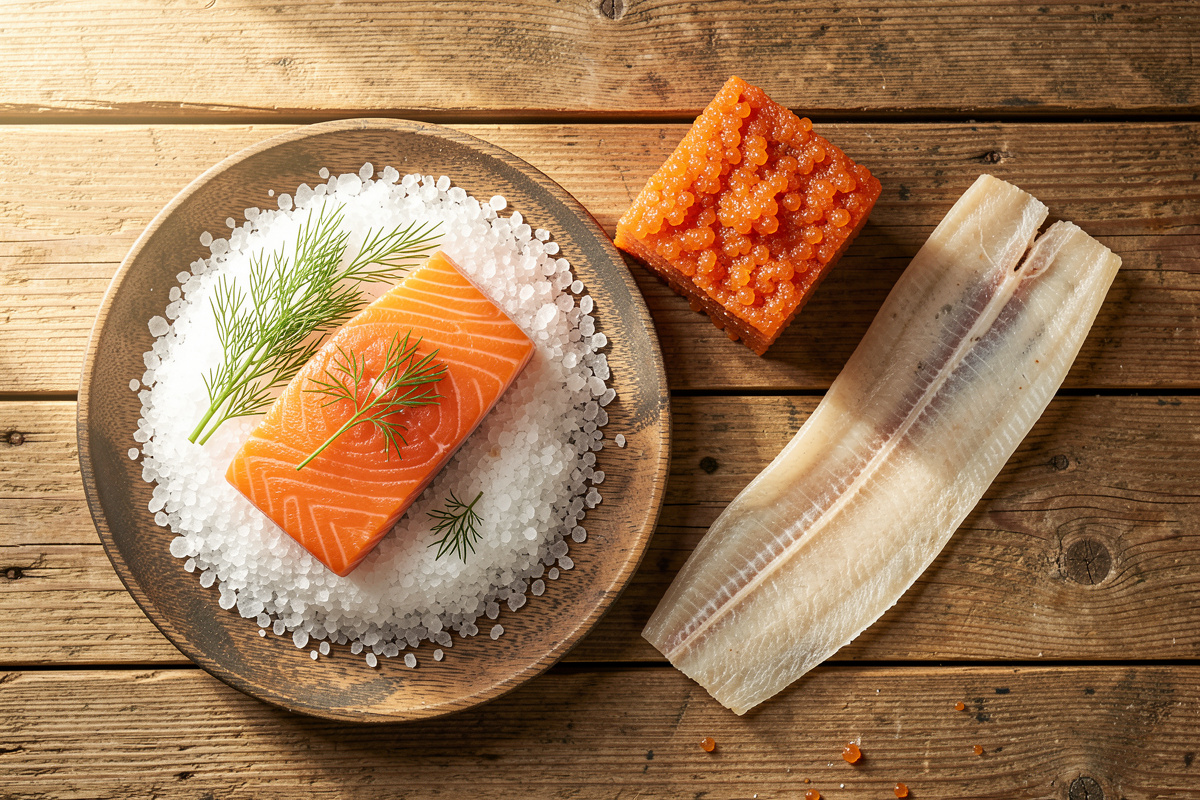
Salt-and-sugar fish curing without smoke — gravlax, salt cod, bottarga, and the safety rules behind the unsmoked cure.

Curing Fish Roe: Making Bottarga From Mullet or Tuna
Curing & Preserving Fish

Curing Fish Roe: Making Bottarga From Mullet or Tuna

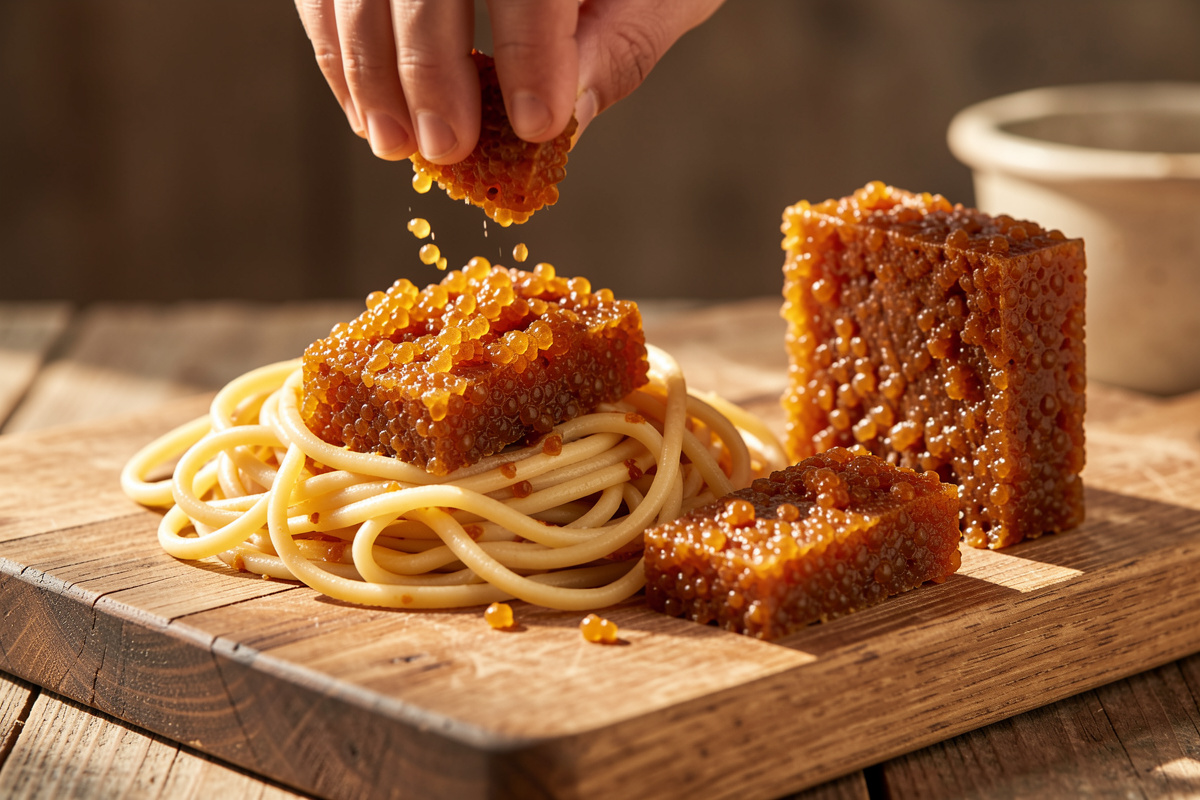
To make bottarga, you salt-cure whole intact fish roe sacs — grey mullet or tuna — for several days, press them gently under weight, then air-dry them in a cool, humid space for one to three weeks until firm and amber. The sac loses around half its weight and becomes dense enough to grate over […]
Read 6 min read
How to Make Salt Cod (Bacalao) at Home: Salting and Drying
Curing & Preserving Fish

How to Make Salt Cod (Bacalao) at Home: Salting and Drying

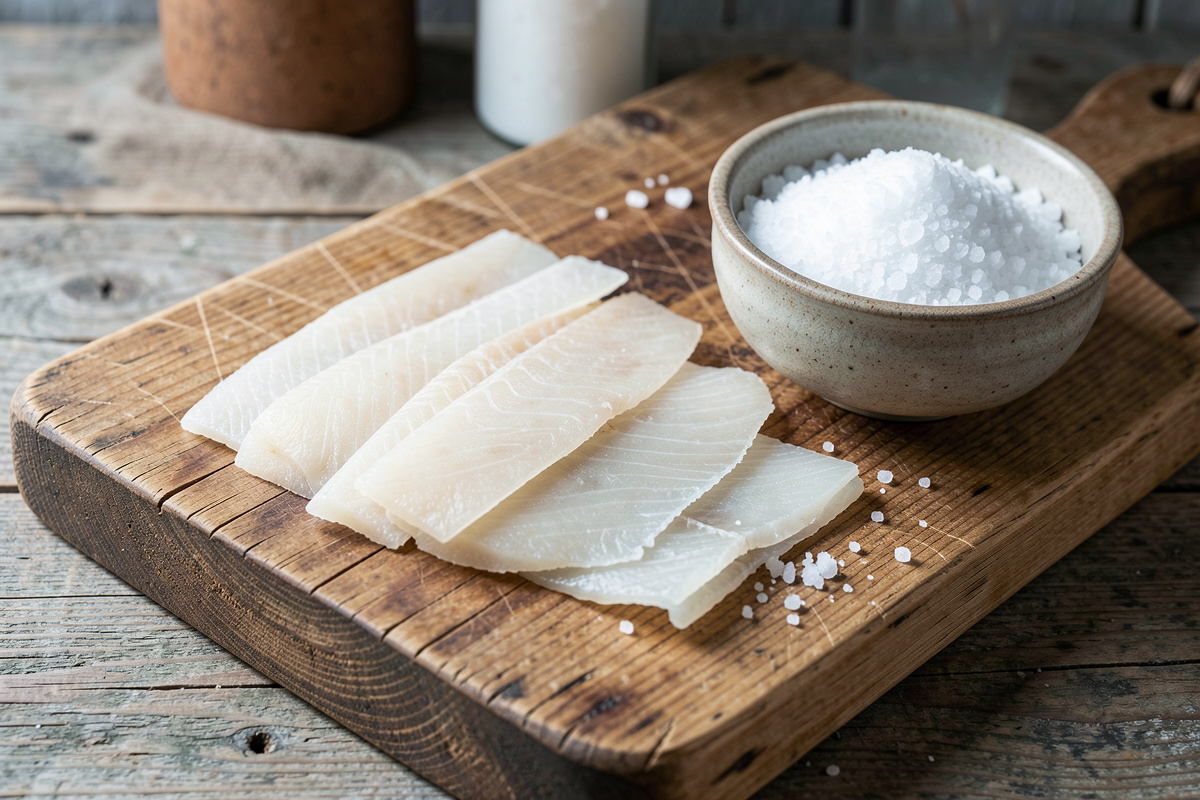
To make salt cod at home, you heavily salt lean white fish in a salt-box cure for several days to draw out water, then dry it in a cool, airy place until it’s stiff and pale — a total weight loss of 50% or more. The salt and the drying together drop the water activity […]

Read 6 min read
How Long Does Gravlax Last and How to Store It Properly
Curing & Preserving Fish

How Long Does Gravlax Last and How to Store It Properly

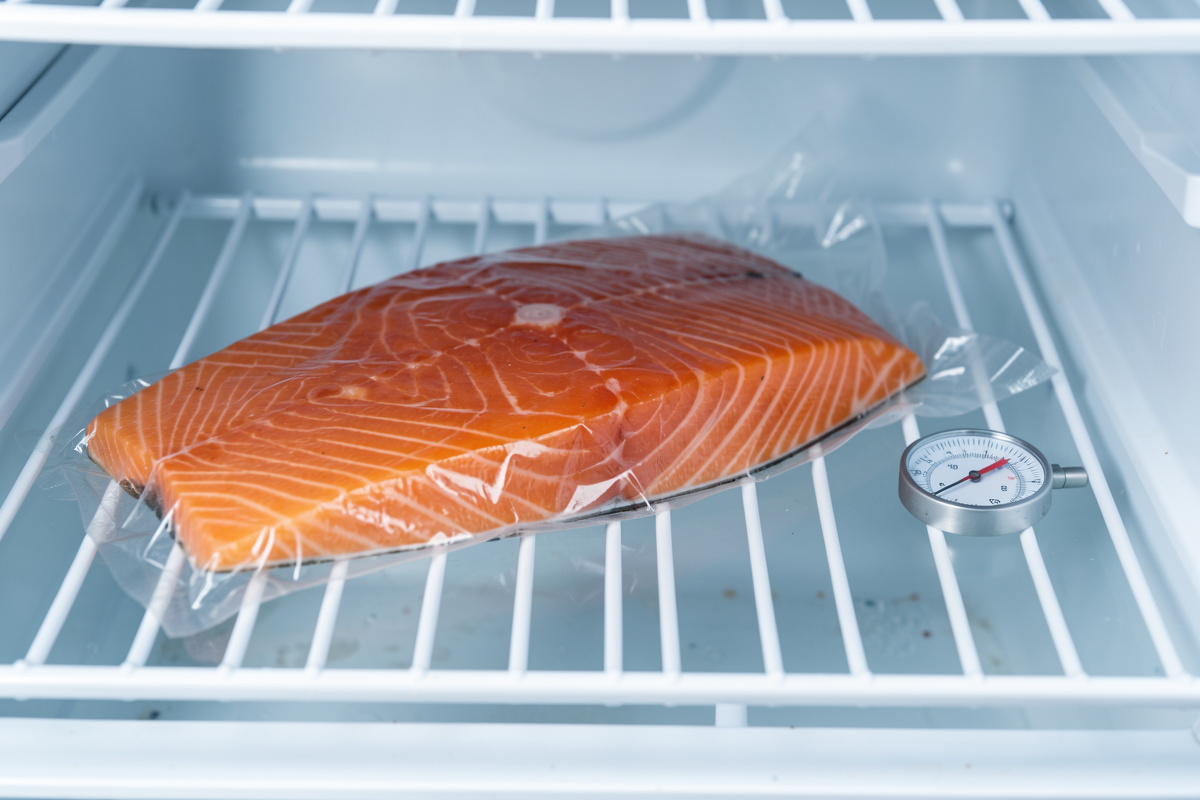
Home-made gravlax keeps for about 5 to 7 days in the fridge once cured, stored below 4 °C, tightly wrapped, and scraped free of its dill and cure. Freeze it and you’ll get one to two months with only minor texture softening. Gravlax is a fresh cure, not a shelf-stable one — it never lives at […]

Read 6 min read
Best Salt for Curing Fish: Coarse vs Fine and Why It Matters
Curing & Preserving Fish

Best Salt for Curing Fish: Coarse vs Fine and Why It Matters

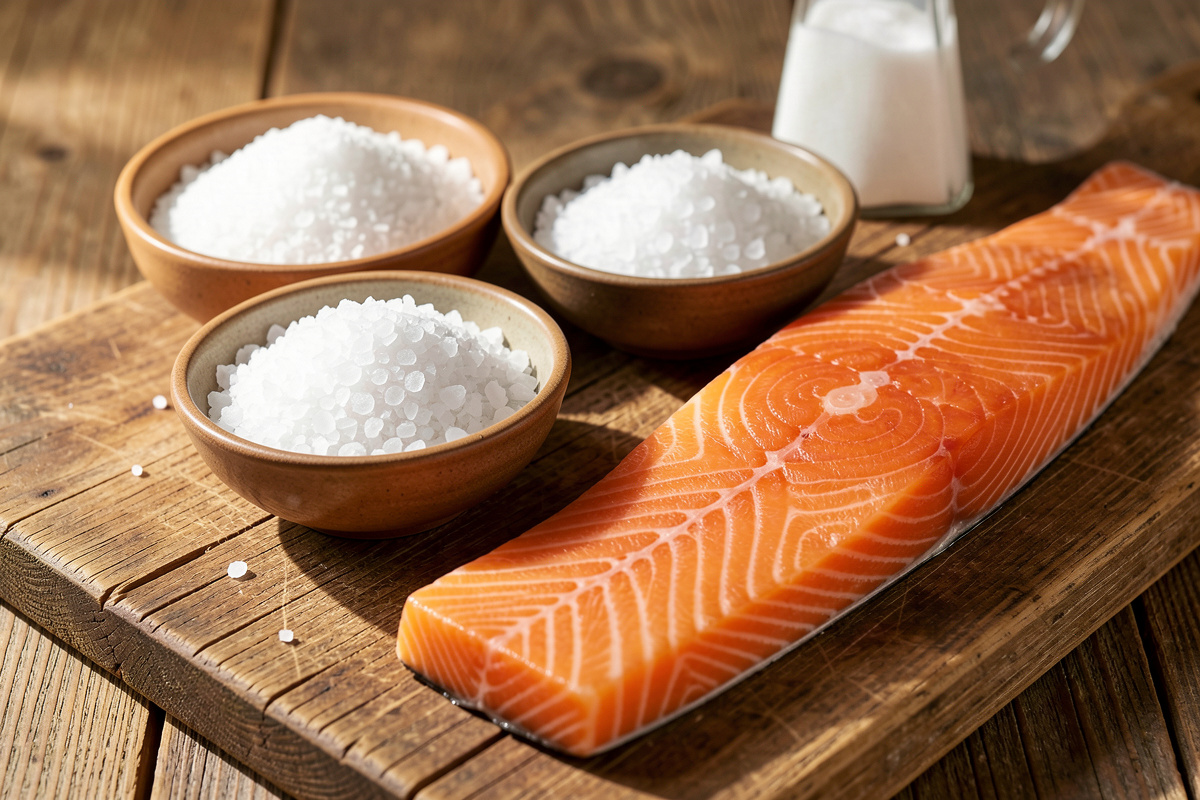
The best salt for curing fish is a pure, non-iodized salt with no anti-caking agents — and the grain size should match your method: fine salt for precise equilibrium cures like gravlax, coarse salt for salt-box cures like bacalao. Iodized table salt is the one to avoid outright; its iodine throws a metallic off-flavour and […]

Read 7 min read
Gravlax vs Lox vs Smoked Salmon: What Actually Separates Them
Curing & Preserving Fish

Gravlax vs Lox vs Smoked Salmon: What Actually Separates Them

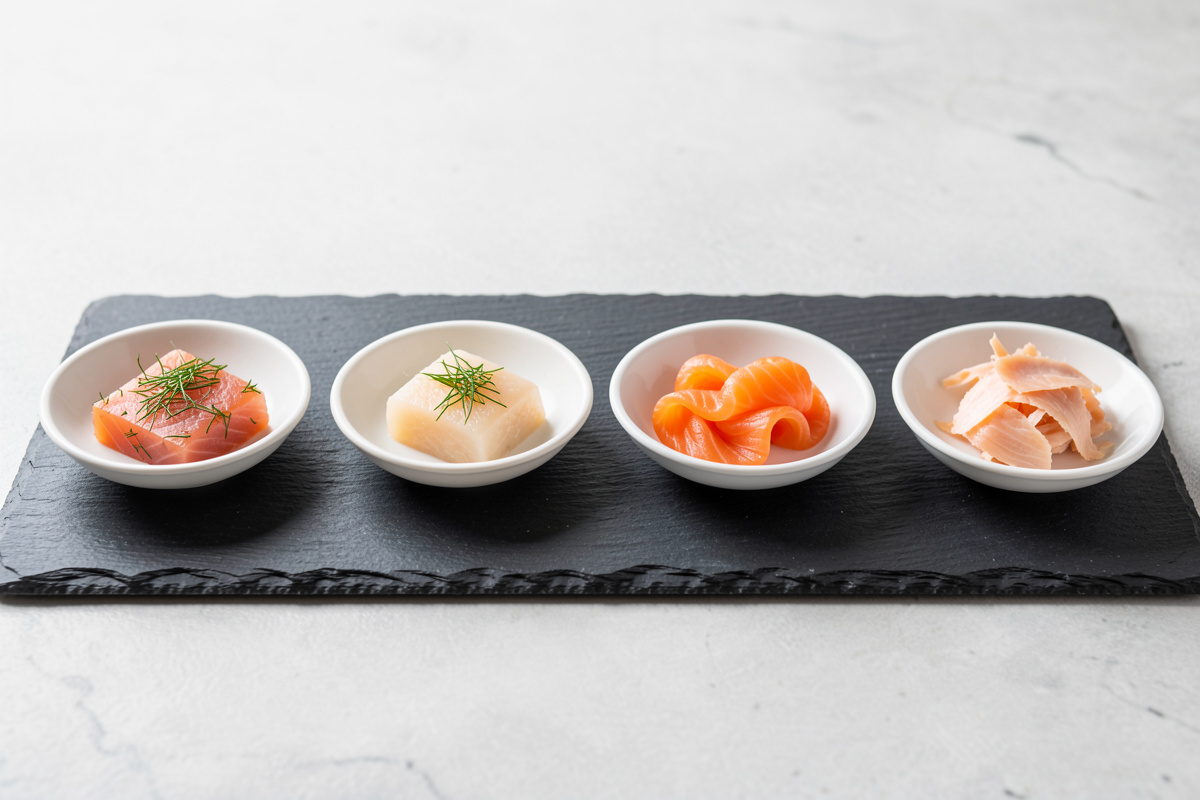
Gravlax, lox, and smoked salmon are three different things people constantly muddle. Gravlax is salmon cured with salt, sugar, and dill — never smoked. True lox is salmon cured in a salt brine, also unsmoked. Smoked salmon is cured and then exposed to smoke, cold (silky and raw-textured) or hot (flaky and cooked). The dividing […]

Read 7 min read
Is Home-Cured Fish Safe? Salt, Freezing, and the Parasite Rule
Curing & Preserving Fish

Is Home-Cured Fish Safe? Salt, Freezing, and the Parasite Rule

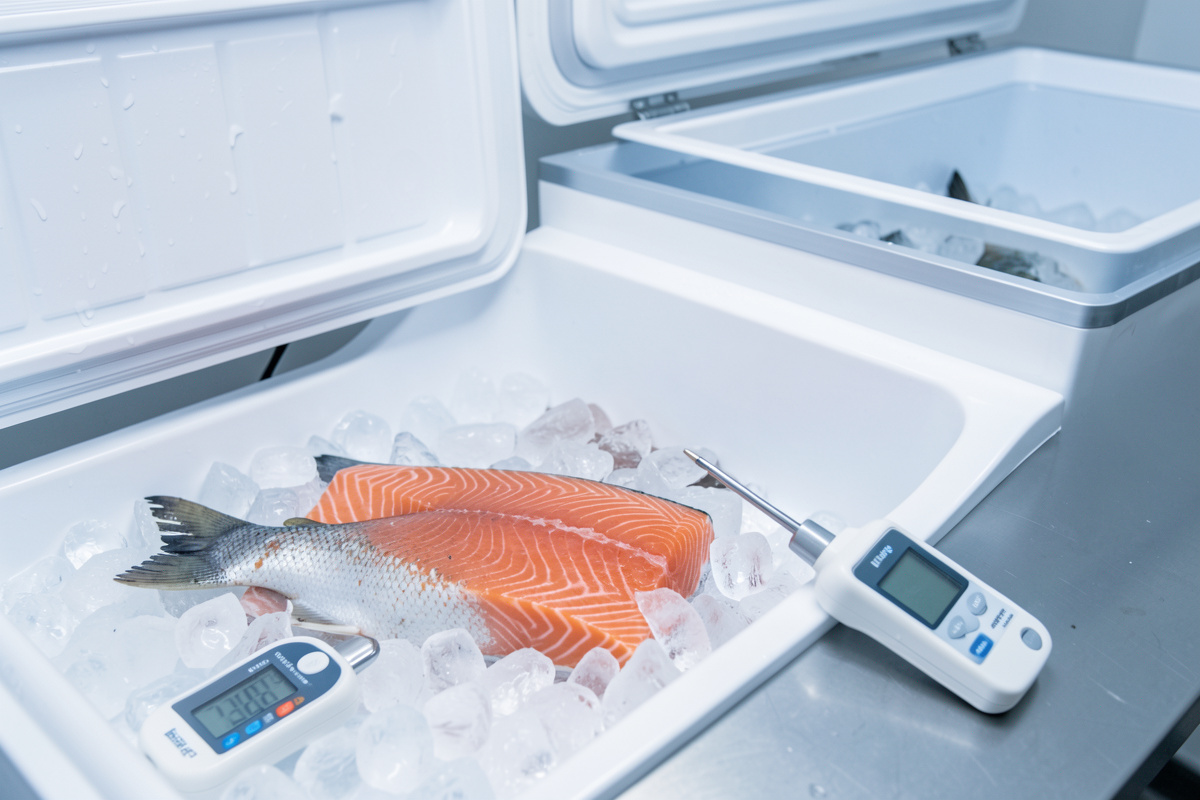
Home-cured fish is safe when you respect two hazards that salt alone doesn’t handle: parasites and certain bacteria. Freeze raw fish at −20 °C (−4 °F) for 7 days before curing to kill parasites, keep fresh cures refrigerated below 4 °C, and understand when a cure needs nitrite. Get those right and the risk drops close to zero; […]

Read 7 min read
How to Make Gravlax: The Salt-Sugar-Dill Cure Step by Step
Curing & Preserving Fish

How to Make Gravlax: The Salt-Sugar-Dill Cure Step by Step

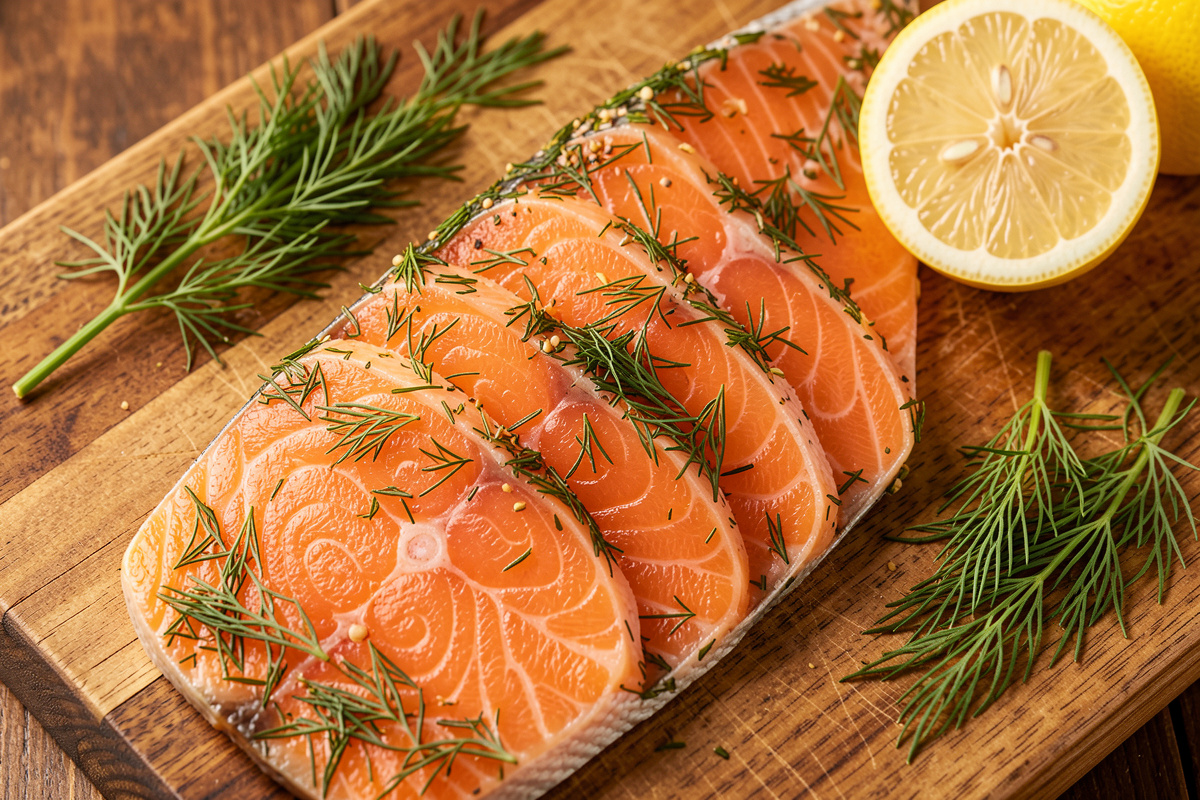
To make gravlax, you cure a fresh salmon fillet in a mix of salt, sugar, and dill for two to three days in the fridge, weighing the fish so the salt lands at about 3% of its weight. The fillet firms up, turns translucent, and loses roughly 8–12% of its weight — no heat, no […]

Read 6 min read
Curing Fish at Home: The Complete Salt-Cure Guide
Curing & Preserving Fish

Curing Fish at Home: The Complete Salt-Cure Guide

Curing fish at home means driving out water with salt until the flesh is firm, translucent, and safe to eat without any heat or smoke. A gravlax fillet loses roughly 8–12% of its weight in two or three days under a salt-and-sugar cure; a salt cod loses more than half its weight over weeks. The […]

Read 13 min read