All Guides

Guides

Every technical article, build log, and curing walkthrough — organized for reference.

How to Make Genoa Salami Step by Step (Beginner Fermented Sausage)
Salami & Fermented Sausage

How to Make Genoa Salami Step by Step (Beginner Fermented Sausage)

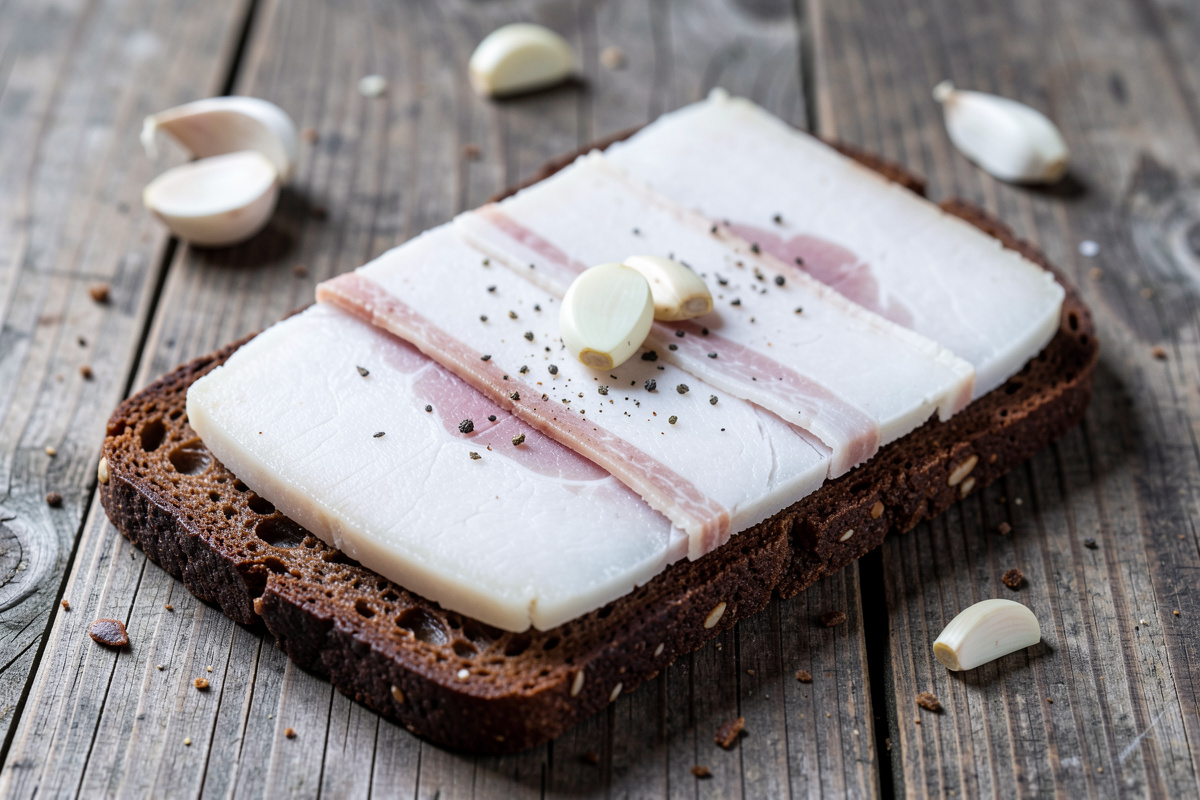
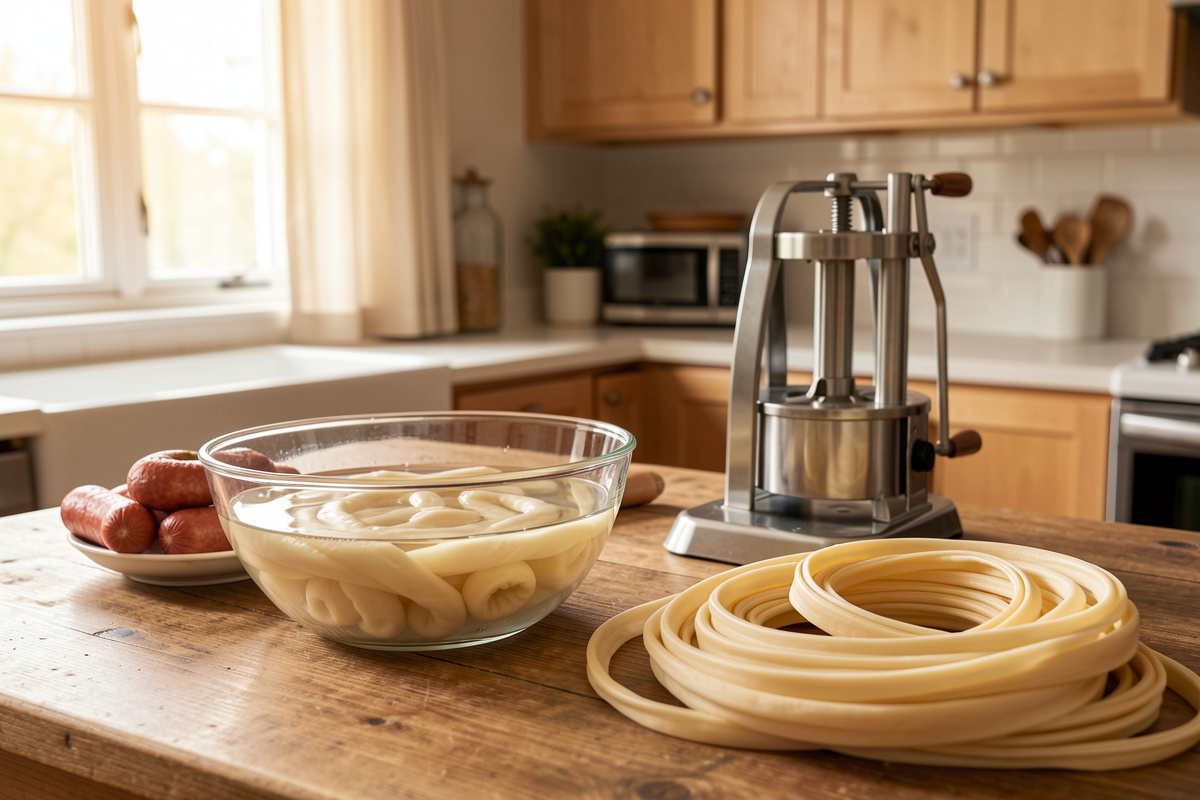
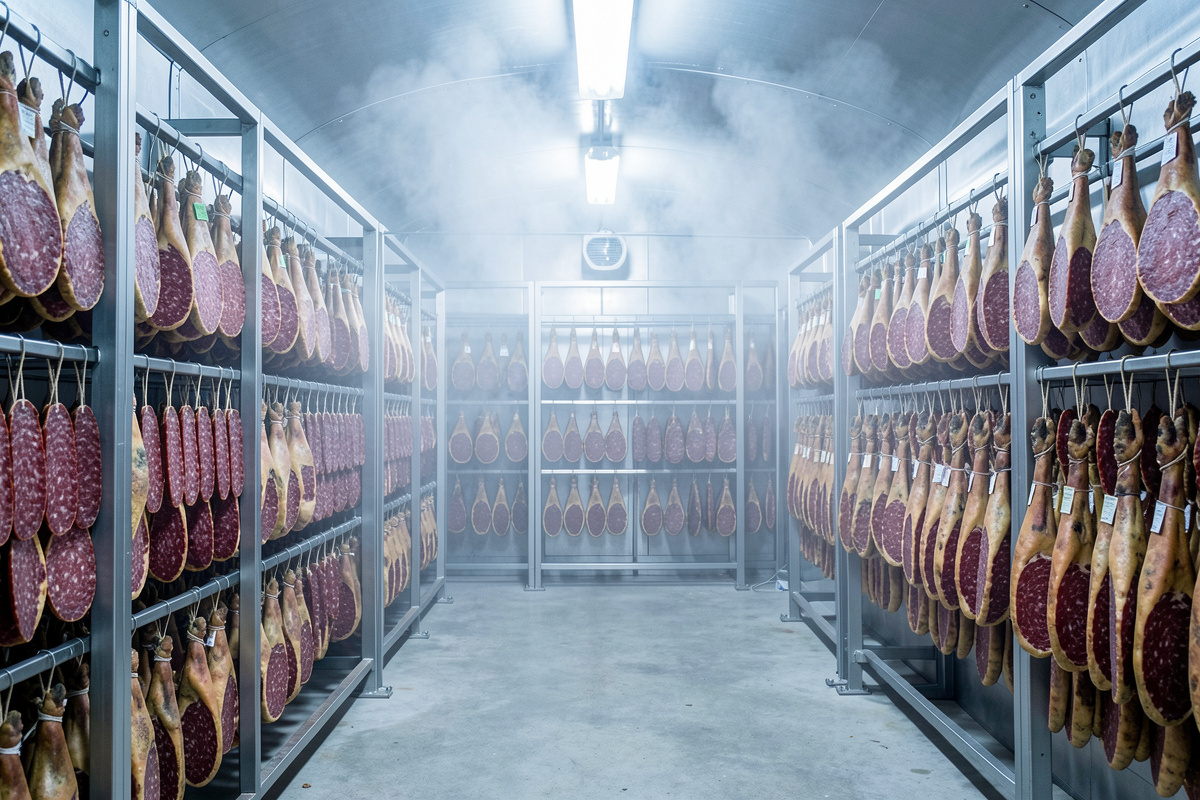
I made my first Genoa salami batch with 4 lbs of pork shoulder, $18 worth of Bactoferm T-SPX starter culture, and a $40 LEM 5-lb stuffer borrowed from a neighbour. The pH dropped from 5.7 to 5.1 in 47 hours at 73°F, and the chubs hit 33% weight loss at day 32 in the curing […]

Read 9 min read
How to Calculate Salt Percentage for Equilibrium Curing
Whole Muscle Charcuterie

How to Calculate Salt Percentage for Equilibrium Curing

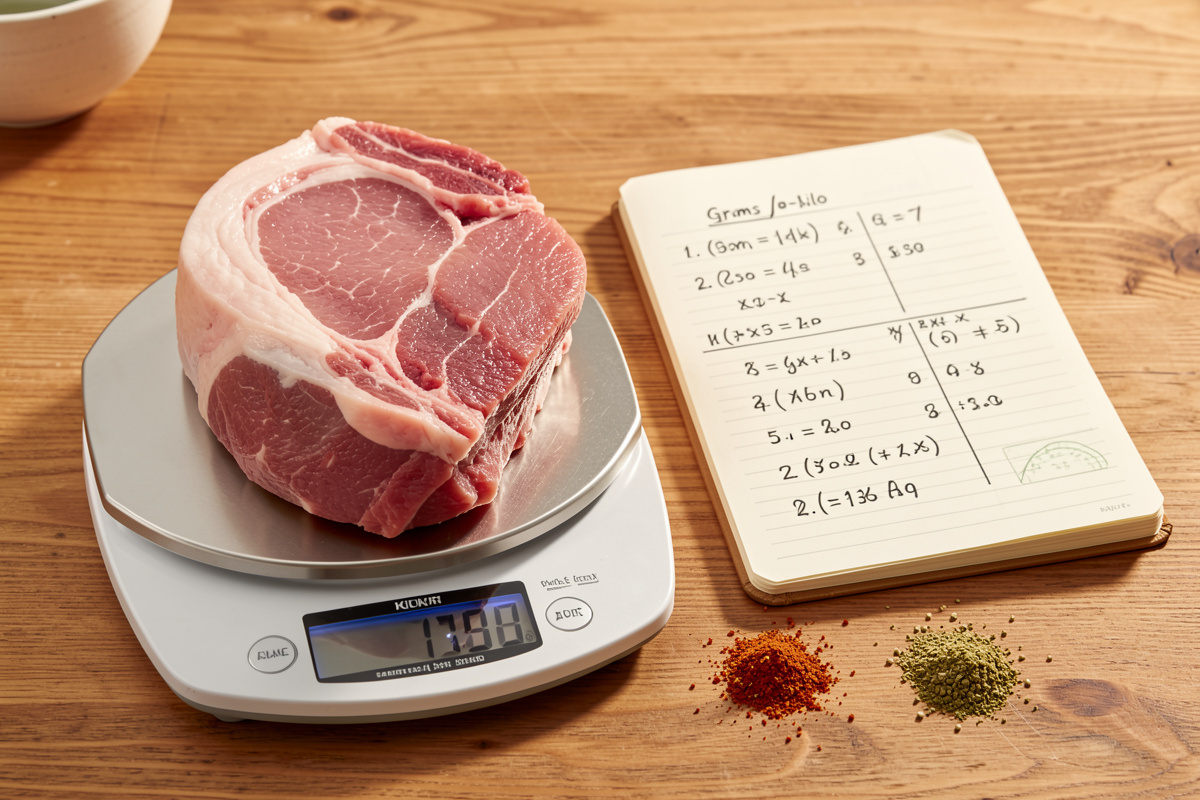
I weigh every cure on a $25 OXO digital kitchen scale that reads to 1 g, and I run 2.75% salt by weight on whole muscle as a default — split between 2.5% kosher and 0.25% Cure #2 for anything that hangs longer than 30 days. The same scale is what I use for the […]

Read 9 min read
Best Dry Aging Bags: Umai vs SteakAger vs DryBagSteak Tested
Dry Aging Beef

Best Dry Aging Bags: Umai vs SteakAger vs DryBagSteak Tested

I have run a 35-day Umai Dry on a 4-pound USDA Choice ribeye, a 21-day SteakAger on a 6-pound striploin, and a 28-day DryBagSteak on a 3-pound boneless ribeye. The Umai produced the best crust development; the SteakAger had the most uniform colour across the cut; the DryBagSteak was the cheapest per pound and finished […]

Read 8 min read
Ideal Humidity for Dry Aging Beef vs Charcuterie: Why They Differ
Temperature & Humidity Science

Ideal Humidity for Dry Aging Beef vs Charcuterie: Why They Differ

I run my chamber at 78% RH for whole-muscle beef and drop to 73% RH the moment a salami batch goes in alongside it — switching the Inkbird IHC-200 setpoint takes 15 seconds and the chamber re-equilibrates within an hour. USDA-FSIS Appendix A designates 70-80% RH as the safe range for whole-muscle dry curing, and […]

Read 9 min read
How to Convert a Fridge Into a Curing Chamber: Step-by-Step Guide
Building a Curing Chamber

How to Convert a Fridge Into a Curing Chamber: Step-by-Step Guide

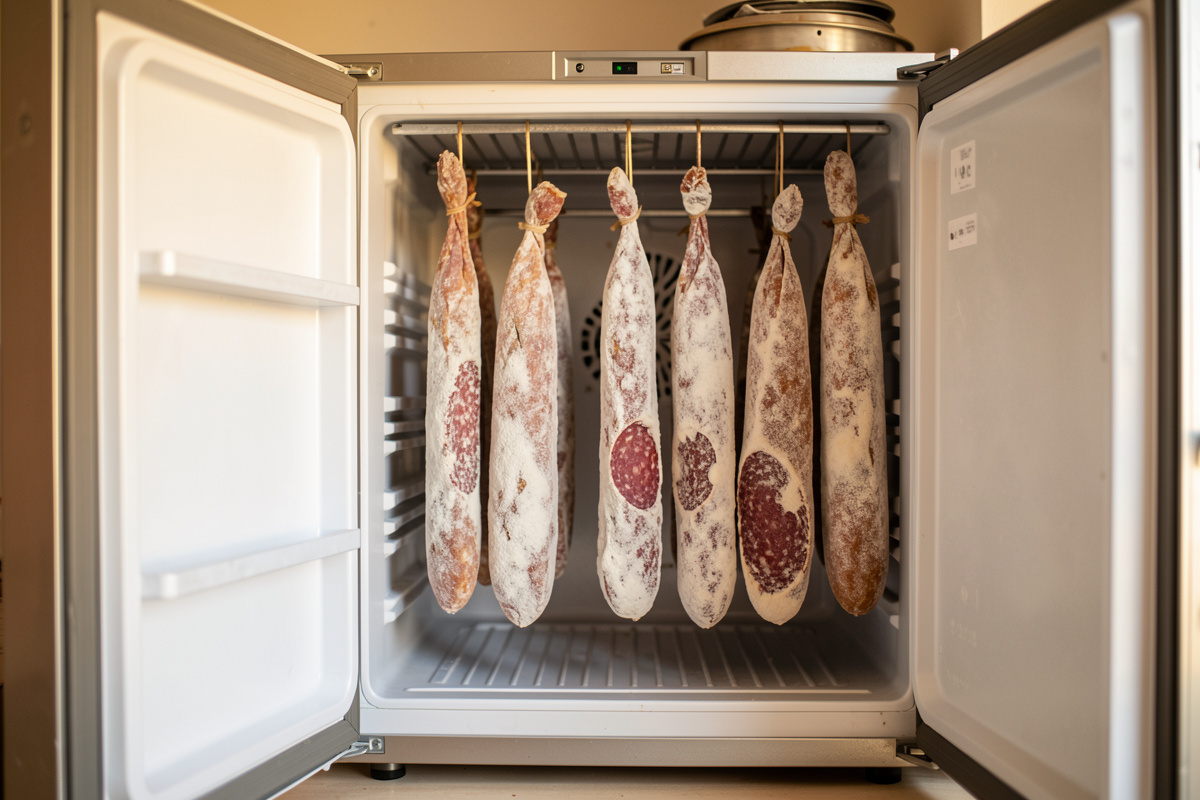
I converted a $35 Magic Chef mini fridge into my first curing chamber 18 months ago, and the entire build (controller wiring, humidifier, fan, hanging rod) took me about three hours including a 30-minute Marketplace pickup detour. Convert a refrigerator into a curing chamber by adding an Inkbird ITC-308 dual-stage temperature controller, a small ultrasonic […]

Read 9 min read
Off-Grid Curing Chamber: Battery and Inverter Sizing for 24/7 Climate Control
Building a Curing Chamber

Off-Grid Curing Chamber: Battery and Inverter Sizing for 24/7 Climate Control

An off-grid curing chamber drawing about 4–6 kWh/day (a converted mini fridge with PID temperature control plus an ultrasonic humidifier and small fan) needs roughly 10–15 kWh of usable LiFePO4 storage and a 3 kW continuous-rated hybrid inverter to ride out 2–3 cloudy days without grid backup. The compressor surge is the binding constraint, not […]

Read 10 min read
Smart Temperature and Humidity Sensors for Curing Chambers: Setup, Logging, and Calibration
Temperature & Humidity Science

Smart Temperature and Humidity Sensors for Curing Chambers: Setup, Logging, and Calibration

I run two SensorPush HT.W units in my own chamber — one at the meat shelf, one beside the cooling coil — plus an Inkbird IBS-TH3 logging into Home Assistant as a third opinion. That three-sensor stack costs about $145 and has caught two probe-drift events in 18 months that would otherwise have spoiled a […]

Read 9 min read
Cold Smoking Salami: When to Add Smoke and at What Temperature
Cold Smoking

Cold Smoking Salami: When to Add Smoke and at What Temperature

I add cold smoke to my salami in two 4-hour sessions on days 3 and 5 of the cure, after the LAB pH drop has finished and before the chubs go into long-term hang at 55°F. The chamber air temperature during the smoke sessions stays at 65 to 70°F in my basement — never above […]

Read 10 min read
Best Cheese to Age at Home for Beginners (5 Low-Risk Recipes)
Cheese Aging

Best Cheese to Age at Home for Beginners (5 Low-Risk Recipes)

I have aged a 2-pound waxed cheddar, two gouda wheels, and a manchego in my own chamber across the last 18 months, and the cheddar that came out of a 5-month aging at 53°F / 85% RH was demonstrably better than anything I had paid for at the deli counter. The five lowest-risk cheeses for […]

Read 10 min read
Salami Casing Mold: Good White Mold vs Dangerous Black/Green
Salami & Fermented Sausage

Salami Casing Mold: Good White Mold vs Dangerous Black/Green

Across six salami cycles in my own chamber, I have seen four of the five mold colors covered in this guide on at least one chub: white nalgiovense (every batch), Aspergillus niger black spots (twice), Penicillium expansum green (once on a batch where I forgot to inoculate), and Mucor cobweb gray (once when my fan […]

Read 11 min read
Duck Prosciutto: The 2-Week Beginner Charcuterie Project
Whole Muscle Charcuterie

Duck Prosciutto: The 2-Week Beginner Charcuterie Project

Duck prosciutto was my first cured-meat project — two Pekin breasts, $5 in kosher salt and pepper, 14 days in the chamber, and a sliceable result that beat what my local deli was charging $42 a pound for. It also validated that my chamber held 55°F and 75% RH for two consecutive weeks before I […]

Read 10 min read
Dry Aging Smell: What Is Normal vs What Means Trouble
Dry Aging Beef

Dry Aging Smell: What Is Normal vs What Means Trouble

I run a 90-day dry-aged ribeye in my chamber every winter, and the daily 2-second smell check at the chamber door is the single most useful diagnostic in the whole process. Healthy dry-aged beef smells nutty, slightly cheesy, and earthy — described by professional dry-aging operators as “blue cheese rind” or “browned butter” with a […]

Read 9 min read