All Guides

Cheese Aging

Every technical article, build log, and curing walkthrough — organized for reference.

Blue Cheese Making at Home: Mould, Piercing, and Aging
Cheese Aging

Blue Cheese Making at Home: Mould, Piercing, and Aging

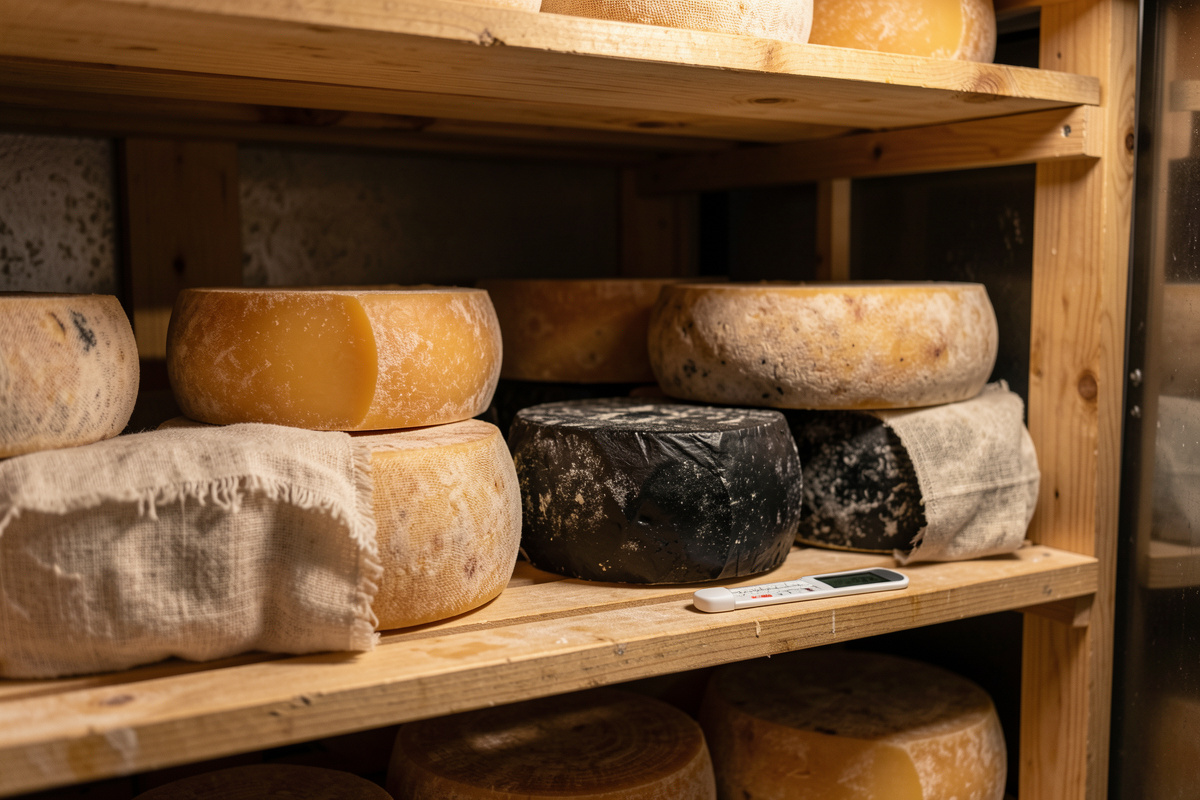
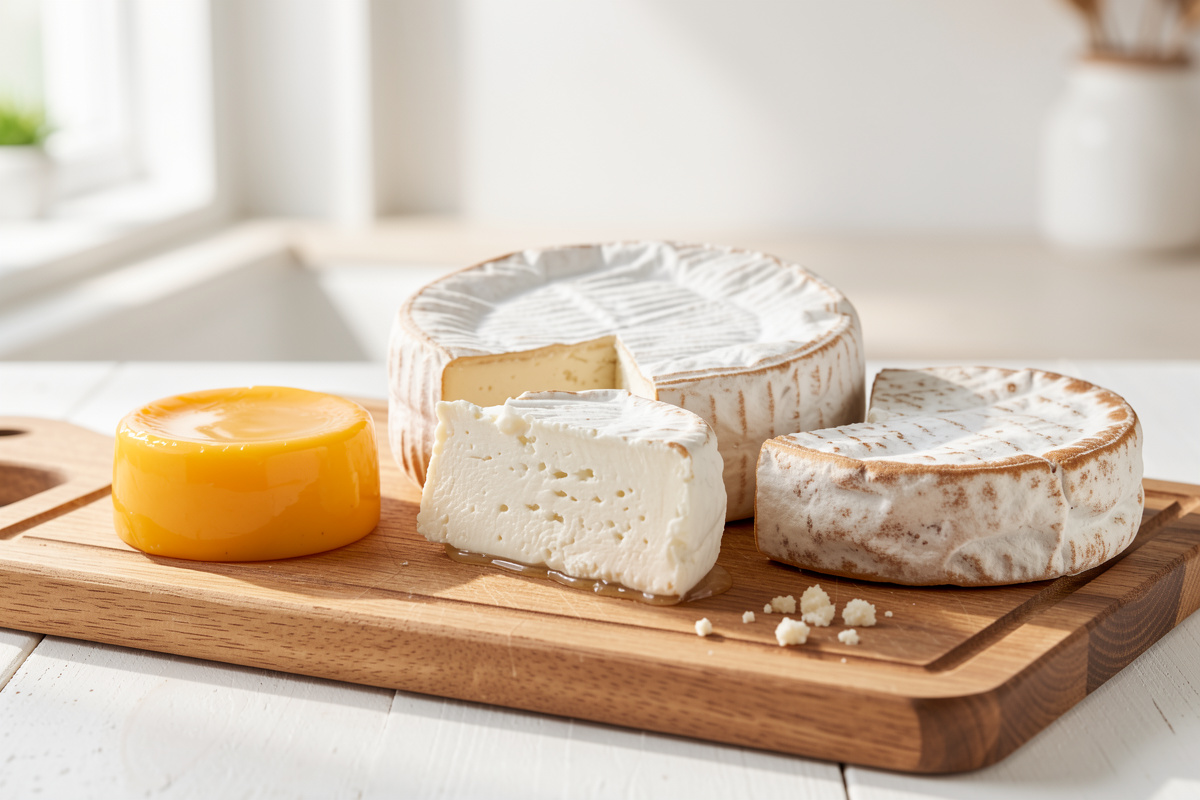
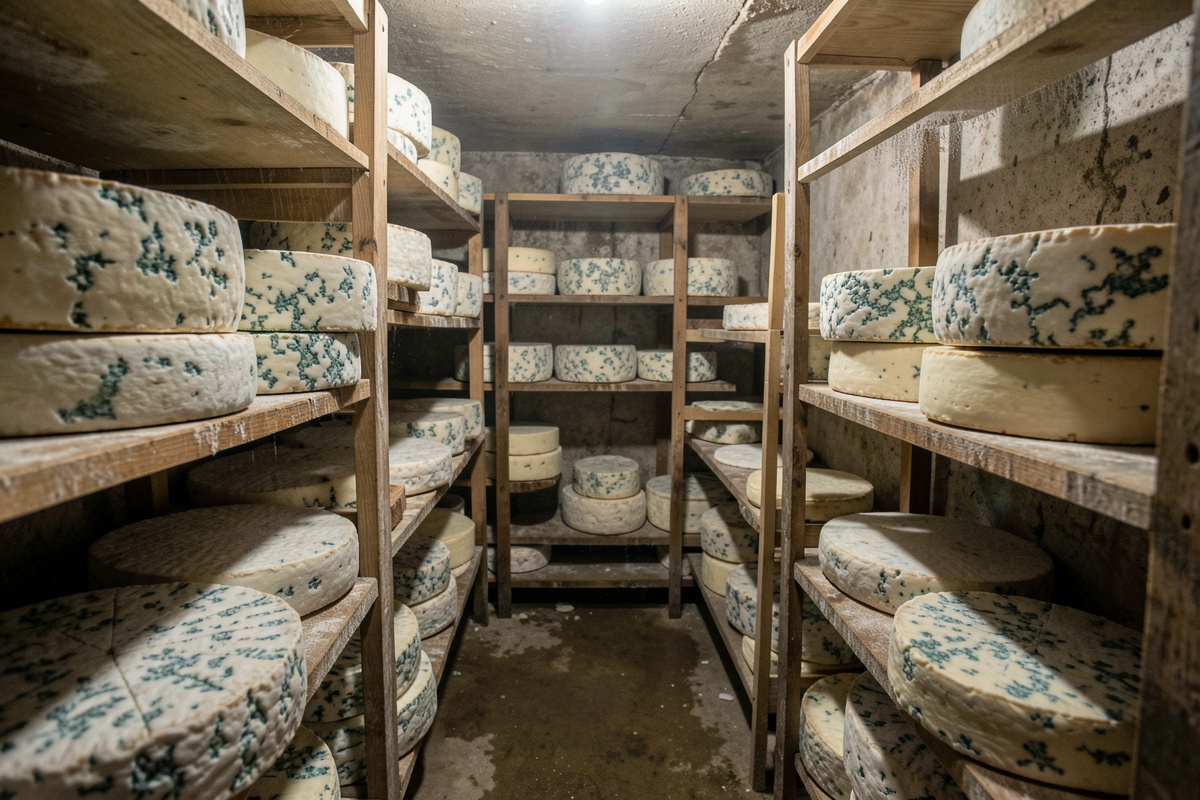
Making blue cheese at home hinges on two things the recipe rarely stresses: seeding the curd with Penicillium roqueforti, then piercing the salted wheel so air reaches the inside and the mould can bloom blue-green through the paste. Aged at 8–11 °C and a damp 90–95% RH for two to four months, a home blue is […]
Read 7 min read
Bandaged Cheddar at Home: The Clothbound Method
Cheese Aging

Bandaged Cheddar at Home: The Clothbound Method

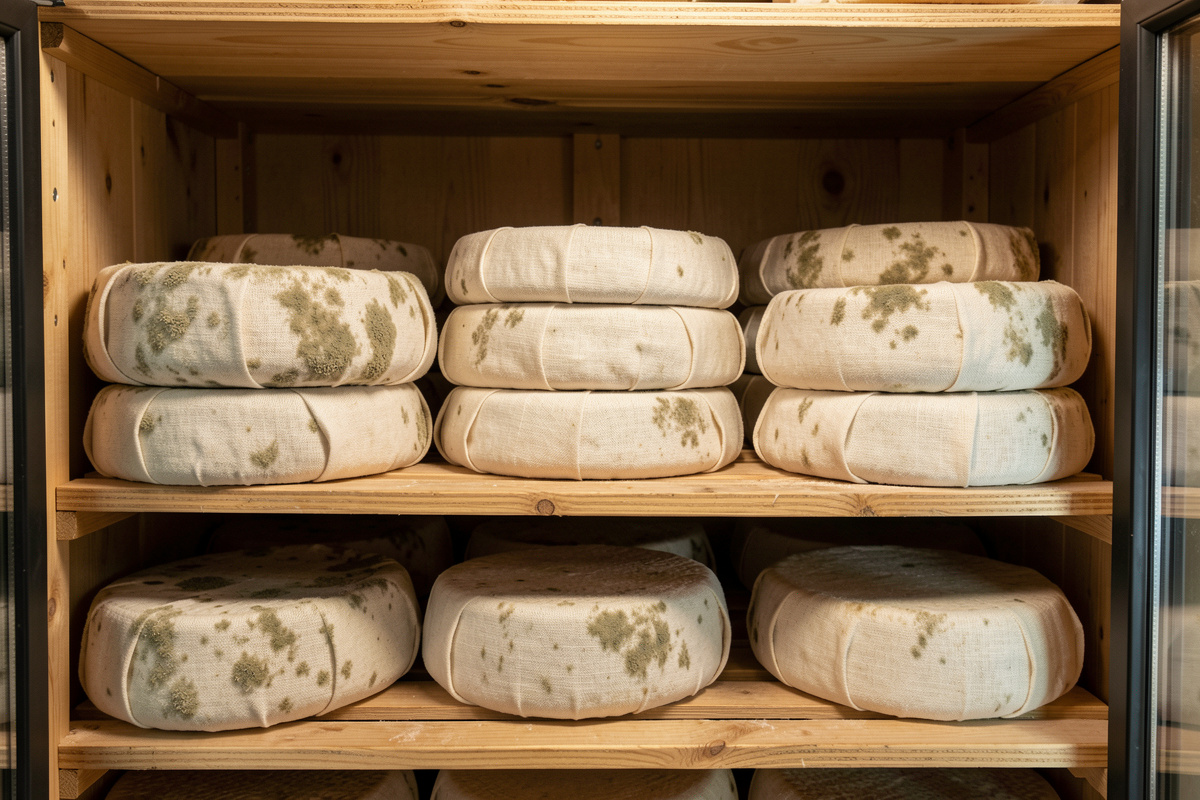
Bandaged cheddar — the traditional clothbound method — means wrapping a pressed wheel in lard-rubbed muslin and aging it at 11–13 °C and 80–85% RH for six to eighteen months, letting it breathe and lose 10–15% of its weight through the cloth. That weight loss, logged wheel by wheel, is what turns a mild young cheddar […]

Read 8 min read
Aging Cheddar and Hard Cheese at Home
Cheese Aging

Aging Cheddar and Hard Cheese at Home

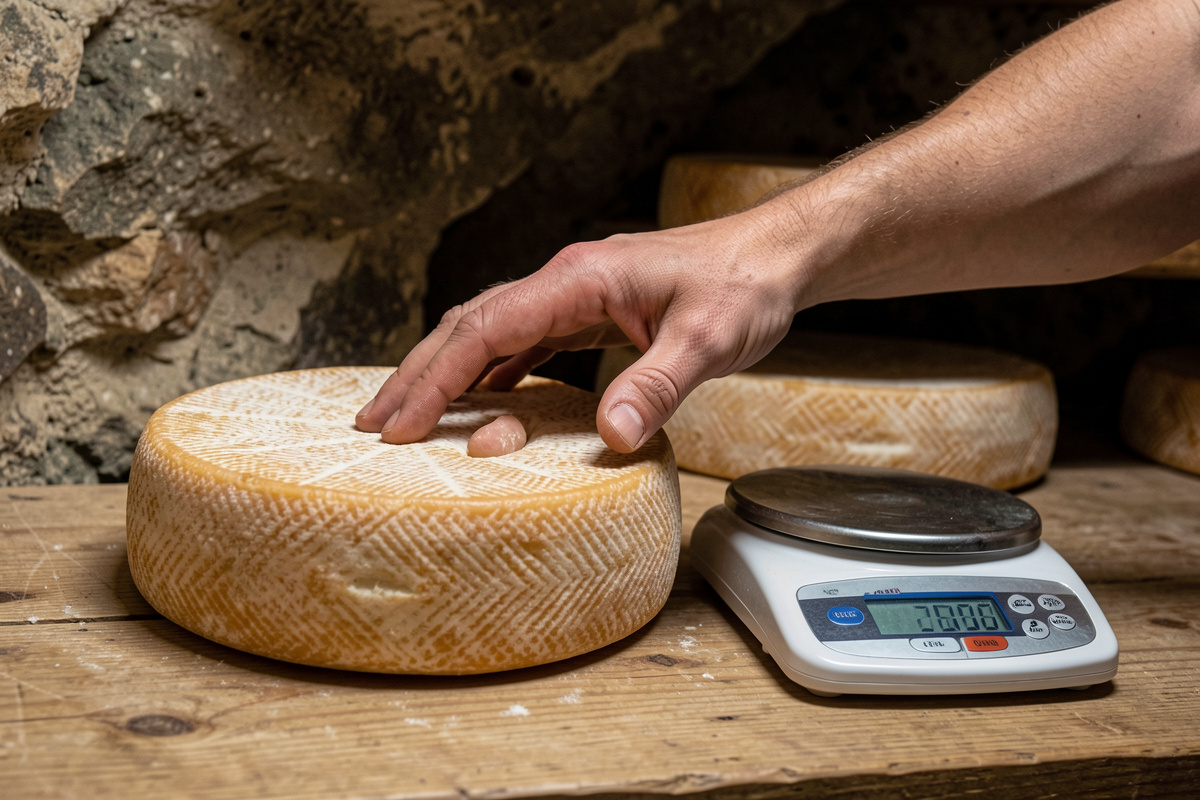
Aging cheddar and hard cheese at home comes down to holding the wheel at roughly 10–13 °C (50–55 °F) and 80–85% relative humidity for two to twelve months, then reading the weight log to know when it is done. Across the wheels I have aged in my converted-fridge chamber, a bandaged cheddar that drops 10–13% of its […]

Read 8 min read
Cheese Mites on Aged Cheese: Control and Removal
Cheese Aging

Cheese Mites on Aged Cheese: Control and Removal

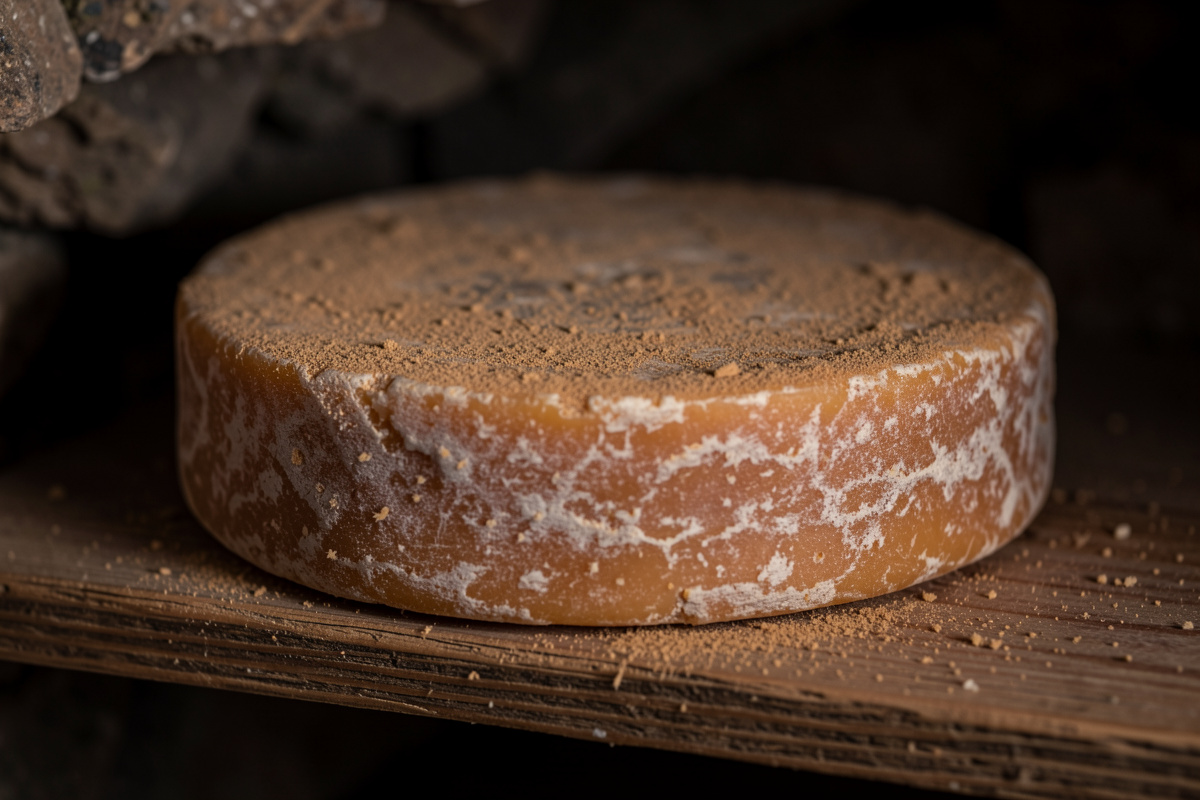
Cheese mites are tiny dust-mite relatives that live on cheese rinds and leave a fine, tan-brown powder that looks like cinnamon dust. They are common in any aging space, mostly harmless to the cheese itself, and controlled by brushing, wiping, cold, and good chamber hygiene rather than panic. I’ve dealt with them across the chambers […]

Read 7 min read
When Is Aged Cheese Ready? How to Tell
Cheese Aging

When Is Aged Cheese Ready? How to Tell

Aged cheese is ready when it has lost the right amount of weight, feels firm to the press, and tastes the way you want it — not when a calendar date arrives. The most reliable single signal is weight loss: most hard aging cheeses are ready around 30–40% loss from their fresh weight, the same […]

Read 8 min read
Cheese Aging Temperature and Humidity Chart by Type
Cheese Aging

Cheese Aging Temperature and Humidity Chart by Type

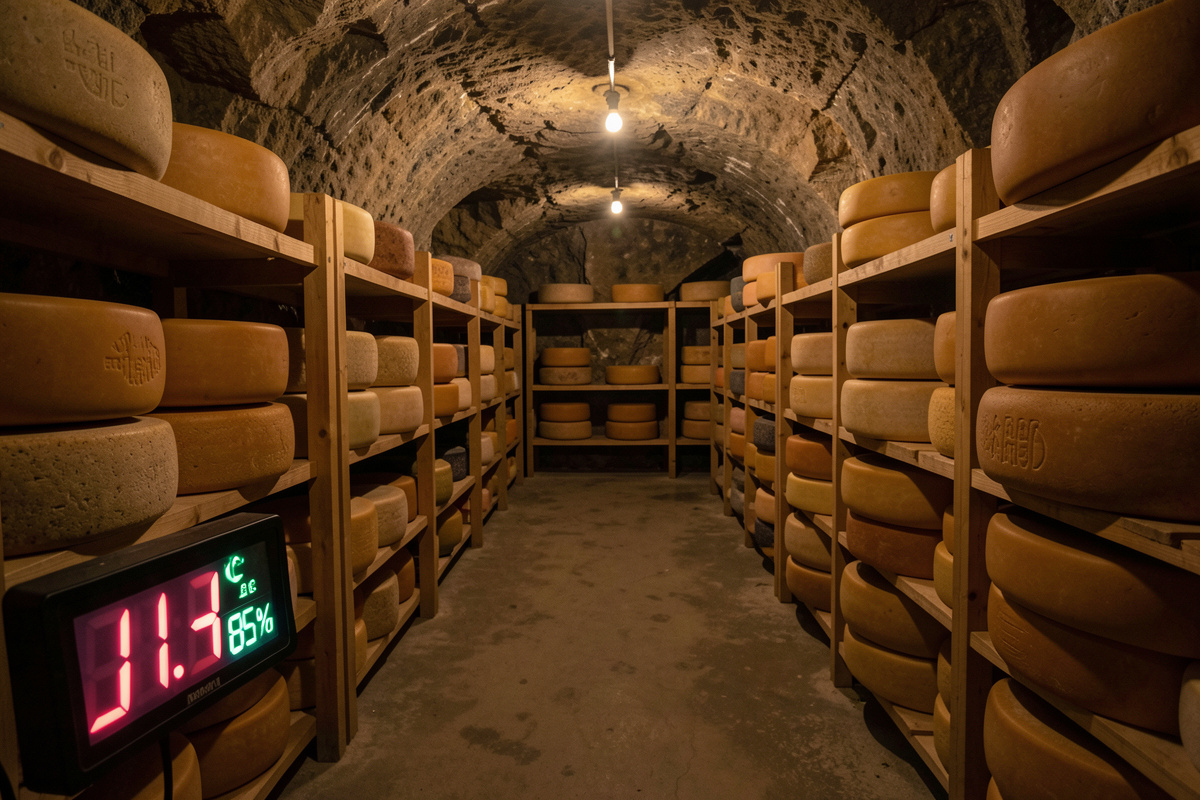
Most aging cheeses want roughly 10–13 °C and 80–90% relative humidity, but the right numbers shift by type: hard alpine wheels take the warmer, drier end, bloomy and washed-rind cheeses the cooler, damper end, and blues sit in the middle with high humidity. Dial the chamber to the cheese rather than to a single average, and […]

Read 7 min read
Best Cheeses to Age in 3 Months or Less
Cheese Aging

Best Cheeses to Age in 3 Months or Less

If you want aged cheese in three months or less, the trick is choosing cheeses that improve quickly rather than ones that need a year. Young Goudas, quick cheddars, Caerphilly, tomme-style wheels, and feta all reward a short age — they sharpen, firm up, and gain character on a timeline a impatient beginner can actually […]

Read 6 min read
Natural Rind vs Waxed vs Vacuum: Cheese Aging Methods
Cheese Aging

Natural Rind vs Waxed vs Vacuum: Cheese Aging Methods

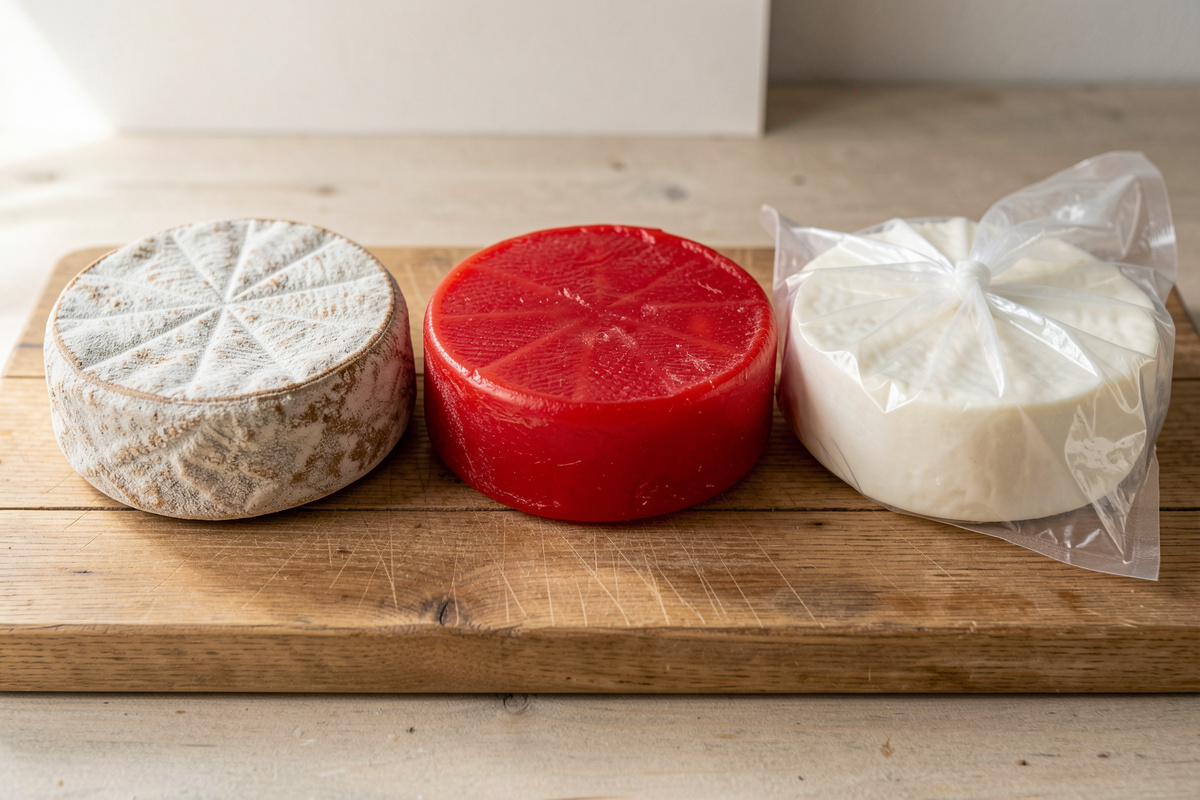
The three ways to protect an aging cheese — a natural mold rind, a wax coating, or a vacuum bag — trade flavor against effort. A natural rind gives the most complex cheese but demands a humidity-controlled cave; waxing is the middle path that locks in moisture with a little work; vacuum sealing is the […]

Read 7 min read
Vacuum Sealing Cheese for Aging: How and How Long
Cheese Aging

Vacuum Sealing Cheese for Aging: How and How Long

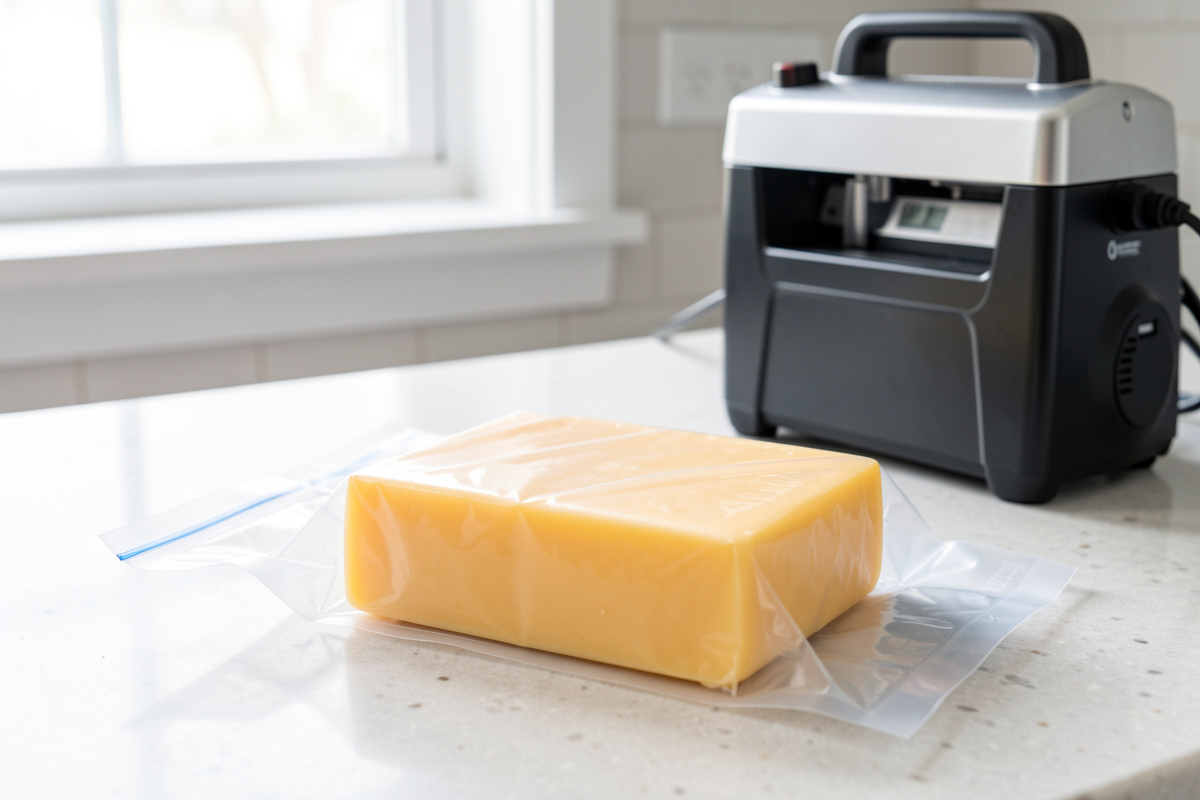
Vacuum sealing is the simplest way to age hard cheese without a humidity-controlled cave: you seal the wheel in a barrier bag, pull the air out, and let it ripen in an ordinary fridge at 3–8 °C for one to twelve months. The bag holds the cheese’s own moisture against the surface, so there is no […]

Read 7 min read
Cheese Cave From a Mini Fridge: Full Conversion Guide
Cheese Aging

Cheese Cave From a Mini Fridge: Full Conversion Guide

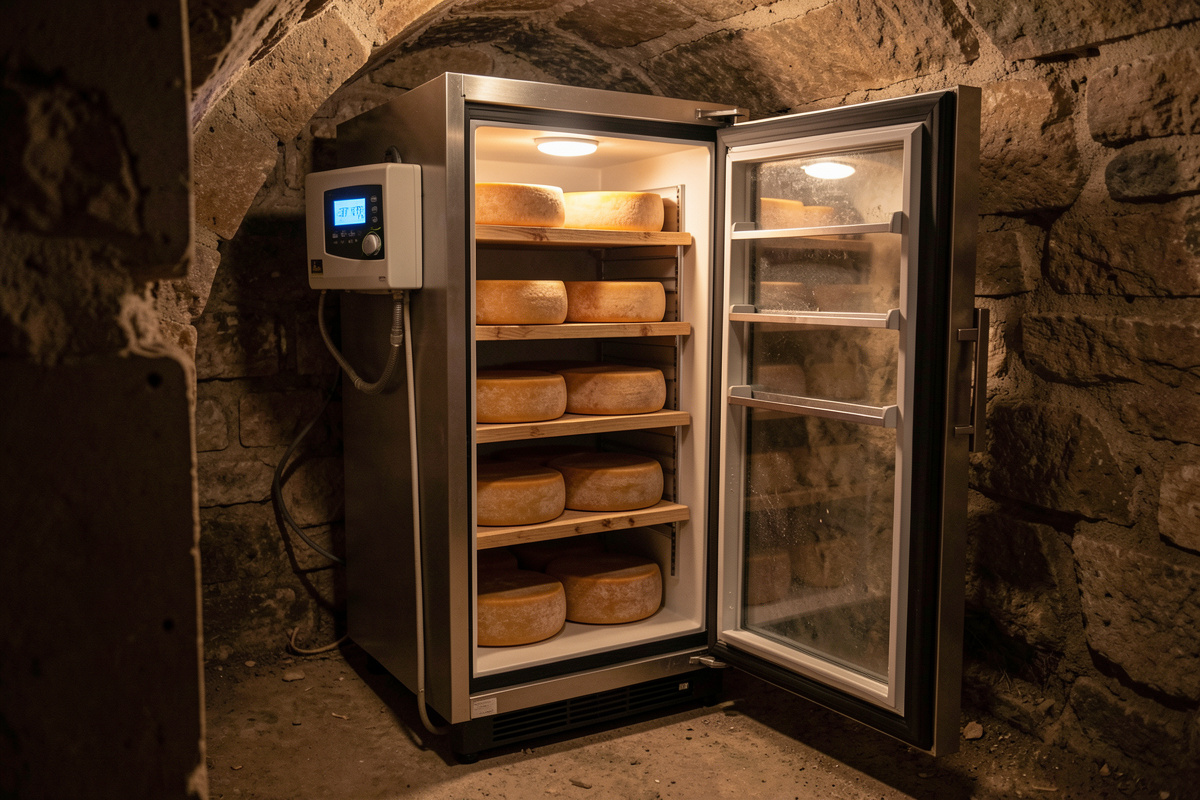
A cheese cave is simply a small fridge held at 10–13 °C and 80–90% relative humidity instead of the 4 °C and bone-dry air a kitchen fridge runs. Convert a mini fridge with a dual-stage temperature controller, a humidity source, and a hygrometer, and you have a working aging chamber for under the cost of a single […]

Read 7 min read
Home Cheese Aging: The Complete Guide
Cheese Aging

Home Cheese Aging: The Complete Guide

Aging cheese at home means holding a small chamber at 50-55°F and 85% relative humidity for weeks to years while the rind develops, the moisture profile evens out, and the proteolytic and lipolytic enzymes break the cheese down into the flavors you actually paid for. As an Amazon Associate I earn from qualifying purchases. A […]

Read 15 min read
How to Wax Cheese for Aging: Cheddar, Gouda, Gruyere
Cheese Aging

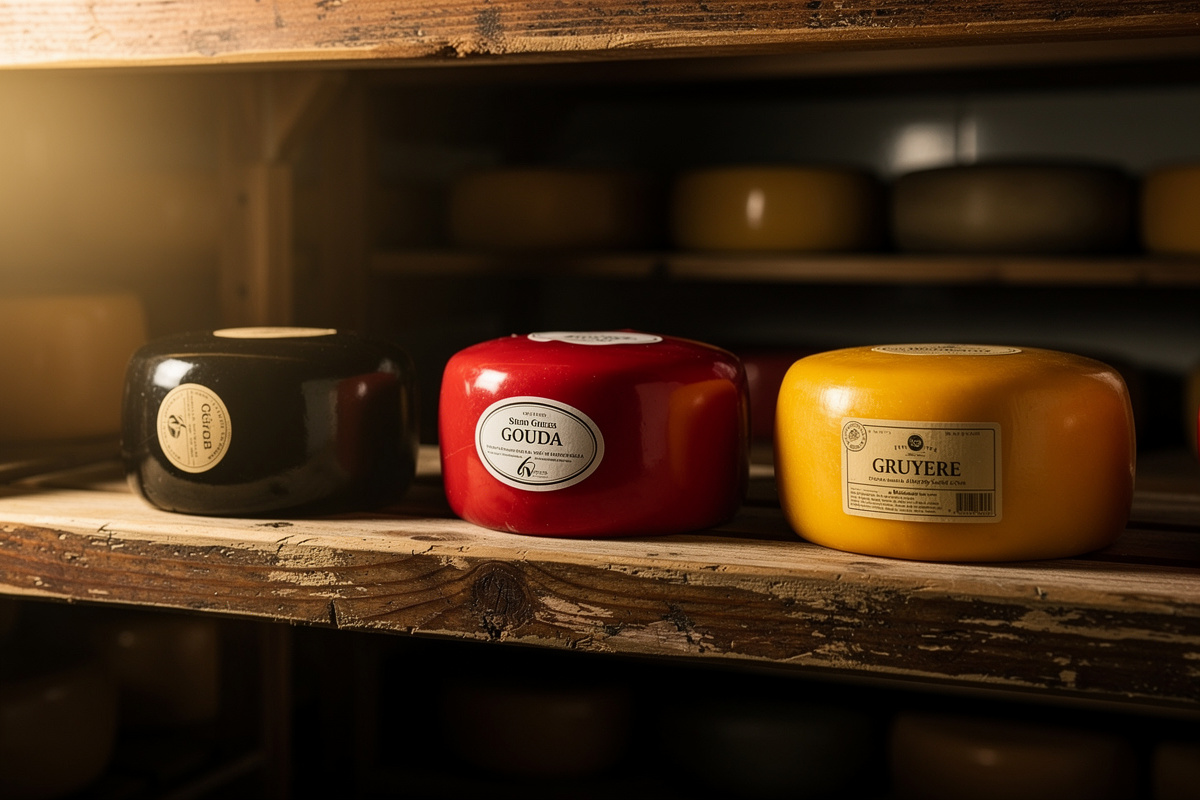
How to Wax Cheese for Aging: Cheddar, Gouda, Gruyere

I keep a 1-pound block of red cheese wax from Hoegger and a dedicated $14 stainless saucepan reserved exclusively for waxing — never for cooking — on the same shelf as my chamber. The pot heats to 220°F on the back burner of my induction range, and a 5-pound cheddar wheel takes me about 12 […]

Read 10 min read