All Guides

Guides

Every technical article, build log, and curing walkthrough — organized for reference.

Milk Powder or Soy in Sausage? Binders Explained
Spice, Seasoning & Binders

Milk Powder or Soy in Sausage? Binders Explained

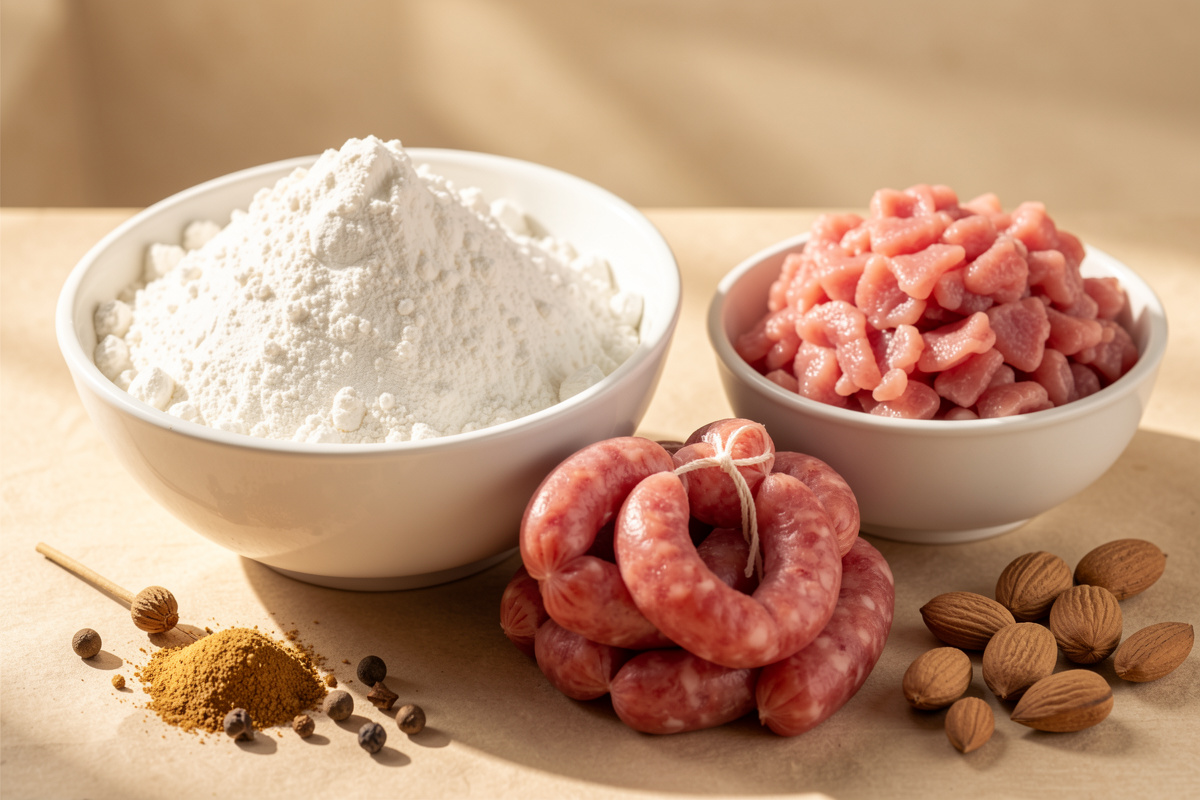
Add milk powder or soy to fresh and cooked sausage where you want it to hold water and fat and stay juicy — usually 1 to 2% of the meat weight. Leave it out of dry-cured and fermented salami, where the whole point is to lose water and a binder works against you. The rule […]
Read 10 min read
How to Make Bologna at Home: Fine-Grind Cooked Sausage
Fresh & Cooked Sausage

How to Make Bologna at Home: Fine-Grind Cooked Sausage

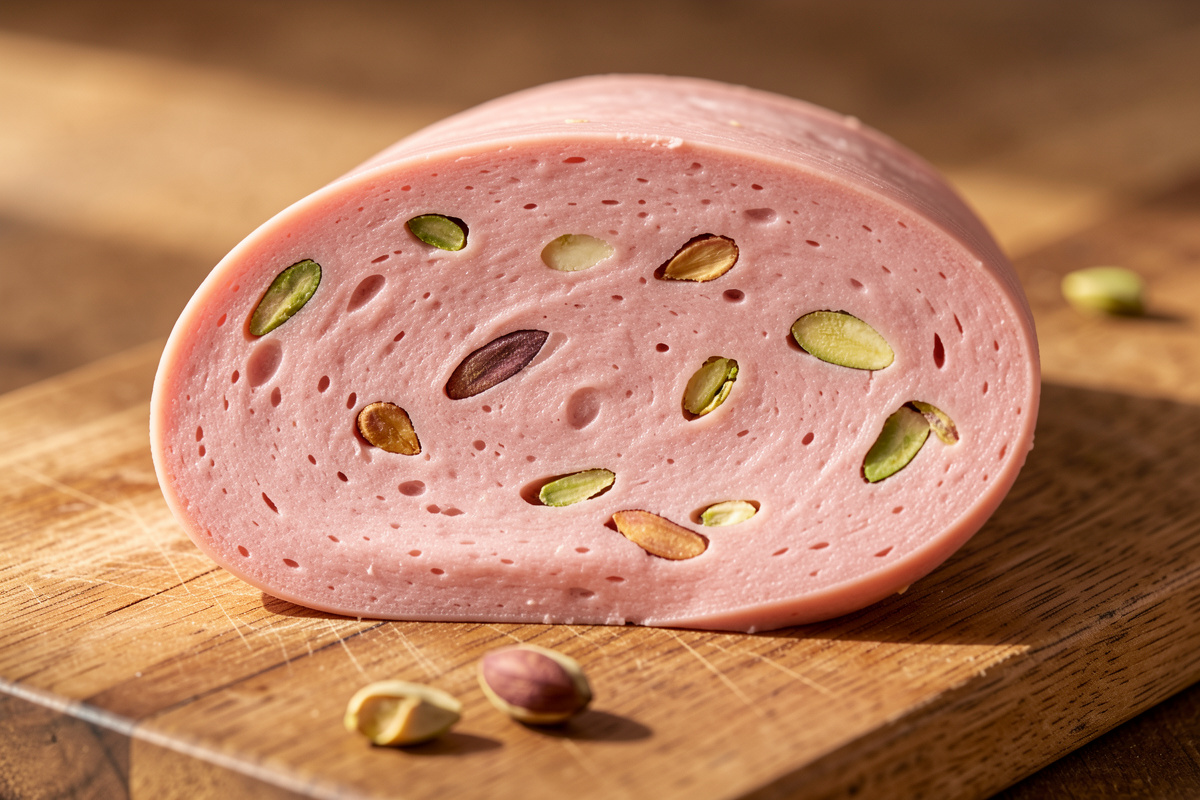
To make bologna at home you build the same fine beef emulsion as a frankfurter — beef or beef-and-pork, about 30% fat, salted near 2% and bound with ice water — then scale it up: stuffed into a beef round or bung, or shaped as a loaf, smoked warm, and cooked to a 155 °F (68 °C) […]

Read 10 min read
Curing Fish Roe: Making Bottarga From Mullet or Tuna
Curing & Preserving Fish

Curing Fish Roe: Making Bottarga From Mullet or Tuna

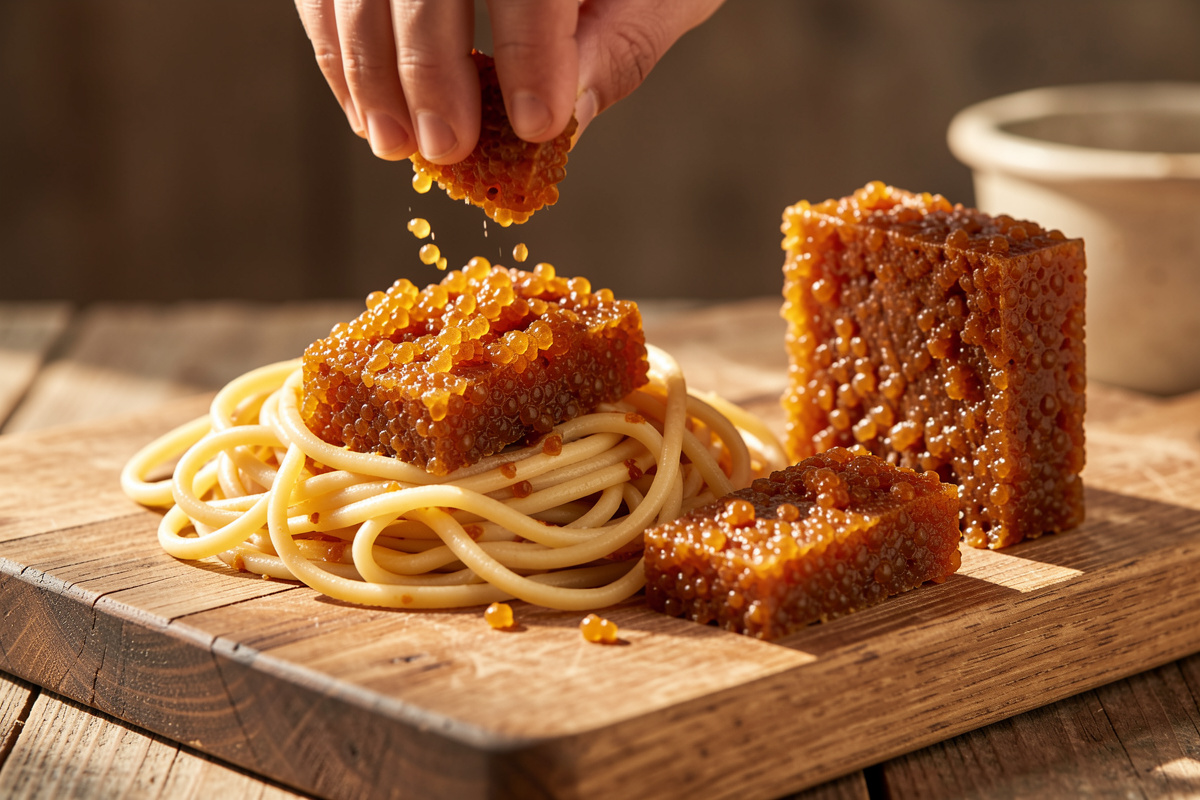
To make bottarga, you salt-cure whole intact fish roe sacs — grey mullet or tuna — for several days, press them gently under weight, then air-dry them in a cool, humid space for one to three weeks until firm and amber. The sac loses around half its weight and becomes dense enough to grate over […]

Read 6 min read
Why Is My ‘Nduja Greasy Instead of Spreadable? Fixing the Fat
Salami & Fermented Sausage

Why Is My ‘Nduja Greasy Instead of Spreadable? Fixing the Fat

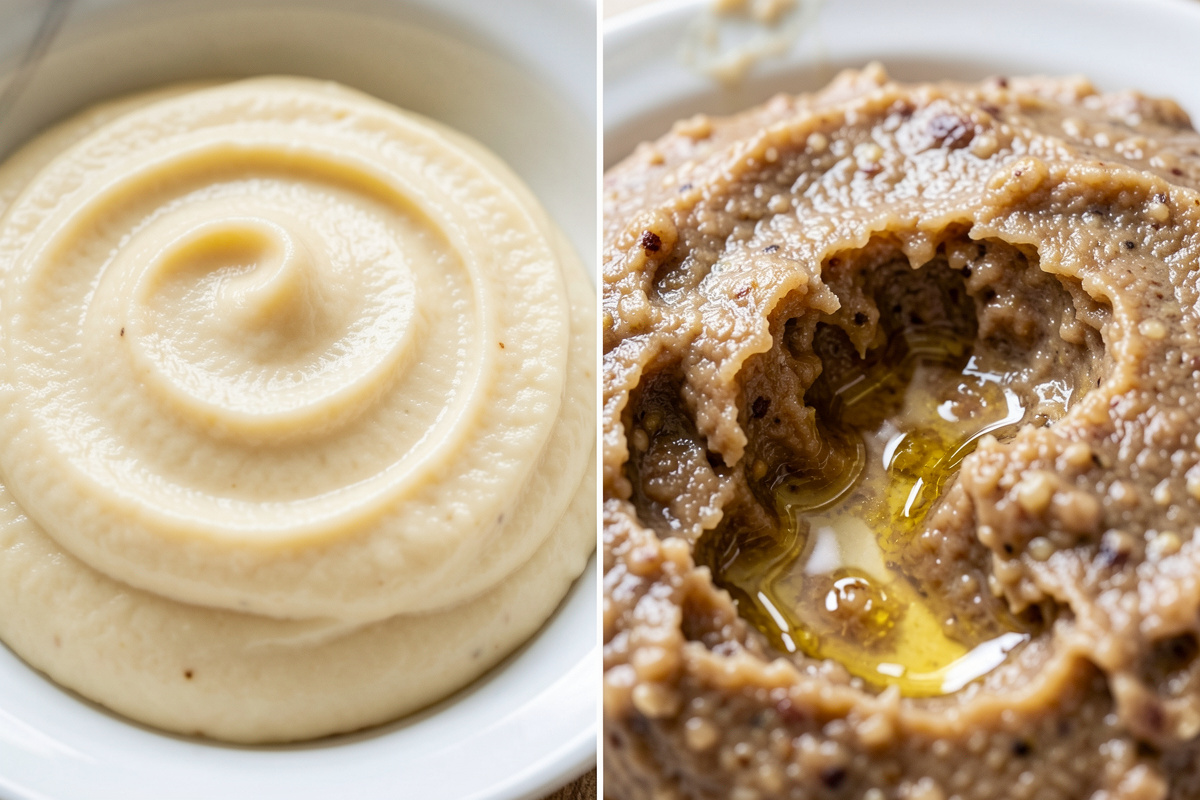
Greasy ‘nduja means the fat smeared and the emulsion broke — almost always because the meat, fat, or tools got too warm during grinding and mixing, or the chamber ran too warm and rendered fat out of the sausage. The fix is temperature discipline: keep everything near freezing, chill your grinder plates, work fast, and […]

Read 8 min read
How to Build a Meat Emulsion That Doesn’t Break
Fresh & Cooked Sausage

How to Build a Meat Emulsion That Doesn’t Break

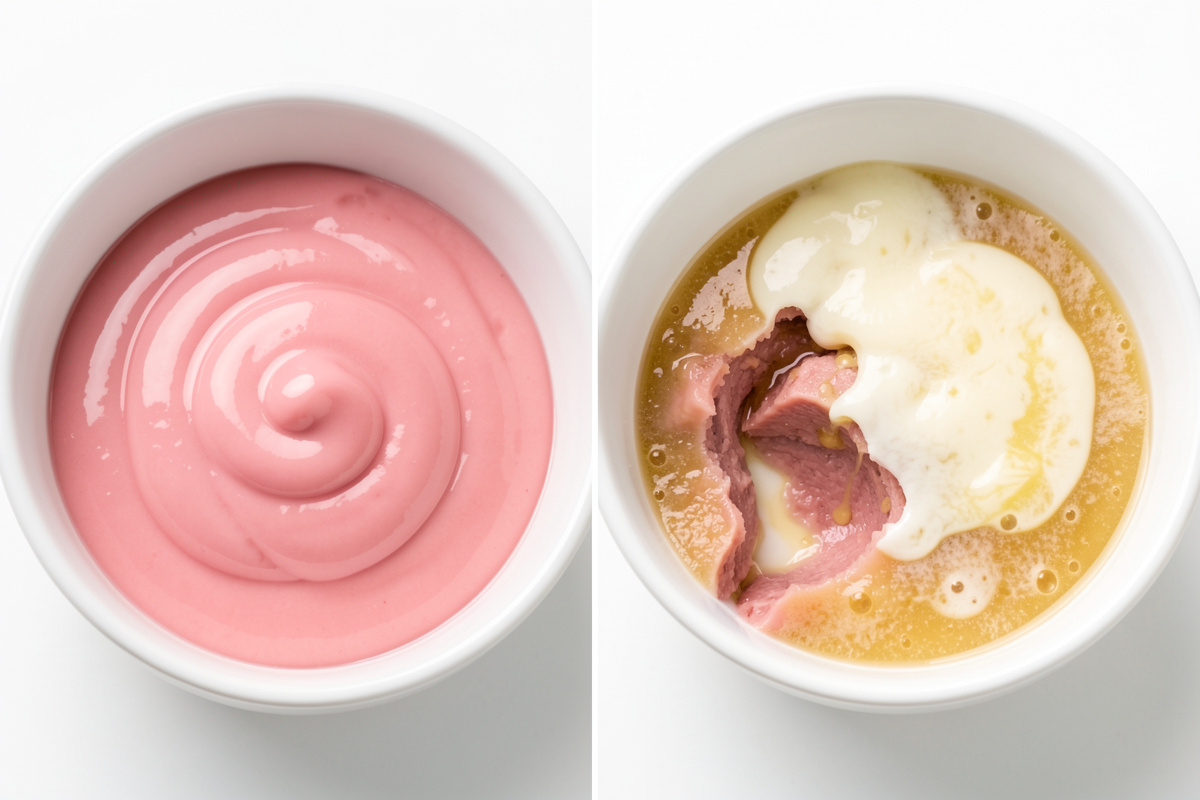
A meat emulsion breaks when the fat melts out of its protein cage — usually because the paste got warmer than about 60 °F (15.6 °C) during cutting — and the reliable fix is prevention, not rescue: keep lean and fat at 40 °F (4 °C) going in, build the primary bind before any fat touches it, and cut […]

Read 10 min read
Dextrose vs Sugar in Cured Sausage: Feed the Ferment
Spice, Seasoning & Binders

Dextrose vs Sugar in Cured Sausage: Feed the Ferment

Dextrose is the standard sugar for fermented salami because it is a simple sugar the lactic acid bacteria metabolize fast and completely, giving a clean, predictable pH drop. Table sugar (sucrose) works, but more slowly and less completely, so the fermentation is harder to control. Use roughly 3 to 10 grams of dextrose per kilogram […]

Read 10 min read
How to Make Salt Cod (Bacalao) at Home: Salting and Drying
Curing & Preserving Fish

How to Make Salt Cod (Bacalao) at Home: Salting and Drying

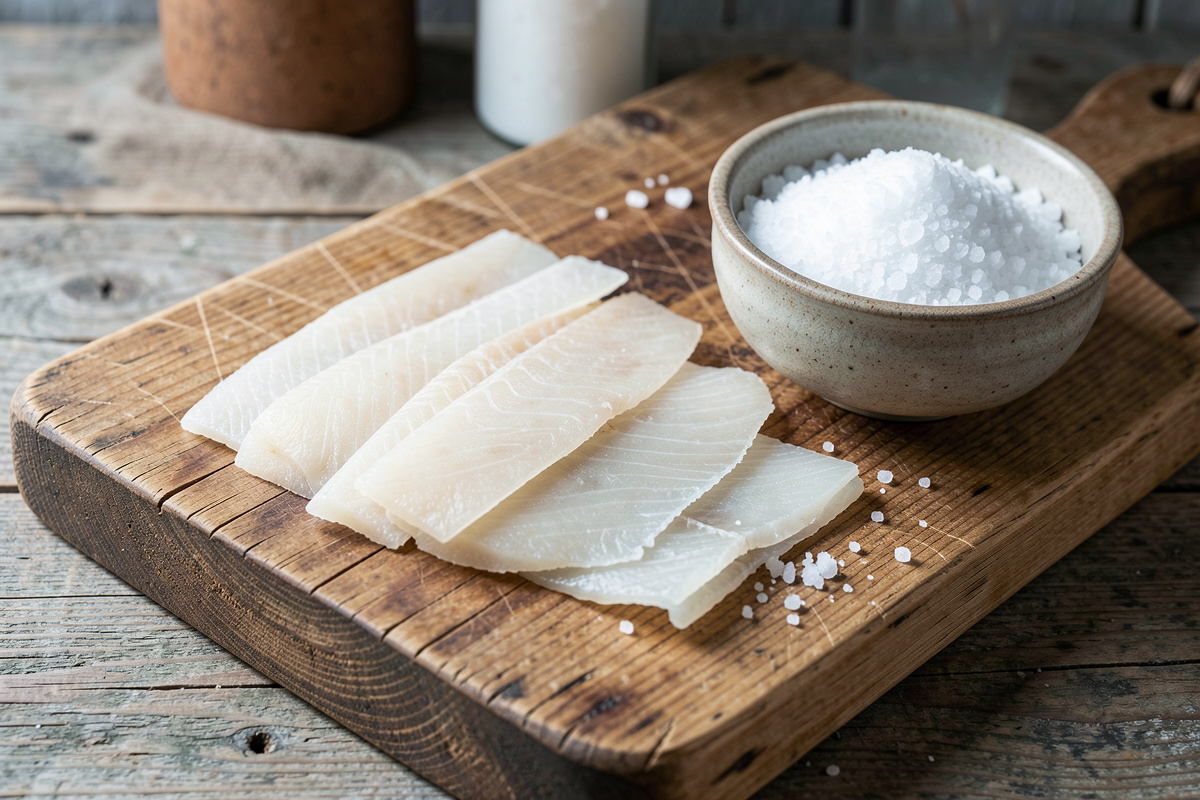
To make salt cod at home, you heavily salt lean white fish in a salt-box cure for several days to draw out water, then dry it in a cool, airy place until it’s stiff and pale — a total weight loss of 50% or more. The salt and the drying together drop the water activity […]

Read 6 min read
Best Fat for Lardo: Back Fat Thickness and Where to Source It
Curing Fat: Lardo, Salo & Fatback

Best Fat for Lardo: Back Fat Thickness and Where to Source It

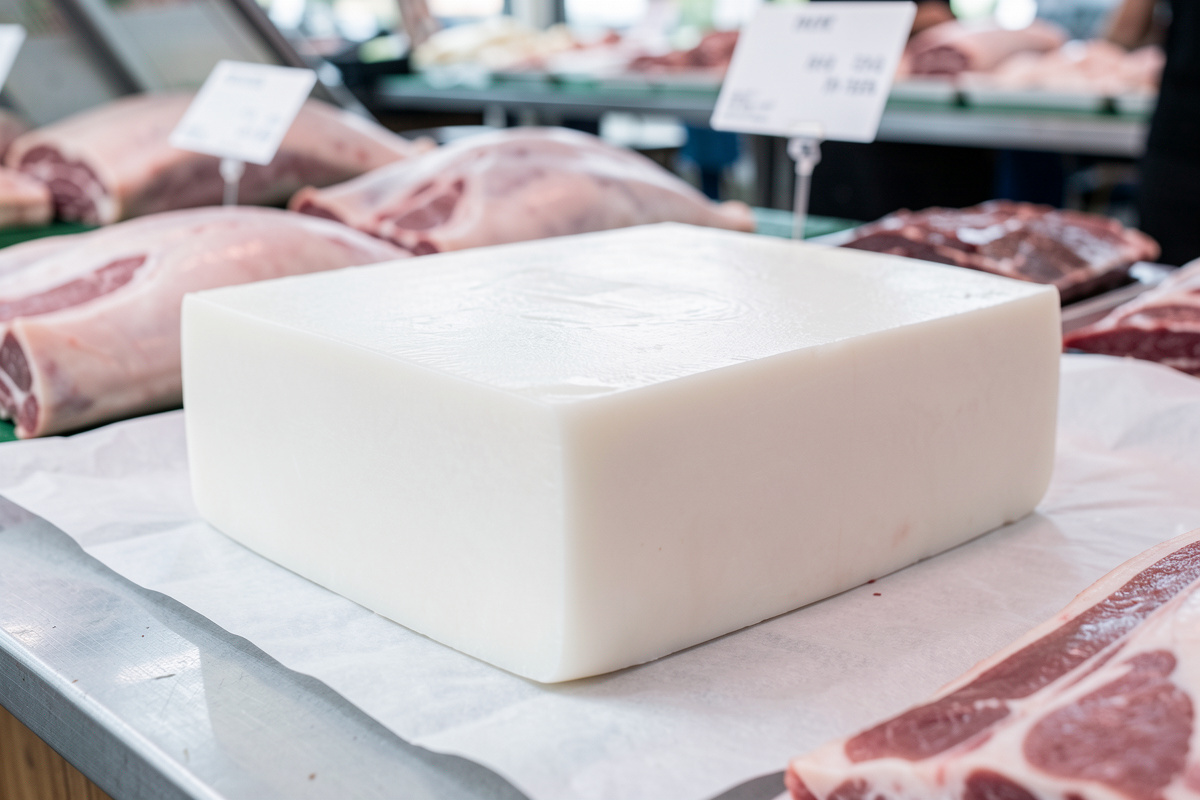
The best fat for lardo is firm pork back fat at least one inch thick — and thicker is better. The dense, hard fat off the shoulder end of the back holds together through a months-long cure, where soft belly fat and thin trim turn greasy and fall apart. Get the cut right and lardo […]

Read 7 min read
Wine in Salami: How Much, Red vs White, What It Does
Spice, Seasoning & Binders

Wine in Salami: How Much, Red vs White, What It Does

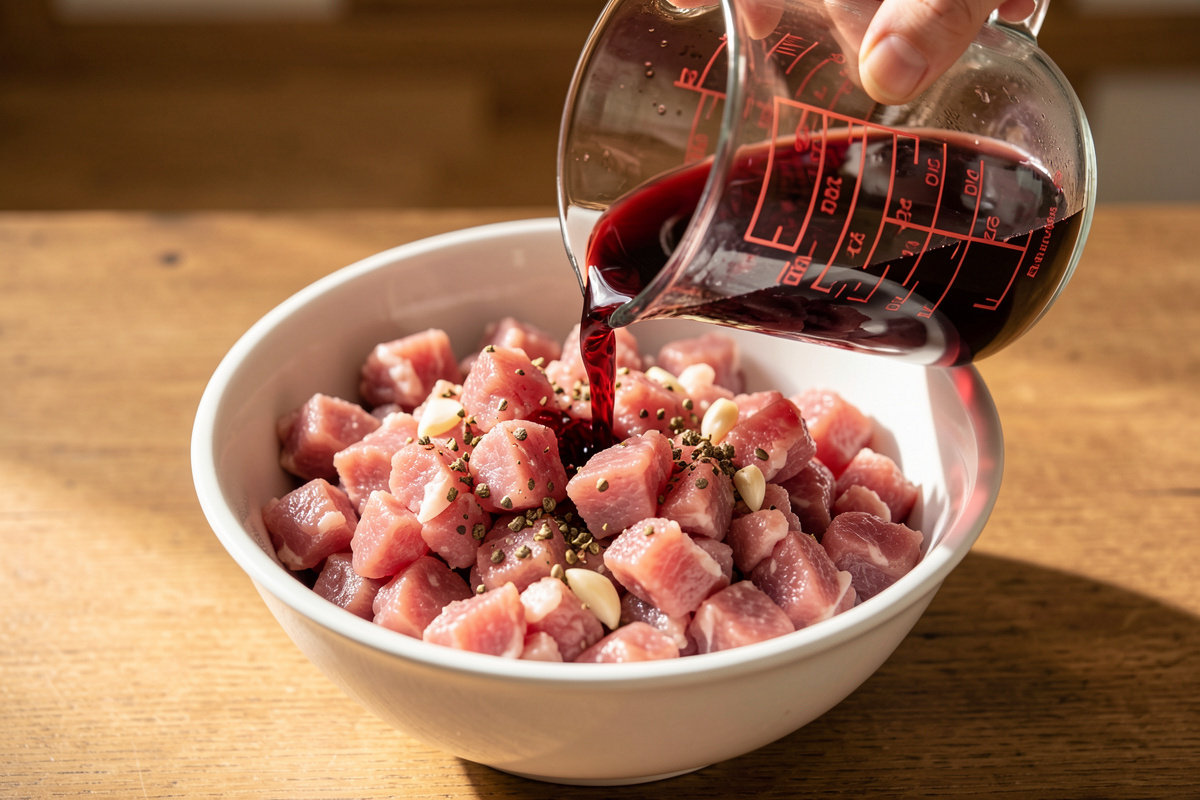
Use 30 to 50 ml of wine per kilogram of meat in salami — roughly 3 to 5% of the green weight. That is enough to add real flavor and a touch of supporting acidity without slowing your drying or diluting the mince. Chill it first, and treat it as a flavor and moisture ingredient, […]

Read 9 min read
How to Price Homemade Charcuterie Without Underselling
Selling & Cottage Food

How to Price Homemade Charcuterie Without Underselling

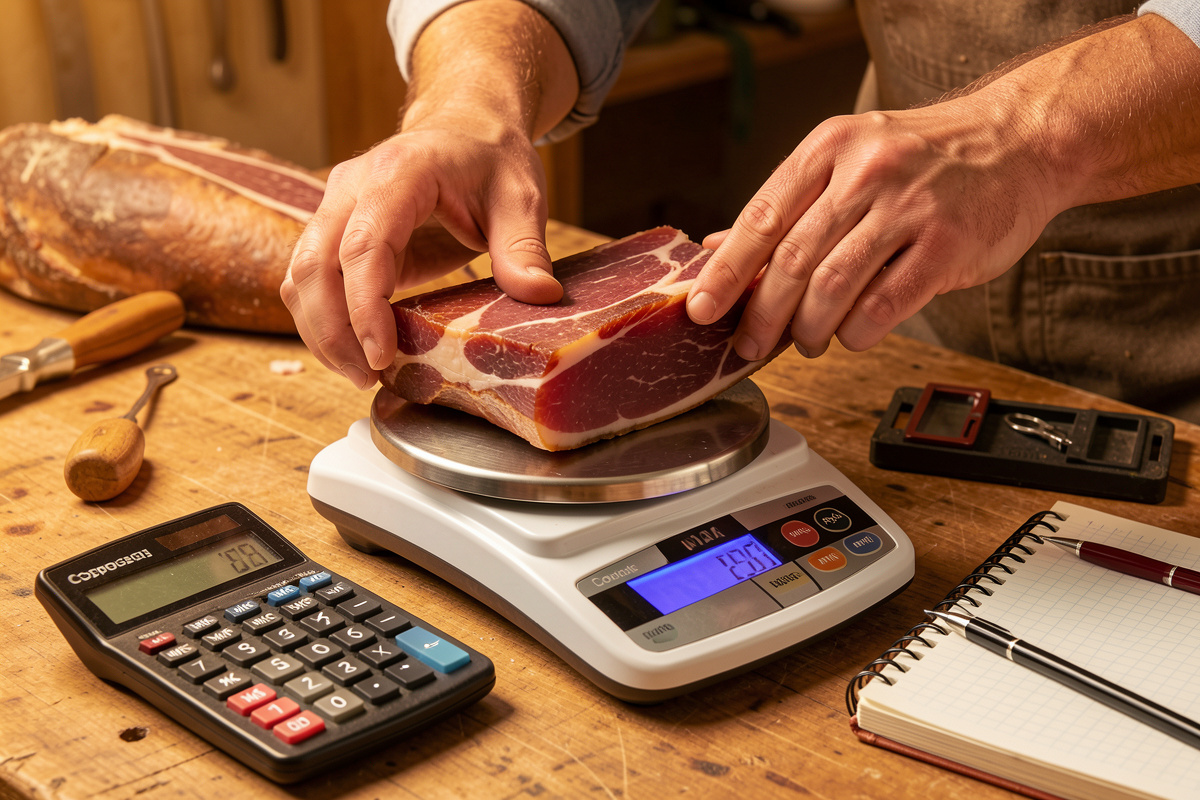
Price homemade charcuterie on the time and the weight loss, not the cheap starting meat. A pork shoulder is inexpensive, but by the time it becomes coppa it has spent three to four months in the chamber and shed 35% of its weight — so a kilo of fresh muscle yields only about 650 grams […]

Read 7 min read
Toasting and Grinding Spices for Charcuterie
Spice, Seasoning & Binders

Toasting and Grinding Spices for Charcuterie

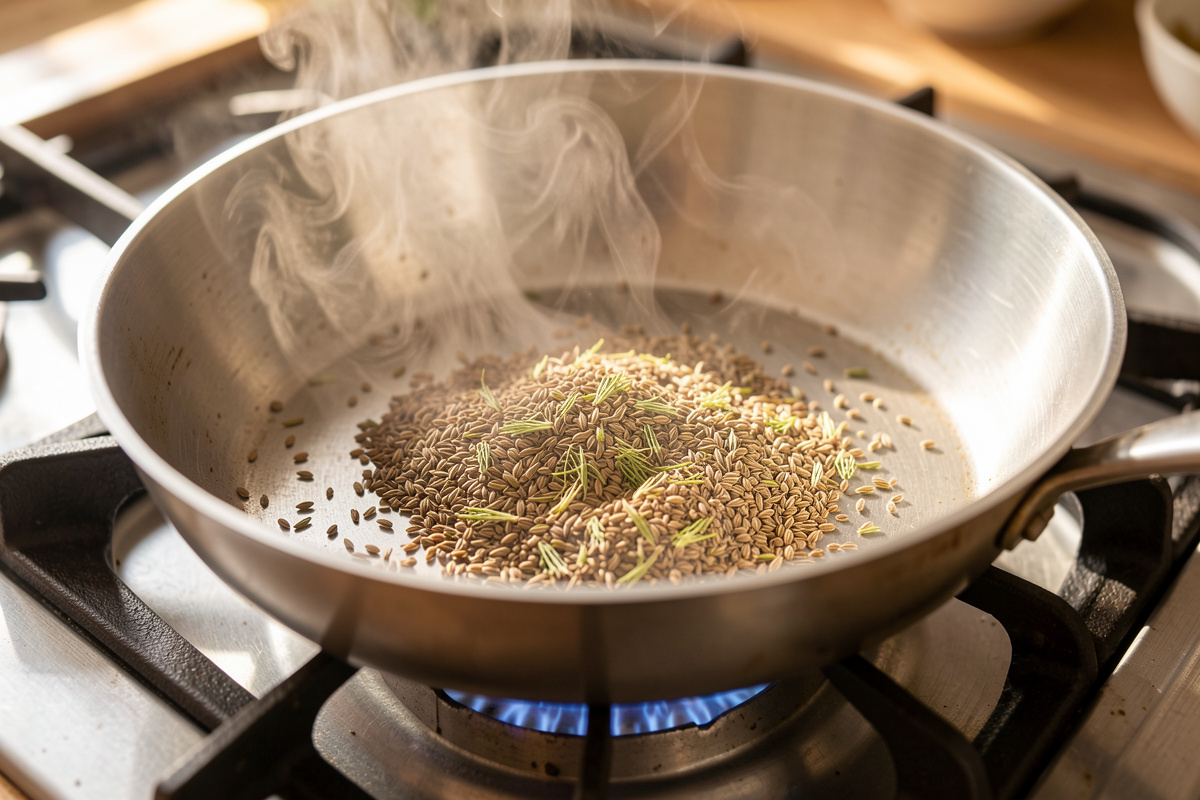
Toasting whole spices for 30 to 90 seconds in a dry pan before grinding roughly doubles their aromatic punch per gram — and freshly ground beats pre-ground on every axis that matters: aroma, flavor depth, and shelf life. Pre-ground spice starts losing its volatile oils the moment it is milled, so a jar sitting open […]

Read 9 min read
Multi-Zone Curing Setup: Ferment and Dry at Once
Building a Curing Chamber

Multi-Zone Curing Setup: Ferment and Dry at Once

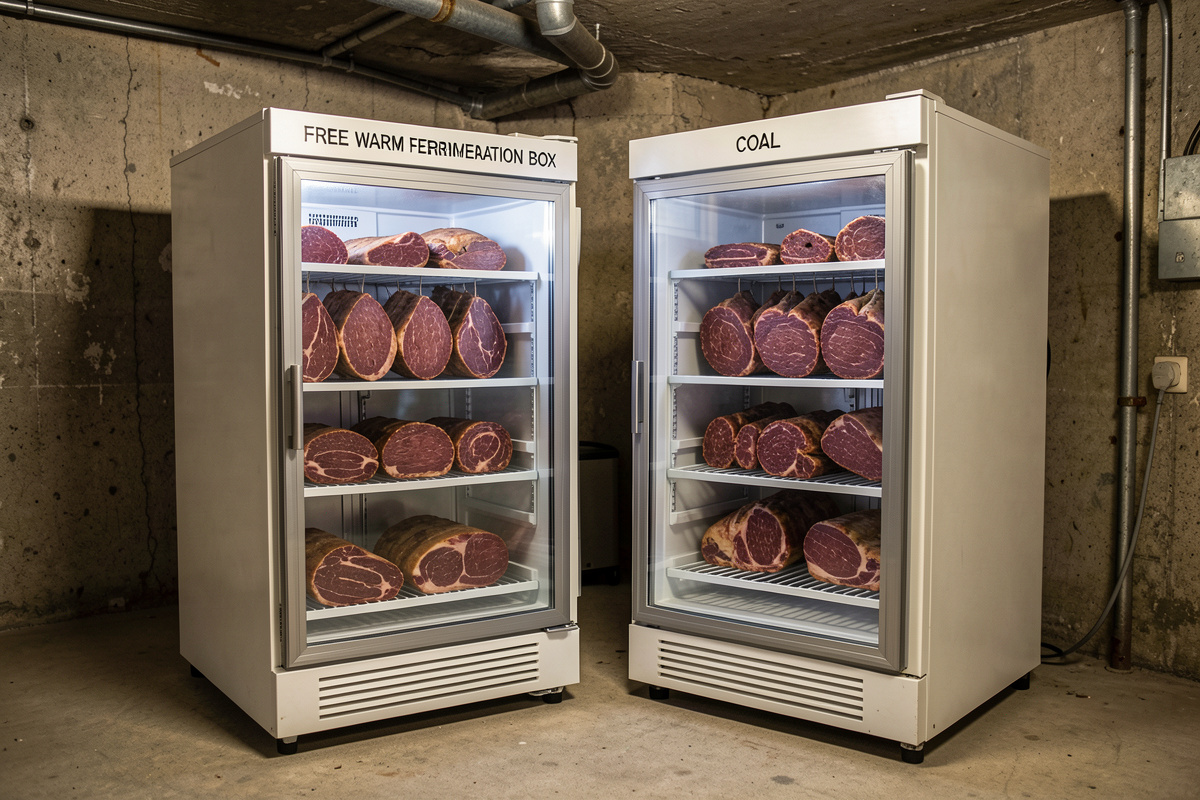
A multi-zone curing setup runs two different climates at once so you can ferment and dry at the same time: a warm, humid zone around 20–24 °C and 90% RH for the fermentation phase, and a cool, drier zone at 12–15 °C and 75–80% RH for the long dry. The single hardest thing in home […]

Read 8 min read