Category

Whole Muscle Charcuterie

Prosciutto Salt Coverage Guide: The Salting Method
Whole Muscle Charcuterie

Prosciutto Salt Coverage Guide: The Salting Method

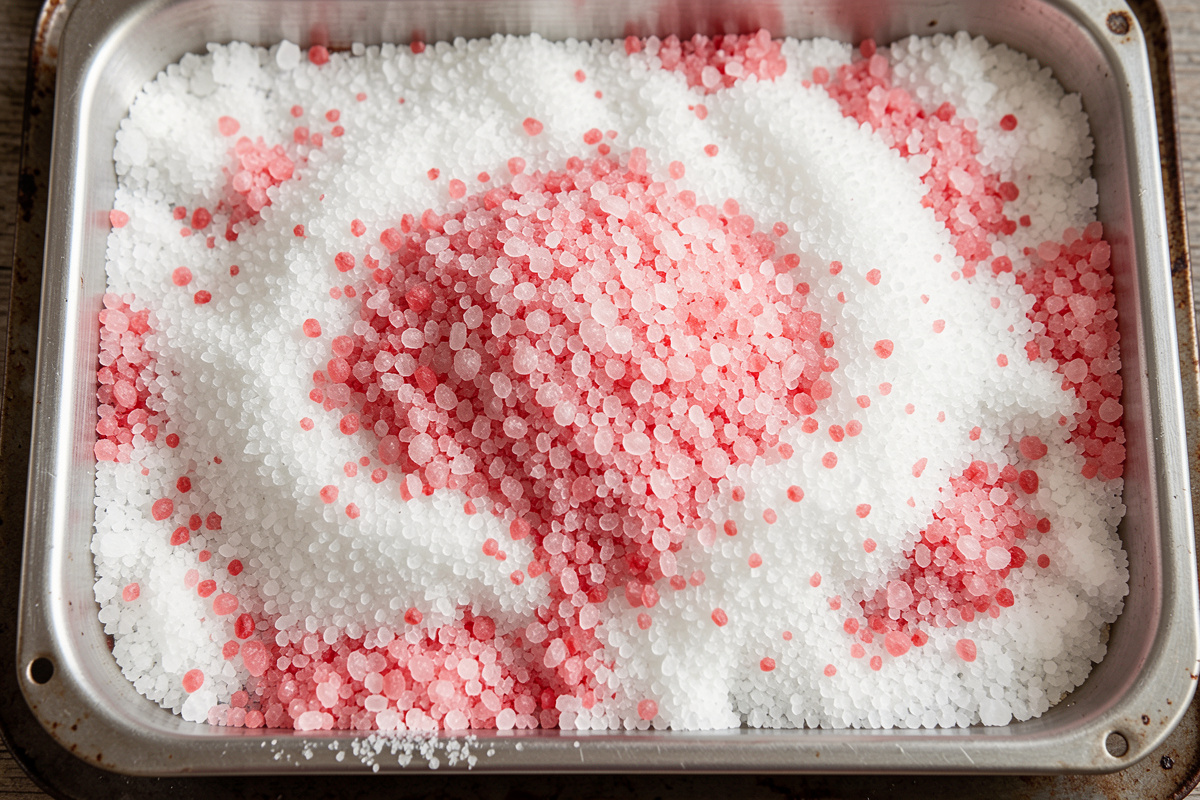
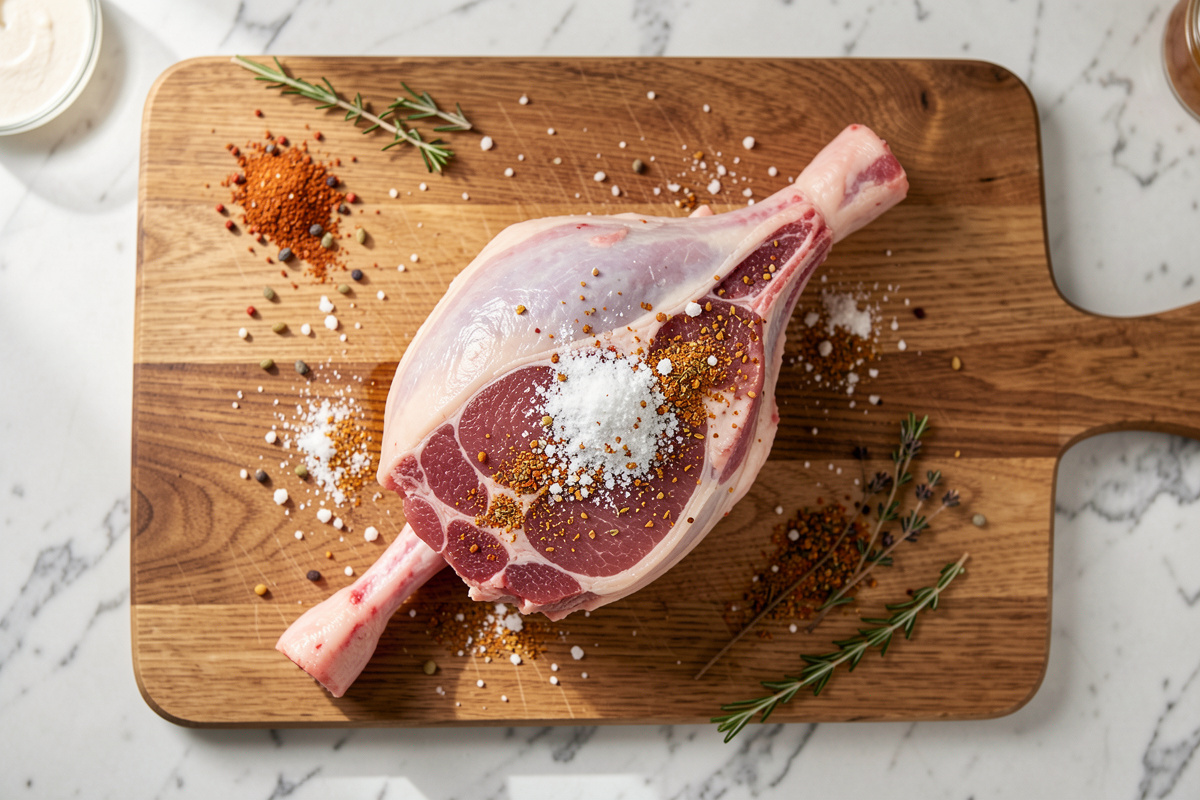
Salt coverage is the traditional way to cure a prosciutto: bury the leg in coarse salt mixed with cure #2, packing it hardest into the exposed muscle and the bone seams, and let the meat draw in what it needs over roughly one day per kilogram at 1 to 4°C. Coverage gives a firm, classic […]
Read 7 min read
Curing a Whole Ham at Home: Bone-In Method
Whole Muscle Charcuterie

Curing a Whole Ham at Home: Bone-In Method

Curing a whole ham at home means dry-curing an intact bone-in pork leg with salt and cure #2, salting it cold at 1 to 4°C for roughly a day per kilogram, equalising, then drying it at 12 to 15°C and 70 to 80% humidity for 12 to 18 months until it has shed at least […]

Read 6 min read
How to Make Prosciutto at Home: Step by Step
Whole Muscle Charcuterie

How to Make Prosciutto at Home: Step by Step

To make prosciutto at home, weigh a trimmed pork leg, apply 3% salt plus 0.25% cure #2, cold-cure it at 2 to 4°C until the cure is fully absorbed, then hang it in a 12 to 15°C chamber at 70 to 80% humidity until it has lost at least 30% of its starting weight. For […]

Read 7 min read
Prosciutto at Home: The Complete Guide
Whole Muscle Charcuterie

Prosciutto at Home: The Complete Guide

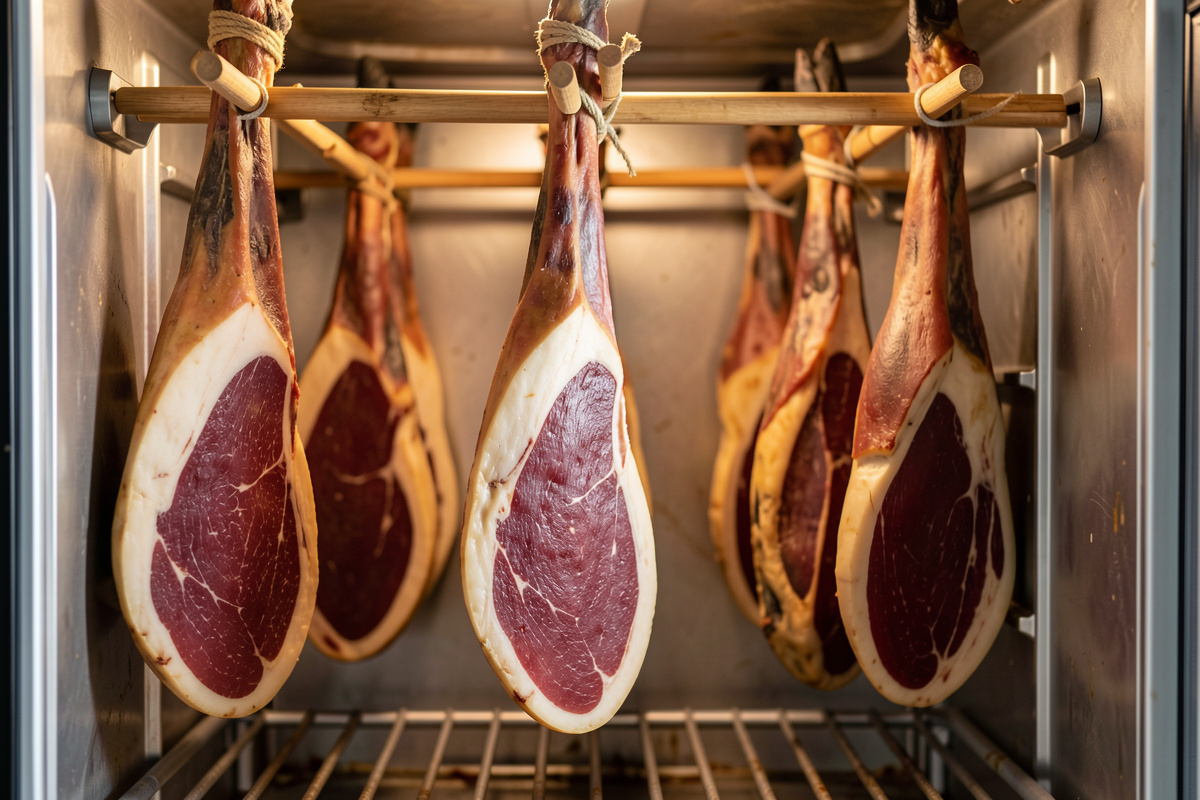
Making prosciutto at home means dry-curing a whole pork leg with salt, cure #2, cold, and patience until it loses at least 30% of its green weight and drops below a water activity of 0.91. Done right, a bone-in leg takes 12 to 18 months; a boned-and-rolled leg can finish in 5 to 9. There […]

Read 13 min read
How to Slice Charcuterie Paper-Thin Without a Slicer
Whole Muscle Charcuterie

How to Slice Charcuterie Paper-Thin Without a Slicer

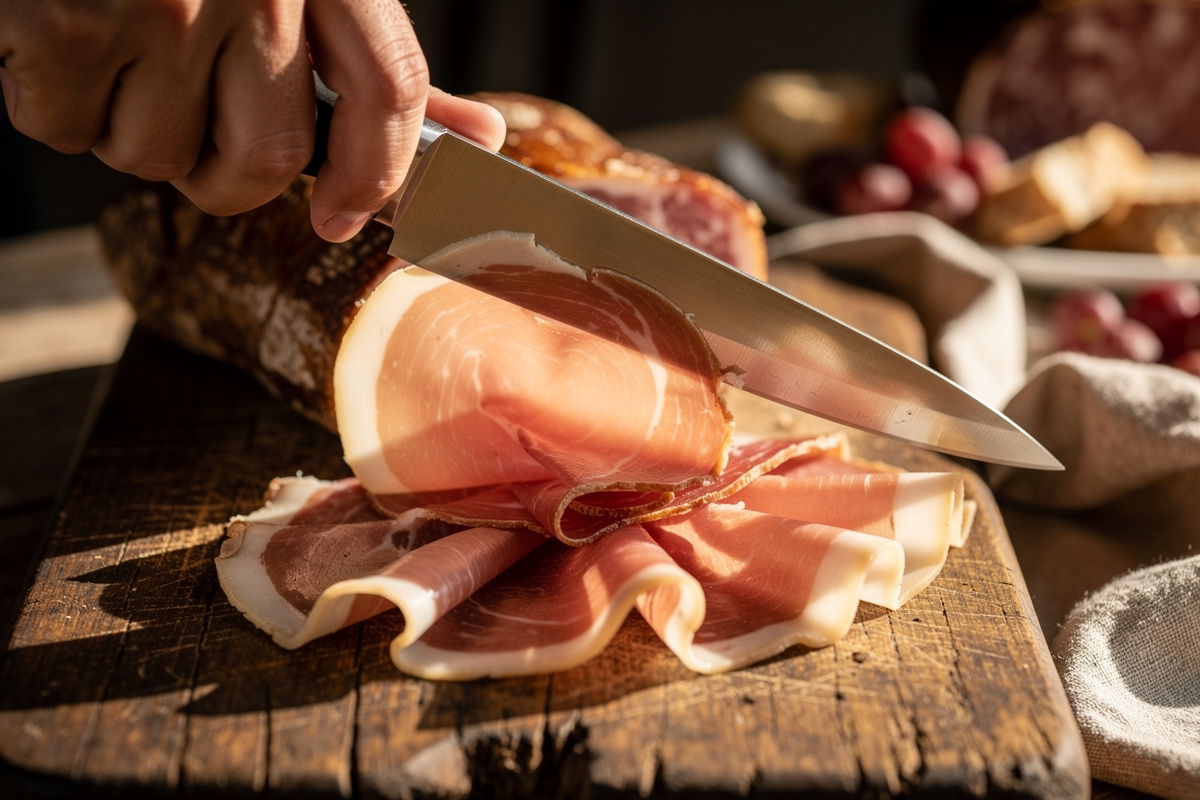
A coppa you waited three months for can be let down in thirty seconds by a bad knife and a warm board. Slicing is the last skill in whole-muscle charcuterie, and it matters more than people expect: cured meat eaten thick is dense and chewy, while the same piece sliced translucent melts on the tongue. […]

Read 8 min read
When Is Whole-Muscle Charcuterie Done? Weight vs Feel
Whole Muscle Charcuterie

When Is Whole-Muscle Charcuterie Done? Weight vs Feel

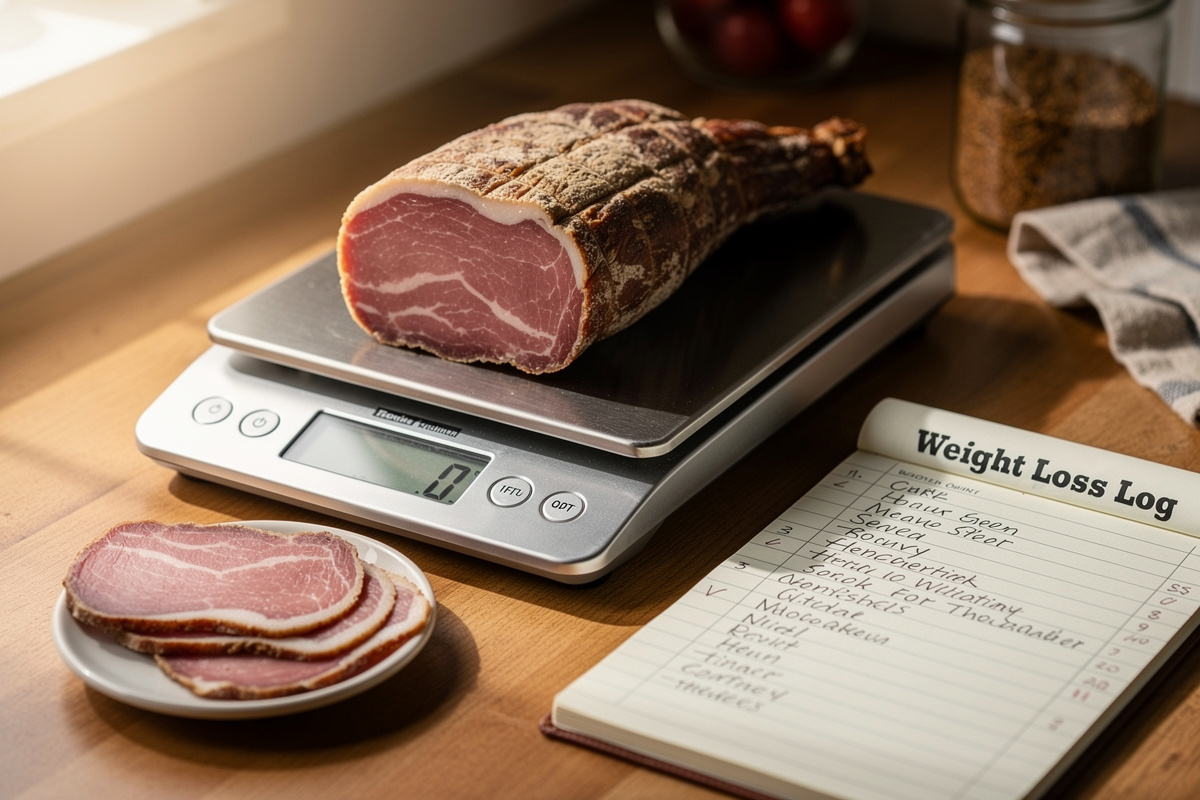
The single question that separates people who finish good charcuterie from people who ruin it is “is it done yet,” and there are only two ways to answer it: the scale and the squeeze. After years of logging every piece across the chambers I run, my answer is unambiguous, weight loss is the honest signal […]

Read 7 min read
Goose vs Duck Prosciutto: Scaling Up the Cure
Whole Muscle Charcuterie

Goose vs Duck Prosciutto: Scaling Up the Cure

Duck breast prosciutto is the famous beginner cure, the two-week project that hooks people on charcuterie, and for good reason. But once you have a few duck breasts under your belt the obvious next question is the goose: a bigger, fattier breast that promises more of everything. I have cured both across the chambers I […]

Read 8 min read
Lomo Embuchado: Spanish Cured Pork Loin
Whole Muscle Charcuterie

Lomo Embuchado: Spanish Cured Pork Loin

Lomo embuchado is cured pork loin, the Spanish whole-muscle cure, and it is the one I push beginners toward after they have done a pancetta. The loin is a single clean muscle, easy to source, evenly shaped, and the cure is simple: salt, the smoky-sweet pimentón rub that defines it, and a casing. It is […]

Read 8 min read
Homemade Coppa (Capocollo): Cured Pork Collar
Whole Muscle Charcuterie

Homemade Coppa (Capocollo): Cured Pork Collar

Coppa, called capocollo or capicola depending on where you stand, is cured pork collar, and it might be the most rewarding whole-muscle cure there is. The collar, the muscle running from the neck into the shoulder, is threaded with seams of fat in a way no other cut is, so a finished coppa slices into […]

Read 7 min read
Homemade Pancetta: Arrotolata vs Tesa
Whole Muscle Charcuterie

Homemade Pancetta: Arrotolata vs Tesa

Pancetta is salt-cured pork belly, dry-cured rather than smoked, and it splits into two builds the moment you decide how to shape it: arrotolata, rolled into a tight cylinder, or tesa, left flat as a slab. They use the same cure and the same chemistry. They behave completely differently in the chamber, and after years […]

Read 9 min read