All Guides

Fresh & Cooked Sausage

Every technical article, build log, and curing walkthrough — organized for reference.

Why Are My Sausages Rubbery? Fixing Overworked and Over-Bound Texture
Fresh & Cooked Sausage

Why Are My Sausages Rubbery? Fixing Overworked and Over-Bound Texture

A rubbery sausage is over-bound — too much muscle protein was extracted, so the cooked texture reads as tight, bouncy, and resistant rather than tender and yielding. The usual causes are over-mixing, salt above about 2.5%, too much added water, or cooking too fast and too hot, and the fix is to stop mixing the […]
Read 11 min read
Do Cooked Sausages Need Cure #1? When Pink Salt Belongs in the Bind
Fresh & Cooked Sausage

Do Cooked Sausages Need Cure #1? When Pink Salt Belongs in the Bind

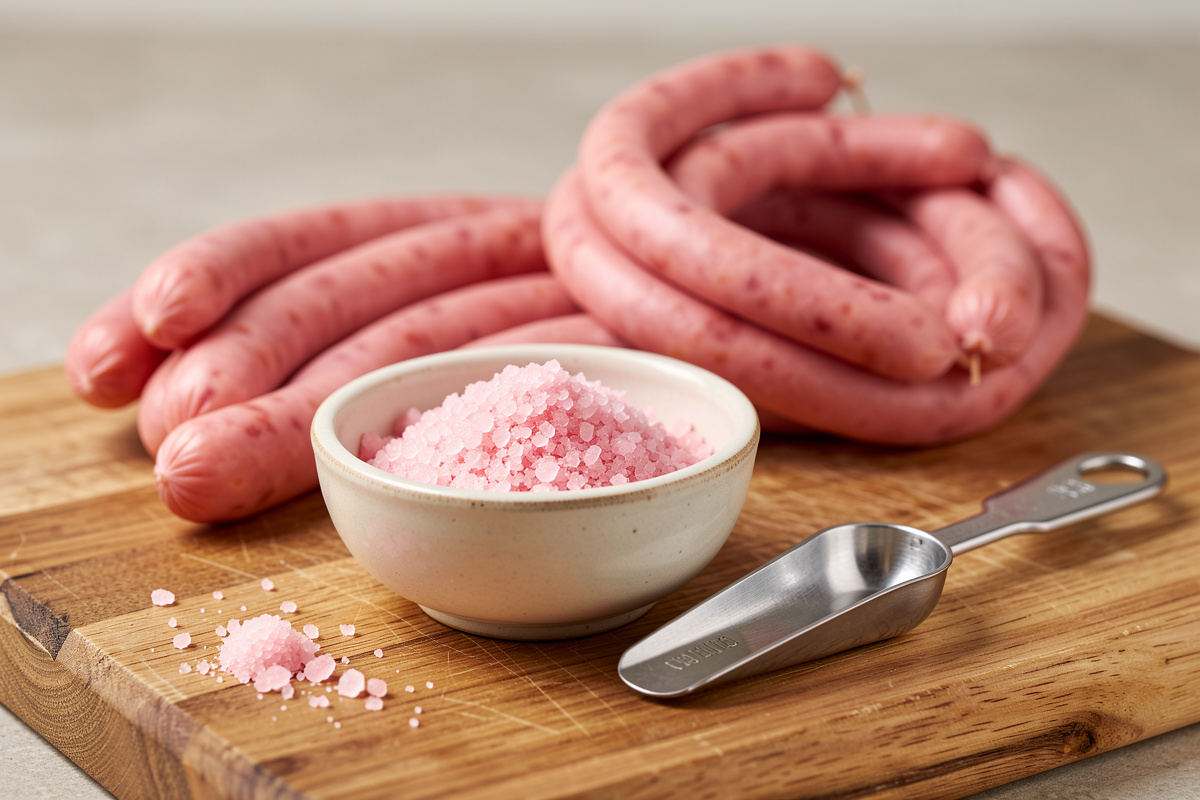
A cooked sausage needs Cure #1 (6.25% sodium nitrite on a salt carrier) whenever it is smoked warm or otherwise held in the 40–140 °F (4.4–60 °C) danger zone before it’s cooked — because that’s the window in which Clostridium botulinum can produce toxin, and nitrite is the compound that prevents it. The home rate is one […]

Read 11 min read
Poaching Temperature for Cooked Sausage: Hitting the Internal Without Splitting
Fresh & Cooked Sausage

Poaching Temperature for Cooked Sausage: Hitting the Internal Without Splitting

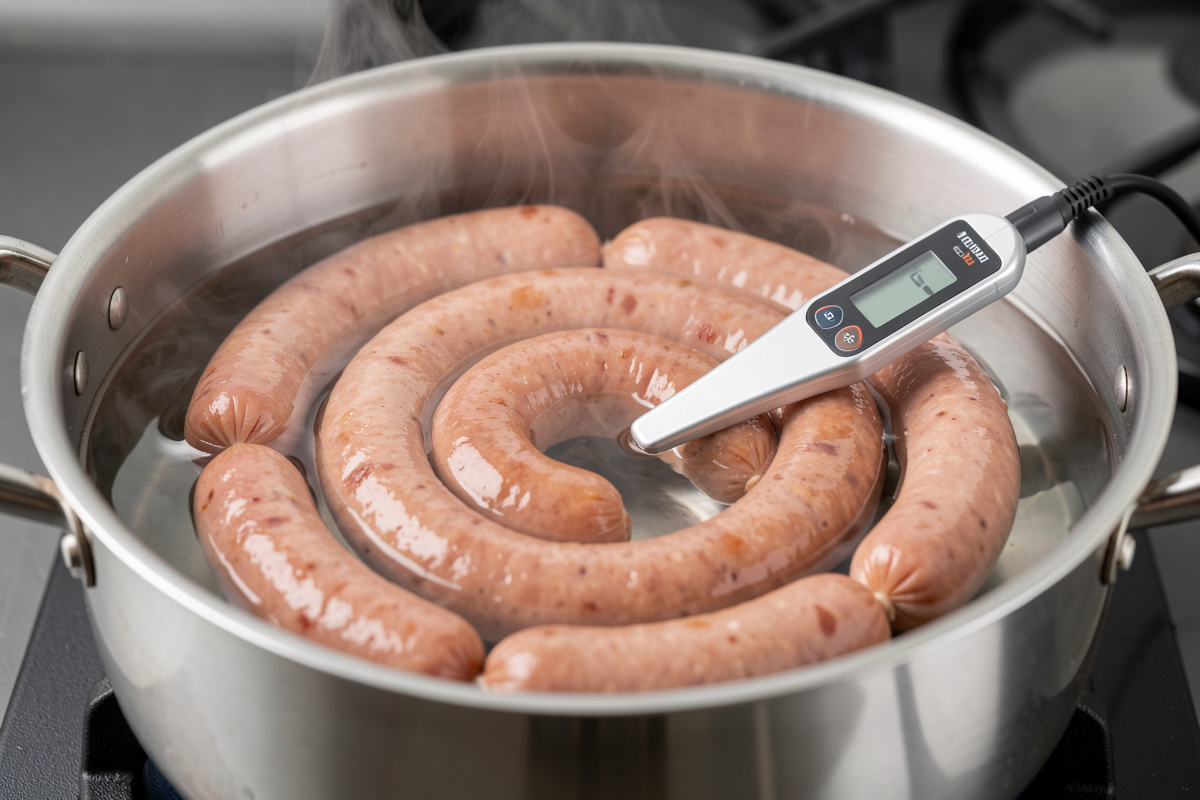
Poach cooked sausage in water held at 170–180 °F (77–82 °C) — never a rolling boil — until the thickest link reaches an internal of 152 °F (66.7 °C) minimum, or 155 °F (68 °C) for a comfortable margin, then shock it cold in an ice bath. Those three numbers — the water, the internal, and the shock — are the […]

Read 11 min read
Bratwurst vs Weisswurst: Two Classic German Cooked Sausages
Fresh & Cooked Sausage

Bratwurst vs Weisswurst: Two Classic German Cooked Sausages

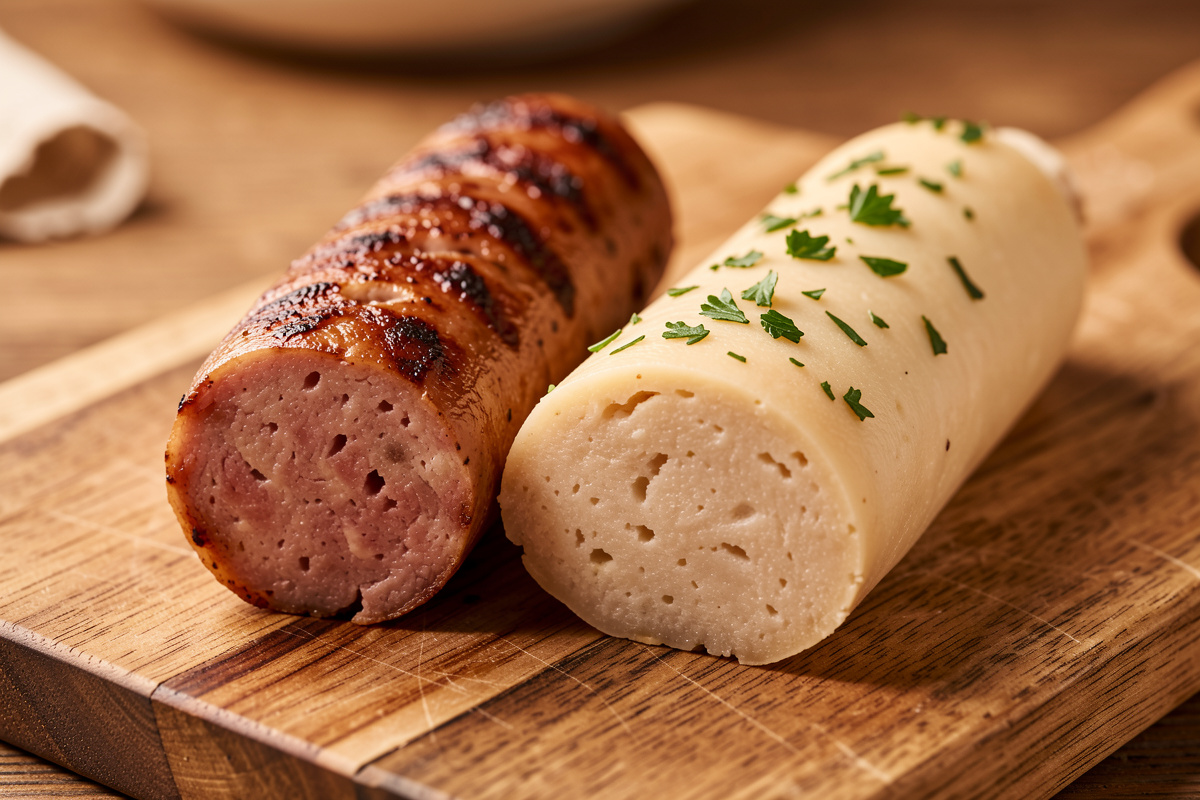
The difference between bratwurst and weisswurst is structure and cook: a bratwurst is a coarse-ground pork sausage, usually grilled or pan-fried to a 160 °F (71 °C) internal; a weisswurst is a finely emulsified veal-and-pork sausage, gently poached, never grilled. Both are German, both use hog casings, and that is where the similarity ends — one is […]

Read 11 min read
How to Make Bologna at Home: Fine-Grind Cooked Sausage
Fresh & Cooked Sausage

How to Make Bologna at Home: Fine-Grind Cooked Sausage

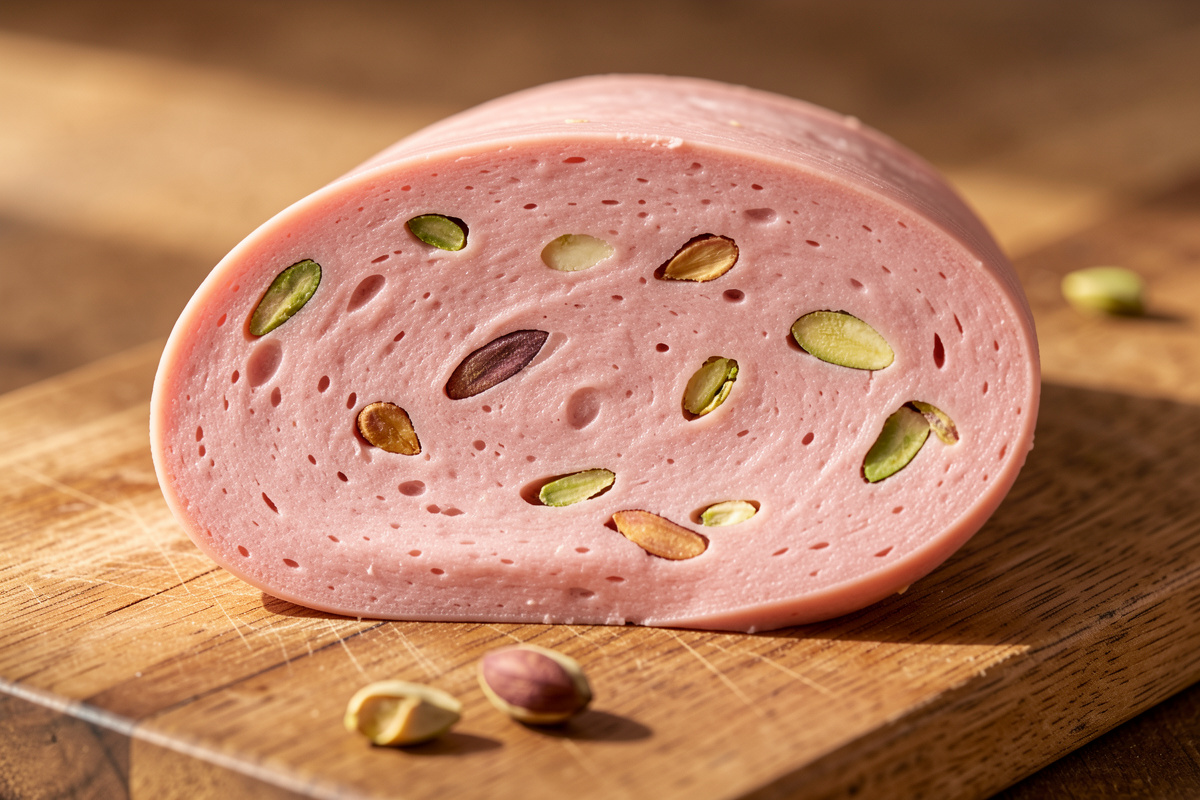
To make bologna at home you build the same fine beef emulsion as a frankfurter — beef or beef-and-pork, about 30% fat, salted near 2% and bound with ice water — then scale it up: stuffed into a beef round or bung, or shaped as a loaf, smoked warm, and cooked to a 155 °F (68 °C) […]

Read 10 min read
How to Build a Meat Emulsion That Doesn’t Break
Fresh & Cooked Sausage

How to Build a Meat Emulsion That Doesn’t Break

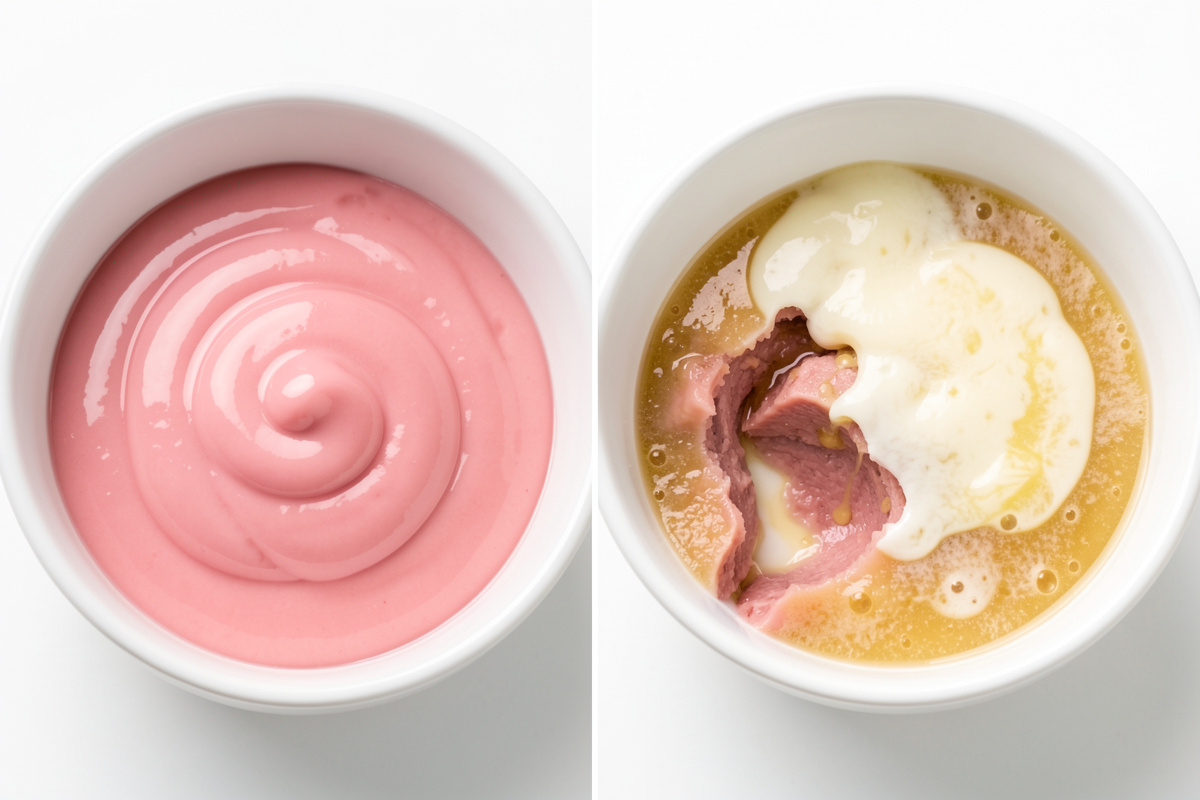
A meat emulsion breaks when the fat melts out of its protein cage — usually because the paste got warmer than about 60 °F (15.6 °C) during cutting — and the reliable fix is prevention, not rescue: keep lean and fat at 40 °F (4 °C) going in, build the primary bind before any fat touches it, and cut […]

Read 10 min read
How to Make Hot Dogs at Home: The Emulsified Frankfurter Method
Fresh & Cooked Sausage

How to Make Hot Dogs at Home: The Emulsified Frankfurter Method

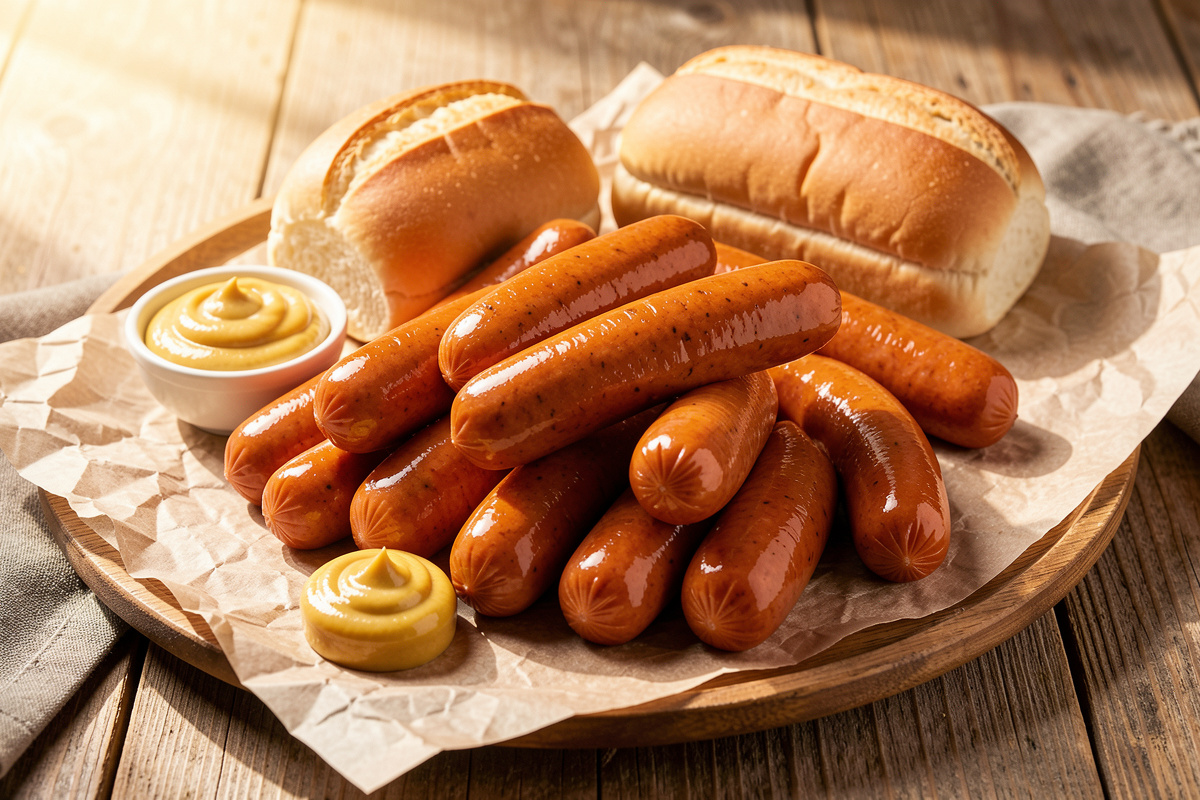
Making hot dogs at home means building a fine emulsion of beef and pork — roughly 70% lean, 30% firm back-fat, salted at about 2% and bound with ice-cold water — then stuffing it into a sheep or collagen casing, smoking it warm at 120–140 °F, and poaching it to a 155 °F (68 °C) internal. The pay-off […]

Read 10 min read
Cooked Sausage Making Guide: The Complete Chamber Method
Fresh & Cooked Sausage

Cooked Sausage Making Guide: The Complete Chamber Method

A cooked sausage is a forcemeat that’s been bound into a stable emulsion and then heat-set — poached, steamed, or smoked and then poached — to an internal temperature of at least 152 °F (66.7 °C), the threshold USDA FSIS treats as the Salmonella lethality standard for cooked, ready-to-eat meat. The craft is the bind, the temperature […]

Read 18 min read
How to Make Fresh Sausage at Home: A Step-by-Step Guide
Fresh & Cooked Sausage

How to Make Fresh Sausage at Home: A Step-by-Step Guide

To make fresh sausage at home, grind cold pork shoulder at roughly 70% lean to 30% fat, mix in 1.7% salt (17 g/kg) plus seasoning until the meat turns sticky, fry-test a pinch, stuff into soaked casings, and cook to 71 °C (160 °F). The whole process takes an afternoon and needs no curing salt. I came to […]

Read 7 min read
Homemade Sausage Guide: Fresh & Cooked From Scratch
Fresh & Cooked Sausage

Homemade Sausage Guide: Fresh & Cooked From Scratch

Homemade sausage is the fastest payoff in this entire hobby: grind good pork, salt it right, push it into a casing, and you eat it the same week. A fresh sausage is simply seasoned ground meat at roughly 70% lean to 30% fat, salted at 1.5–2% and cooked to 71 °C (160 °F) before eating — no […]

Read 13 min read