All Guides

Guides

Every technical article, build log, and curing walkthrough — organized for reference.

Rancidity in Cured Meats: Why It Happens and How to Prevent It
Troubleshooting & Food Safety

Rancidity in Cured Meats: Why It Happens and How to Prevent It

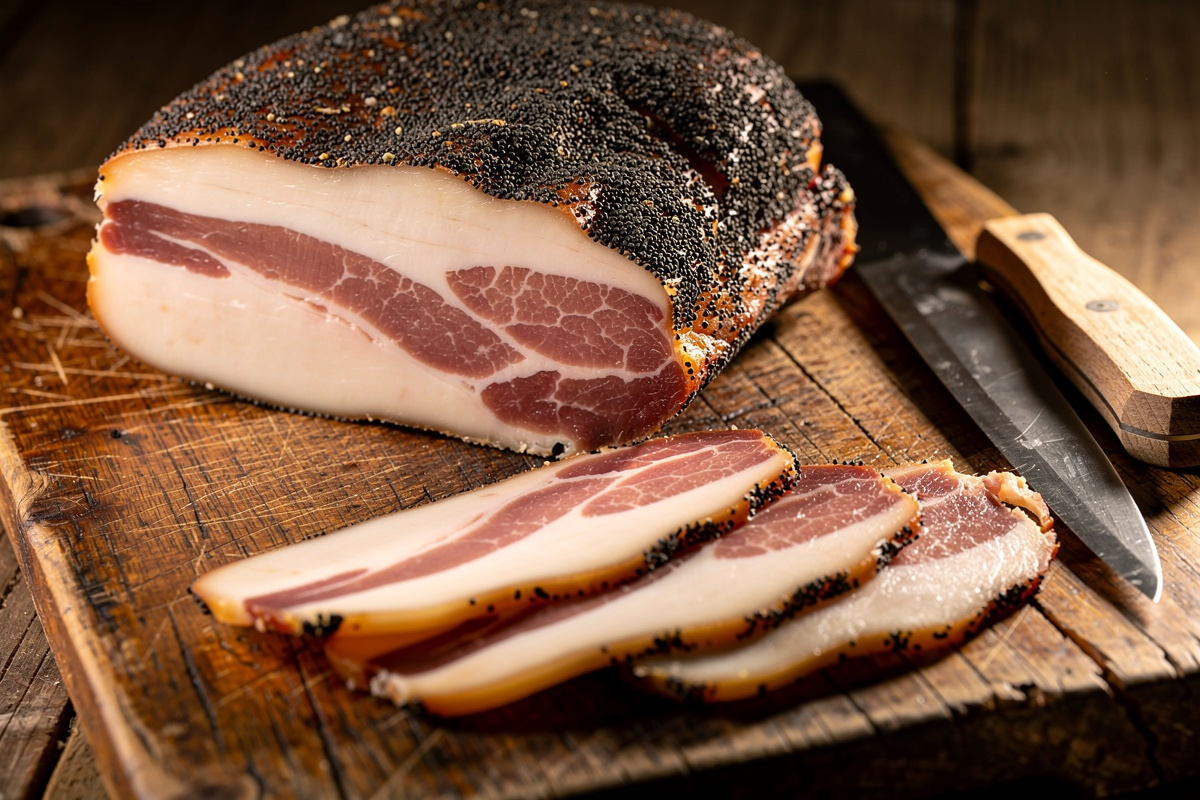
Every cured-meat maker eventually pulls a piece that looks fine but tastes wrong: a faint cardboard, paint-thinner, or crayon note riding under the cure, with fat that has gone from creamy white to a dull yellow. That is rancidity, and it has nothing to do with mold or microbial spoilage. It is the fat itself […]
Read 8 min read
Fat Smear in Salami: What Causes It and How to Prevent It
Troubleshooting & Food Safety

Fat Smear in Salami: What Causes It and How to Prevent It

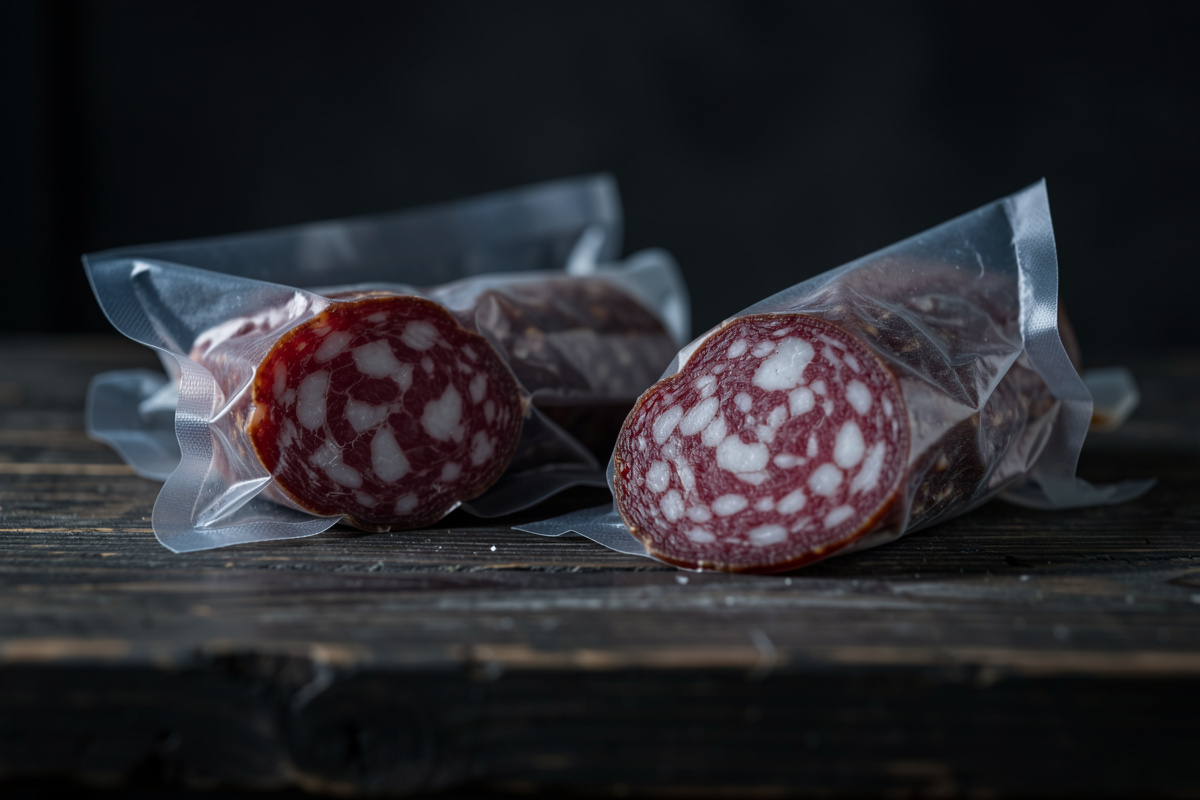
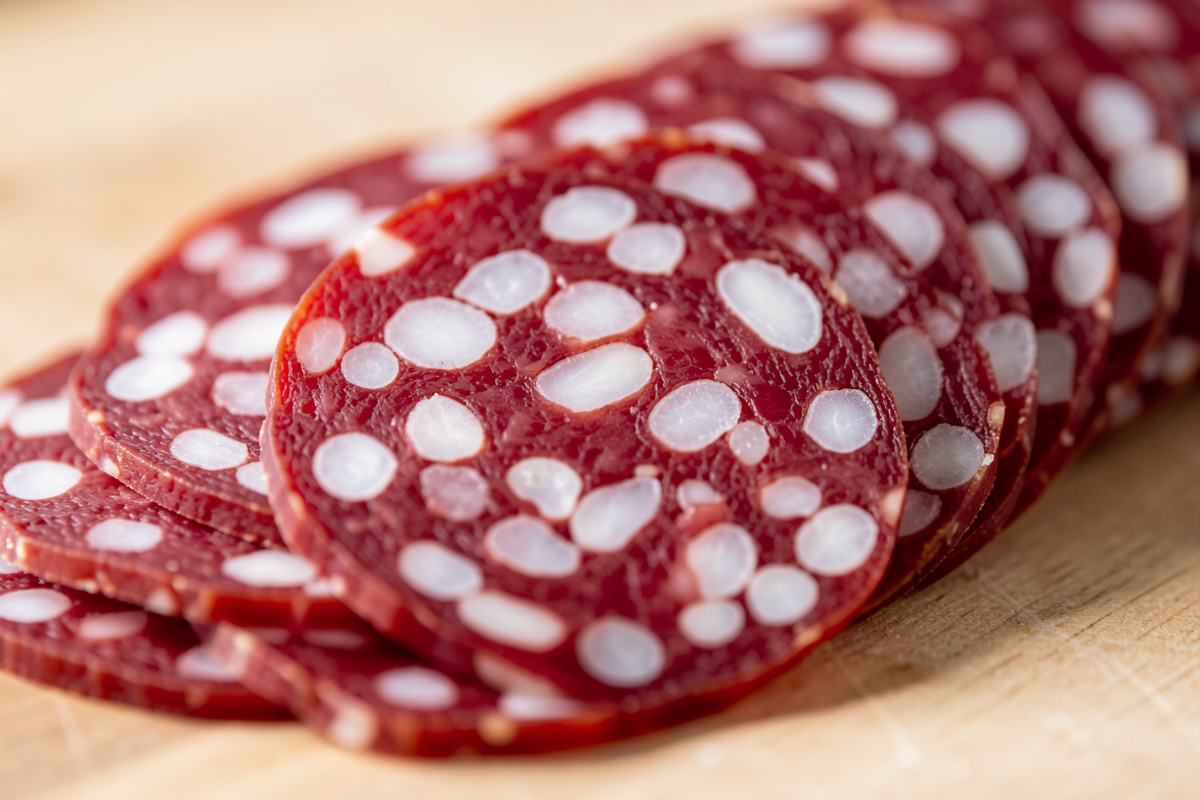
Fat smear is the defect I see ruin more first salamis than any other, and it almost never comes from the recipe. It comes from temperature and friction during grinding and stuffing. In the chambers I run here in Sweden I dry-cure whole muscle and ferment ground salami, and I log weight loss on every […]

Read 8 min read
Why Is My Charcuterie Slimy? Causes and How to Rescue It
Troubleshooting & Food Safety

Why Is My Charcuterie Slimy? Causes and How to Rescue It

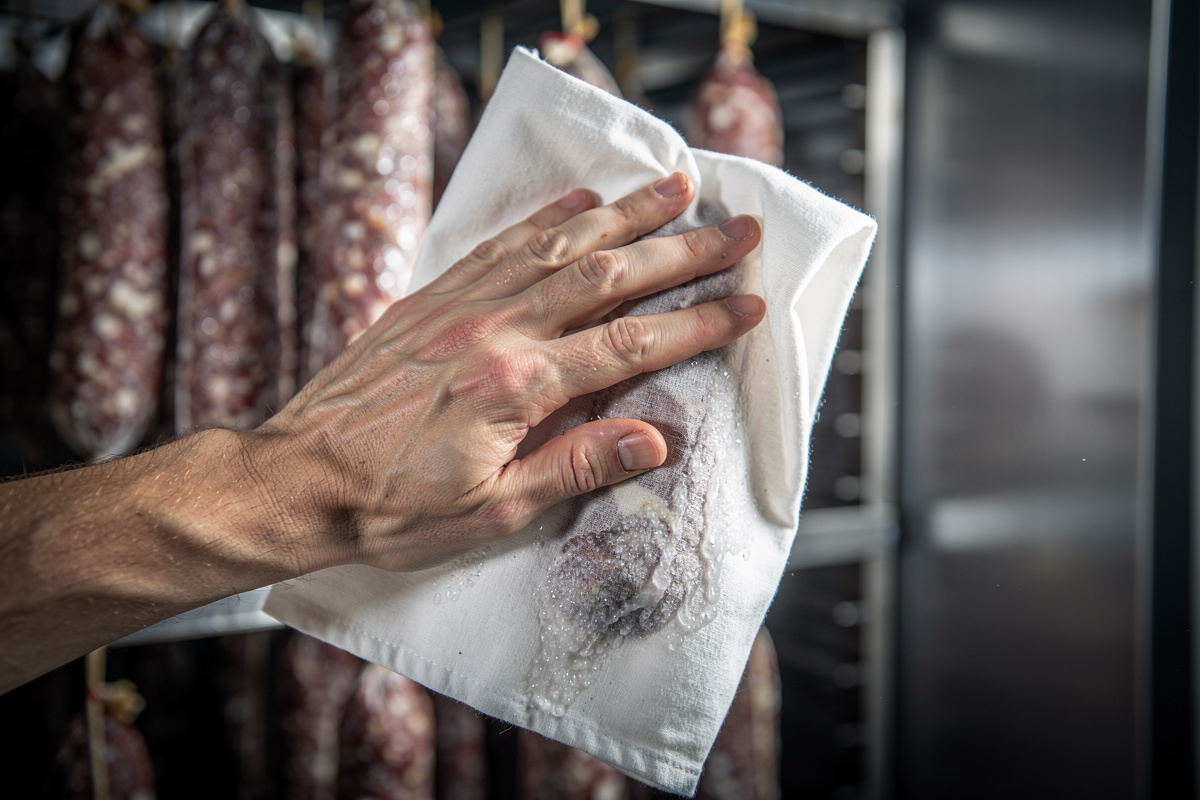
You open the chamber, reach for a coppa that’s been hanging three weeks, and your fingers come back tacky. Maybe there’s a faint glossy film on a salami casing, or a wet sheen on a bresaola that wasn’t there yesterday. Slimy charcuterie is one of the most misread problems in home curing, because the same […]

Read 8 min read
Case Hardening on Salami: Fixing the Hard Ring and Wet Core
Troubleshooting & Food Safety

Case Hardening on Salami: Fixing the Hard Ring and Wet Core

Every home charcuterie maker eventually slices into a salami that looks finished on the outside and isn’t. The casing is leathery, the outer ring is dense and pale, and the center is still soft, wet, and a shade too dark. That’s case hardening on a fermented sausage, and it behaves differently than it does on […]

Read 9 min read
How to Slice Charcuterie Paper-Thin Without a Slicer
Whole Muscle Charcuterie

How to Slice Charcuterie Paper-Thin Without a Slicer

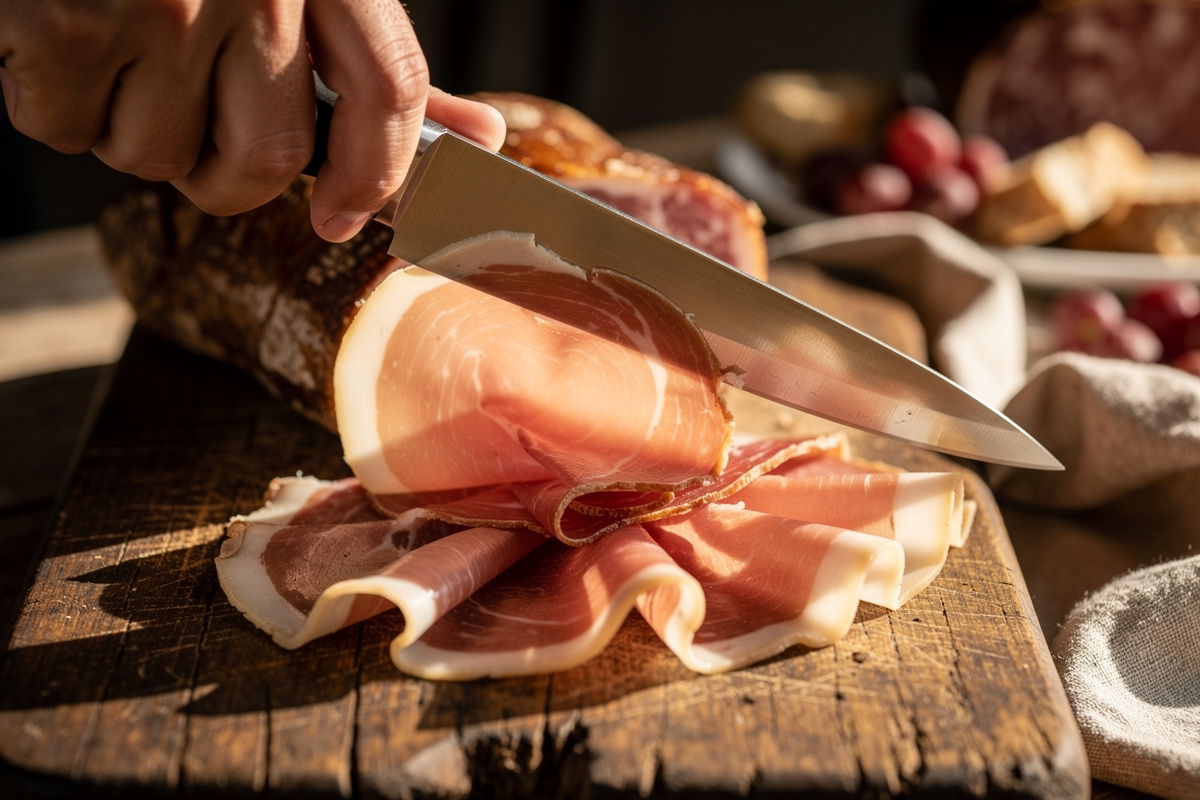
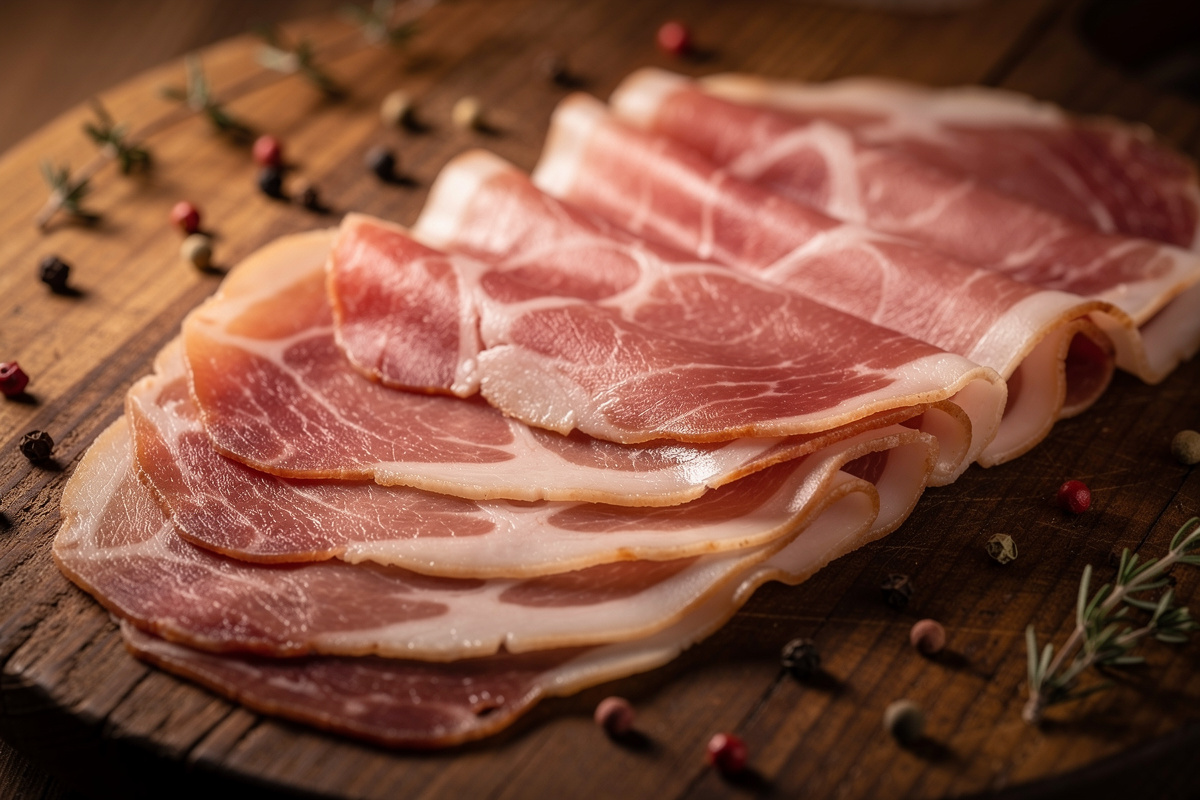
A coppa you waited three months for can be let down in thirty seconds by a bad knife and a warm board. Slicing is the last skill in whole-muscle charcuterie, and it matters more than people expect: cured meat eaten thick is dense and chewy, while the same piece sliced translucent melts on the tongue. […]

Read 8 min read
When Is Whole-Muscle Charcuterie Done? Weight vs Feel
Whole Muscle Charcuterie

When Is Whole-Muscle Charcuterie Done? Weight vs Feel

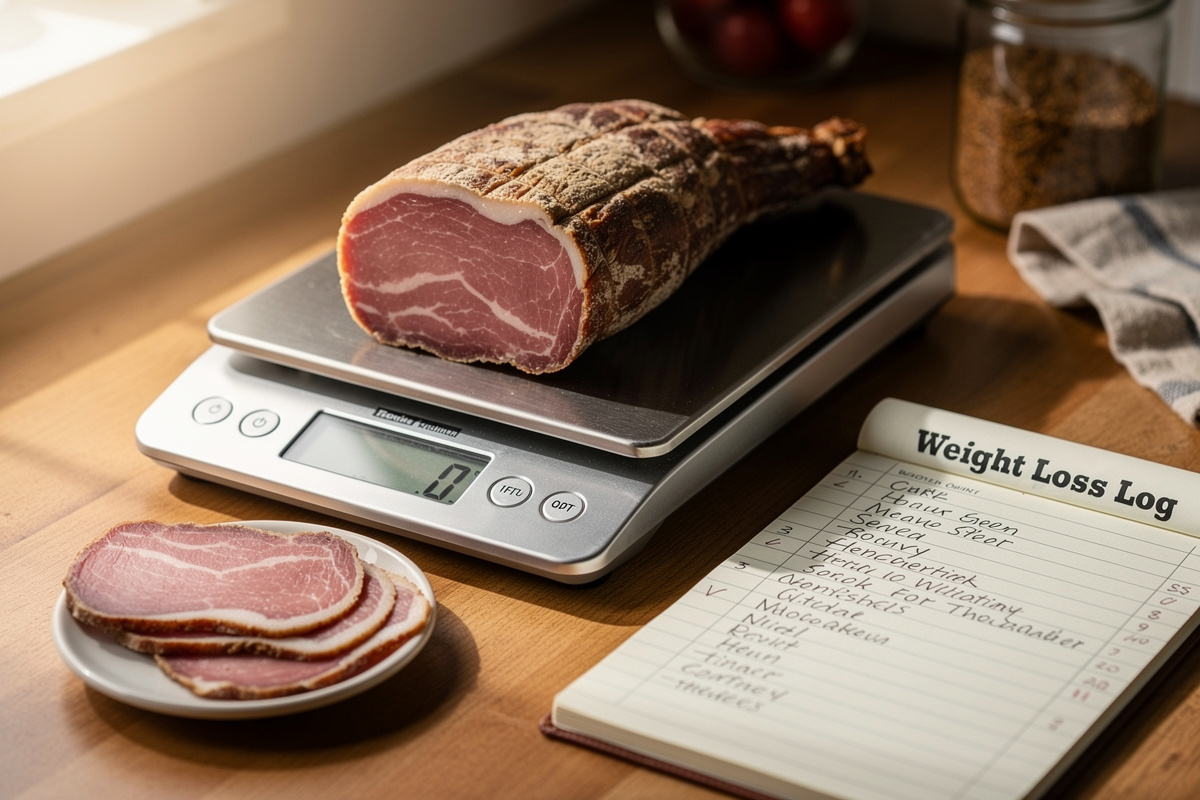
The single question that separates people who finish good charcuterie from people who ruin it is “is it done yet,” and there are only two ways to answer it: the scale and the squeeze. After years of logging every piece across the chambers I run, my answer is unambiguous, weight loss is the honest signal […]

Read 7 min read
Goose vs Duck Prosciutto: Scaling Up the Cure
Whole Muscle Charcuterie

Goose vs Duck Prosciutto: Scaling Up the Cure

Duck breast prosciutto is the famous beginner cure, the two-week project that hooks people on charcuterie, and for good reason. But once you have a few duck breasts under your belt the obvious next question is the goose: a bigger, fattier breast that promises more of everything. I have cured both across the chambers I […]

Read 8 min read
Lomo Embuchado: Spanish Cured Pork Loin
Whole Muscle Charcuterie

Lomo Embuchado: Spanish Cured Pork Loin

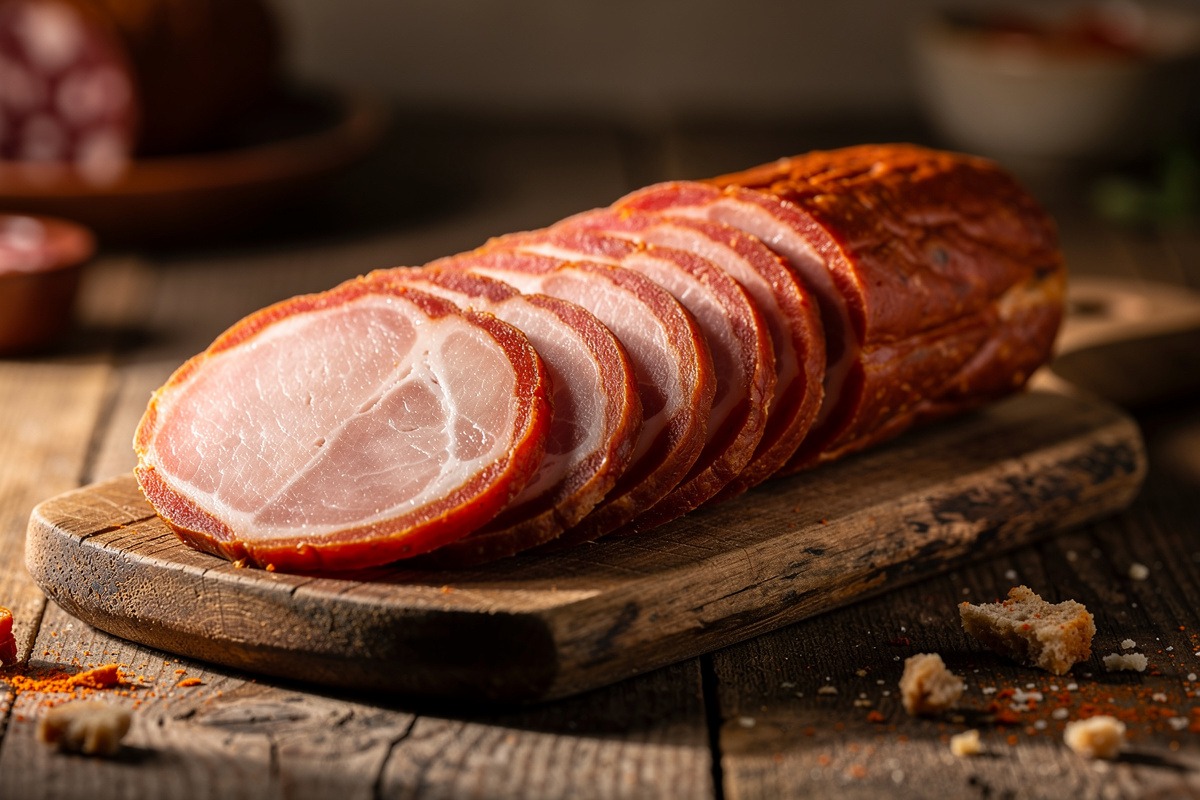
Lomo embuchado is cured pork loin, the Spanish whole-muscle cure, and it is the one I push beginners toward after they have done a pancetta. The loin is a single clean muscle, easy to source, evenly shaped, and the cure is simple: salt, the smoky-sweet pimentón rub that defines it, and a casing. It is […]

Read 8 min read
Homemade Coppa (Capocollo): Cured Pork Collar
Whole Muscle Charcuterie

Homemade Coppa (Capocollo): Cured Pork Collar

Coppa, called capocollo or capicola depending on where you stand, is cured pork collar, and it might be the most rewarding whole-muscle cure there is. The collar, the muscle running from the neck into the shoulder, is threaded with seams of fat in a way no other cut is, so a finished coppa slices into […]

Read 7 min read
Homemade Pancetta: Arrotolata vs Tesa
Whole Muscle Charcuterie

Homemade Pancetta: Arrotolata vs Tesa

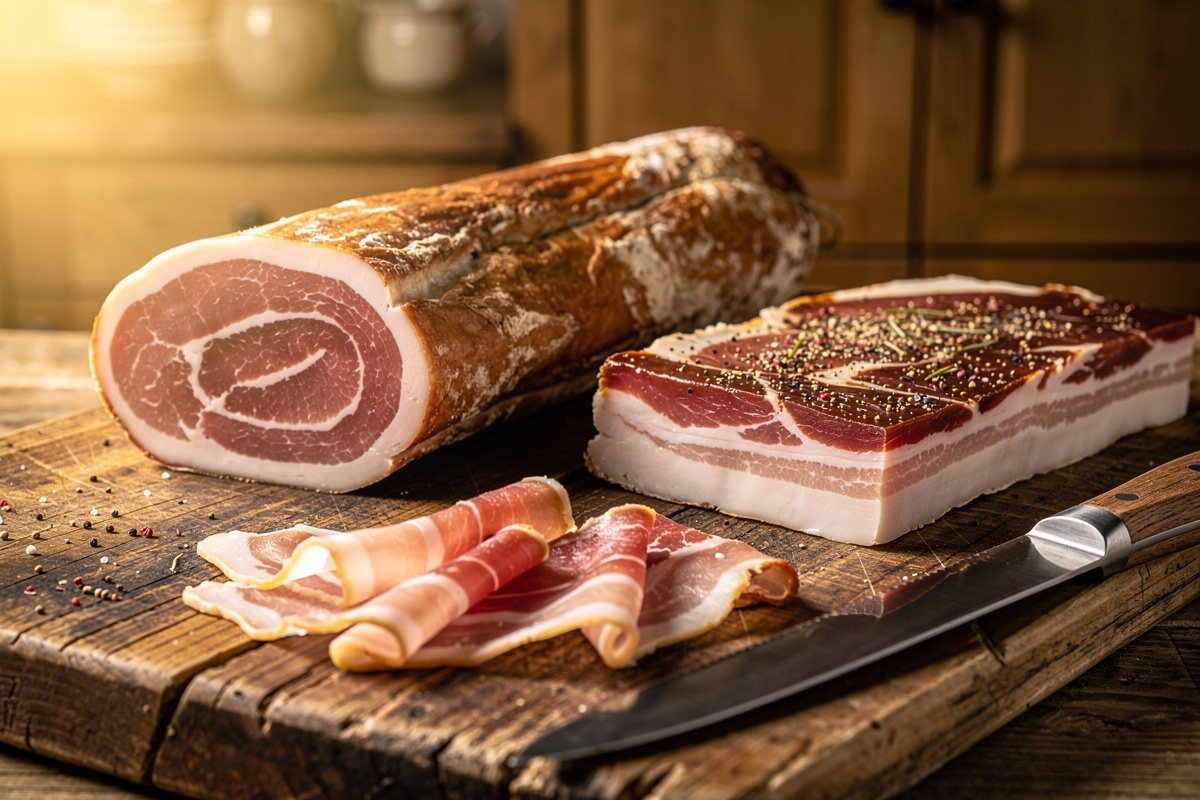
Pancetta is salt-cured pork belly, dry-cured rather than smoked, and it splits into two builds the moment you decide how to shape it: arrotolata, rolled into a tight cylinder, or tesa, left flat as a slab. They use the same cure and the same chemistry. They behave completely differently in the chamber, and after years […]

Read 9 min read
Bresaola Recipe at Home: Air-Dried Beef
Whole Muscle Charcuterie

Bresaola Recipe at Home: Air-Dried Beef

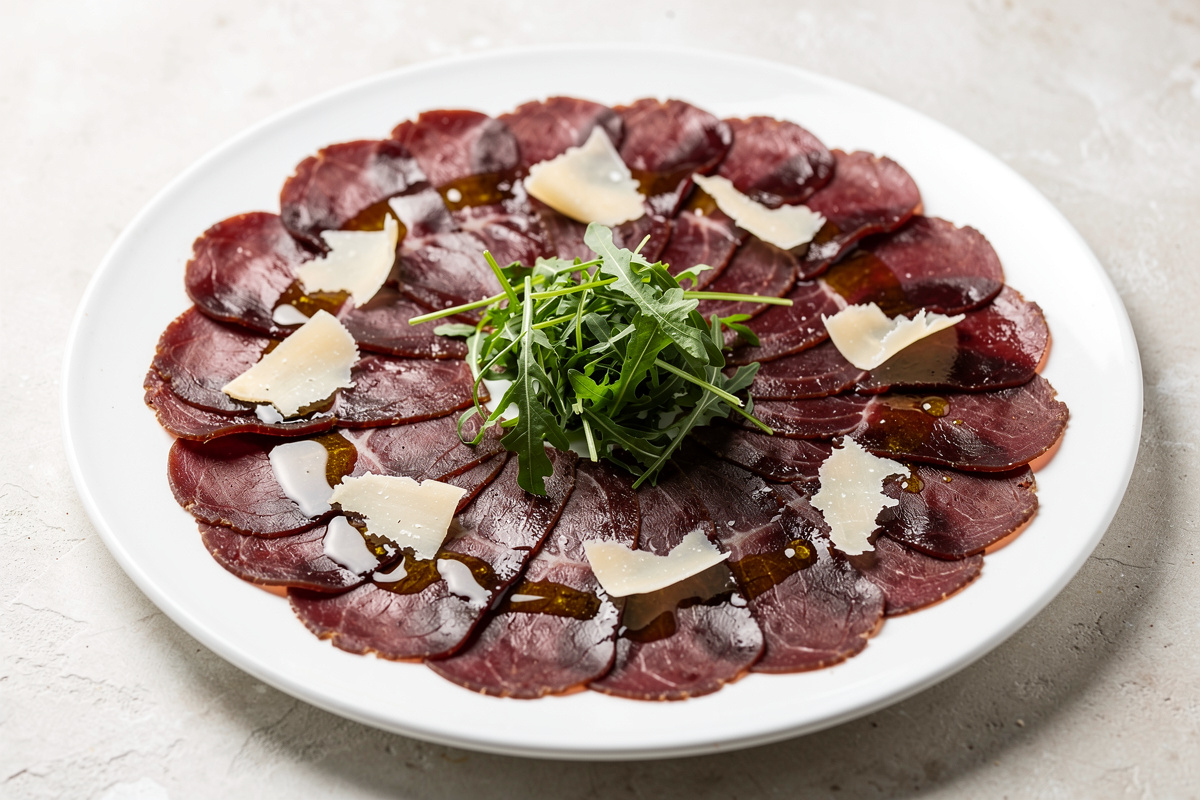
Bresaola is air-dried beef, and it is the cut that taught me the most about chamber control, because there is nowhere to hide. A lean eye-of-round has almost no intramuscular fat to buffer it, so every mistake in humidity and airflow shows up as a hard grey shell over a wet red core. Get it […]

Read 7 min read
Homemade Guanciale: Cured Pork Jowl
Whole Muscle Charcuterie

Homemade Guanciale: Cured Pork Jowl

Guanciale is cured pork jowl, and it is the cut that converts people to whole-muscle curing. The jowl is fattier and more marbled than belly, the muscle threads are finer, and the rendered fat has a depth that pancetta cannot touch. It is also one of the simplest cures in the chamber: no rolling, no […]

Read 8 min read