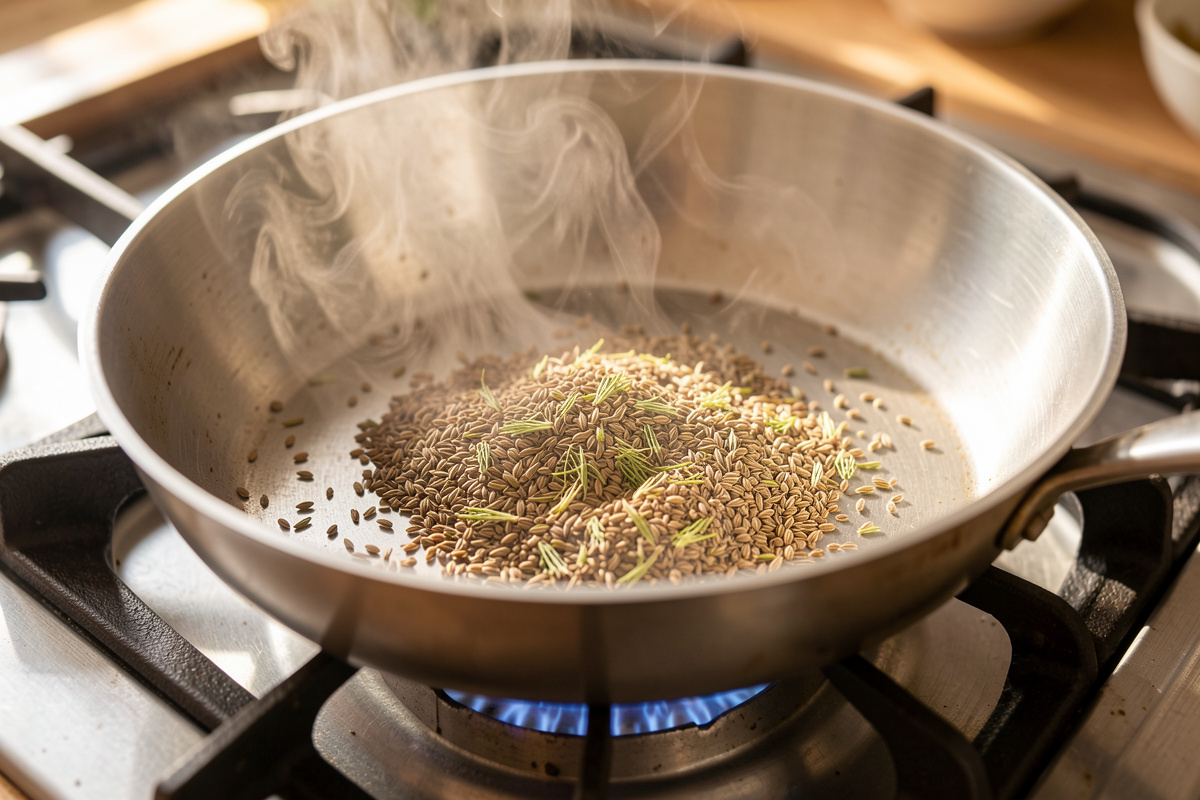

Toasting whole spices for 30 to 90 seconds in a dry pan before grinding roughly doubles their aromatic punch per gram — and freshly ground beats pre-ground on every axis that matters: aroma, flavor depth, and shelf life. Pre-ground spice starts losing its volatile oils the moment it is milled, so a jar sitting open for a year is mostly flavorless dust. Toast whole, cool fully, grind to order.
This is the single cheapest upgrade in charcuterie, and almost everyone skips it. It costs you two minutes and a $15 grinder, and it is the difference between a salame that smells alive on the slice and one that tastes vaguely, flatly “spiced.” I ignored it my first year, bought big tubs of pre-ground fennel and coriander to save time, and could never work out why my salami tasted muddy no matter how much I added. Whole spice, toasted and ground fresh, fixed it overnight. Here is exactly how and when to do it.
Why Does Toasting Spices Make Such a Difference?
Toasting drives off the tiny amount of surface moisture in a seed and heats the aromatic oils just enough to bloom them, while triggering light Maillard browning that builds new, deeper flavor compounds. The result is a spice that smells and tastes markedly more intense — coriander turns citric and warm, fennel turns nutty and sweet, cumin turns earthy. You are not adding anything; you are unlocking what is already in the seed. The American Chemical Society has good plain-language material on the Maillard browning reactions that do this work, and it is the same chemistry that browns a seared steak.
There is a practical charcuterie reason this matters more for us than for a curry cook: our spice has to carry flavor through a three-month dry and a fermentation that sharpens and shifts everything. A weak, stale spice simply disappears behind the salt and the tang. Toasting front-loads enough aromatic intensity that the spice is still present at 35% weight loss. In the chambers I run, the batches I toast for are noticeably more aromatic on the cut face months later. Getting the flavor layer right is the whole point of the charcuterie spice and seasoning system, and toasting is where that layer gets its power.
How Do You Toast Spices Without Burning Them?
Use a dry pan over medium heat, keep the seeds moving constantly, and pull them the moment they smell fragrant and start to color — usually 30 to 90 seconds depending on the seed. Do not walk away. The window between “perfectly toasted” and “acrid and ruined” is about 15 seconds, and burnt spice cannot be rescued; you throw it out and start over. I toast one spice at a time because they finish at different speeds — fennel and coriander are quick, cumin a touch slower, and small seeds scorch faster than large ones.
The sensory cues are everything here. Listen for the first faint crackle, watch for a shade of deeper color, and above all use your nose: when the kitchen suddenly fills with the smell of the spice, it is done. That bloom of aroma is the volatile oil hitting the air — catch it at the peak. Tip the seeds straight out of the hot pan onto a cool plate the instant they are ready, because a pan holds enough residual heat to take them from perfect to burnt after you have turned off the flame. This is the mistake I still occasionally make when I get distracted: leave them in the pan “just to cool” and they carry on cooking.
Which Charcuterie Spices Are Worth Toasting?
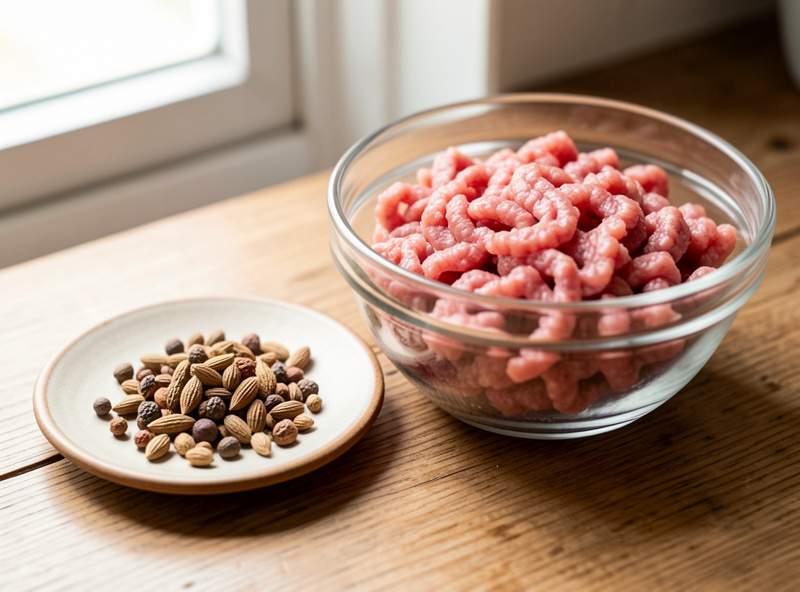
Seeds with volatile aromatic oils reward toasting; pre-ground powders, dried heat spices, and fresh aromatics do not. As a rule, if it is a whole seed with a fragrant oil — coriander, fennel, cumin, caraway, mustard, whole pepper — toasting helps. If it is already a fine powder, a color spice like paprika, or a fresh ingredient like garlic, toasting either scorches it or does nothing useful. Here is how I sort the charcuterie shelf:
| Spice | Toast? | Time in a dry pan | Why |
|---|---|---|---|
| Coriander seed | Always | 45–60 s | Blooms into bright citrus and warmth |
| Fennel seed | Always | 30–60 s | Turns nutty and sweet; classic finocchiona |
| Cumin / caraway | Yes | 45–75 s | Deepens the earthy note |
| Black pepper (whole) | Optional | 30 s | Rounds the bite; can go acrid fast |
| Mustard seed | Optional | 30–45 s | Nuttier, less raw pungency |
| Paprika (ground) | Never | — | Scorches instantly, turns bitter |
| Garlic (fresh) | Never | — | Fresh ingredient, not a dry seed |
| Pre-ground anything | Never | — | Burns before it blooms; buy whole instead |
For a classic Italian salame the two that matter most are fennel and coriander — toast those every single time and you will taste the difference immediately. Black pepper I toast maybe half the time, depending on whether I want a rounder or a sharper heat; the trade-offs there are in my guide on how much black pepper in salami.
Why Grind Fresh Instead of Buying Pre-Ground?
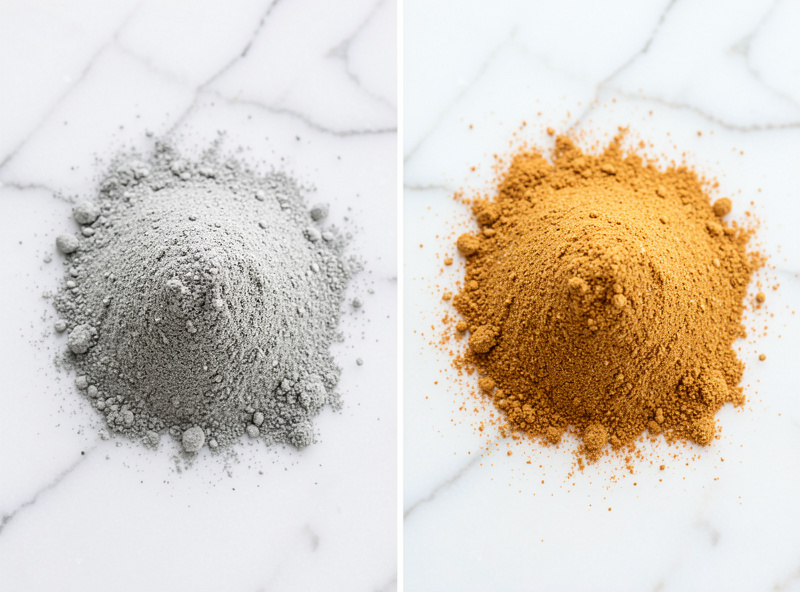
The instant a spice is ground, its enormous new surface area starts venting volatile oils to the air, so pre-ground spice is already stale by the time it reaches your kitchen and fading fast on the shelf. Whole seeds, by contrast, keep their oils locked in a protective coat for a year or more. Grinding to order means every batch of salami gets spice at full strength, and it lets you toast the whole seed first — something you can never do with a powder. Side by side, freshly toasted-and-ground coriander is vivid and almost oily; the pre-ground jar is grey and mute.
You do not need much gear. A cheap dedicated blade grinder handles coriander, fennel and pepper in seconds; a burr mill or a good mortar and pestle gives you more control over the grind size. The one rule is to keep it separate from your coffee grinder unless you enjoy cumin-flavored espresso. I break down which machine suits coarse cracking versus fine powder in my guide to the best spice grinder for whole-muscle and sausage cures. Buy whole spices from a source with fast turnover; the American Spice Trade Association’s cleanliness and grading standards at astaspice.org are the benchmark reputable suppliers work to.
Should You Toast Before or After Grinding?
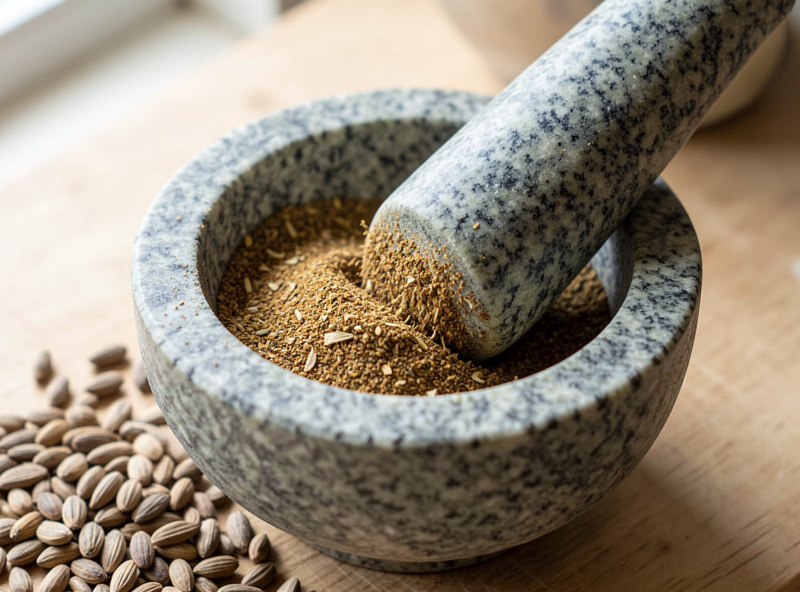
Always toast the whole seed first, then cool it completely, then grind. Toasting pre-ground spice does not work — the fine powder scorches and turns bitter in seconds because it has no protective seed coat and enormous surface area exposed to the heat. And grinding a still-warm toasted seed gums up the grinder with released oil and can steam the powder, dulling exactly the aroma you just built. Patience, as with everything in this hobby, pays: toast, spread on a cool plate, wait five minutes, then grind.
Grind only what you need for the batch in front of you. A blend of freshly ground toasted spice loses potency within days, so I never pre-grind a big jar “to save time” — that is just manufacturing my own stale spice. Weigh the whole seeds for the batch, toast, cool, grind, and mix straight into the cure. If you are portioning a blend across different batch sizes, do the weighing in whole-seed form first; the method is in how to scale a charcuterie spice recipe by meat weight.
Can You Toast Spices in the Oven Instead of a Pan?
Yes — an oven at around 150–160°C (300–325°F) toasts spices more gently and evenly than a pan, which is genuinely useful when you are prepping a big batch and cannot babysit a skillet. Spread the whole seeds in a single layer on a tray, and expect 8 to 12 minutes rather than 60 seconds, giving them a shake halfway. The upside is even, hands-off toasting; the downside is you lose the tight sensory control the pan gives you, so set a timer and start checking early by smell.
For the small quantities a home charcuterie batch actually uses — a few grams of each seed per kilo of meat — the pan is faster and I reach for it almost every time. I only fire up the oven when I am prepping spice for a multi-kilo run of salami and want to toast fennel and coriander in bulk without standing over the stove. Whichever route you take, the rules are the same: whole seeds only, pull them before they smell scorched, and cool completely before grinding.
How Do You Store Whole and Toasted Spices?
Store whole spices in airtight jars away from heat, light and moisture, and they will hold good aroma for a year or more; store ground or toasted-and-ground spice the same way but use it within days to weeks, because the clock on volatile-oil loss is running fast once the seed is broken open. This is the whole argument for grinding to order: a jar of whole peppercorns or coriander is a stable pantry item, while a jar of pre-ground is a depreciating asset.
My system is simple and it keeps the flavor layer honest. Whole seeds live in labeled screw-top jars in a dark cupboard, nowhere near the stove’s heat. I never grind more than a batch needs, and I never toast in advance — toasted whole seeds lose their edge within a few days even before grinding, so toasting is the last step before the mortar, and grinding is the last step before the bowl. Buy in sensible quantities, too; a giant bag of coriander is false economy if half of it goes flat before you use it. The one exception in my workshop is that I keep slightly more whole black pepper on hand than anything else, because it is the most-used and the most forgiving of the seeds.
Do you toast spices before or after grinding?
Always toast whole seeds first, then cool them completely, then grind. Grinding before toasting exposes fine powder that scorches in seconds, and grinding a warm toasted seed gums the grinder and steams away the aroma you just built.
How long do you toast spices for charcuterie?
Toast whole seeds in a dry pan over medium heat for 30 to 90 seconds, keeping them moving, until they smell fragrant and just begin to color. Fennel and coriander take about a minute; small seeds scorch faster. Pull them onto a cool plate the moment they are done.
Is freshly ground spice really better than pre-ground?
Yes. Spices lose their volatile aromatic oils rapidly once ground, so pre-ground spice is already stale by the time you buy it. Whole seeds keep their oils for a year or more, so grinding to order gives you full-strength flavor and lets you toast the whole seed first.
Which charcuterie spices should you not toast?
Do not toast ground powders, color spices like paprika, or fresh ingredients like garlic. Paprika scorches and turns bitter almost instantly, and pre-ground spice burns before it can bloom. Toasting is for whole aromatic seeds such as coriander, fennel, cumin and whole pepper.
Related Articles
- The Charcuterie Spice, Seasoning & Binder Guide
- How Much Black Pepper in Salami: Whole vs Cracked vs Ground
- Best Spice Grinder for Whole-Muscle and Sausage Cures
- How to Scale a Charcuterie Spice Recipe by Meat Weight