Why Is My ‘Nduja Greasy Instead of Spreadable? Fixing the Fat
July 9, 2026

Greasy ‘nduja means the fat smeared and the emulsion broke — almost always because the meat, fat, or tools got too warm during grinding and mixing, or the chamber ran too warm and rendered fat out of the sausage. The fix is temperature discipline: keep everything near freezing, chill your grinder plates, work fast, and never over-mix.
I have pulled more than one slick, oily ‘nduja out of the chamber over the years, and every single time it traced back to heat somewhere in the process. A spreadable sausage lives or dies on a stable fat emulsion, and ‘nduja — the fattiest fermented sausage I make — has the least margin of all. Here is exactly what goes wrong, how to tell which cause hit your batch, and how to stop it happening again.
What “Greasy” Actually Means
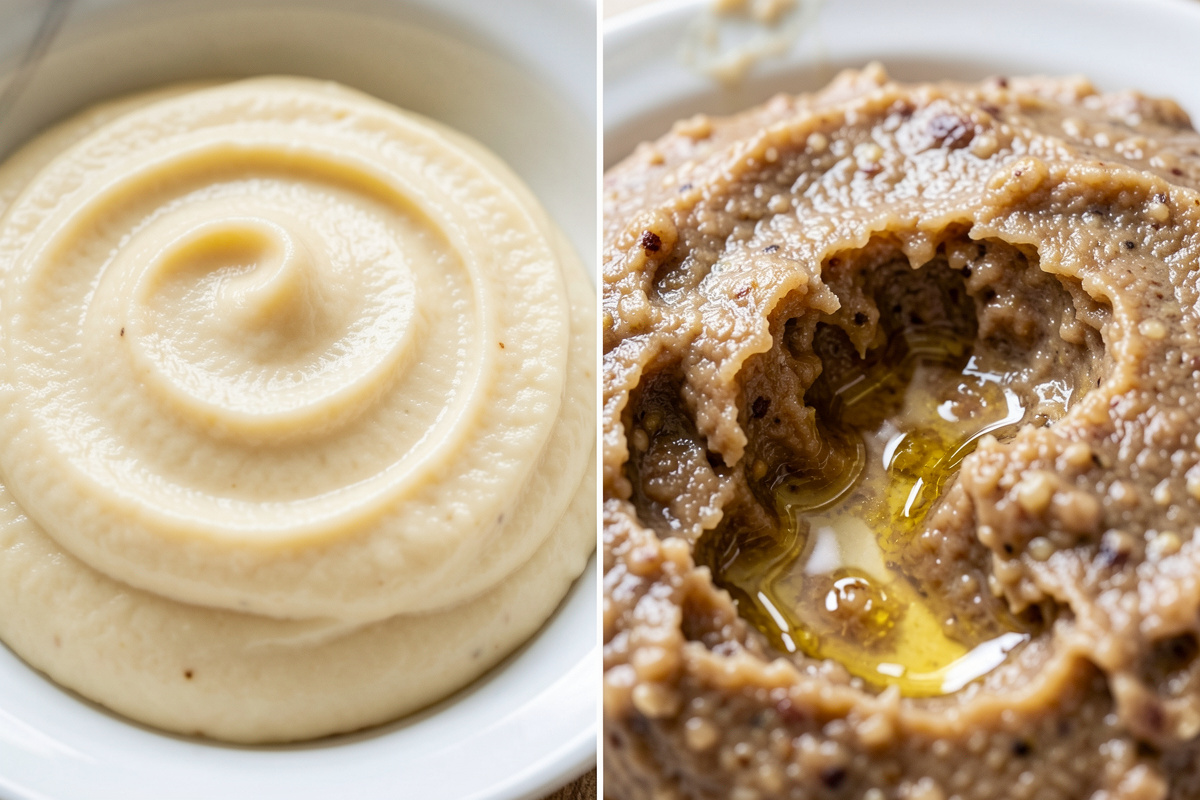
Greasy ‘nduja shows up in a few related ways: an oily film coating the inside of the casing, a paste that looks slick and separated rather than creamy, visible fat weeping out during the dry, or a spread that feels like it is sitting on a layer of oil instead of being one smooth mass. All of these are the same underlying failure — the fat is no longer bound into the meat protein. Instead of a stable emulsion where fat is locked into the matrix, you have free fat that has smeared and pooled. Once an emulsion breaks, you cannot fully un-break it, which is why prevention is the whole game here.
Cause 1: Temperature During Grinding and Mixing
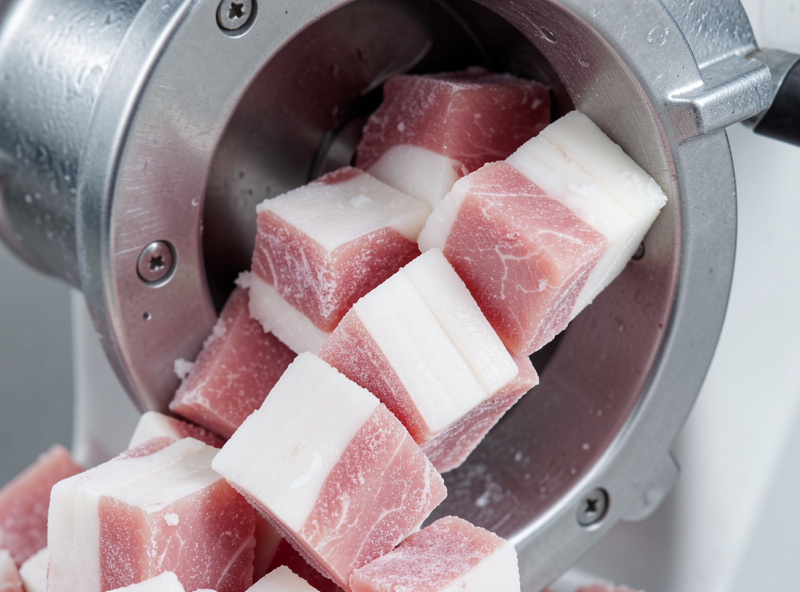
This is the big one, responsible for most greasy batches. Pork fat starts to smear and melt at surprisingly low temperatures. If the meat and fat are not near freezing when they hit the grinder, the fat softens, smears across the plate instead of cutting cleanly, and coats the protein in a film of oil — which then refuses to bind. The result is a paste that looks greasy from the moment it is mixed.
The fix is cold, everywhere. I partially freeze the meat and fat until they are firm and crunchy at the edges, chill the grinder plates and blade in the freezer beforehand, and work fast so nothing warms up mid-grind. If my kitchen is warm, I grind in stages and return the meat to the freezer between passes. The same cold discipline that prevents fat smear in salami applies double to ‘nduja because there is so much more fat to lose control of.
Cause 2: Over-Mixing the Paste
Even with cold meat, you can break the emulsion by over-working it. Mixing generates friction and warmth, and a high-fat paste does not need much encouragement to smear. The goal is to combine everything until it is uniform and slightly tacky — and then stop. When people chase a “perfectly smooth” paste with extended mixing, they warm it past the point of no return and the fat starts to render and separate. I mix mine cold, sometimes over a bowl of ice, just until the colour is even, and I treat the moment of uniformity as the finish line, not the halfway point.
Cause 3: The Chamber Ran Too Warm
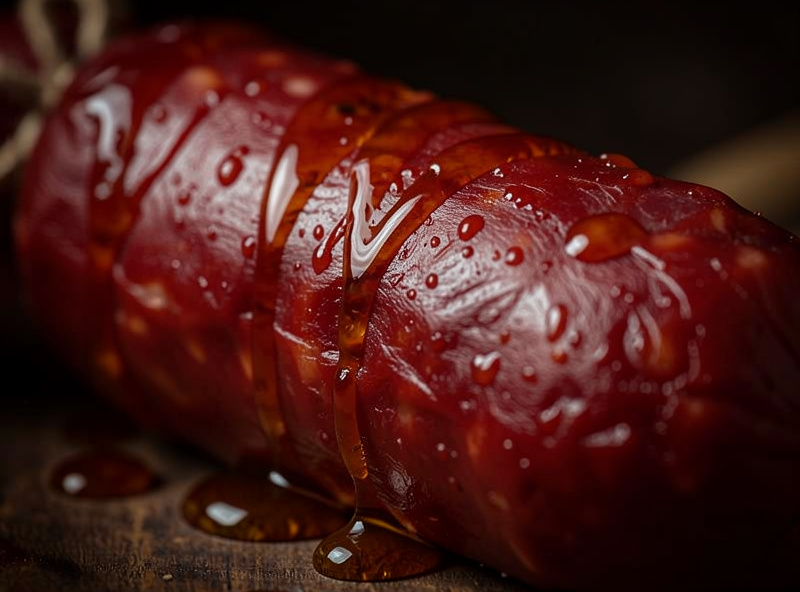
Smearing during the build is the common cause, but the chamber can ruin a perfectly mixed batch too. If the fermentation or drying temperature climbs too high, fat literally renders out of the sausage and weeps to the surface — you open the door to find oil beading on the casing. My drying envelope is ~12–15 °C (54–59 °F); let it drift up toward room temperature and a fatty ‘nduja starts sweating fat. Stable temperature control is the cure, and it is exactly why I run a dedicated controller rather than trusting a fridge thermostat, as I explain in my curing chamber climate control guide.
Cause 4: Too Much Soft Fat, or the Wrong Fat
Not all pork fat behaves the same. Hard back fat holds its structure and emulsifies cleanly; soft belly and jowl fat melt and smear far more readily. A ‘nduja built mostly on soft fat is inherently more prone to going greasy, especially if your temperature control is anything less than perfect. I build the bulk of the paste around firmer back fat and keep the softer fats as a minority, grinding them coldest of all. If greasy batches keep happening despite cold tools, look hard at your fat source before blaming your technique.
Cause 5: A Dull Grinder Plate
An overlooked culprit: a dull plate or blade. A sharp grinder shears the meat and fat cleanly; a dull one crushes and smears it, generating heat and breaking fat cells open before the paste is even mixed. If your grinder is tearing rather than cutting — you can hear and feel it labour — sharpen or replace the plate and blade as a matched set. Clean, sharp cutting is part of keeping the fat intact, a point I make in my guide to grinding meat for salami.
Symptom, Cause, and Fix at a Glance
| What you see | Likely cause | Fix next time |
|---|---|---|
| Greasy from the moment it is mixed | Meat/fat too warm at grind | Partially freeze meat, fat, and tools |
| Started fine, turned slick | Over-mixing | Stop at uniform and tacky |
| Oil weeping in the chamber | Chamber too warm | Hold 12–15 °C with a controller |
| Persistently greasy despite cold work | Too much soft fat | Use firmer back fat as the base |
| Grinder labours and tears | Dull plate/blade | Sharpen or replace as a set |
Can You Save a Greasy Batch?
Partly, and honestly. If the emulsion has already broken, you will not fully restore the creamy texture — but a mildly greasy ‘nduja that fermented and dried safely is still perfectly good to eat; it just spreads a little oilier than ideal. What you should never do is treat greasiness as a sign to extend the dry to “firm it up,” because the underlying problem is free fat, not excess moisture, and over-drying only invites case hardening on top of the grease. Eat the batch, enjoy it for what it is, and fix the temperature chain on the next one.
One thing to separate clearly: greasy is a texture fault, not a safety fault. As long as the batch hit its fermentation pH and dried properly, a little weeping fat does not make it unsafe — that is governed by the rules in my spreadable salami safety guide. If a batch is slimy, sour in a bad way, or growing fuzzy black-green mould, that is a different and non-negotiable matter: throw it out.
The Cold-Chain Workflow I Use
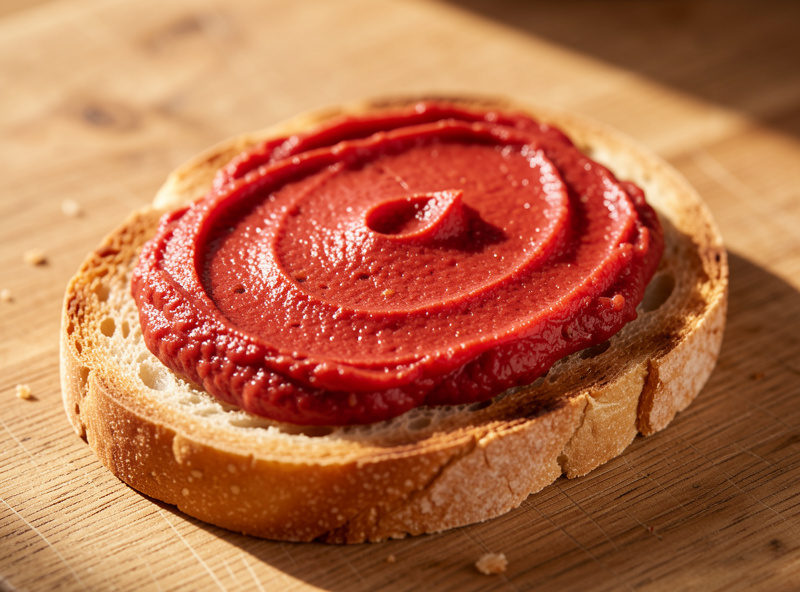
The way I prevent greasy ‘nduja is to treat the whole build as a cold chain that never breaks from freezer to casing. The night before, I cube the meat and fat and get them properly cold; an hour before grinding, they go into the freezer along with the grinder plates, blade, and mixing bowl until the edges of the meat are crunchy. I grind straight from that state, and if the paste warms at all during mixing I put the whole bowl back in the freezer for ten minutes before continuing. The stuffer and casings are ready and waiting so the paste spends as little time as possible at room temperature.
It sounds fussy, and it is — but this is a patience hobby, and the few extra minutes of cold staging are the difference between a creamy spread and an oily disappointment. The same logging discipline I use for weight loss, I apply to temperature: if a batch goes greasy, I can usually point to the exact step where the cold chain slipped, which is how you stop repeating the mistake. Once the cold-chain habit is automatic, greasy batches simply stop happening.
The One-Sentence Prevention Rule
If you remember nothing else: keep the fat cold and stop mixing early. Almost every greasy ‘nduja I have diagnosed — my own and other people’s — comes back to heat sneaking in somewhere between the freezer and the casing, or a chamber that drifted warm. Control those two things and the fatty paste that scares people becomes the most rewarding spread on the shelf. The full build that ties it all together is in my guide to making ‘nduja at home, and the chili side, which also affects how wet and smear-prone the paste is, lives in the ‘nduja chili ratio breakdown.
Frequently Asked Questions
Why is my ‘nduja greasy instead of spreadable?
The fat emulsion broke, almost always from heat. The meat, fat, or grinder got too warm during grinding or mixing, or the chamber ran too warm and rendered fat out. Keep everything near freezing, chill your tools, work fast, stop mixing early, and hold the chamber at 12 to 15 degrees Celsius.
Can I fix a ‘nduja that has already gone greasy?
Not fully. Once a fat emulsion breaks you cannot restore the creamy texture. But a mildly greasy batch that fermented and dried safely is still good to eat; it just spreads oilier. Do not extend the dry to fix it, since the problem is free fat, not moisture.
Is greasy ‘nduja unsafe to eat?
Greasy is a texture fault, not a safety fault. As long as the batch reached its fermentation pH below 5.3 and dried correctly, weeping fat does not make it unsafe. Only discard it for genuine spoilage signs like sliminess, bad sour smell, or fuzzy black-green mould.
What temperature should the meat be when grinding ‘nduja?
Near freezing. Partially freeze the meat and fat until they are firm and crunchy at the edges, and chill the grinder plates beforehand. Pork fat smears at low temperatures, so cold meat and cold tools are what keep the fat cutting cleanly instead of smearing.
Does the type of fat affect greasiness?
Yes. Hard back fat holds structure and emulsifies cleanly, while soft belly and jowl fat melt and smear far more easily. A ‘nduja built mostly on soft fat is more prone to going greasy. Use firmer back fat as the base and keep softer fats a cold-ground minority.
Further Reading
- How to Make ‘Nduja at Home: Calabrian Spreadable Salami
- Fat Smear in Salami: Causes and Prevention
- Grinding Meat for Salami: Plate Size, Temperature, and Fat
- How Long to Dry ‘Nduja
- Is Spreadable Salami Safe?