All Guides

Guides

Every technical article, build log, and curing walkthrough — organized for reference.

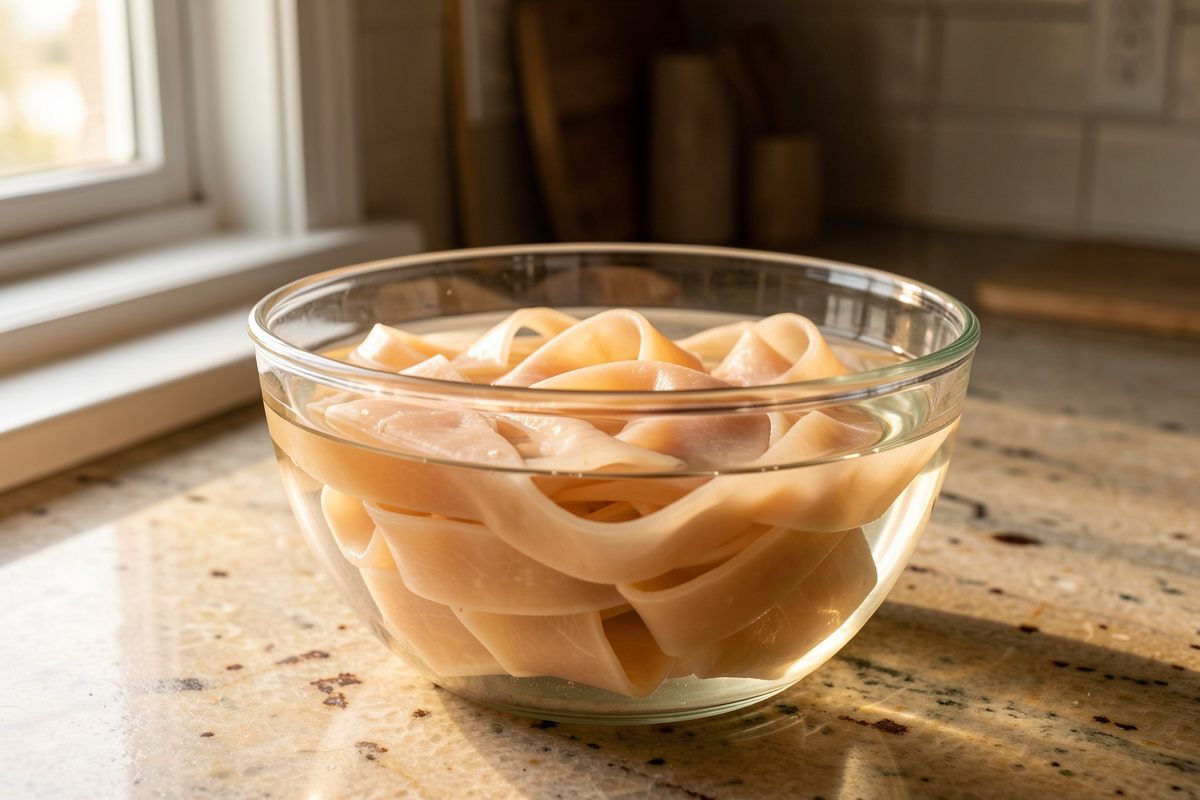
How to Soak and Flush Natural Hog Casings the Right Way
Salami & Fermented Sausage

How to Soak and Flush Natural Hog Casings the Right Way

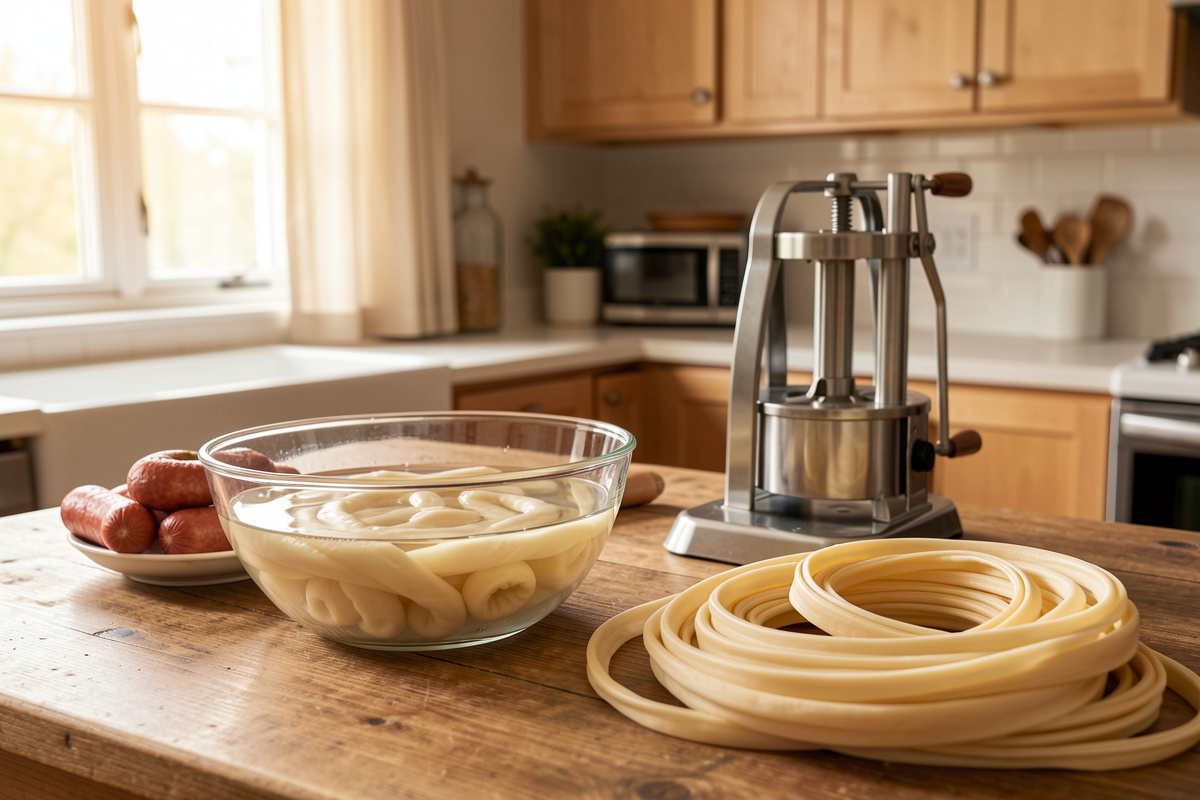
Soak salt-packed hog casings 30 to 60 minutes in lukewarm water around 30 °C, then flush the lumen from the tap until the water runs clear. That is the whole job, but the details decide whether the casing slides sweetly onto the horn or splits at the first twist. A properly hydrated, flushed casing is supple, […]
Read 10 min read
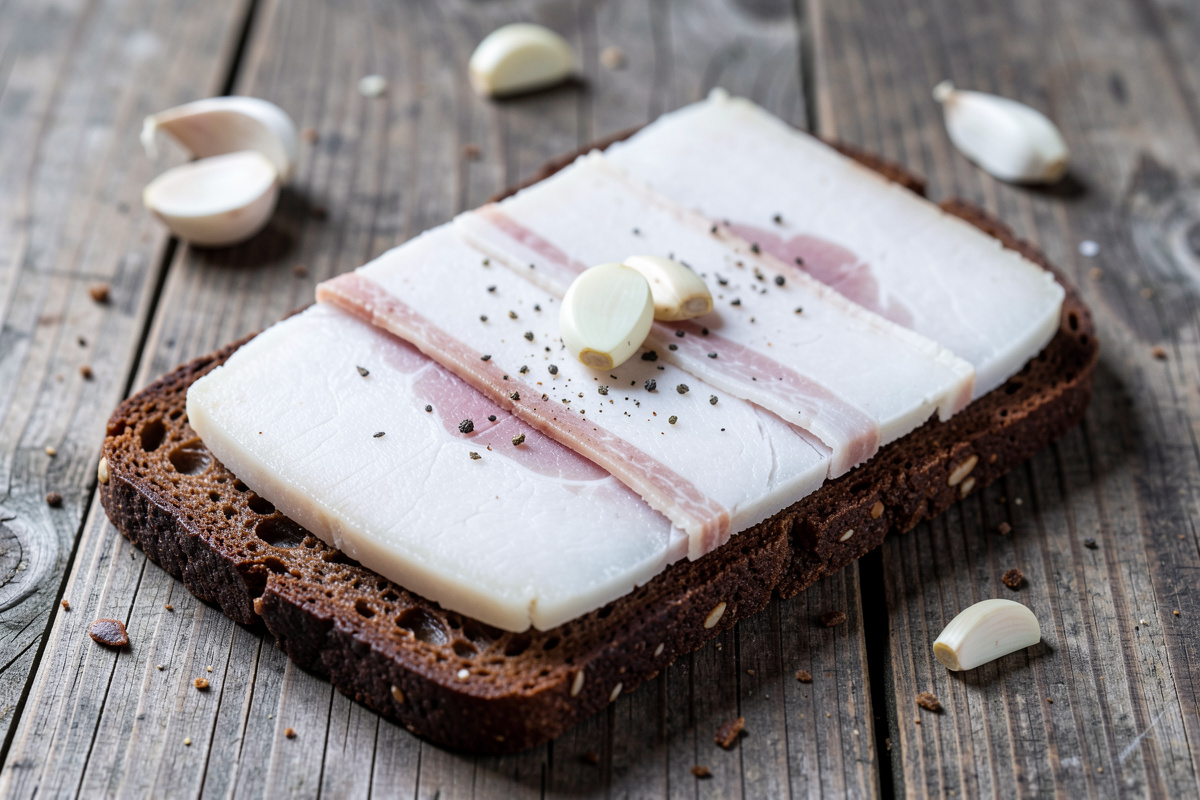
How to Make Salo: Ukrainian Salt-Cured Pork Fat
Curing Fat: Lardo, Salo & Fatback

How to Make Salo: Ukrainian Salt-Cured Pork Fat

To make salo, rub a slab of firm pork back fat heavily with salt, garlic, and black pepper, pack it tight, and cure it cold in the refrigerator for three to fourteen days. Then keep it frozen and eat it cold, sliced thin. Unlike Italian lardo, salo is not aged soft — it stays firm […]

Read 7 min read
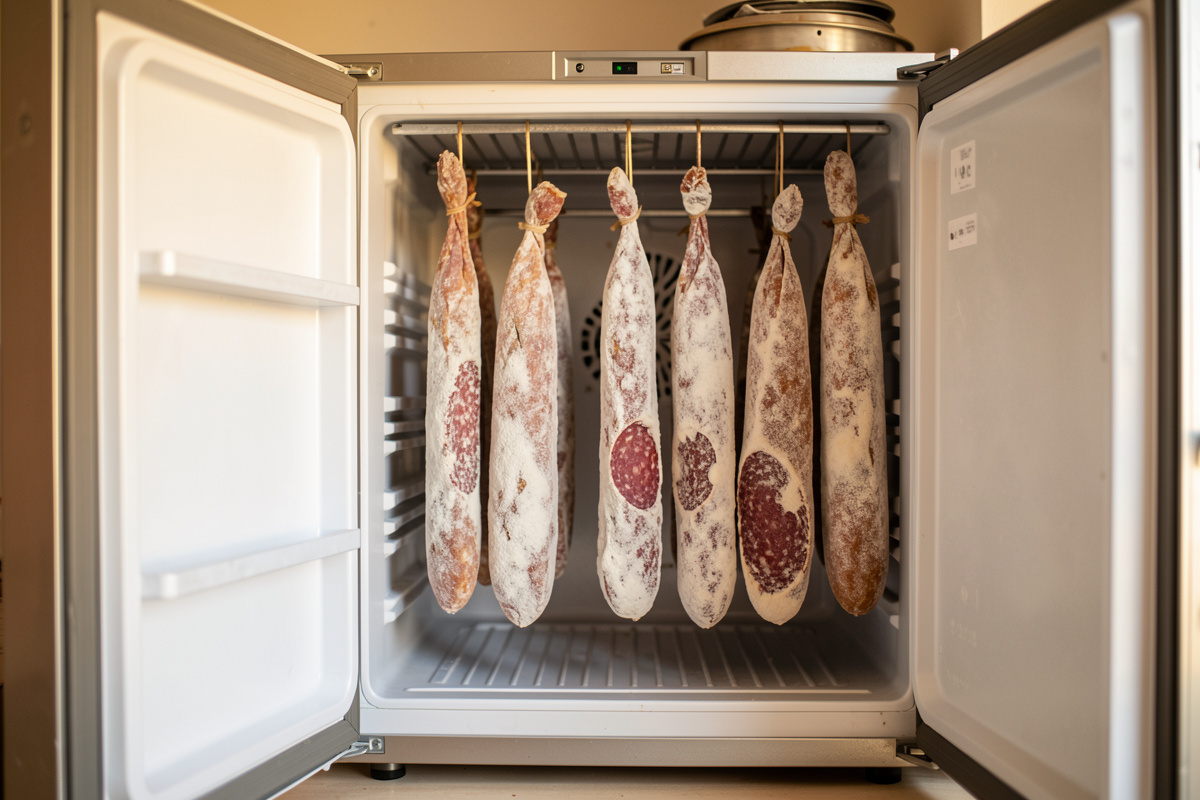
Managing Mold in Your Curing Chamber: Complete Guide
Troubleshooting & Food Safety

Managing Mold in Your Curing Chamber: Complete Guide

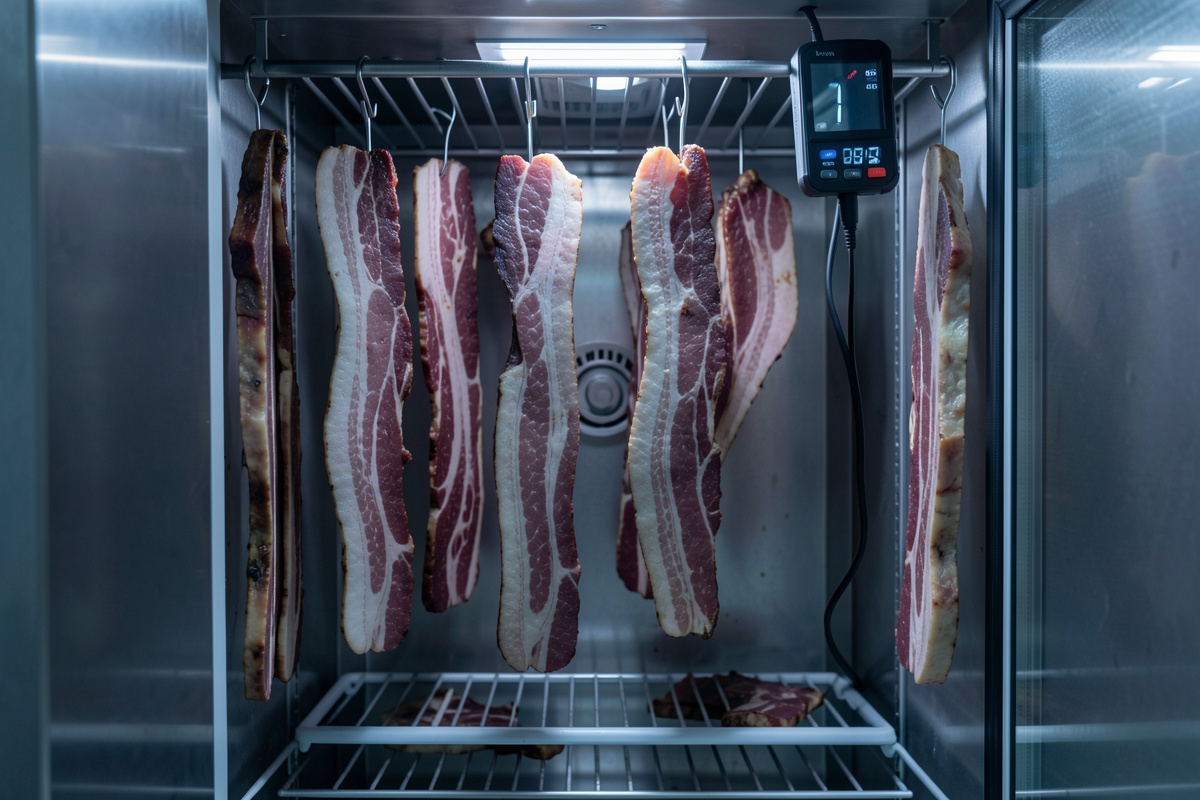
Managing mold in a curing chamber is not a one-time spray-and-forget job — it is an ongoing balancing act between the white mold you want covering your salami and the green, grey, and black molds you do not. Hold the chamber at roughly 12–15 °C and 80–85% RH early on, seed the good mold deliberately, and […]

Read 15 min read
Preparing Sausage Casings: A Complete Guide
Salami & Fermented Sausage

Preparing Sausage Casings: A Complete Guide

Casing preparation is the ten minutes that decide the next three months. Rinse and soak natural casings 30 minutes to an hour in lukewarm water, flush the lumen so it runs clear, keep everything under 4 °C at the stuffer, and pack pressure evenly. Get that right and blowouts, air pockets, and case-hardening mostly disappear. Get […]

Read 17 min read
How to Scale a Charcuterie Spice Recipe by Meat Weight
Spice, Seasoning & Binders

How to Scale a Charcuterie Spice Recipe by Meat Weight

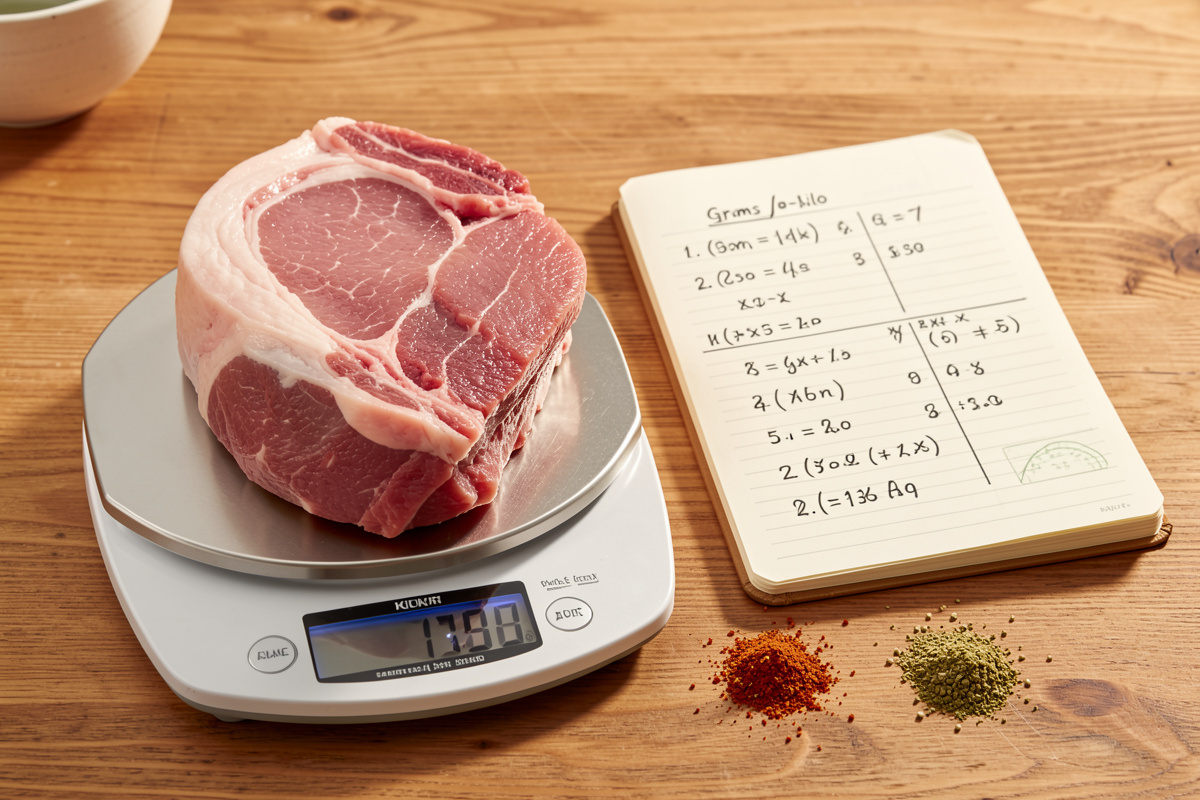
To scale a charcuterie recipe, weigh your meat in kilograms, then multiply each ingredient’s per-kilogram figure by that weight. A recipe written in grams per kilogram scales by simple multiplication: 2.5 g/kg of cure #2 for 3.2 kg of meat is 2.5 × 3.2 = 8 g. Weigh the meat first; everything else follows from […]

Read 9 min read
Controlling Humidity in Large Curing Chambers
Building a Curing Chamber

Controlling Humidity in Large Curing Chambers

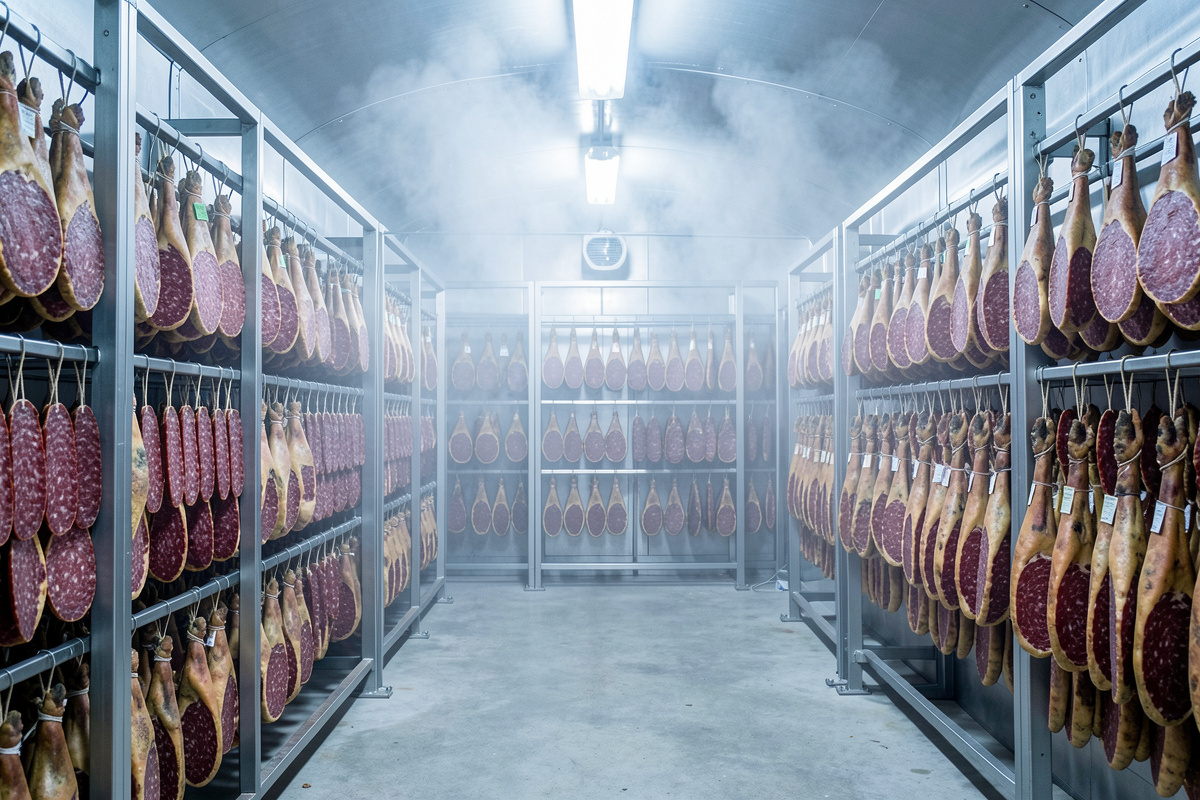
Controlling humidity in a large curing chamber means sizing active humidification and dehumidification to the box volume and giving the controller a tight band to work inside — a damp sponge that holds 78% RH in a bar fridge does nothing in a 300-litre larder box. The bigger the chamber, the more air there is […]

Read 8 min read
Bratwurst vs Weisswurst: Two Classic German Cooked Sausages
Fresh & Cooked Sausage

Bratwurst vs Weisswurst: Two Classic German Cooked Sausages

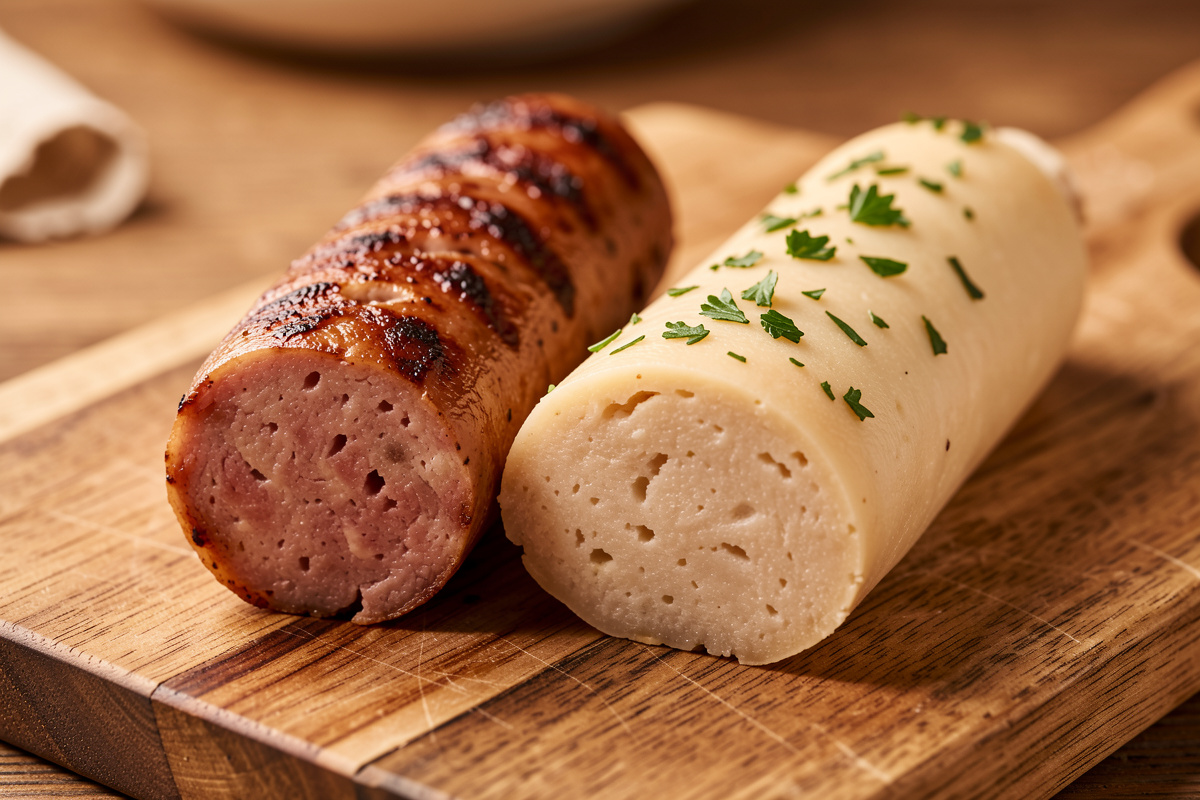
The difference between bratwurst and weisswurst is structure and cook: a bratwurst is a coarse-ground pork sausage, usually grilled or pan-fried to a 160 °F (71 °C) internal; a weisswurst is a finely emulsified veal-and-pork sausage, gently poached, never grilled. Both are German, both use hog casings, and that is where the similarity ends — one is […]

Read 11 min read
Packaging Cured Meats for Sale: Methods and Labels
Selling & Cottage Food

Packaging Cured Meats for Sale: Methods and Labels

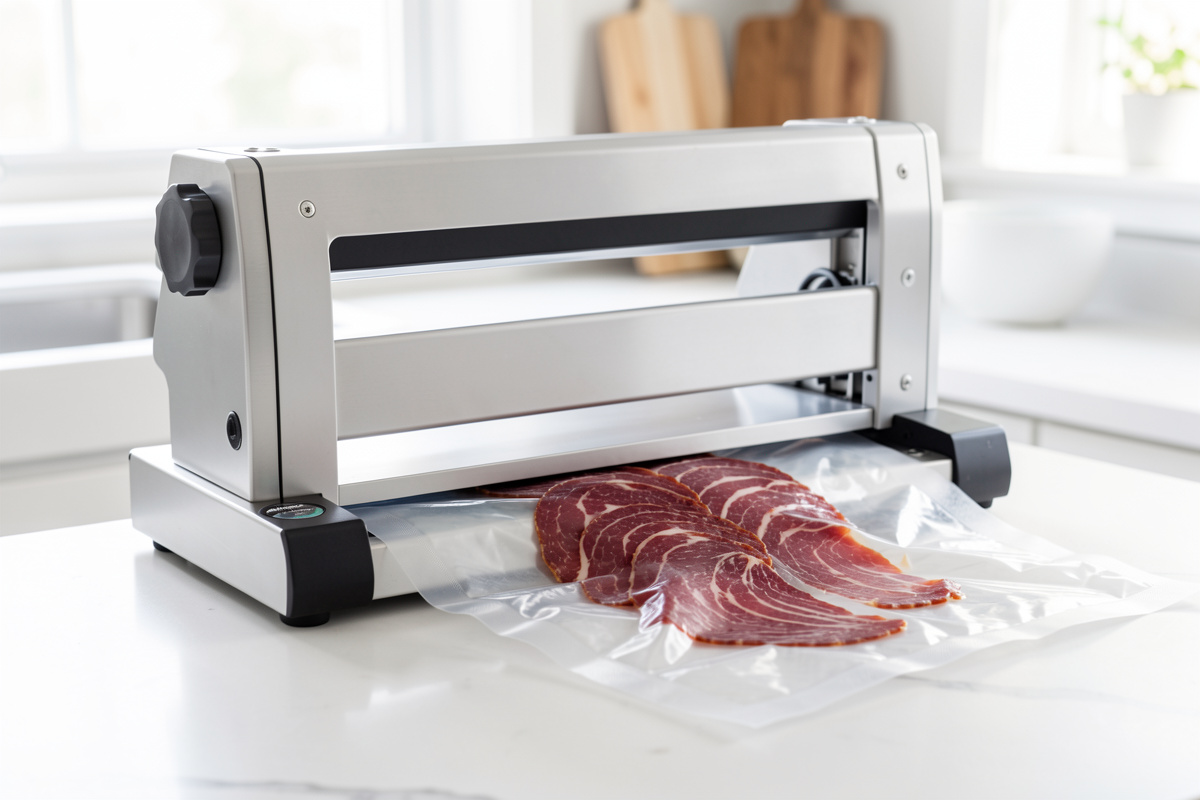
Packaging cured meat for sale is two problems at once: keeping the product physically stable, and putting a legally compliant label on it. A piece that is perfect on your chamber shelf — firm only after shedding 30 to 40 percent of its starting weight over three to four months of drying — can sweat, […]

Read 7 min read
Best Casing for ‘Nduja: Wide Beef Bung vs Sewn-End Caps
Salami & Fermented Sausage

Best Casing for ‘Nduja: Wide Beef Bung vs Sewn-End Caps

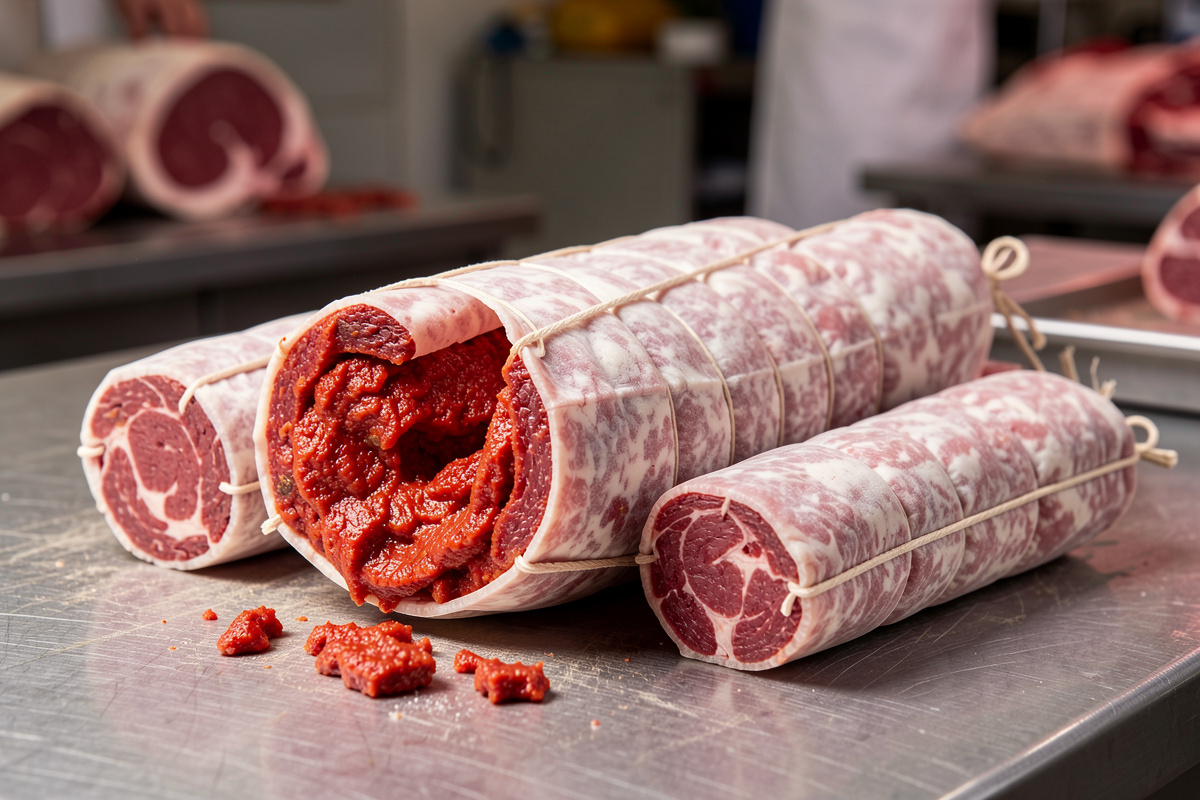
The best casing for ‘nduja is a wide one: traditionally a pork blind gut, and at home a wide beef bung or sewn-end beef cap. The soft, high-fat paste needs a large diameter to hold its shape, and a natural, breathable casing to let the long dry happen evenly. Diameter and breathability matter far more […]

Read 8 min read
Best Spice Grinder for Whole-Muscle and Sausage Cures
Spice, Seasoning & Binders

Best Spice Grinder for Whole-Muscle and Sausage Cures

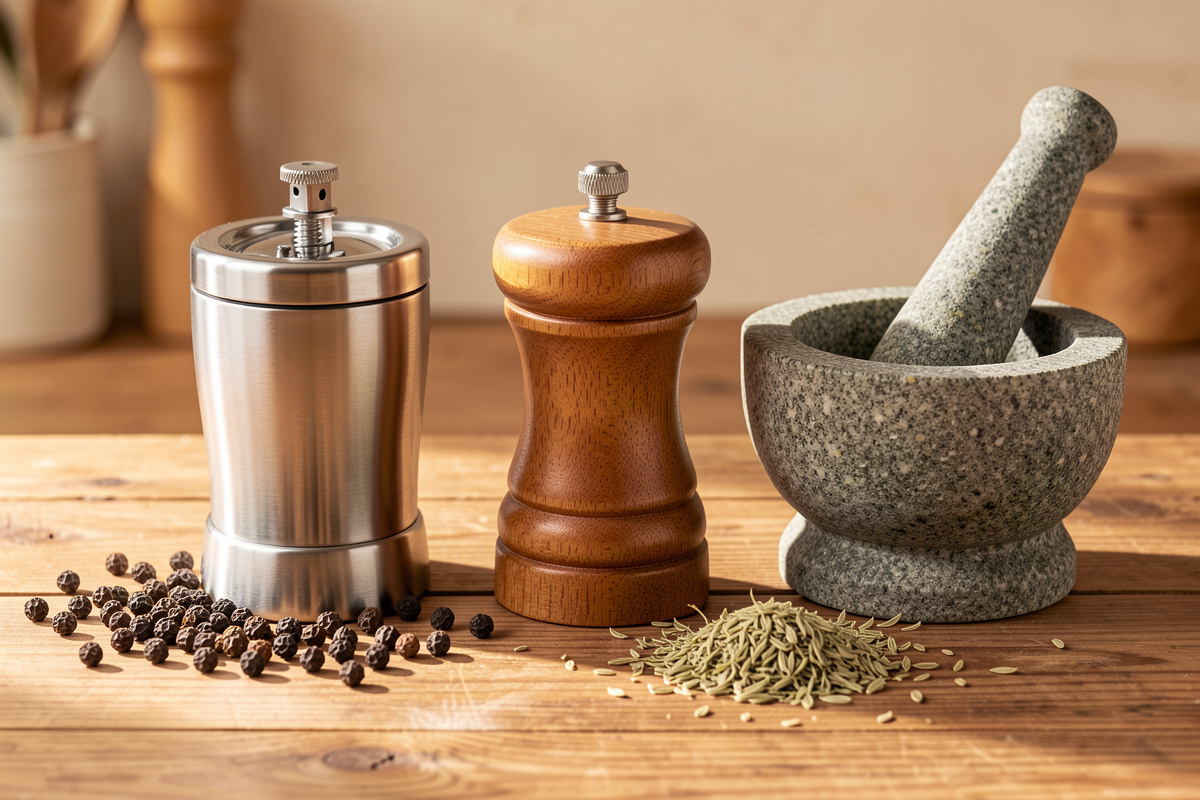
The best all-round spice grinder for charcuterie is a dedicated electric blade grinder: it costs about $15 to $30, cracks pepper coarse or grinds coriander fine depending on how long you pulse it, and it is the single highest-return tool upgrade in the hobby. For truly uniform powder step up to a burr mill, and […]

Read 10 min read
Cold Smoking Safety: Botulism Risk and How to Prevent It
Cold Smoking

Cold Smoking Safety: Botulism Risk and How to Prevent It

Cold smoking is risky precisely because it never heats the food. The product sits for hours inside what the USDA Food Safety and Inspection Service calls the Danger Zone — 40 to 140 F (4 to 60 C) — the range where bacteria multiply, and Clostridium botulinum is the one that matters most. FSIS reports that proteolytic C. botulinum can grow […]

Read 8 min read
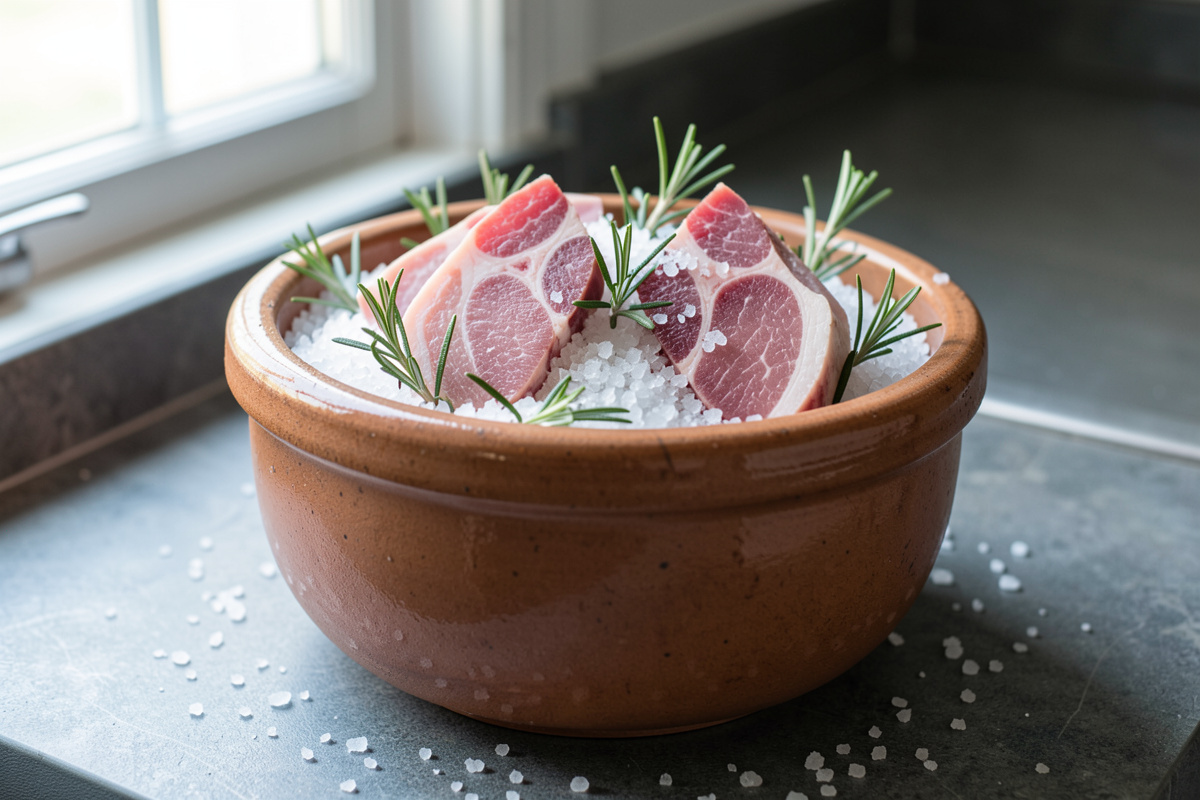
Curing Lardo Without a Marble Box: Vac-Bag and Crock Methods
Curing Fat: Lardo, Salo & Fatback

Curing Lardo Without a Marble Box: Vac-Bag and Crock Methods

You do not need a marble box to make lardo. A vacuum bag or a food-grade crock cures back fat just as safely and more repeatably — you weigh the salt and cure #2 to the fat, seal it cold for two to three weeks, then age it in your chamber. The marble conca is […]

Read 7 min read