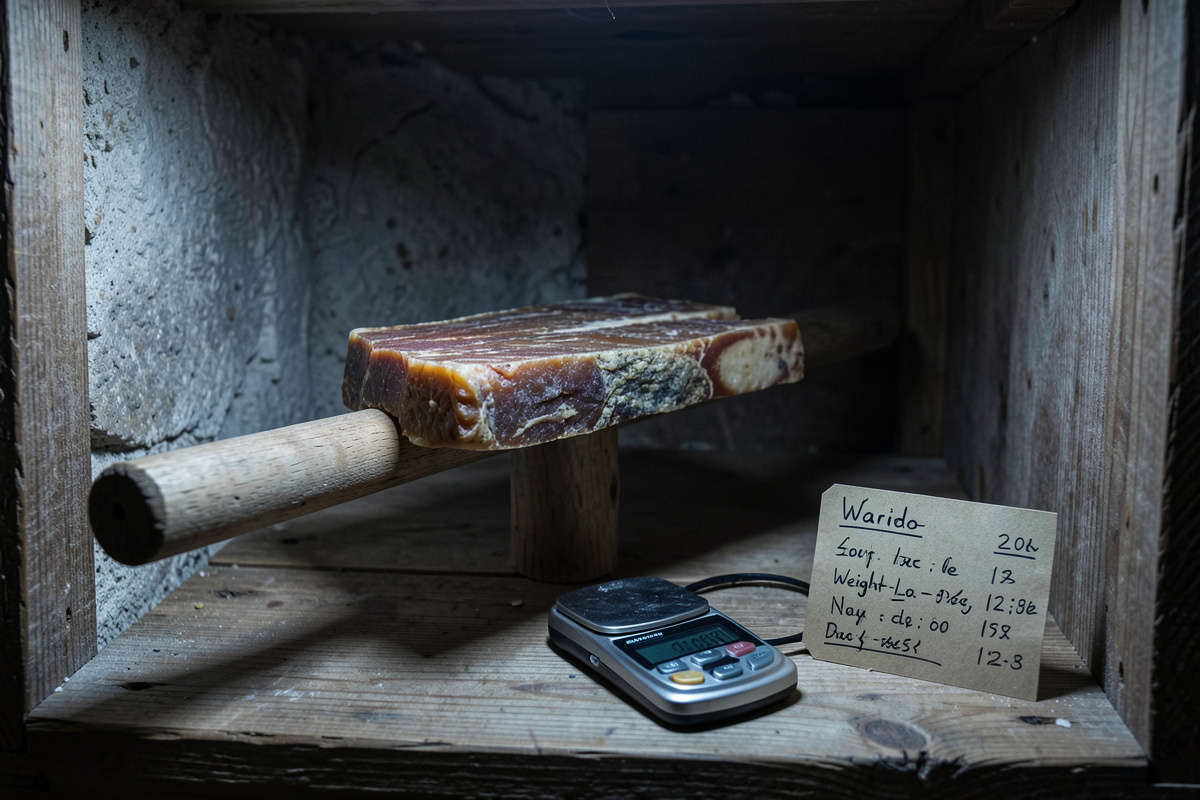
How Long to Cure Lardo: Salt-Box Timeline and Weight Check
July 16, 2026

Lardo takes one to three weeks in the salt phase, then a minimum of six to eight weeks aging at cellar temperature, with the best slabs going three to four months. Unlike lean charcuterie, it barely loses weight — a finished lardo sheds only 10–15%, so firmness and translucency, not the scale, tell you it is done.
“How long” is the question that trips up anyone coming to lardo from lean curing, because the honest answer breaks the rule they trust most: weight loss. I log the weight on every piece that goes into the chambers I run, and back fat is the one product where that number lies to you. This guide lays out the real timeline, week by week, and explains why the scale is a supporting act here — building on the hub on how to cure lardo at home.
The Two Phases and Their Timings
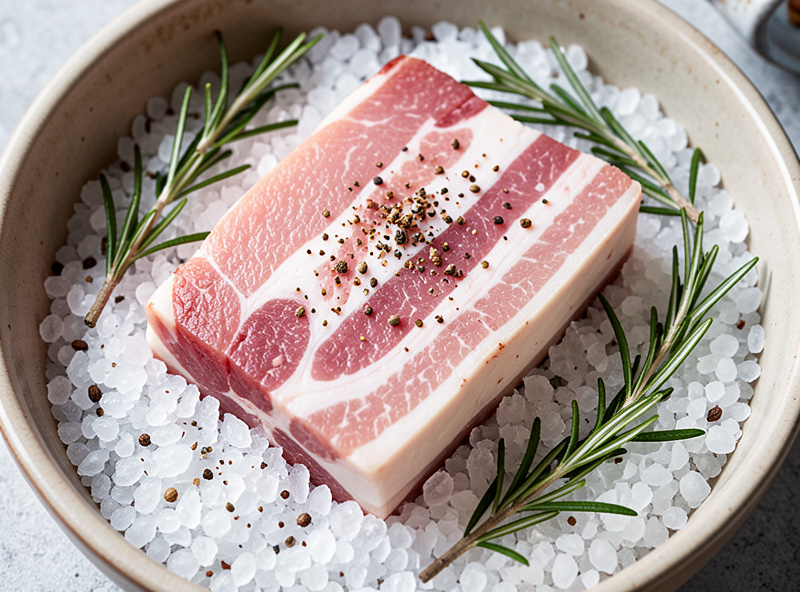
A lardo cure has two distinct phases. The salt phase runs one to three weeks in the cold — a week or two for a slab buried in a salt box, two to three weeks for an equilibrium cure in a vacuum bag. This is where salt and cure #2 penetrate and firm the fat. The aging phase follows, in the chamber at 12–15 °C and 75–80% humidity, and it runs from a six-to-eight-week minimum up to three or four months for depth of flavor and texture.
Thickness drives both numbers. A one-inch slab moves through the salt phase and reaches pleasant eating faster than a two-inch piece, which rewards the longer hang. There is no penalty for patience with lardo — a slab held four months is not “over-cured,” it is better — so when in doubt, wait. The only clock that matters is the fat itself.
A Week-by-Week Timeline
Here is the schedule I follow for a typical inch-and-a-half slab, from salt to plate. Treat the aging weeks as a floor, not a ceiling.
| Stage | Timing | What Is Happening | What to Check |
|---|---|---|---|
| Salt phase | Days 1–14 | Salt and cure #2 penetrate; fat firms | Flip every few days; drain brine |
| Rinse & dry | Day 14–15 | Surface salt removed, fat patted dry | Even firmness, no soft spots |
| Early aging | Weeks 3–5 | Surface dries; any bloom appears | Wipe mold; confirm steady RH |
| Mid aging | Weeks 6–8 | Fat firms, salt equalizes | Firmness, first taste possible |
| Full aging | Months 3–4 | Translucency and depth develop | Waxy density, even salt, aroma |
The earliest I will eat a lardo is around the eight-week mark, and it keeps improving from there. If you pull it at six weeks it will be pleasant but a little firm and flat; give it the full season and it turns silky. That patience is the whole reason lardo taught me to slow down — it is the antithesis of an instant hobby.
Why the Scale Barely Moves
On a coppa or a bresaola, I trust weight loss as the doneness signal — 30–40% loss means the water activity has dropped enough to be both safe and done. Lardo cannot play that game, because back fat is roughly 90% lipid and holds almost no water. There is simply nothing to evaporate. A finished lardo typically loses only 10–15% of its weight over months, and the curve flattens fast — most of that small loss happens early, then it plateaus.
So I still weigh it — I weigh everything, and logging the curve tells me the chamber is behaving — but for fat I read the number as a supporting signal, not a verdict. If a lardo has lost 12% and stopped moving, that is normal, not stalled. Waiting for a 35% loss that will never come is the single most common way people leave a perfectly finished lardo hanging for no reason. Reset that expectation and the timeline suddenly makes sense.
Reading Doneness by Feel, Not Number
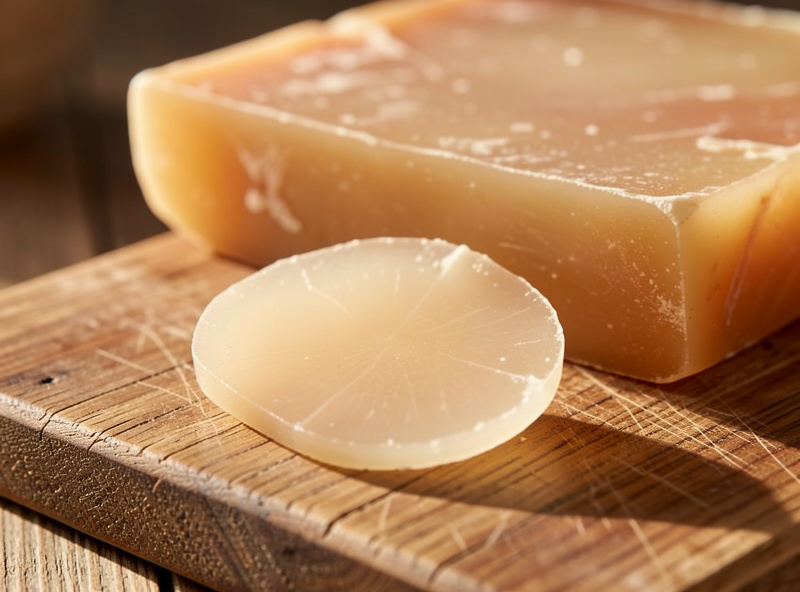
Since the scale is quiet, you read a lardo three other ways. Firmness: a done slab is dense and waxy, firm to the press rather than soft or greasy. Translucency: hold a thin slice to the light — finished lardo goes from opaque white to faintly translucent, a sign the fat structure has matured. Salt balance: taste a sliver; a done lardo is evenly seasoned with no single sharp bite, meaning the salt has fully equalized through the slab.
When those three line up, it is ready, whatever the week count says. Because lardo does not case-harden the way a lean cut does — there is no wet core to trap behind a dry shell, so the failure you fight on a rushed salami simply is not in play — you have wide latitude to let it ride. The genuine risks over a long hang are surface mold, which you manage with hygiene and steady humidity, and slow oxidation, which is why a well-aged slab still wants to be kept covered and dark. Neither is a reason to rush the clock.
What Speeds Up or Slows Down the Clock
Several things shift the timeline within those ranges, and knowing them lets you plan rather than guess. Thickness is the biggest lever: a one-inch slab can be pleasant at six weeks, while a two-inch piece really wants ten to sixteen weeks to mature fully. Salt method matters too — a salt-box cover cure firms the surface a touch faster than an equilibrium bag, though both reach the same finished state. Chamber conditions are the third factor: a slab held at the cool end of the envelope, around 12 °C, ages a little slower and more evenly than one nearer 15 °C, and steadier humidity means fewer interruptions to wipe mold or recover a drift.
Salo runs on a completely different clock, and it is worth stating alongside this so you do not confuse the two. A salt-cured salo is done in three to fourteen days in the fridge, because it is never aged soft — you are seasoning and firming the fat, not maturing it over a season, then freezing it. So if someone quotes you a “few days” cure time for pork fat, they are describing salo, not lardo. The two share a raw material and almost nothing about their schedule, which is exactly why I keep the two guides separate.
One last note on record-keeping: even though the scale is quiet on lardo, I still date and weigh every slab going in and note the starting number on a tag. A flat weight curve that suddenly starts dropping fast late in the hang is a useful early warning that the chamber has drifted dry, and catching that costs nothing when you have the log.
Further Reading
- How to Cure Lardo at Home: The Complete Guide
- Best Fat for Lardo: Back Fat Thickness and Where to Source It
- Curing Lardo Without a Marble Box: Vac-Bag and Crock Methods
- When Is Whole-Muscle Charcuterie Done? Weight vs Feel
- Lardo vs Salo vs Fatback: Three Ways to Cure Pork Fat
Frequently Asked Questions
How long does lardo take to cure?
One to three weeks in the salt phase, then a minimum of six to eight weeks aging at 12–15 °C, with the best slabs going three to four months. Thicker slabs reward the longer hang, and there is no penalty for patience.
How much weight should lardo lose?
Only about 10–15 percent over months, because back fat holds almost no water to evaporate. This is nothing like the 30–40 percent a lean cut loses, so weight is a supporting signal for lardo, not the doneness verdict.
How do I know when lardo is done if it barely loses weight?
Read firmness, translucency, and salt balance. A done slab is dense and waxy, goes faintly translucent when a thin slice is held to light, and tastes evenly seasoned with no sharp bite. When those three align, it is ready.
Can you cure lardo too long?
Not really. A slab aged four months is better, not over-cured, because there is no wet core to worry about and fat matures slowly. The main long-hang risks are surface mold and slow oxidation, both managed by hygiene and keeping it covered.
When can I first taste my lardo?
Around the eight-week mark it is pleasant to eat, though a little firm and flat. It keeps improving, so give it the full three to four months for the silky, translucent texture that makes lardo worth the wait.