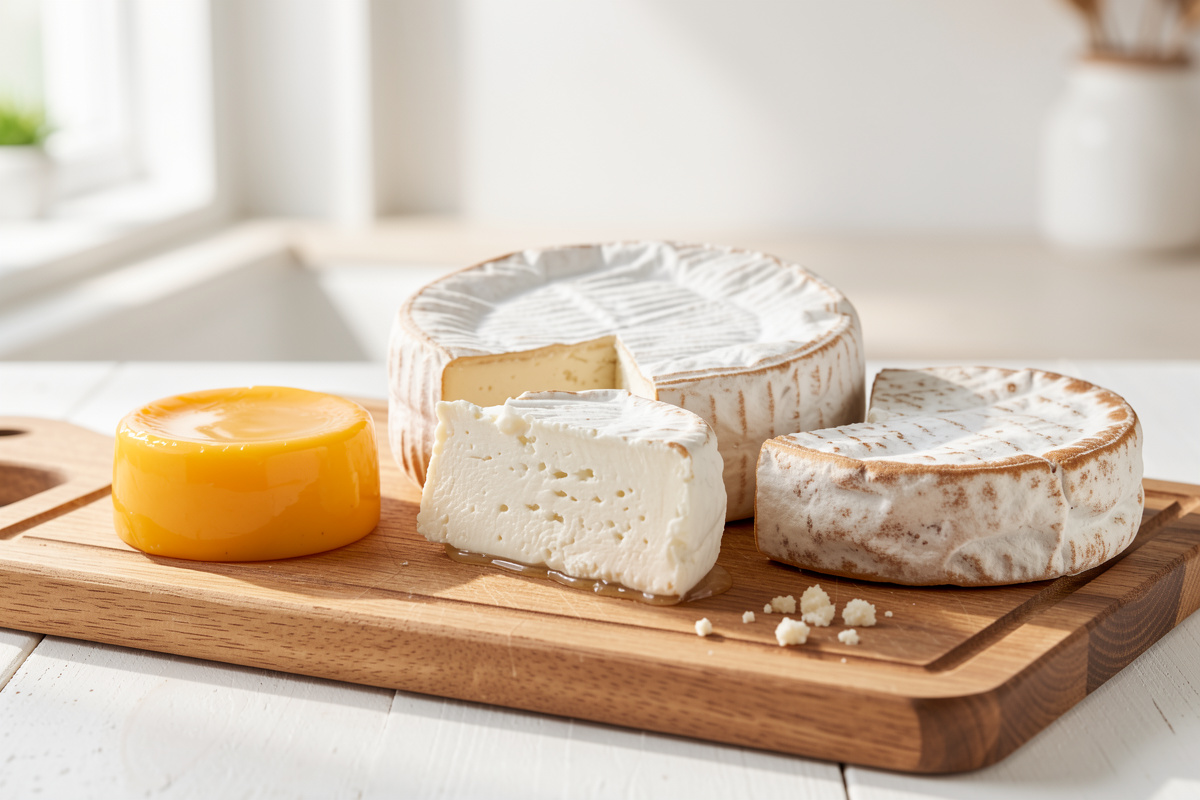

If you want aged cheese in three months or less, the trick is choosing cheeses that improve quickly rather than ones that need a year. Young Goudas, quick cheddars, Caerphilly, tomme-style wheels, and feta all reward a short age — they sharpen, firm up, and gain character on a timeline a impatient beginner can actually live with. These are the cheeses I reach for when I want a result fast rather than a project I’ll forget about by autumn.
Not every cheese benefits from a short age, and pushing a slow-developer to “done” in eight weeks just gives you a young, bland version of itself. The skill is matching the cheese to the clock: some styles peak early and others only get interesting after six months. This guide is about the early peakers — the ones built for the patience-light end of the hobby. If you want the safest first wheels regardless of speed, my beginner cheese list covers low-risk picks; here the focus is purely on how fast each one gets good.
What Makes a Cheese Age Quickly
Cheeses age fast when they are higher in moisture, smaller in format, or made with active cultures and a touch more salt — all of which speed the enzymatic breakdown that builds flavor. A small, moist wheel simply changes faster than a dense 5 kg block.
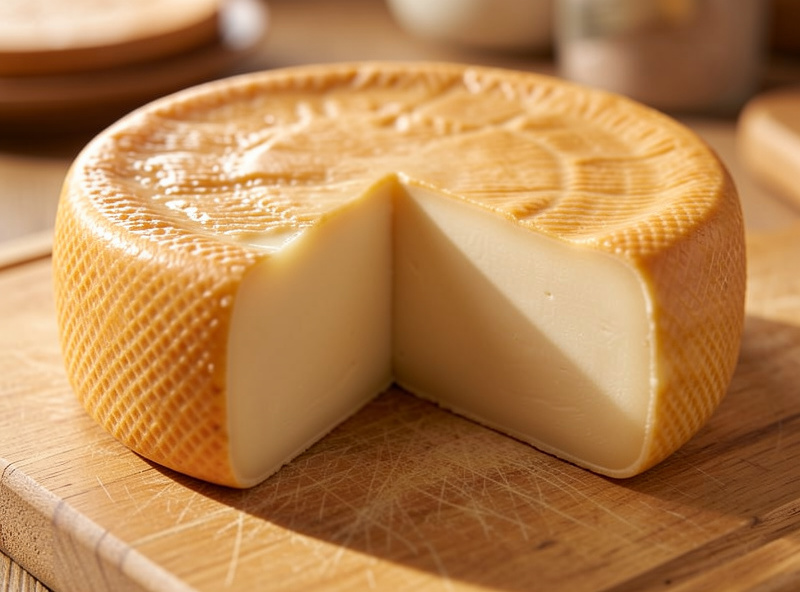
Moisture is the biggest lever: a wetter paste lets enzymes and residual cultures work quickly, so a higher-moisture young cheese can taste mature in weeks where a hard, dry alpine wheel needs many months. Size matters too, because ripening works inward from the surface and a small format finishes sooner. And the culture mix the cheese was made with sets its pace — washed-rind and surface-ripened styles flavor fast because the rind ecology does aggressive work. For a three-month window, you want cheeses that lean moist and modest in size.
The Best Cheeses to Age in 3 Months or Less
These styles all give a real, noticeable payoff inside a three-month age — some far sooner. Each is forgiving enough to suit a converted-fridge cave or even waxing in a normal fridge.
- Young Gouda (4–8 weeks) — waxed or natural, a young Gouda smooths and turns nutty fast. One of the most rewarding short ages there is.
- Quick cheddar (6–12 weeks) — a milder, moister cheddar made for early eating sharpens noticeably by two to three months without the year a traditional cheddar wants.
- Caerphilly (3–6 weeks) — a classic fast Welsh cheese, designed to be eaten young with a fresh, lemony tang and a thin natural rind.
- Tomme-style (8–12 weeks) — a rustic natural-rind wheel that develops a lovely grey rind and earthy paste on a short timeline.
- Feta (1–4 weeks brined) — technically a brine-aged cheese; it sharpens and firms in its brine within weeks, the fastest “aged” result you can make.
- Halloumi and queso fresco — eaten fresh or after a brief firm-up, for when even a month feels long.
How Fast Each One Gets Good
The honest answer is that “aged” means something different for each style, so here is roughly when each turns the corner from young to genuinely worth eating.
| Cheese | Aging time | Format | What you get |
|---|---|---|---|
| Feta | 1–4 weeks (brined) | Blocks in brine | Sharp, salty, firm |
| Caerphilly | 3–6 weeks | Small wheel, thin rind | Fresh, lemony tang |
| Young Gouda | 4–8 weeks | Waxed or natural wheel | Smooth, nutty, mild |
| Quick cheddar | 6–12 weeks | Waxed block | Gently sharp, firm |
| Tomme-style | 8–12 weeks | Natural-rind wheel | Earthy, rustic rind |
Conditions for a Fast, Safe Short Age
Hold the same envelope a slow cheese would want — roughly 11 °C and 80–85% RH for natural-rind wheels — but check more often, because fast cheeses also dry out and develop rind faster. A waxed young Gouda or quick cheddar can sit in an ordinary fridge instead, which is part of why these are the beginner-friendly speed picks.
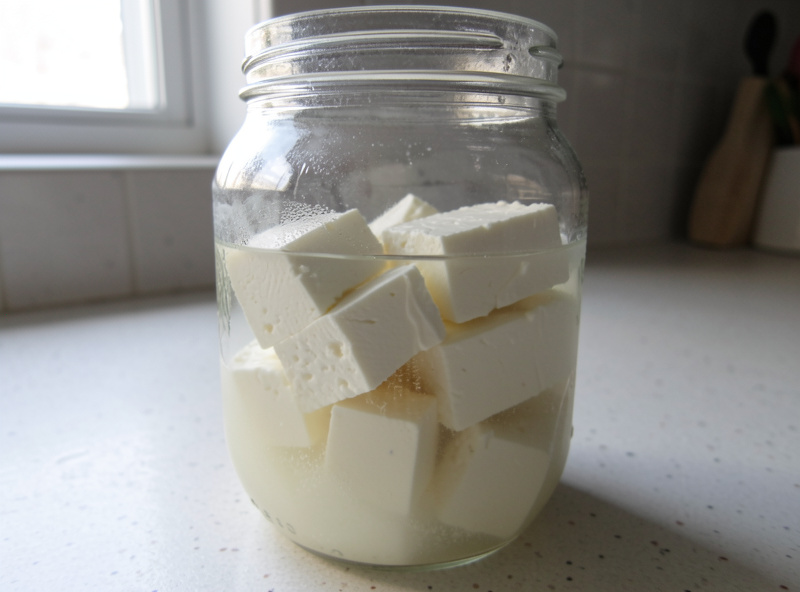
Short aging is not an excuse to cut safety corners. Feta must stay submerged in a salt brine of the right strength; a natural-rind tomme still needs real humidity and airflow or it case-hardens within a fortnight at this pace. Weigh and date every wheel as you would a long age — a fast cheese hitting its target weight loss is your signal it is ready, and it gets there sooner. And the spoilage rules don’t change: fuzzy black or pink growth, slime, or a genuinely off smell means bin it, fast cheese or not.
What Not to Rush
Some cheeses simply cannot be hurried, and trying just wastes good milk. Traditional aged cheddar, Parmesan-style grana, aged alpine wheels like Gruyère, and most blues need six months to several years to develop — at three months they are bland, rubbery, or sharp in the wrong way. If a recipe’s whole point is long age, respect it.
The mistake I see is treating “fast” as a setting you can apply to any cheese by aging it warmer. Warmer does speed enzyme activity, but past about 14 °C you invite slip-skin, off yeasts, and fat-out long before you get good flavor. Speed comes from choosing the right cheese, not from overheating the wrong one. Pick a style built for a short life and the three-month window is plenty; pick a slow developer and no temperature trick will save it.
Frequently Asked Questions
What cheese ages fastest at home?
Feta ages fastest, sharpening and firming in its brine within one to four weeks. Among rind cheeses, Caerphilly is ready in three to six weeks and young Gouda in four to eight. These higher-moisture, smaller-format styles ripen far faster than dense aged cheddar or alpine wheels.
Can you age cheese in 3 months?
Yes, if you choose cheeses built for a short age. Young Gouda, quick cheddar, Caerphilly, and tomme-style wheels all develop real character within three months. Slow developers like traditional cheddar, Parmesan, and most blues need six months to years and stay bland at three.
Why do some cheeses age faster than others?
Higher moisture, smaller format, and active cultures all speed ripening. A wet, small wheel lets enzymes work quickly and finishes from the surface inward sooner, while a dense, dry, large block needs many months for the same flavor development.
Can I speed up aging by raising the temperature?
Only slightly, and at real risk. Above about 14 degrees Celsius you invite slip-skin, off yeasts, and oily fat-out before good flavor develops. Speed comes from picking a fast-ripening cheese, not from overheating a slow one. Hold around 11 degrees and choose the right style.
Do fast-aging cheeses still need a cave?
Natural-rind fast cheeses like Caerphilly and tomme still need 80 to 85 percent humidity and airflow or they case-harden quickly. But waxed young Gouda or quick cheddar age fine in an ordinary fridge, which is why those are the most beginner-friendly speed picks.
How do I know a fast-aged cheese is ready?
Use weight loss and taste. A natural-rind wheel hitting its target weight loss is ready, and fast cheeses reach it sooner. Taste a small piece at the lower end of the time range and decide. Date and weigh every wheel so you have a real reference.
Is feta really an aged cheese?
Feta is brine-aged rather than cave-aged, but it genuinely matures. Over one to four weeks submerged in salt brine it firms, sharpens, and develops its characteristic tang. It is the fastest aged-cheese result you can make at home with reliable, safe conditions.
Further Reading
- Home Cheese Aging: The Complete Guide
- Best Cheese to Age at Home for Beginners
- Build a Cheese Cave From a Mini Fridge
- Natural Rind vs Waxed vs Vacuum Aging