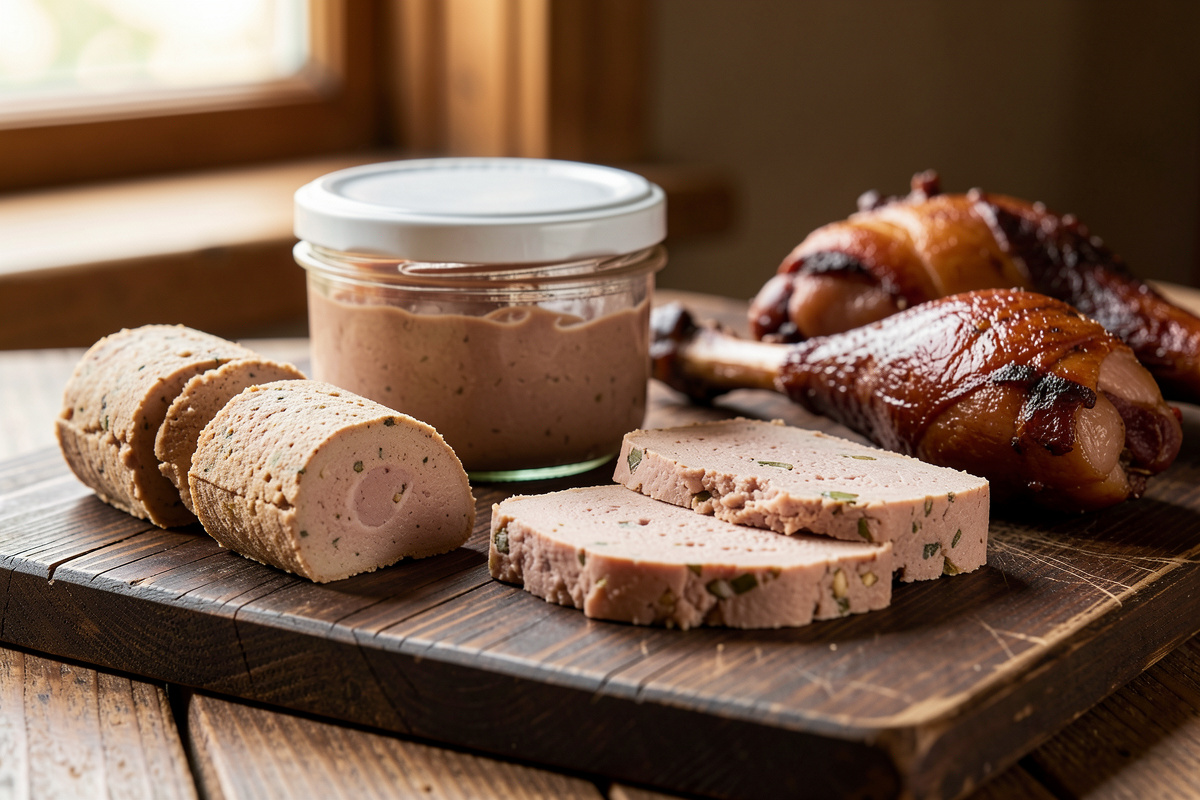

Confit, rillettes and terrines are the cooked side of charcuterie: meat made to keep by cooking it gently, then sealing it away from air under its own fat. Done right, a fat-capped pot of rillettes holds in the fridge for two to three weeks, and confit submerged in fat keeps for a month or more refrigerated. None of it is shelf-stable at room temperature.
That last sentence is the whole reason this guide exists. The romance around confit says peasants kept duck legs in a crock in the larder all winter, and people repeat it as if a fat seal were a magic preserve. In the chamber-and-thermometer world I write from, it is not. Fat keeps oxygen out, which slows the fats going rancid and stops surface spoilage organisms — but the inside of a fat-sealed, low-acid piece of meat is exactly the airless, low-oxygen environment Clostridium botulinum likes. So the fat is a flavour and texture trick that extends fridge life, not a substitute for the fridge. Get that straight and everything below is safe, generous, delicious food.
Three techniques, one idea: cook gently, store under fat
Confit, rillettes, terrines and pâté look like three different dishes, but they share one engine. You cook meat slowly at a low temperature until it is tender and its proteins are set, then you preserve the cooked meat by excluding air — usually with a layer of fat, sometimes by pressing and chilling. Compare that with the dry-cured side of this site (the whole-muscle charcuterie world of pancetta, coppa and guanciale), where you preserve raw meat by drawing water out with salt over weeks in a humidity-controlled chamber.
The cooked-and-potted family is faster, friendlier and far more forgiving. You do not need a curing chamber, a humidity controller, or three months of patience. You need a low oven or a sous-vide bath, a thermometer, good fat, and a clean jar. For an impatient ADHD brain that took years to learn to wait three months for a coppa, confit was the gateway drug — a charcuterie result in an afternoon. The fermenter’s lens still applies, though: you are managing water, fat and microbes, just with heat doing the work instead of time.
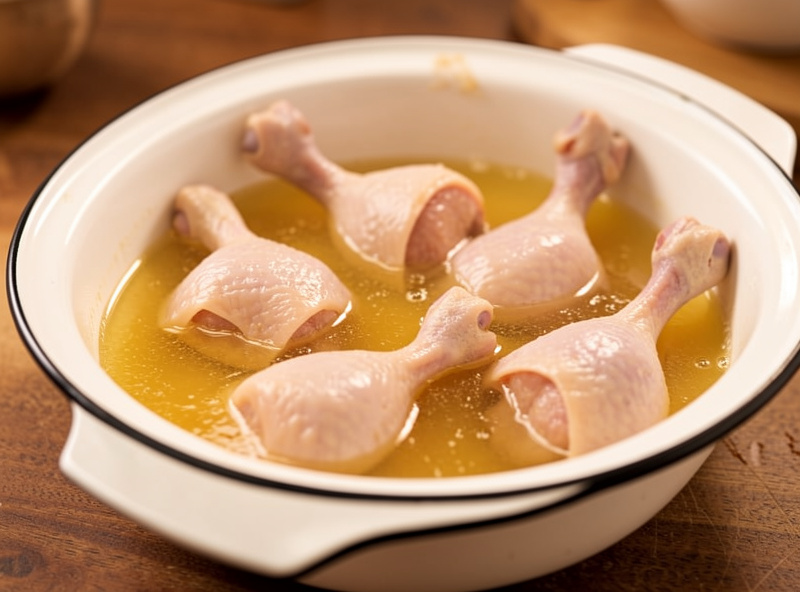
Confit: meat poached in fat, then stored under it
Confit is meat — classically duck legs, but also chicken, pork, or goose — that is lightly salt-cured, then cooked slowly while completely submerged in fat at around 85–90 °C (185–195 °F) until it is spoon-tender, then cooled and kept under that same fat. The word comes from confire, to preserve. The salting step is short, not a full cure: a typical overnight dry-salt at roughly 15–20 g of salt per kilo of meat, rinsed and dried before cooking.
The fat does three jobs. While cooking, it conducts heat gently and evenly, so the meat never boils or dries — the texture is the silkiest thing you can do to a duck leg. While storing, the set fat forms a physical barrier against oxygen and surface contamination. And on the plate, you crisp the skin in a hot pan and the rendered duck fat is the bonus prize for your roast potatoes. My full method is in the duck confit at home guide, and the temperature-and-timing logic that applies to every confit lives in preserving confit in fat.
Two honest constraints. First, confit is refrigerated food. Fully submerged in fat, in a clean sealed container, it keeps a few weeks to a couple of months in the fridge; for longer than that, freeze it. Second, the fat must fully cover the meat with no protruding bones or shoulders breaking the surface — an exposed nub is a spoilage entry point and a mould start.
Rillettes: cooked, shredded, and potted under a fat cap
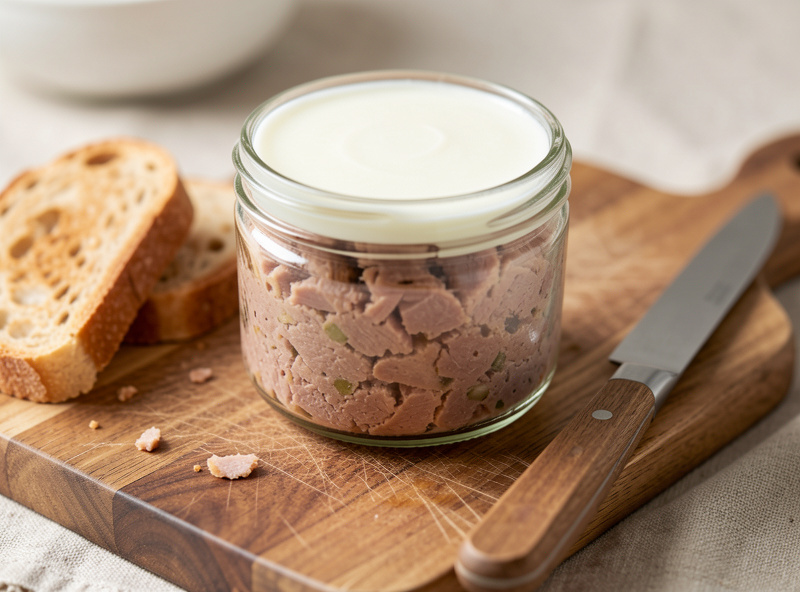
Rillettes take the same cook-low-in-fat idea and push it further: the meat (pork shoulder and belly is the classic, but duck, rabbit and goose all work) is cooked gently for hours until it falls apart, then shredded — never blended — into soft strands, seasoned, bound with some of its own cooking fat, and packed into jars or ramekins. You smooth the top, pour a clean layer of melted fat over it to seal, and chill. The texture should be spreadable and a little stringy, not a smooth paste. It is the most relaxed thing in this whole cluster and the recipe I hand to anyone who says charcuterie is intimidating: the pork rillettes recipe guide walks the whole thing.
The fat cap is the same preservation logic as confit — exclude air — and the same limit applies. An unbroken fat seal, kept refrigerated, buys you two to three weeks. The moment you dig a knife in and breach the cap, you have started the clock; eat that pot within about a week. Rillettes also freeze well, which is how I keep a Christmas batch from going to waste in January.
Terrines and country pâté: forcemeat set in a mould
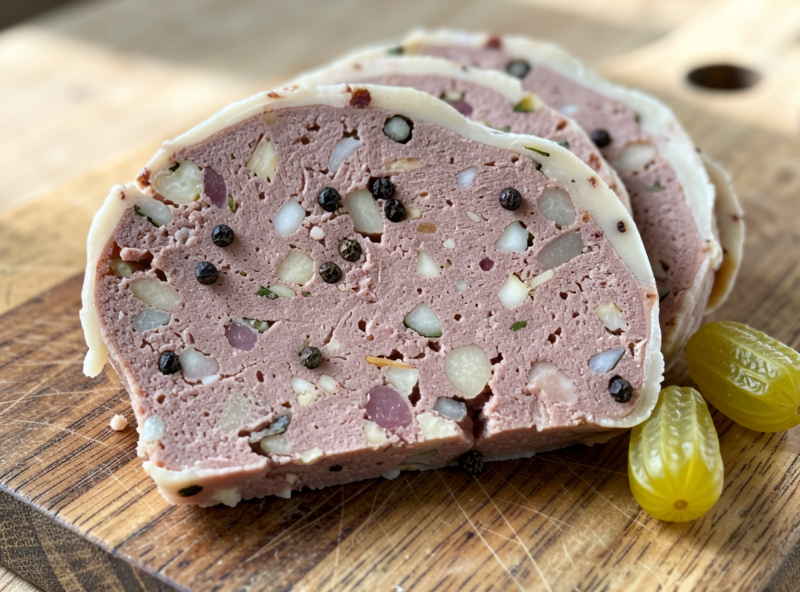
Terrines and pâtés are the structured end of the family. Here you build a forcemeat — ground meat and fat, seasoned, often bound with egg and a little flour or breadcrumb, sometimes studded with liver, pistachios, or strips of marinated meat — then pack it into a mould and cook it gently in a water bath until it sets at an internal temperature of about 65–70 °C (150–160 °F). A “terrine” technically refers to the lidded earthenware dish; a “pâté” to the forcemeat itself; pâté de campagne (country pâté) is the coarse, rustic version most home cooks start with. The full method, including how to keep a terrine from crumbling when you slice it, is in the terrine making guide.
This is where curing salt earns its place. A country pâté is cooked and then kept refrigerated for up to a week or so, and a small, correct dose of cure #1 (the 6.25% sodium-nitrite “pink salt” — see pink salt and nitrates explained) gives it the rosy cured colour, the savoury cured flavour, and a margin of safety against Clostridium during the long, slow, low-temperature cook and the days of cold storage that follow. The standard rate is 2.5 g of cure #1 per kilo of total forcemeat, which lands you at the legal-and-safe 156 ppm nitrite. It is optional for a pâté you will eat the same day; I use it for any pâté I want to keep, and the charcuterie food safety guide explains exactly why.
Where these sit next to dry-curing — and why they are easier
If you have read the rest of this site, you know dry-curing is a slow negotiation with humidity. Too humid and you risk spoilage; too dry and you get case hardening — a dried shell trapping a wet core. You manage relative humidity around 75–80%, you weigh every piece (I log weight on everything), and you wait for a 30–40% weight loss before you call it done. That whole apparatus exists because the meat is raw and you are removing water to make it safe.
Confit, rillettes and terrines skip all of it because heat does the safety work up front. You cook the meat to a safe, set state, then you only have to keep it — and keeping it under fat in a cold fridge is a far simpler problem than holding 76% RH for three months. The trade-off is shelf life: a dry-cured coppa is shelf-stable and lasts months hanging; a confit or a terrine is fridge food measured in weeks. Different tools for different jobs. The salting and the fermenter’s instinct for water and microbes carry straight over — it is the same chemistry that drops the pH in a salami, just expressed through cooking rather than culture.
How the three techniques compare
| Technique | What it is | Cook target | Curing salt? | Fridge life (sealed) |
|---|---|---|---|---|
| Confit | Whole pieces poached in fat | Fat at 85–90 °C (185–195 °F), several hours | No (short salt cure only) | Several weeks to ~2 months, fully submerged |
| Rillettes | Cooked meat shredded, potted under fat | Low and slow until falling apart | No | 2–3 weeks under an intact fat cap |
| Country pâté | Ground forcemeat baked in a mould | Internal 65–70 °C (150–160 °F), water bath | Yes — cure #1 at 2.5 g/kg recommended | Up to ~1 week refrigerated |
| Terrine (set/pressed) | Forcemeat or layered meat set in a dish | Internal 65–70 °C (150–160 °F) | Recommended if kept past a day | Up to ~1 week refrigerated |
The safety layer that holds all of it together
Because this is cooked food stored in the fridge, the failure modes are different from the mould-and-drying problems on the dry-cured side, but they are real and worth stating plainly.
Fat is not a room-temperature preserve. The single most repeated dangerous myth in this corner of cooking is that confit “keeps in the pantry.” A sealed, low-acid, anaerobic environment held at room temperature is a textbook setup for botulinum toxin, which you cannot see, smell or taste — the CDC’s botulism guidance names low-acid, oxygen-free preserved foods as a classic source. Keep confit and anything potted under fat in the refrigerator, full stop. The trade-off for the convenience of the fat seal is that you must respect the cold chain.
Cleanliness and the fat cap. The fat seal only works if it is unbroken and the meat below it was packed clean and hot into a clean container. Any air pocket, any meat poking through the surface, any moisture trapped under the fat becomes a spoilage start. Pour the fat hot so it flows into every gap, chill quickly, and store with a lid.
Curing salt where it belongs. Use cure #1 in cooked products you intend to keep (pâté, terrine) at 2.5 g/kg — and only there; do not confuse it with cure #2, which is for the long, raw, air-dried products like salami and coppa. The difference, and why mixing them up matters, is covered in the nitrates guide and the calm, evidence-based take on nitrates and the research. Measure curing salt by weight on a scale that reads to 0.1 g; never by eye, never by spoon, and never use iodized table salt, which can throw off both flavour and any ferment. For the underlying curing fundamentals, the National Center for Home Food Preservation is the standing reference.
When in doubt, throw it out. Slimy, off-smelling, or fuzzy-mould-spotted potted meat goes in the bin. There is no rescue for breached, spoiled confit the way you might salvage an over-salted whole muscle. The cost of a duck leg is not worth the gamble.
What you actually need to start
This is the cheapest doorway into charcuterie precisely because the chamber is optional. None of this needs a converted fridge, though if you have built one — and the build guide walks you through it — your spare cold storage is handy for resting finished pots. The real kit list is short:
- A reliable thermometer. The single most important tool. An instant-read probe for terrine internal temperature and a fat thermometer for confit. This gets used more than my kitchen scale, and that is saying something.
- Good fat. Rendered duck fat for duck confit, lard or the meat’s own rendered fat for pork rillettes and chicken confit. You can buy rendered duck fat by the tub to start, then reuse and build your own stock from each batch.
- A terrine mould or loaf tin. A lidded enamelled cast-iron terrine mould is the traditional choice, but a standard loaf tin with foil works perfectly for your first country pâté.
- Clean jars or ramekins with lids for potting, and a small accurate scale (0.1 g) if you are using cure #1.
As an Amazon Associate I earn from qualifying purchases.
A sensible order to learn these
If you are new to the cooked side, build skill in this order. Start with pork rillettes — it is nearly impossible to ruin, teaches you the cook-low-and-shred rhythm, and rewards you with the best thing you will ever spread on toast. Then move to duck confit, where you learn to read fat temperature and the submerge-completely discipline, and try the more economical chicken confit as a weeknight version. Once the fat work feels natural, step up to the forcemeat structure of a country pâté and the moulded technique in the terrine making guide. Finally, read preserving confit in fat end to end so the storage rules are second nature before you scale up a batch.
From there it is a short hop to the rest of the site. Duck shows up again, raw and air-dried, in duck prosciutto and goose vs duck prosciutto; the salt maths behind every cure here is the same equilibrium-curing calculation I use on whole muscle; and the smoke you might layer onto a terrine or a confit duck leg follows the cold-smoking wood pairings. It all connects.
Frequently Asked Questions
Can you store confit at room temperature like they did in the old days?
No. A fat seal excludes oxygen but creates exactly the anaerobic, low-acid environment Clostridium botulinum needs, and that toxin is undetectable. Keep all confit, rillettes and potted meat refrigerated. The fat extends fridge life to weeks or months, it does not replace the fridge.
What is the difference between confit, rillettes and a terrine?
Confit is whole pieces of meat poached and stored in fat. Rillettes are cooked meat shredded into strands and potted under a fat cap. A terrine or pate is a ground forcemeat set in a mould and cooked in a water bath. All three preserve cooked meat by excluding air.
Do I need curing salt for confit and rillettes?
Not usually. Confit and rillettes rely on a short salt cure plus the fat seal and refrigeration, so plain salt is fine. Curing salt (cure #1 at 2.5 g/kg) is recommended for pates and terrines you intend to keep several days, for safe colour and an extra safety margin during the slow cook and cold storage.
How long does confit keep in the fridge?
Fully submerged in fat in a clean sealed container, confit keeps several weeks to around two months refrigerated. Rillettes keep two to three weeks under an intact fat cap; once you breach the cap, eat within about a week. For longer storage, freeze it.
Do I need a curing chamber to make these?
No. Unlike dry-cured pancetta or coppa, confit, rillettes and terrines are cooked, so they need no humidity-controlled chamber and no weeks of drying. You need a low oven or sous-vide bath, a thermometer, good fat and clean jars. It is the easiest entry point into charcuterie.
What internal temperature should a terrine reach?
Cook a terrine or pate in a water bath until the centre reaches about 65 to 70 C (150 to 160 F) on an instant-read thermometer. Below that it will not set; much above it and the forcemeat dries and weeps fat. Let it cool and press it before slicing.
Common problems and how to read them
Because this is cooked food, the failure modes are different from the mould and case-hardening trouble on the dry-cured side, and they are easy to read once you know the signs. A broken or sunken fat cap on rillettes or potted confit means air has reached the meat — if it happened in storage and the surface looks and smells clean, re-melt fresh fat over a freshly smoothed surface and eat it soon; if there is any off smell or discolouration under the breach, bin it. Tough, dry confit or rillettes almost always means the fat ran too hot during cooking, frying the meat instead of poaching it; drop the temperature next time and trust the thermometer over the clock.
A terrine that crumbles when sliced usually needs more binder or a proper press: chill it fully under a weight overnight before you cut, and the terrine making guide covers the egg-and-fat ratios that hold a slice together. A grey, washed-out pâté is one made without cure #1 — perfectly safe to eat the day you bake it, but it will not hold the rosy cured colour for the few days of fridge life you want, which is the whole reason a small, measured dose of pink salt earns its place. And any fuzzy mould, slime, or sour-off smell on a cooked, potted product is a throw-it-out signal, not a salvage job — these are not the friendly white moulds you nurture on a dry salami. When you are unsure, the rule across this whole site is the same: when in doubt, throw it out, and read the food safety guide before you scale a batch up.
Related Guides
- Duck Confit at Home: Cure, Cook, and Preserve in Fat
- Pork Rillettes Recipe: Slow-Cooked and Potted in Fat
- Chicken Confit at Home: An Economical Confit Method
- Country Pâté (Pâté de Campagne) at Home
- Terrine Making Guide: Forcemeat, Layering and Pressing
- Preserving Confit in Fat: How Long It Keeps and Why