Category

Salami & Fermented Sausage

How to Soak and Flush Natural Hog Casings the Right Way
Salami & Fermented Sausage

How to Soak and Flush Natural Hog Casings the Right Way

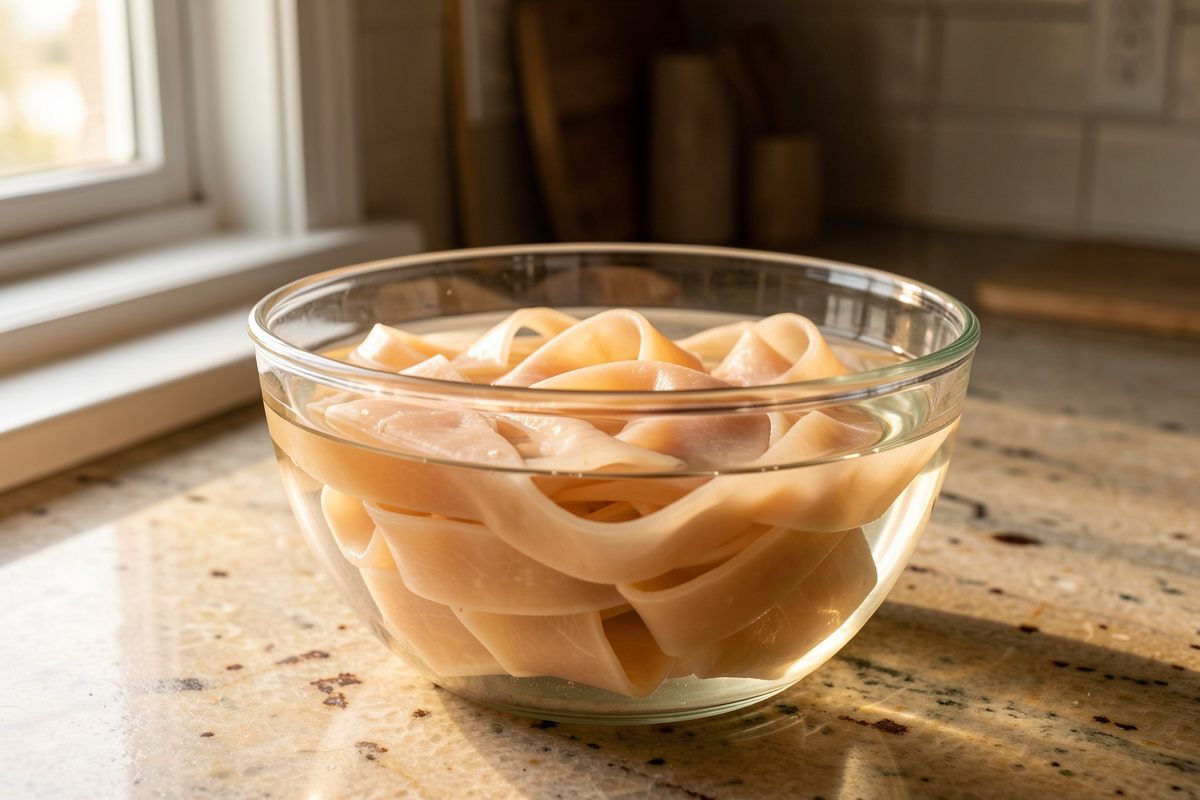
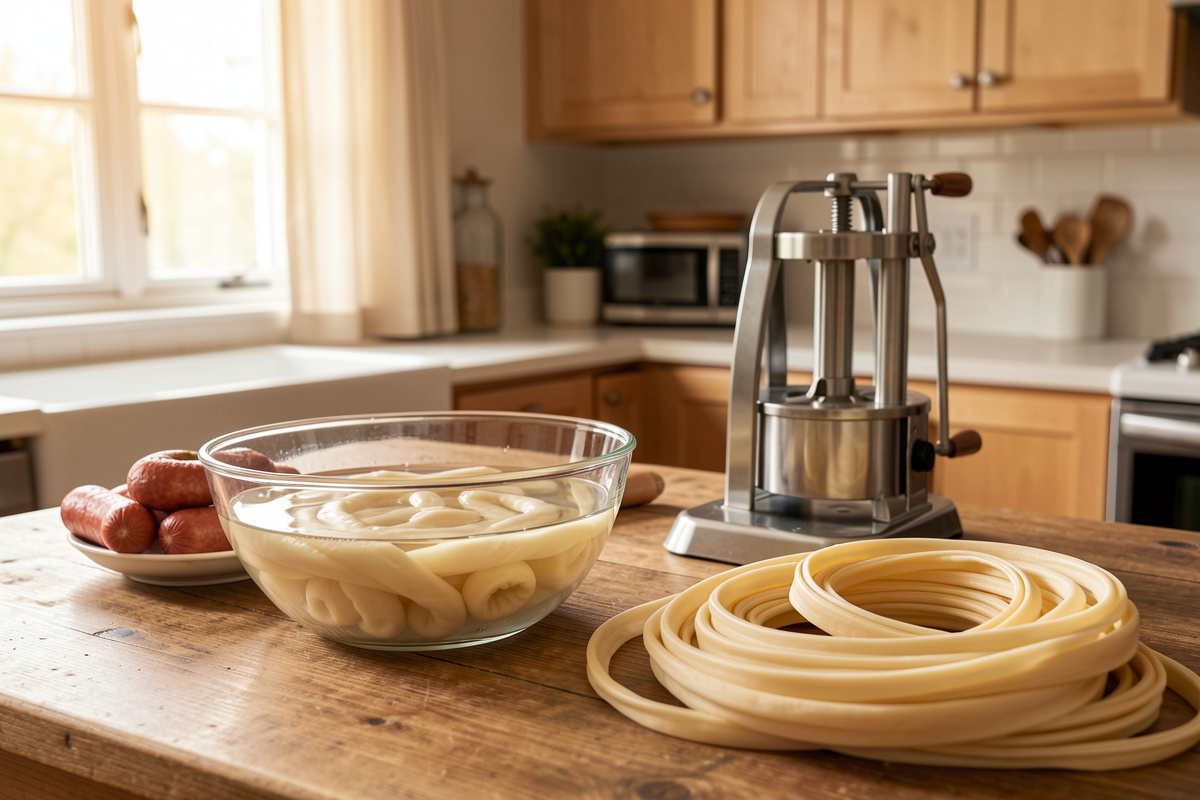
Soak salt-packed hog casings 30 to 60 minutes in lukewarm water around 30 °C, then flush the lumen from the tap until the water runs clear. That is the whole job, but the details decide whether the casing slides sweetly onto the horn or splits at the first twist. A properly hydrated, flushed casing is supple, […]
Read 10 min read
Preparing Sausage Casings: A Complete Guide
Salami & Fermented Sausage

Preparing Sausage Casings: A Complete Guide

Casing preparation is the ten minutes that decide the next three months. Rinse and soak natural casings 30 minutes to an hour in lukewarm water, flush the lumen so it runs clear, keep everything under 4 °C at the stuffer, and pack pressure evenly. Get that right and blowouts, air pockets, and case-hardening mostly disappear. Get […]

Read 17 min read
Best Casing for ‘Nduja: Wide Beef Bung vs Sewn-End Caps
Salami & Fermented Sausage

Best Casing for ‘Nduja: Wide Beef Bung vs Sewn-End Caps

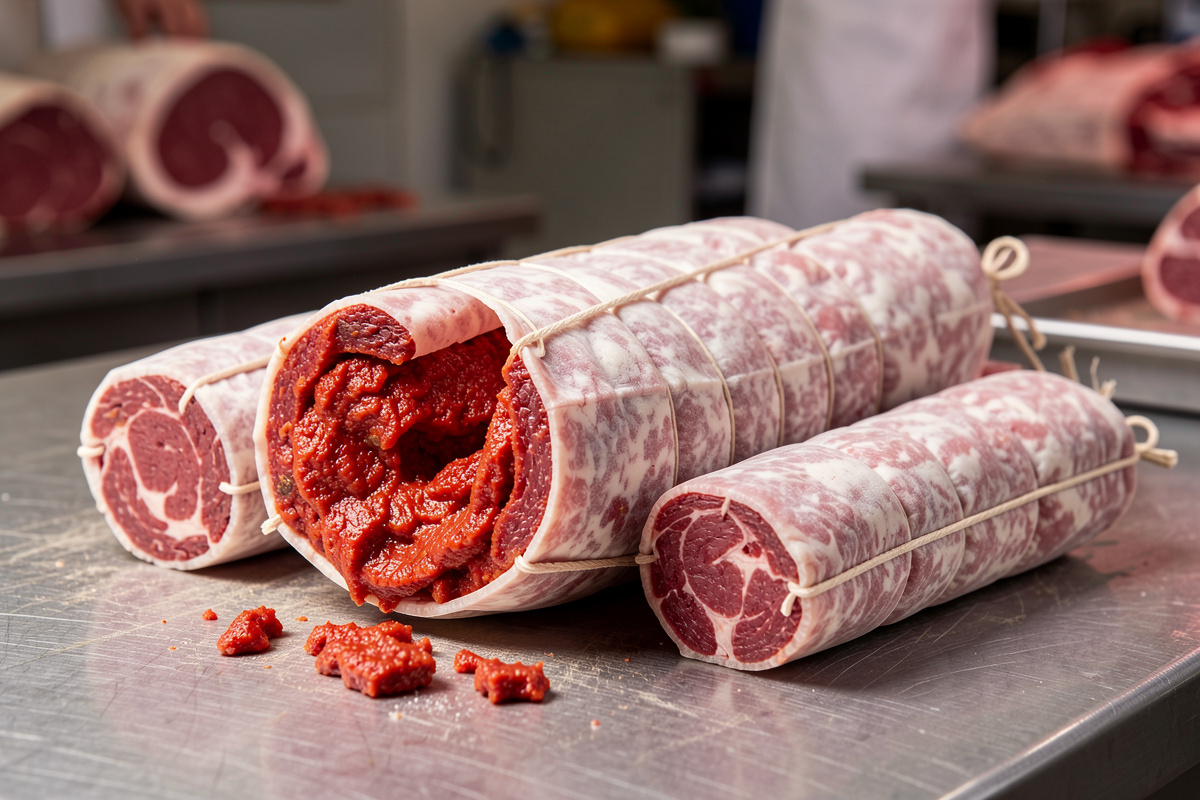
The best casing for ‘nduja is a wide one: traditionally a pork blind gut, and at home a wide beef bung or sewn-end beef cap. The soft, high-fat paste needs a large diameter to hold its shape, and a natural, breathable casing to let the long dry happen evenly. Diameter and breathability matter far more […]

Read 8 min read
Why Is My ‘Nduja Greasy Instead of Spreadable? Fixing the Fat
Salami & Fermented Sausage

Why Is My ‘Nduja Greasy Instead of Spreadable? Fixing the Fat

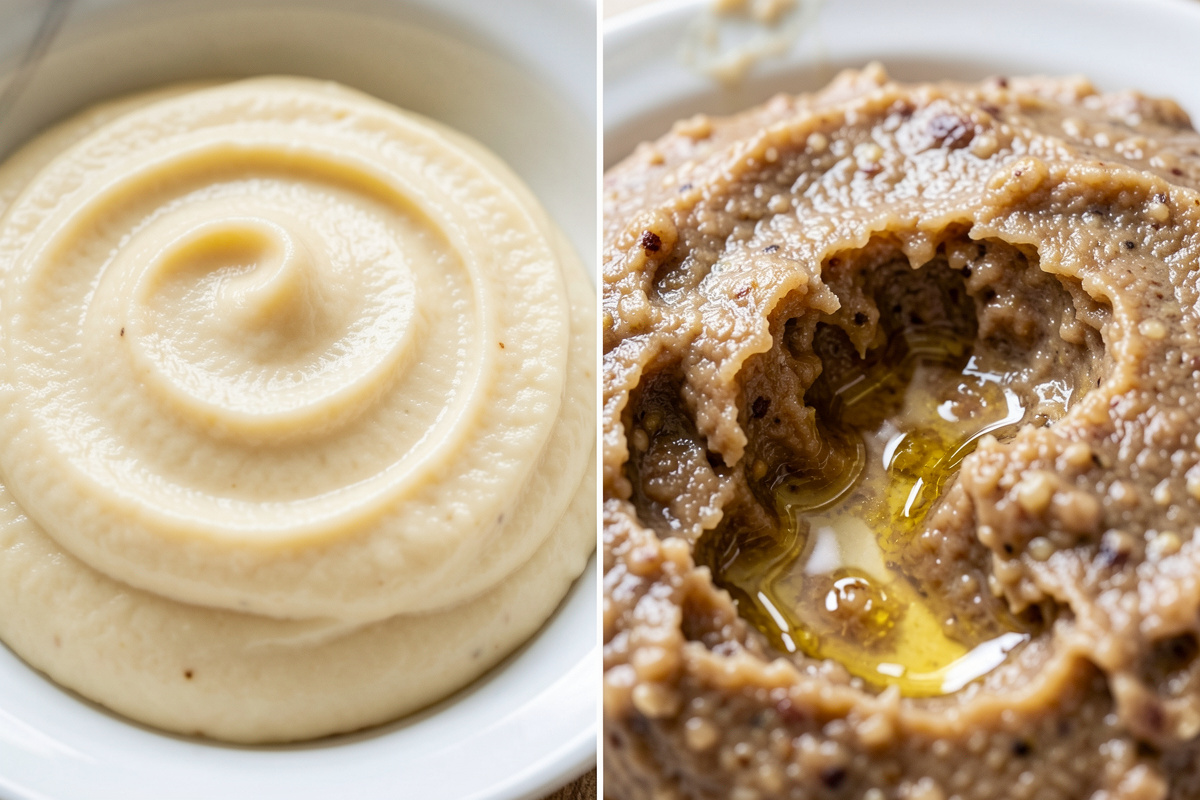
Greasy ‘nduja means the fat smeared and the emulsion broke — almost always because the meat, fat, or tools got too warm during grinding and mixing, or the chamber ran too warm and rendered fat out of the sausage. The fix is temperature discipline: keep everything near freezing, chill your grinder plates, work fast, and […]

Read 8 min read
How Much Chili Goes in ‘Nduja: Calabrian Heat Without Wrecking the Cure
Salami & Fermented Sausage

How Much Chili Goes in ‘Nduja: Calabrian Heat Without Wrecking the Cure

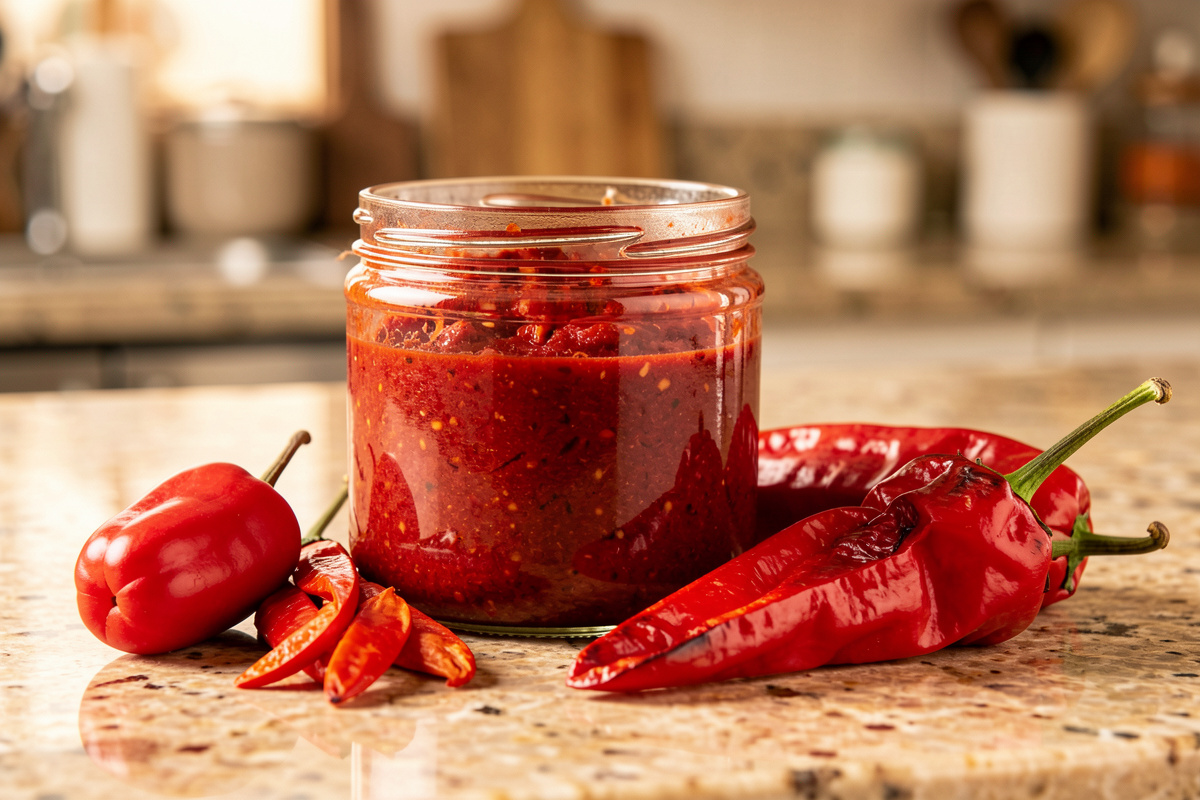
‘Nduja uses chili and pepper at roughly 20–30% of the meat weight — but that figure is a blend, not pure heat. A typical home build runs perhaps 5–10% hot Calabrian chili for the burn and 15–20% sweet roasted red pepper for colour and body, so the total is huge while the actual fire stays […]

Read 8 min read
‘Nduja vs Sobrasada: How the Two Spreadable Salamis Differ
Salami & Fermented Sausage

‘Nduja vs Sobrasada: How the Two Spreadable Salamis Differ

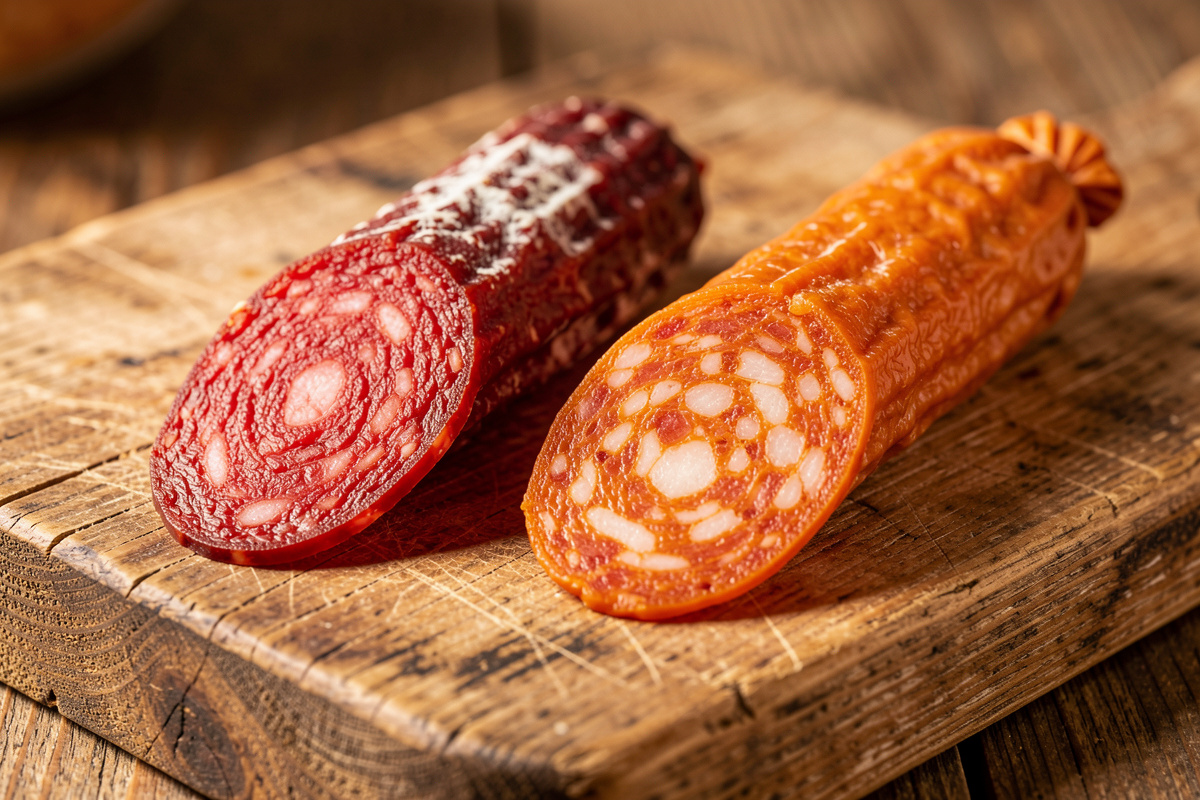
‘Nduja and sobrasada are both soft, spreadable, fermented pork sausages — but ‘nduja is a fiery Calabrian build using fresh and roasted chili at 20–30% of the meat, while sobrasada is a milder Mallorcan sausage coloured and flavoured by dried sweet pimentón paprika. Same spreadable category, two very different spice systems and two very different […]

Read 8 min read
How to Make ‘Nduja at Home: Calabrian Spreadable Salami
Salami & Fermented Sausage

How to Make ‘Nduja at Home: Calabrian Spreadable Salami

‘Nduja is a fermented, spreadable Calabrian salami: fatty pork and a heavy dose of Calabrian chili, salted at about 2.75%, cured with Cure #2, fermented to drop the pH below 5.3, then dried only to roughly 25–30% weight loss so it stays soft enough to spoon. That last number is the whole trick — you […]

Read 15 min read
How to Ferment Salami Without a pH Meter (Safely)
Salami & Fermented Sausage

How to Ferment Salami Without a pH Meter (Safely)

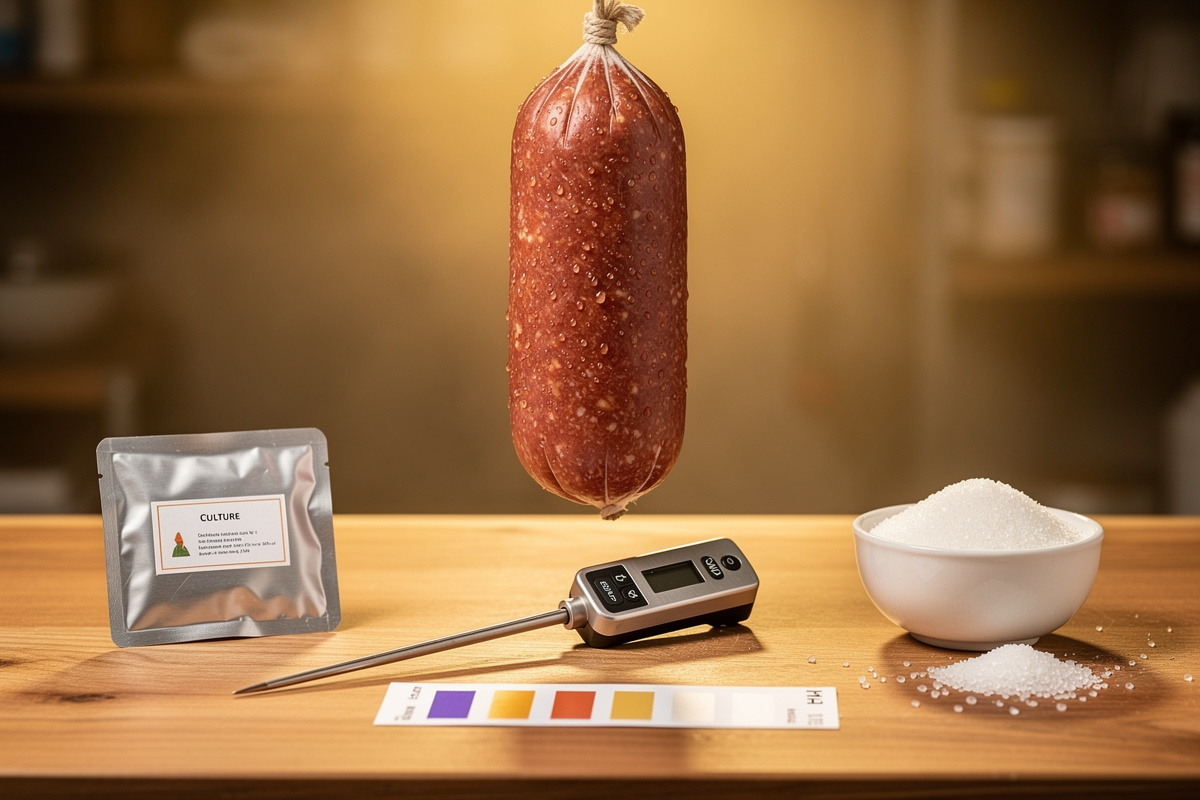
You can ferment salami safely without a pH meter, but only by controlling the inputs so tightly that the acid drop is effectively guaranteed: a reliable starter culture, the right dextrose dose, correct salt, and a held temperature matched to that culture (24-26°C for a fast culture like F-LC, or 18-24°C for a slower one […]

Read 8 min read
Salami Drying Rack DIY: Food-Safe Hanging for Your Chamber
Salami & Fermented Sausage

Salami Drying Rack DIY: Food-Safe Hanging for Your Chamber

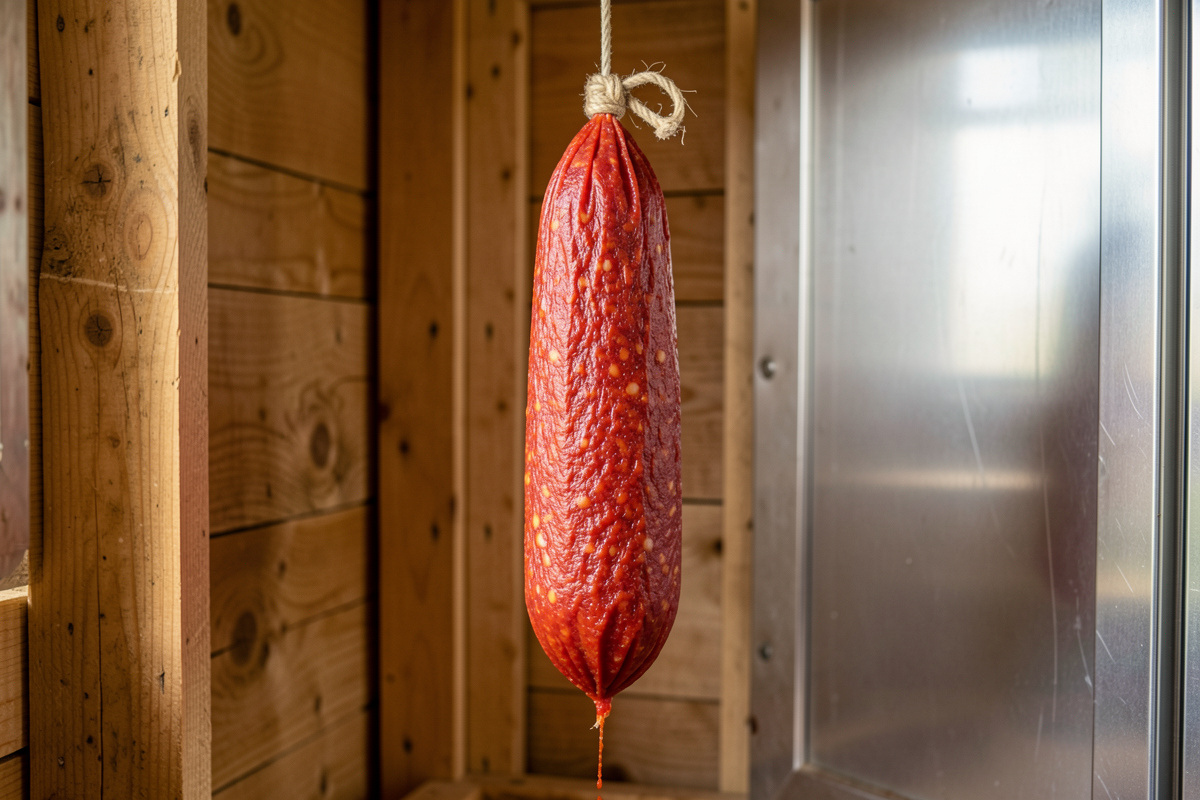
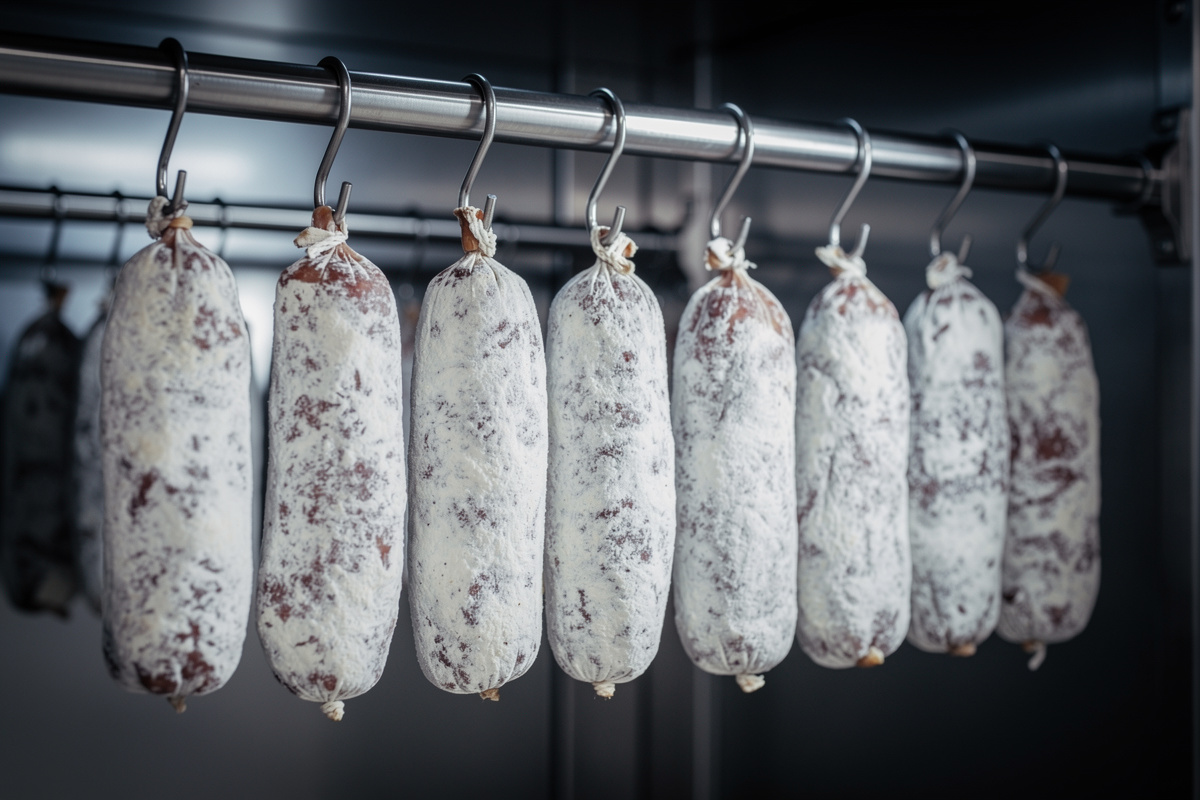
A salami drying rack is any food-safe frame that hangs your salami with air on every side, and the simplest reliable build is a stainless steel rod across the top of the chamber with stainless S-hooks. Hanging — not laying flat — is what gives even drying and stops the damp contact spots where bad […]

Read 8 min read
Finocchiona Recipe: Tuscan Fennel Salami at Home
Salami & Fermented Sausage

Finocchiona Recipe: Tuscan Fennel Salami at Home

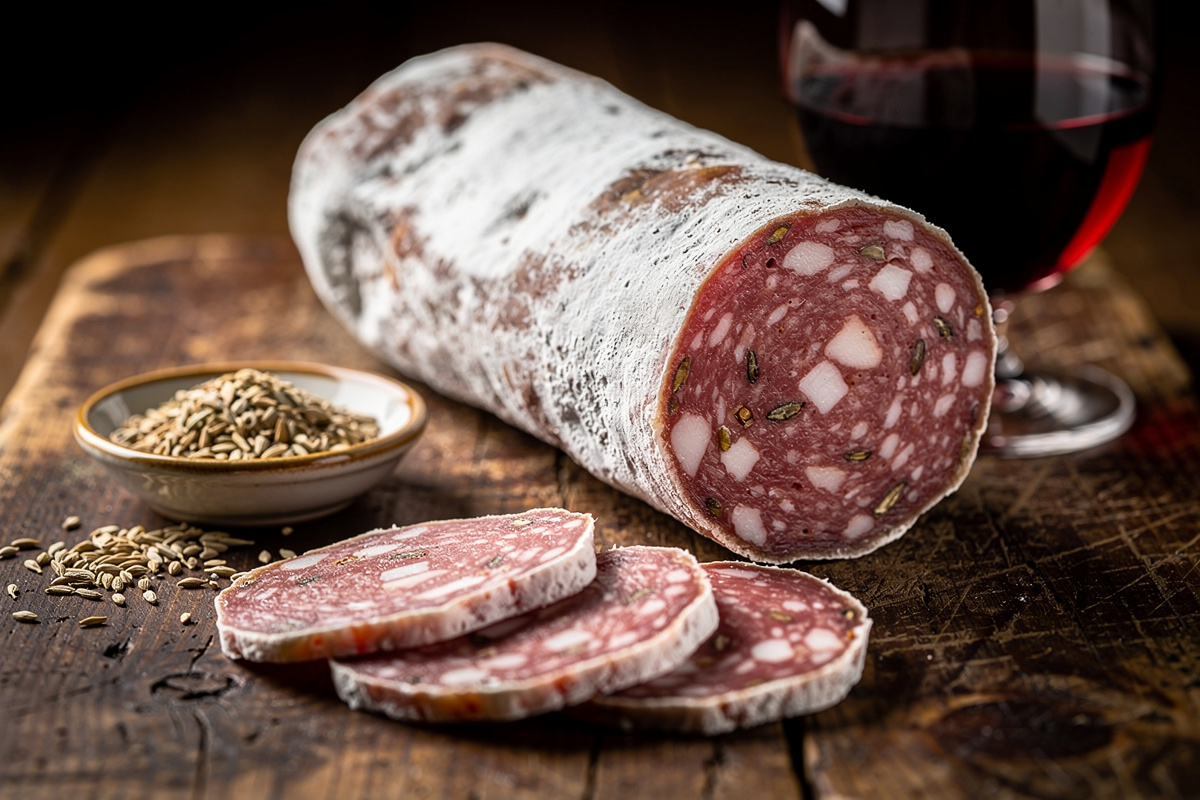
Finocchiona is a Tuscan dry salami flavoured with fennel — whole seed, often fennel pollen, and usually a splash of red wine. It uses a medium grind, the standard salami safety chemistry (salt, Cure #2, a starter culture and dextrose), a 48-hour ferment to drop the pH, and four to eight weeks of drying to […]

Read 8 min read