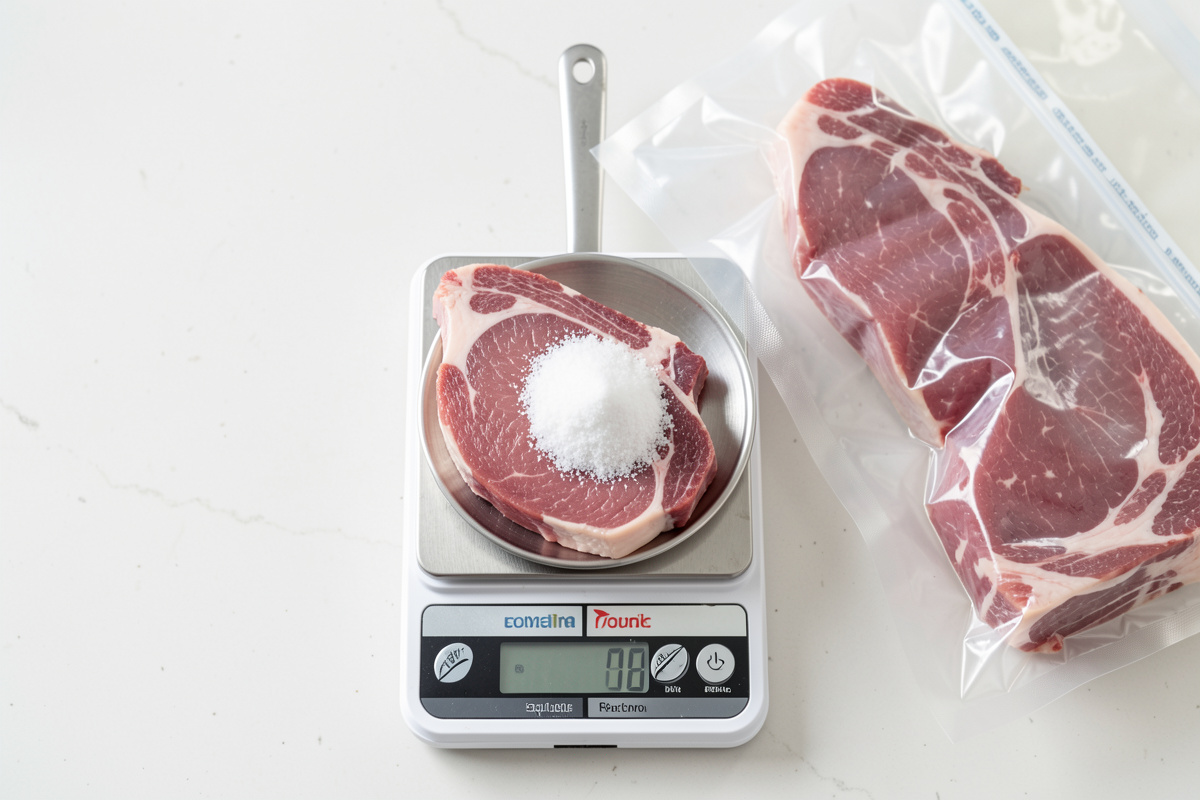
Salvaging Under-Salted Charcuterie: Can You Fix It Safely?
June 17, 2026

Under-salting is the quietest mistake in dry curing, and the most dangerous one. A piece that’s a little short on salt doesn’t announce itself the way a slimy casing or black mold does. It just sits in the chamber looking almost right, tasting flat, and slowly losing the safety margin you were counting on. I’ve pulled enough bresaola and salami across the chambers I run to know exactly when an under-salted piece can be saved and when it has to go in the bin.
If you caught it at mixing or in the first couple of days of an equilibrium cure, you can usually fix an undersalted charcuterie fix by recalculating and re-salting the whole batch. Once a whole muscle is deep into a long air-dry, or a fermented sausage has finished without hitting safe water activity and pH, surface salt won’t reach the core and the piece should be discarded, not eaten.
Why under-salting is a safety problem, not just a flavor one
It’s tempting to treat salt as seasoning you can dial down to taste. In dry-cured meat it isn’t. Salt is the primary safety hurdle: it pulls water out of the meat and lowers water activity (aw), which is the number pathogens actually care about. Lower aw means a hostile environment for the bacteria that matter, including Salmonella and the spore-formers that nitrite is there to suppress.
This is measurable, not folklore. A peer-reviewed study on salt reduction in dry-cured sausage found that raising salt from 1% to 3% increased the odds of hitting a safe 5-log Salmonella reduction roughly 7.5-fold, because the extra salt drove water activity down faster during drying. Under-salt, and the aw never falls far enough, so the piece can finish “looking done” while still harbouring viable pathogens. That is the whole problem in one sentence.
Salt works alongside the other hurdles, not instead of them. Cure #1 (for short or cooked products) and cure #2 (for fermented, long-dried products) supply nitrite and nitrate at about 0.25% of meat weight, and fermentation supplies the pH drop. Fixing a salt shortfall does not change any of those requirements. If you under-salted and skipped the cure, you have two separate problems.
How to tell you actually under-salted
Before you fix anything, confirm the diagnosis. Under-salting shows up as a cluster of signs rather than one obvious flag. The most reliable evidence is your own recipe math, which is why I keep a weight log on every piece.
Taste, texture, and smell
An under-salted cure tastes flat and watery rather than savoury, even after weeks of drying. The texture stays soft and yielding when it should be firming up, because the meat is still holding more water than it should at that stage. None of this is subtle once you’ve tasted a correctly salted piece for comparison.
Faster spoilage and mold trouble
Because the surface and interior stay wetter, an under-salted piece spoils faster and is more welcoming to unwanted mold. You’ll see fuzzy green or black growth establish itself instead of the powdery white you want, or off, sour, ammonia-ish smells arriving earlier than they should. These are the chamber telling you the salt hurdle is too low.
Your recipe math
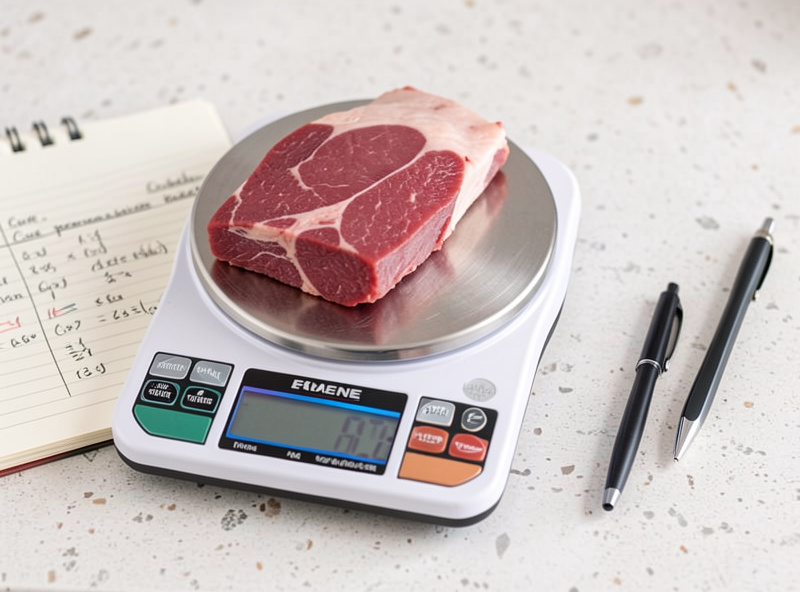
The honest check is the numbers. Weigh the green (raw) meat, look at how much salt you actually added, and divide. For equilibrium curing I aim for roughly 2.5-3% salt by meat weight on whole muscle. If your sum lands at 1.8% because you eyeballed it or misread a scale, you under-salted, full stop. This is also the fastest signal because it’s available before anything goes wrong.
Can you fix it? The framework by stage
Whether under-salting is fixable comes down entirely to one question: can fresh salt still reach the core of the meat? Salt migrates inward slowly. Early on, with time and surface area on your side, it can equalize. Deep into a long dry, it can’t. Here’s how that plays out at each stage.
| Stage | Symptom | Fixable? | How | Safety call |
|---|---|---|---|---|
| At mixing / day 0-2 of EQ cure | Math comes up short before salt has penetrated | Yes, easily | Recalculate to 2.5-3%, re-bag with the corrected salt (plus cure at 0.25%), restart the EQ clock | Safe to proceed once corrected |
| Whole muscle, a few days in | Caught early, salt still equalizing | Sometimes | Add the deficit salt, re-bag, extend EQ time so it redistributes through the core | Safe if it reaches target % and full EQ time is given |
| Sausage, before/early ferment | Mix was under-salted | Sometimes | Only if not yet stuffed: re-mix with correct salt + cure #2; after stuffing it’s effectively locked | Discard if already fermenting under-salted |
| Deep into long air-dry | Soft, flat, weeks in | No | Surface salt can’t reach the core; nothing reliable to add | Discard if aw/pH safety wasn’t met |
| Finished / fermented piece | Done but under-salted, aw/pH unverified | No | No salvage path exists | Discard, do not eat |
Caught at mixing or early EQ cure: the easy fix
This is the good outcome. If you spot the shortfall at the bench or within the first day or two of an equilibrium cure, just recalculate. Weigh the meat, set salt to 2.5-3%, add cure #1 or #2 at 0.25%, re-bag everything, and restart the equilibrium clock. Nothing has penetrated yet, so you’ve lost nothing but a little time.
Whole muscle a few days in: sometimes
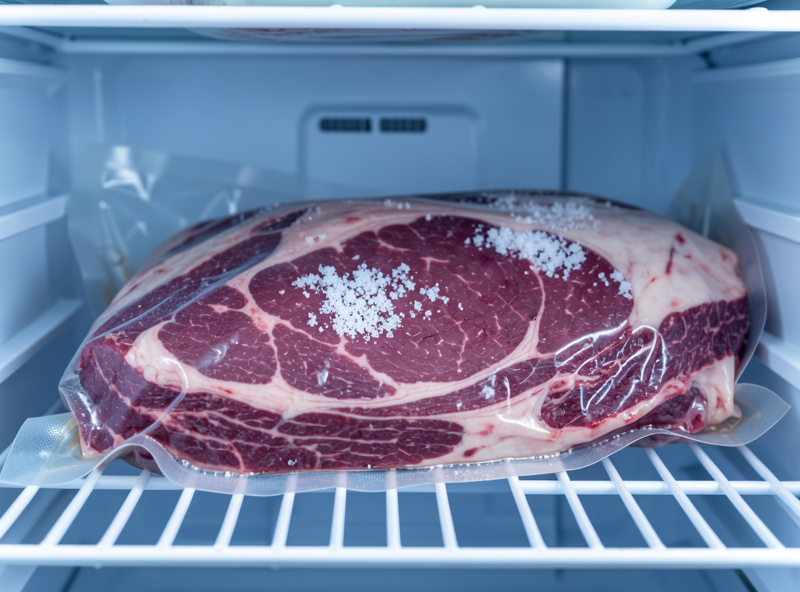
If a whole muscle is only a few days into the cure, salt is still migrating and you have a window. Calculate the salt deficit, add that amount, re-bag, and extend the equilibrium time so the correction redistributes evenly through the core. Give it the full EQ duration from the correction date, not the original. This works for solid muscle; it does not work once drying has been going for weeks.
Deep into drying or already finished: discard
Here’s the part people don’t want to hear. Once a piece has been air-drying for weeks, rubbing salt on the outside does nothing useful. It won’t penetrate to the centre, where the meat is still too wet and too low in salt to be safe. If a long-dried or fermented product never reached safe water activity and pH, it is not a flavour problem you can correct, it’s a piece you discard. I’ve binned bresaola for exactly this reason and never regretted it. Don’t eat through it to avoid waste.
How to stop under-salting in the first place
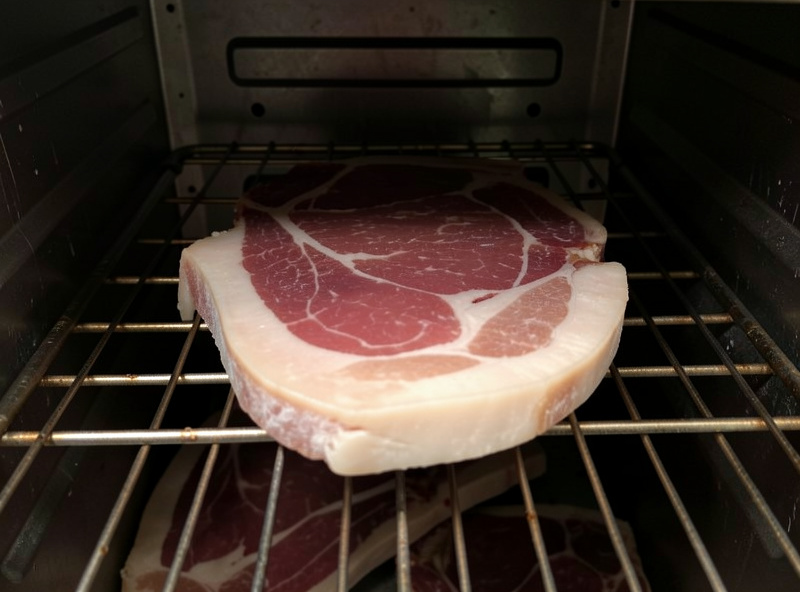
Every under-salted piece I’ve ever made traces back to skipping the scale. Prevention is almost entirely a weighing discipline, and it costs nothing once it’s a habit.
Weigh everything. Put the green meat on a gram-accurate scale, write the weight in your log, and calculate salt as a percentage of that number, 2.5-3% for whole muscle. Calculate cure separately at 0.25%. Double-check the arithmetic, or run it through a cure calculator, before a single gram goes on the meat. The reason I default to equilibrium curing rather than the salt-box (cover) method is precisely this: with EQ you weigh out an exact, safe percentage and the meat absorbs all of it, so under-salting becomes a math error you can catch, not a guess. Salt-box leaves the final amount up to penetration and timing, which is harder to verify.
For consistency I weigh on the same gram scale every time and never reach for table or iodized salt, only non-iodized salt plus the correct cure. The whole point of the system is that the safety hurdle is a number you chose on purpose, not one you discover after the fact.
Frequently asked questions
How do I know if my charcuterie is under-salted?
Check three things: it tastes flat and watery instead of savoury, the texture stays soft when it should firm up, and your recipe math comes up below about 2.5% salt by meat weight. The math is the most reliable signal.
Can you add salt to charcuterie that is already curing?
Only early. If a whole muscle is a few days into an equilibrium cure, you can add the deficit salt, re-bag, and extend the EQ time so it penetrates. Once it has air-dried for weeks, surface salt will not reach the core.
What is the correct salt percentage for equilibrium curing?
For whole-muscle equilibrium curing I aim for roughly 2.5 to 3% salt by meat weight, plus curing salt at about 0.25% (2.5 grams per kilogram). Weigh the green meat and calculate both as percentages of that figure.
Is under-salted dry-cured meat dangerous to eat?
It can be. Salt lowers water activity, the main barrier against pathogens like Salmonella. An under-salted long-dried or fermented piece that never reached safe water activity and pH can harbour viable bacteria even though it looks done. Discard it.
Can I just rub more salt on the outside of a finished cure?
No. Surface salt on a piece that is already weeks into drying will not migrate to the wet, under-salted core. It does not rescue the safety margin. If the piece did not hit safe aw and pH, it should be discarded, not eaten.
Does fixing the salt change my cure or nitrite needs?
No. Salt and cure are separate. Cure #1 or cure #2 still goes in at about 0.25% of meat weight for nitrite and nitrate. Correcting a salt shortfall does not cover a missing cure, and skipping cure on a long dry-cure is not safe.
Why does equilibrium curing reduce under-salting compared to salt-box?
With equilibrium curing you weigh an exact, safe percentage and the meat absorbs all of it, so under-salting becomes a catchable math error. Salt-box curing leaves the final absorbed amount up to penetration and timing, which is harder to verify.
Further Reading
- Curing Chamber Troubleshooting: The Complete Guide covers the full range of problems you’ll meet in a home chamber.
- How to Calculate Salt Percentage for Equilibrium Curing walks through the exact math that prevents under-salting.
- Home Salami Making: The Complete Guide sets out how salt, cure #2, pH, and drying work together in fermented sausage.
- Bresaola Recipe at Home: Air-Dried Beef is a whole-muscle build where getting the salt percentage right matters most.
- Best Beef Cuts for Dry Aging helps you pick muscle that cures evenly in the first place.
- Home Cheese Aging: The Complete Guide shows how the same chamber handles a very different salt-and-humidity job.