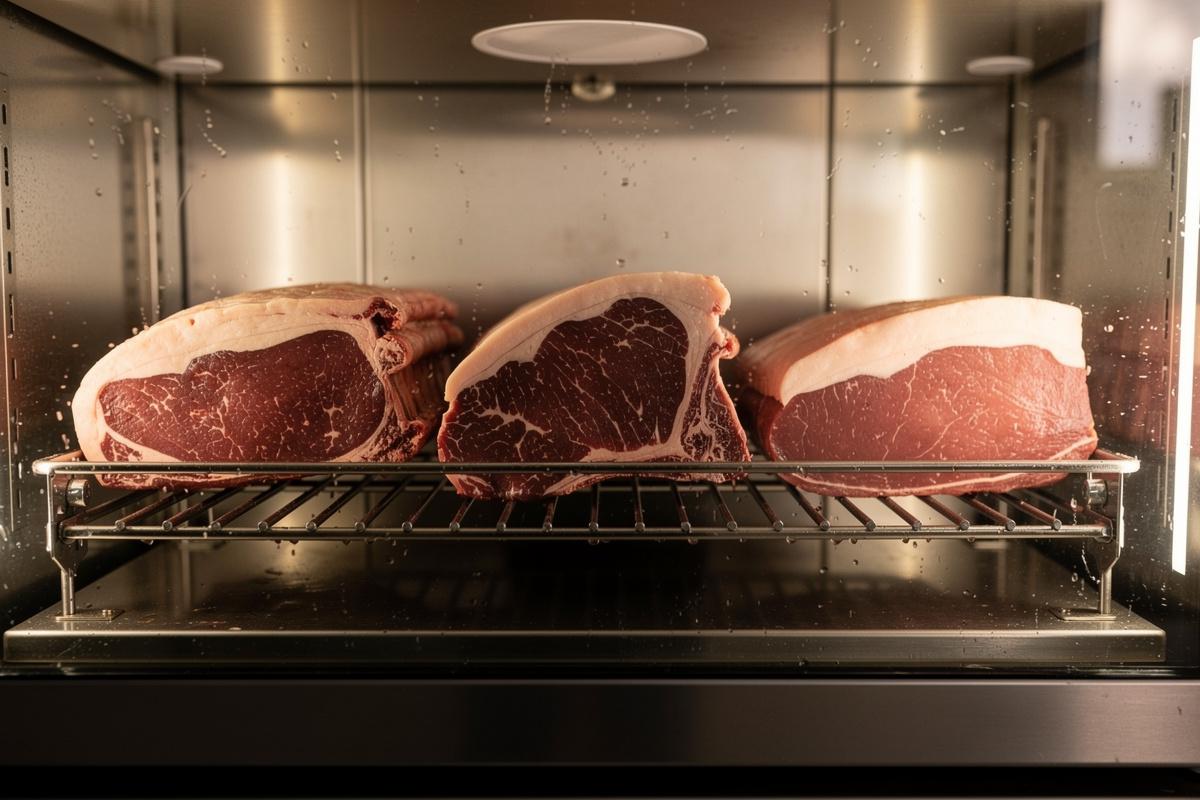

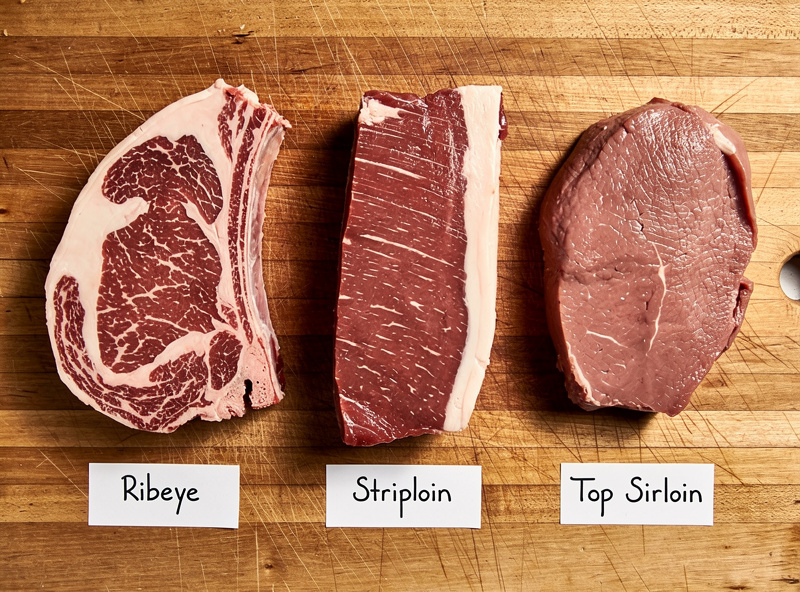
The best beef cuts for dry aging are whole subprimals with a heavy fat cap and enough mass to survive trim: bone-in ribeye first, striploin second, top sirloin a budget third. Pre-cut steaks and lean roasts lose too much to evaporation and bark to be worth it.
I have aged all three across my converted-fridge chambers and a stack of UMAi bags, weighing every piece in and out, and the cut you start with decides your final cost per pound more than the number of days does. Below is how each cut behaves, what it yields, and which one I tell first-timers to buy.
Why the Cut Matters More Than the Days
The cut decides the yield, and yield decides whether home dry aging beats buying retail dry-aged beef. Published dry-aging research puts cumulative evaporative loss at roughly 10% by day 21 and 15% by day 30, and once bark trim is added on top of that the whole-project loss climbs well past evaporation alone, leaving 50-55% usable meat on a well-protected cut.1 Fat cap and mass are what protect that interior.
Dry aging only works at the subprimal level — a large primal section sold whole, usually from a butcher’s back cooler rather than the display case. The reason is geometry. Evaporation and bark form on every exposed surface, so the higher a cut’s surface-area-to-mass ratio, the more of it you trim away as inedible. A 16-pound striploin has a tiny fraction of its mass on the surface; a single 1-inch steak is almost all surface. That is why you age the whole loin and portion afterward, never the other way around. Hold the climate at 32-39°F (0-4°C) and 75-85% relative humidity for the duration, with a target around 80% RH — the same published range I hold my own chamber to1 — and the right cut rewards you. The wrong cut turns into a desiccated brick no matter how perfect your chamber is.
Bone-In Ribeye: The Premium Choice
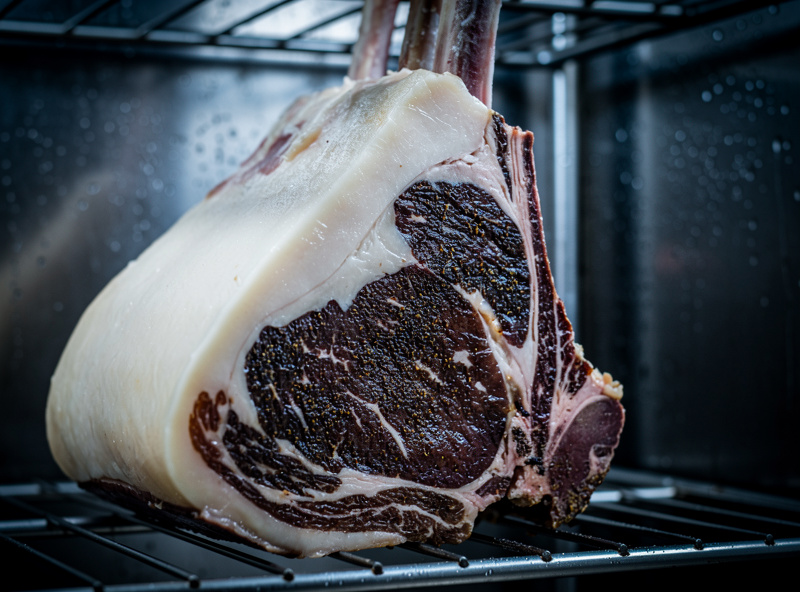
Bone-in ribeye subprimal (a 5-bone or 7-bone rib roast, 14-22 lb) is the best beef cut for dry aging. Its thick fat cap and the bone face shield two whole surfaces from drying, so the trim losses land on the lower end and the marbling carries the funk beautifully through a long age.
This is the cut I reach for when I want a showpiece. The generous fat cap means I can run it 28 to 45 days and still pull thick steaks with a clean ruby interior. The intramuscular marbling does two jobs: it keeps the meat from drying out internally, and it carries the nutty, blue-cheese-adjacent flavor compounds that build over weeks. Orient it fat-cap-up with the bone end against the chamber wall and you protect the most surface area possible. Expect 4 to 8 thick steaks from a single subprimal after trim. The one downside is cost — ribeye subprimals run 12-15 dollars per pound on USDA Choice, so the up-front buy-in is the highest of the three.
Striploin / NY Strip: The Best All-Rounder
Striploin (NY strip subprimal, 12-16 lb) is my pick for the best balance of yield, flavor, and price. It carries an excellent fat cap with leaner meat than ribeye, ages cleanly at 21-35 days, and a single subprimal portions into 8-12 even strip steaks — the most steaks per dollar of the three.
If ribeye is the showpiece, the striploin is the workhorse. The fat cap is nearly as protective as a ribeye’s, but the loin runs longer and more uniform, so portioning is easier and you waste less to odd end-pieces. The leaner meat takes the dry-age flavor a touch more sharply — at 28 days a strip reads more savory-beefy than the buttery ribeye, which a lot of people actually prefer. For a first serious chamber run, I usually steer people here rather than to a ribeye: the cost is lower, the yield per dollar is higher, and the climate forgiveness is nearly identical. A striploin oriented fat-cap-up gives up minimum yield to evaporation.
Top Sirloin: The Budget Option
Top butt or top sirloin (8-12 lb) is the budget entry to dry aging. It has less fat than ribeye or strip, so it dries faster and gives up more usable meat, but at shorter ages of 14-21 days it produces a respectable dry-aged steak for noticeably less money per pound.
I treat sirloin as the learning cut. Because the fat cap is thinner and patchier, the lean muscle underneath is more exposed and the bark eats further into the meat — so the yield math is the least generous of the three. The fix is to age it shorter. Past about 21 days a sirloin starts trading moisture for dryness without a proportional jump in flavor, so the deep-funk territory that rewards a ribeye just punishes a sirloin. Keep it in the 14-21 day window, trim honestly, and you get a genuinely good steak that taught you the process without a 200-dollar buy-in. It is also the cut where the bag method earns its keep, since a bag holds surface moisture and offsets the thin fat cap.
Ribeye vs Striploin vs Sirloin: The Numbers
Here is how the three cuts stack up on the variables that actually decide a home dry-age project — starting weight, fat protection, the age window each tolerates, and what you can expect to pull after trim.
| Cut | Typical Subprimal Weight | Fat Cap | Best Age Window | Usable Yield After Trim | Steaks Per Subprimal |
|---|---|---|---|---|---|
| Bone-in ribeye | 14-22 lb | Heavy + bone protection | 28-45 days | 50-55% | 4-8 thick |
| Striploin / NY strip | 12-16 lb | Excellent | 21-35 days | 55-60% | 8-12 |
| Top sirloin | 8-12 lb | Thin, patchy | 14-21 days | 45-50% | 6-10 |
| Picanha (sirloin cap) | 3-4 lb | Thick on one face | Bag method only | 60-65% | 2-4 |
| Whole tenderloin | 5-7 lb | Almost none | Not recommended | 40% or less | Poor value |
The picanha and tenderloin rows are there as warnings. Picanha (the cap of the top sirloin) is a fantastic eating cut, but at 3-4 lb it is too small for open-chamber yield to make sense — if you want to age it, do it in a dry aging bag where surface moisture is controlled. A whole tenderloin is already tender and has almost no fat cap, so aging concentrates flavor at a brutal trim cost; it is the one cut I tell people not to bother dry aging.
Grade and Sourcing: Choice Is the Sweet Spot
USDA Choice is the practical sweet spot for home dry aging. Choice is the official USDA grade one step below Prime, requiring a minimum “small” amount of marbling versus Prime’s “slightly abundant” threshold2 — enough fat to protect the interior and develop flavor without the Prime price premium — and Choice subprimals are widely available at warehouse clubs and butcher counters for 10-15 dollars per pound. Save Prime and Wagyu for short, careful bag ages.
Three sourcing channels work. An independent butcher will usually sell you a whole subprimal with a day’s notice at 12-15 dollars per pound on Choice — and they can tell you when it was cut, which matters. Warehouse clubs like Costco Business Center stock ribeye and strip subprimals open-market at 10-13 dollars per pound. Online specialty suppliers ship Prime and Wagyu subprimals at 25-60 dollars per pound for high-end projects. Whatever channel you use, target a subprimal that is at most 7-10 days post-slaughter when the age starts; fresh-cut meat responds far better than inventory that has already shrunk on a wholesaler’s shelf. I keep a box of dry aging bags on hand precisely for the small, high-grade cuts that the open chamber can’t yield well — a Wagyu strip end or a picanha goes in a bag, not on the shelf.
As an Amazon Associate I earn from qualifying purchases.
Working a Subprimal Down
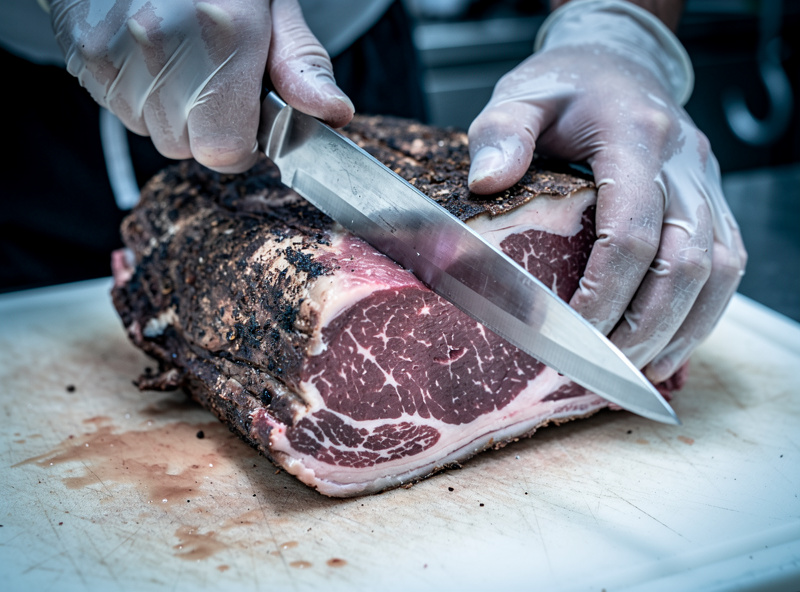
Once a subprimal comes out of the age, the cut you chose dictates the trim work. A heavy ribeye needs a long, stiff boning knife to ride the bone and a cimeter to face off the bark; a strip portions almost entirely with a single sharp knife. Sharpness, not muscle, is what keeps the trim clean.
The bark on every one of these cuts is a sacrificial layer — dark, hard, and inedible — and it gets trimmed away along with any fat that has gone rancid. Trim aggressively; a 28-day age that looks perfect outside but tastes funky-bad inside is almost always under-trimmed, not over-aged. A stiff boning knife and a heavy cutting board large enough for the whole subprimal are the only specialty tools you truly need. If you plan to age regularly, a dedicated dry aging refrigerator takes the climate guesswork out and lets you run the deeper ribeye ages the budget cuts can’t survive. For the full chamber build, the controller and humidity logic in how to build a curing chamber applies, with the setpoint dropped to 36°F.
Frequently Asked Questions
What is the best cut of beef for dry aging?
Bone-in ribeye subprimal is the best cut for dry aging. Its heavy fat cap and bone face protect two surfaces from drying, so trim losses stay low while the marbling carries flavor through a 28 to 45 day age. Striploin is the best all-rounder and top sirloin the budget pick.
Can you dry age a single steak instead of a subprimal?
Not effectively in open air. A 1-inch steak is almost all surface area, so the bark and evaporation consume most of its mass and leave little edible meat. Always age the whole subprimal and portion into steaks afterward. If you only have a single cut, use a dry aging bag instead.
What grade of beef should I dry age?
USDA Choice is the practical sweet spot. It has enough marbling to protect the interior and develop flavor without the Prime price premium, and Choice subprimals cost 10 to 15 dollars per pound at warehouse clubs and butchers. Reserve Prime and Wagyu for short, carefully monitored bag ages.
How much usable meat do you get from a dry-aged subprimal?
Expect 50 to 55 percent of the starting weight as usable steak after evaporation and bark trim. Published dry-aging research puts evaporative loss alone at roughly 10 to 15 percent by the 21 to 30 day mark, with bark trim taking a further slice on top of that. A 14-pound ribeye subprimal at 50 percent yield leaves roughly 7 pounds of dry-aged steak. Leaner cuts like sirloin yield less.
Is tenderloin good for dry aging?
No. Whole tenderloin is already very tender and has almost no fat cap, so dry aging concentrates flavor at a severe trim cost. The small cross-section means evaporation and bark eat a huge fraction of the meat. It is the one common cut not worth dry aging at home.
Why does sirloin need a shorter age than ribeye?
Sirloin has a thin, patchy fat cap, so the lean muscle dries faster and the bark cuts deeper into edible meat. Past about 21 days it trades moisture for dryness without a matching flavor gain. Keep sirloin in the 14 to 21 day window; save the 28 to 45 day ages for well-marbled ribeye.
Can I dry age picanha at home?
Yes, but use a dry aging bag rather than an open chamber. At 3 to 4 pounds a picanha is too small for open-air yield to make sense, but the bag controls surface moisture and offsets the thin lean face, letting you concentrate its flavor without losing most of the cut to trim.
Related Articles
- Dry Aging Beef at Home: The Complete Guide — the full climate, method, and yield walkthrough this cut guide sits under.
- Best Dry Aging Bags: Umai vs SteakAger vs DryBagSteak Tested — the bag route for small and high-grade cuts.
- Ideal Humidity for Dry Aging Beef vs Charcuterie — why beef needs a colder, drier envelope than salami.
- Dry Aging Smell: What Is Normal vs What Means Trouble — reading the age by nose.
- Curing Chamber Build Cost: What I Spent on My Setup — the cost-per-pound math behind a home chamber.