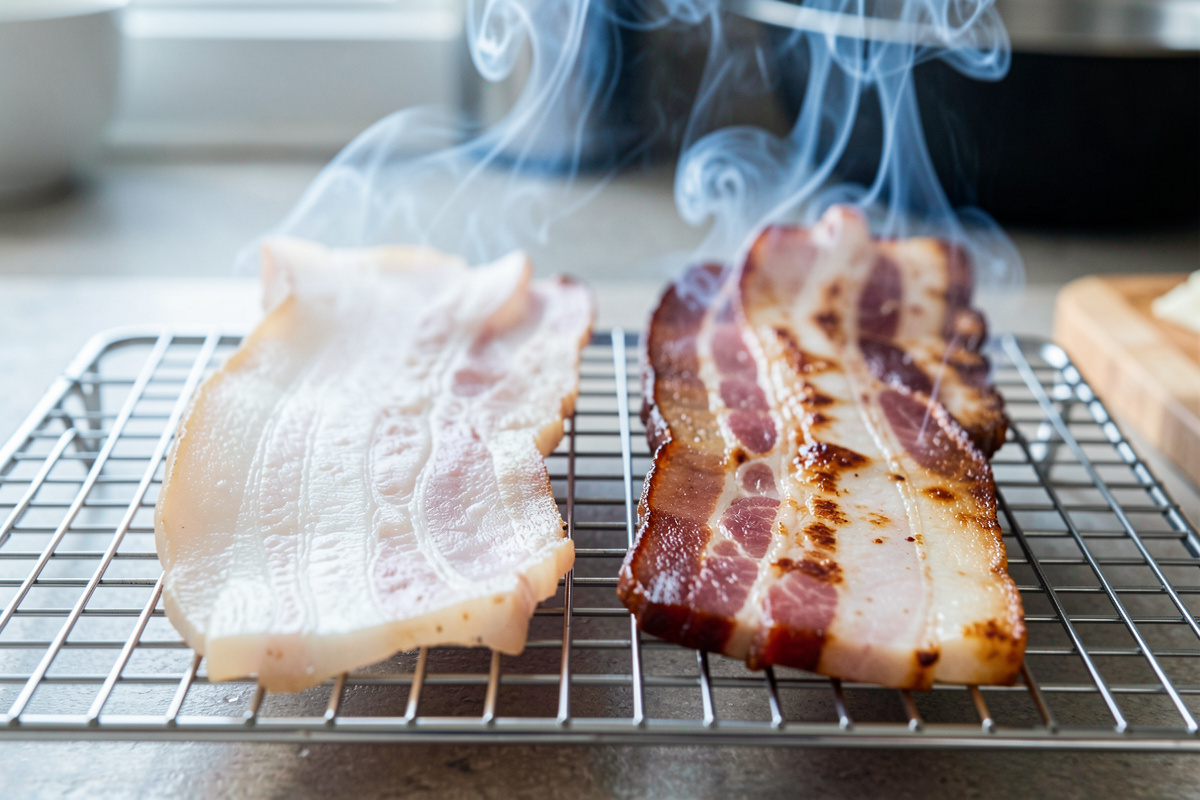

Cold smoke versus hot smoke is the fork in the road that decides what your bacon actually is. Cold-smoked bacon sits in smoke at under 30°C (86°F) and stays raw — it needs cooking before you eat it, exactly like a supermarket rasher. Hot-smoked bacon cooks while it smokes, reaching 65–68°C (150–155°F) internal, and comes off the rack ready to eat. Both start from the same cured belly; only the heat changes.
I cure a lot of belly, and the smoke step is where most people get confused — they think “smoked bacon” is one thing. It isn’t. The temperature you run the smoke at changes the texture, the slicing, the shelf life, and whether you can fry it in a pan or eat it straight off the board. Here is how I run each one, and which I reach for depending on what I am making.
What Is the Difference Between Cold-Smoked and Hot-Smoked Bacon?
The single difference is heat. Cold smoking holds the belly below 30°C (86°F) so the meat never cooks — it picks up smoke flavour and colour while staying raw. Hot smoking runs the chamber at 80–110°C (175–230°F) until the belly hits a safe internal of 65–68°C and is fully cooked.
Both methods demand the same first step, and this is the part people skip: the belly must already be properly cured with salt and a measured dose of cure #1 (6.25% sodium nitrite) before any smoke touches it. If you are new to the whole process, my complete guide to cold smoking at home walks through the cure-then-smoke sequence in detail. The smoke is a flavour and surface step, not the thing that makes bacon safe. On the bellies I run, cure does the preservation; smoke is the finish. Get that order wrong and you have a smoked piece of unsafe raw pork, whichever temperature you used.
How Do You Cold Smoke Bacon at Home?
Cold-smoke bacon by curing the belly first, drying it until a tacky pellicle forms, then exposing it to smoke under 30°C for 6–12 hours total, usually split over two or three sessions. The meat stays raw and must be fried before eating. I run mine in winter when Swedish ambient sits near 5°C and does the cooling for free.
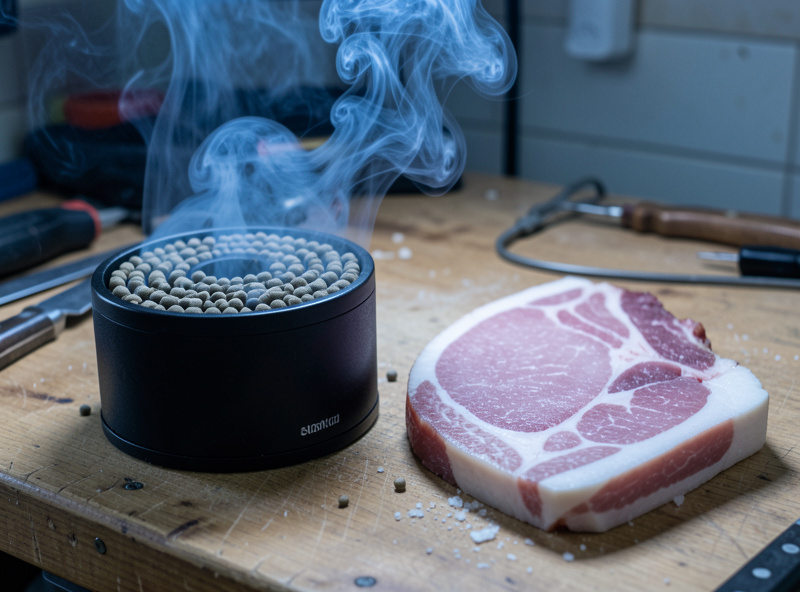
My setup keeps the smoke source off the box entirely. A pellet maze or tube smoker sits outside, and the smoke drifts into the converted-fridge cabinet so the belly never feels heat from the burn. You can buy a maze for a few dollars or build one in an afternoon — I cover the soup-can-and-soldering-iron route in my DIY cold smoke generator build. I watch chamber temperature on the SensorPush HT.W at meat-shelf height; if it creeps past 28°C I pause and let it settle. After smoking I rest the bacon a day in the fridge to let the smoke mellow and stop tasting acrid — fresh-off-the-rack cold smoke is always harsher than day-two smoke.
How Do You Hot Smoke Bacon?
Hot-smoke bacon by curing and drying the belly the same way, then smoking at 80–110°C until the internal temperature reaches 65–68°C (150–155°F), measured with an instant-read probe. That usually takes 2–4 hours depending on belly thickness. The result is fully cooked, sliceable, and ready to eat without frying.
Hot-smoked belly is the easier, faster, more forgiving route. Because the meat finishes cooked, the margin for error on the smoke step is wider — you are not babysitting a temperature ceiling, you are driving toward a target the instant-read thermometer tells you. I pull at 65°C internal for a firm but juicy slice; push past 70°C and the fat starts rendering out and the texture goes dry. Pellet smokers and offset boxes both do this well; the key number is the internal temp, not the chamber temp.
Why the Pellicle Step Matters Before Either Smoke
Both methods need a dry, tacky surface called a pellicle before smoke goes on, and skipping it is the single most common reason home bacon comes out blotchy. After curing, I rinse the belly, pat it dry, and rest it uncovered on a rack in the fridge for 12–24 hours until the surface turns from wet to faintly sticky. Smoke particles bond to that tacky film; they slide off a wet surface and leave pale streaks.
The first few bellies I smoked went straight from the cure bag to the maze, still damp, and the smoke colour came out patchy and uneven — dark where the surface had dried in the airflow and grey where it had stayed wet against the rack. Now I never smoke a belly that has not formed a proper pellicle, and the colour lands even every time. In the dry Swedish winter air the pellicle sets in well under a day; in a humid summer fridge it can take the full 24 hours, which is one more reason cold smoking is a cool-weather job. The USDA also recommends curing pork to a safe nitrite level before any smoking step (see the USDA FSIS bacon guidance), which is exactly the cure-first, smoke-second order I run on every batch.
Which Bacon Keeps Longer in the Fridge?
Hot-smoked bacon keeps longer once cooked — about 7–10 days refrigerated, or months vacuum-sealed and frozen. Cold-smoked bacon, still raw, behaves like cured raw pork: 1–2 weeks refrigerated if well-cured and dried, but it must be cooked before eating and is best frozen for longer storage.
Neither smoke method is a preservation shortcut. The shelf life comes from the cure and the water activity you drove the belly to during drying, not from the smoke. I treat cold-smoked bacon exactly like the raw cured pork it is — cook it like a rasher, store it like fresh cured meat. The hot-smoked version earns its longer fridge life purely because it is already cooked through to a safe temperature.
One habit that has saved me from waste: I vacuum-seal and freeze the bulk of every batch the day after smoking, keeping only a week’s worth in the fridge. Cold-smoked bacon freezes beautifully because it is still raw — it thaws and fries exactly like fresh-cured belly. Hot-smoked bacon freezes well too, but I slice it first so I can pull a few rashers at a time without thawing the whole slab. Either way, the freezer, not the smoke, is what buys me real shelf life past a fortnight.
Cold Smoke vs Hot Smoke Bacon: Side-by-Side
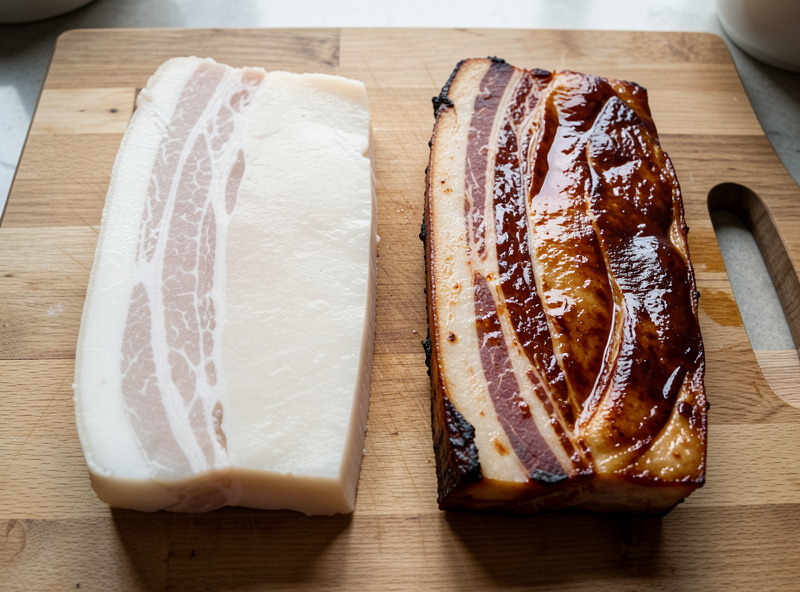
Here is how the two methods compare across the things that actually matter at the slicing board — temperature, doneness, time, and how you eat the result.
| Factor | Cold-Smoked Bacon | Hot-Smoked Bacon |
|---|---|---|
| Smoke temperature | Under 30°C (86°F) | 80–110°C (175–230°F) |
| Meat state after smoking | Raw — must be cooked | Fully cooked, ready to eat |
| Target endpoint | Smoke time (6–12 hrs) | Internal 65–68°C (150–155°F) |
| Typical session length | 6–12 hrs, often split | 2–4 hrs |
| Texture | Firm, supermarket-style rasher | Softer, ham-like, sliceable cooked |
| Best season to run | Cool weather (under 20°C ambient) | Any season |
| Fridge life | 1–2 weeks (raw, cook before eating) | 7–10 days (cooked) |
Which Should You Choose for Your First Batch?
Choose hot-smoked bacon for your first batch. It is faster, more forgiving, and the instant-read thermometer gives you a clear safe finish line at 65–68°C internal. Cold smoking is the better flavour and texture for traditional streaky bacon, but it demands tighter temperature control and patience across multiple sessions.
If you want that classic pan-fried streaky rasher with deep smoke, cold smoking is the right tool once you are confident holding a chamber under 30°C. If you want a sliceable, eat-it-now smoked belly closer to a smoked ham, hot smoking wins. I run both: cold smoke through the Swedish winter for the year’s frying bacon, hot smoke when I want a quick cooked belly without waiting for the cold months. The same cold-smoke-under-30°C discipline carries over to other charcuterie, too — it is exactly how I handle cold smoking salami at the right temperature. The cure recipe underneath is identical — only the smoke temperature, and therefore the final product, changes.
Frequently Asked Questions
Is cold-smoked bacon safe to eat without cooking?
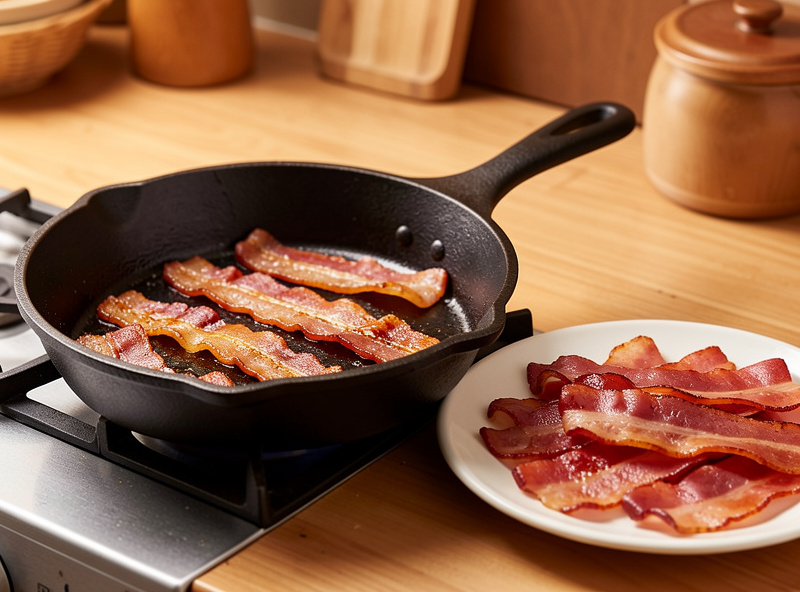
No. Cold-smoked bacon stays raw because it never reaches a cooking temperature. It must be fried or baked before eating, exactly like supermarket streaky bacon. The cure makes it safe to store raw, not safe to eat raw.
Do you need cure #1 for both cold and hot smoked bacon?
Yes. Both methods require the belly to be cured with salt and cure #1 (6.25% sodium nitrite) at the correct rate before smoking. Smoke adds flavour and surface protection but is not the preservation step for either method.
What temperature counts as cold smoking?
Cold smoking holds the meat under 30 degrees C (86 degrees F) so it never cooks. Many home charcutiers aim under 20 degrees C for safety margin, which is why cool-weather smoking is preferred.
Why does my cold-smoked bacon taste bitter?
Acrid, bitter bacon usually comes from oversmoking or eating it straight off the rack. Limit smoke to 6 to 12 hours total and rest the bacon in the fridge for a day so the smoke flavour mellows before slicing.
What internal temperature is hot-smoked bacon done at?
Hot-smoked bacon is done at an internal temperature of 65 to 68 degrees C (150 to 155 degrees F), measured with an instant-read probe. Past 70 degrees C the fat renders out and the texture turns dry.
Can you cold smoke bacon in summer?
It is difficult without active cooling because the chamber must stay under 30 degrees C. In warm weather, either smoke overnight when ambient is lowest, add ice or a cooling method, or switch to hot smoking instead.
Related Guides
- Cold Smoking at Home: The Complete Guide
- DIY Cold Smoke Generator: Build a Maze From Scratch
- Cold Smoking Salami: When to Add Smoke and at What Temperature
- Stainless Steel Smoker Build: Weld a Cold-Smoking Cabinet