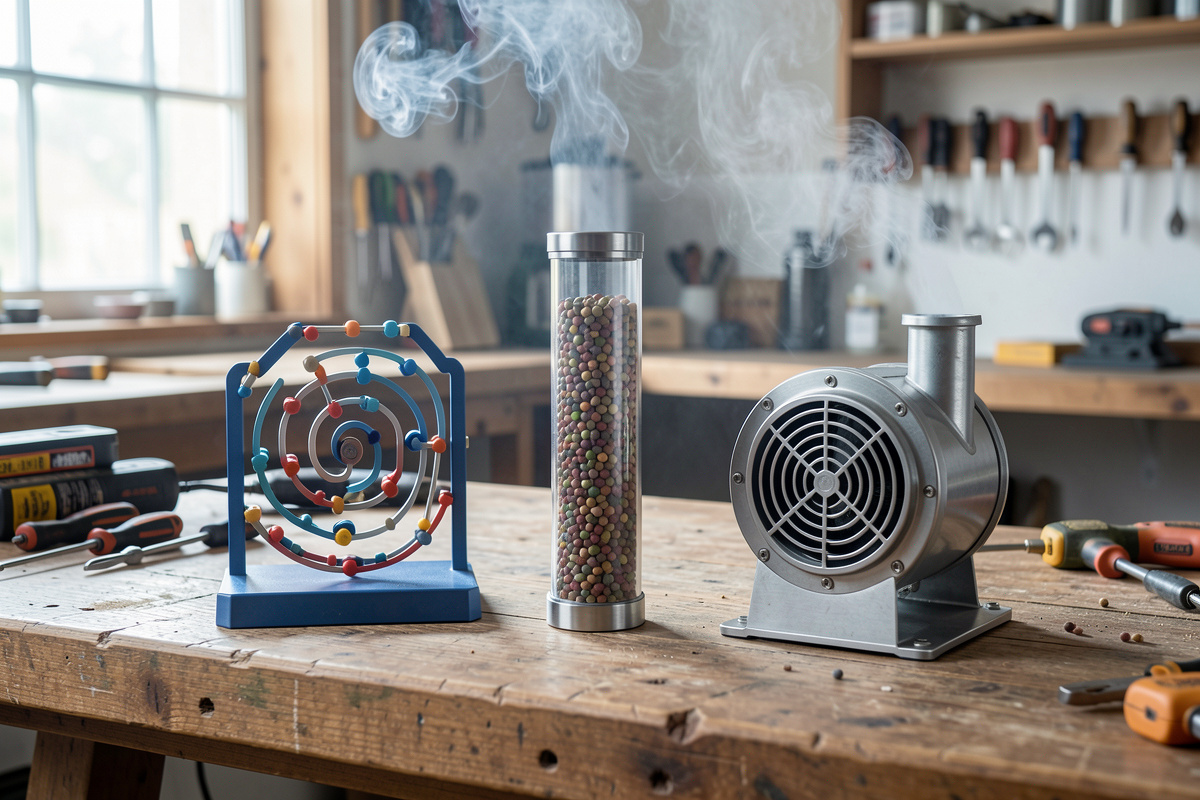

The three cold smoke generator types worth comparing are the pellet maze, the pellet tube, and the venturi (pump-fed) generator. A maze burns pellets or dust along a labyrinth for 6–12 hours of hands-off smoke; a tube stands vertical and burns hotter and faster for 2–4 hours; a venturi unit uses an aquarium pump to feed smoke from smouldering dust and runs almost indefinitely. Each suits a different chamber and a different patience level.
I have run all three side by side feeding the same converted-fridge chamber, and they are genuinely different tools, not interchangeable gadgets. If you want to build your own, my DIY cold smoke generator build covers the soup-can-and-soldering-iron route start to finish. This guide is about choosing between the off-the-shelf types — what each one does well, where each fails, and which I reach for depending on what is hanging in the chamber. For the wider picture of how the smoke step fits a cure, see my complete cold smoking guide.
What Is the Best Type of Cold Smoke Generator?
For most home charcuterie, a pellet maze is the best all-round cold smoke generator: it is cheap, needs no power, and produces 6–12 hours of thin, cool smoke from a single fill. Tubes are better when you want faster, denser smoke; venturi pump units win for very long sessions or large chambers where you need continuous, adjustable smoke output.
The maze is where I tell almost everyone to start. There is no pump, no electricity, no moving parts — you fill the channels with pellets or dust, light one end, let the flame establish, blow it out, and walk away. It throws almost no heat, which is exactly what cold smoking needs. The tube and venturi solve specific problems the maze does not, but for a converted fridge running cheese, bacon, and the occasional fish, the maze covers ninety percent of what I do.
Pellet Maze vs Tube Smoker: What Is the Difference?
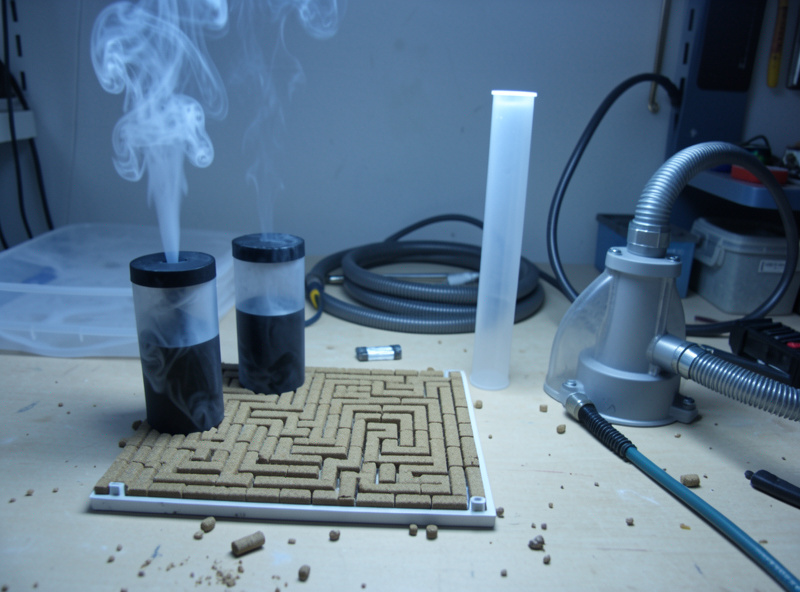
A maze lies flat and burns pellets slowly along a winding path, giving 6–12 hours of low, cool smoke. A tube stands vertical and burns hotter and faster, finishing in 2–4 hours with denser smoke. The maze is better for long cold-smoke sessions; the tube is better when you want strong smoke quickly or are adding smoke to a hot smoker.
The practical difference is heat and duration. A maze run almost never lifts my chamber temperature, which matters when the whole point is staying under 30°C. A tube, because it burns faster and hotter, can nudge a small sealed chamber warmer than I want for delicate work, so I use tubes more for adding a smoke boost to hot smoking than for true cold smoking. For an overnight cold smoke on cheese, the maze wins on both heat and walk-away time. For a quick, punchy smoke layer, the tube earns its place.
How Does a Venturi Cold Smoke Generator Work?
A venturi generator uses an aquarium air pump to push air through a tube packed with smouldering sawdust, drawing smoke out and feeding it into the chamber through a hose. Because it is pump-fed, it runs continuously for as long as you refill the dust, and you can dial smoke density up or down by adjusting the airflow.
This is the unit I reach for when I want a very long, controlled session or when I am feeding a larger chamber than a maze can fill. The pump means it keeps going indefinitely, and the hose-fed design keeps the burn completely outside the chamber, so it adds zero radiant heat — the gold standard for cold smoking. The trade-offs are that it needs power, it has parts that can clog, and it costs more than a maze. For most people it is overkill; for anyone running a big or multi-shelf chamber, it is the cleanest cold-smoke source there is.
Cold Smoke Generator Comparison Table
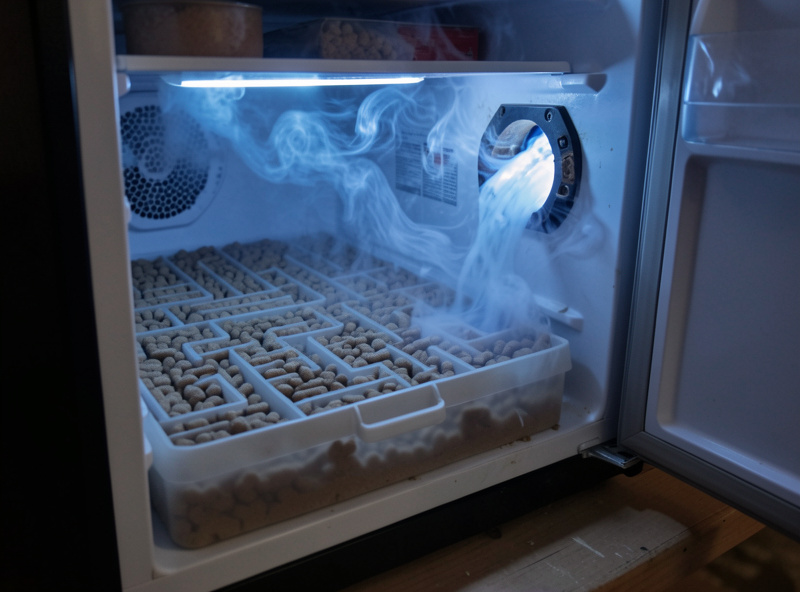
Here is how the three types stack up across the factors that decide which one belongs on your bench: run time, heat output, power, cost, and the job each does best.
| Type | Run Time | Heat Output | Power Needed | Best For |
|---|---|---|---|---|
| Pellet maze | 6–12 hrs per fill | Very low | None | Long cold smokes, beginners, cheese |
| Pellet tube | 2–4 hrs per fill | Low–moderate | None | Fast dense smoke, smoke boost |
| Venturi (pump-fed) | Continuous (refill dust) | Very low | Aquarium pump | Very long sessions, large chambers |
| DIY soup-can maze | 4–8 hrs per fill | Low | Soldering iron (start) | Cheapest, fully customisable |
Which Cold Smoke Generator Should You Buy First?
Buy a pellet maze first. At a low price with no power requirement and 6–12 hours of hands-off cool smoke, it is the lowest-risk way to learn cold smoking and covers most home charcuterie jobs. Add a tube later for fast smoke, and only step up to a venturi unit if you run a large chamber or want very long, continuous sessions.
If you would rather build than buy, the DIY route is genuinely competitive — a soup-can-and-soldering-iron maze costs almost nothing and you can size it to your exact chamber. I keep a bought maze and my DIY one both in rotation, and honestly the home-made one performs every bit as well for cheese and bacon. Start with whichever fits your budget and your appetite for a project, run it on a cool day, and you will learn more from one real session than from any spec sheet. The generator is only ever as good as the temperature discipline around it.
Where Each Generator Fails (and How I Fix It)
Every type has a signature failure mode. Mazes go out mid-run, tubes burn too fast and hot, and venturi units clog the dust feed. None of these are dealbreakers once you know the cause, but all three have cost me a wasted session at some point and taught me the fix.
The maze’s classic failure is the burn going out, and it is almost always damp pellets or dust packed too tight. I keep my smoking pellets in a sealed jar with a silica pack, fill the channels loosely rather than ramming them, and let the lit end establish a proper glowing ember for a good ten minutes before I blow the flame out. A maze that keeps dying is wet fuel nine times out of ten. The other maze problem is “tunneling,” where the burn jumps a channel divider and short-cuts the path — using the correct pellet size for the maze gap stops it.
The tube’s problem is the opposite: it runs hot and fast, so in a small sealed fridge it can push the temperature up faster than I want for cheese. My fix is to use the tube only when ambient is genuinely cold, or reserve it for adding a smoke boost to hot smoking where heat does not matter. The venturi’s weak point is the dust feed clogging or the pump airflow drifting; I clear the tube between sessions, run dust that is fine but not powder-fine, and keep the pump on the lowest airflow that sustains a steady ember. Dialed in, the venturi is the most hands-off of the three for a long run — but it is the one with the most to go wrong, which is exactly why I still send beginners to the maze first.
Frequently Asked Questions
What is the best cold smoke generator for beginners?
A pellet maze is the best beginner cold smoke generator. It is cheap, needs no power, throws almost no heat, and produces 6 to 12 hours of cool smoke from a single fill, which covers most home charcuterie jobs.
What is the difference between a maze and a tube smoker?
A maze lies flat and burns slowly for 6 to 12 hours with very low heat, ideal for cold smoking. A tube stands vertical, burns hotter and faster for 2 to 4 hours, and suits fast dense smoke or adding smoke to a hot smoker.
Do cold smoke generators add heat to the chamber?
Mazes and venturi units add almost no heat because the burn is small and slow or kept outside the chamber. Tubes burn hotter and can warm a small sealed chamber, so they are less ideal for delicate cold smoking.
Is a venturi cold smoke generator worth it?
A venturi pump-fed generator is worth it for large chambers or very long continuous sessions, because it runs indefinitely and adds no radiant heat. For a small converted fridge, it is usually overkill compared to a maze.
Can you build a cold smoke generator instead of buying one?
Yes. A DIY soup-can-and-soldering-iron maze costs almost nothing, can be sized to your exact chamber, and performs as well as a bought maze for cheese and bacon. It is a strong option for anyone happy to do a short build.
What do you burn in a cold smoke generator?
Wood pellets or fine wood dust, depending on the design. Mazes and tubes typically use pellets; venturi units use dust. Mild woods like beech, apple, and cherry suit cheese, while stronger woods like oak and hickory suit meat.
Related Guides
- Cold Smoking at Home: The Complete Guide
- DIY Cold Smoke Generator: Build a Maze From Scratch
- How to Cold Smoke Cheese at Home
- Cold Smoke vs Hot Smoke Bacon: The Real Difference