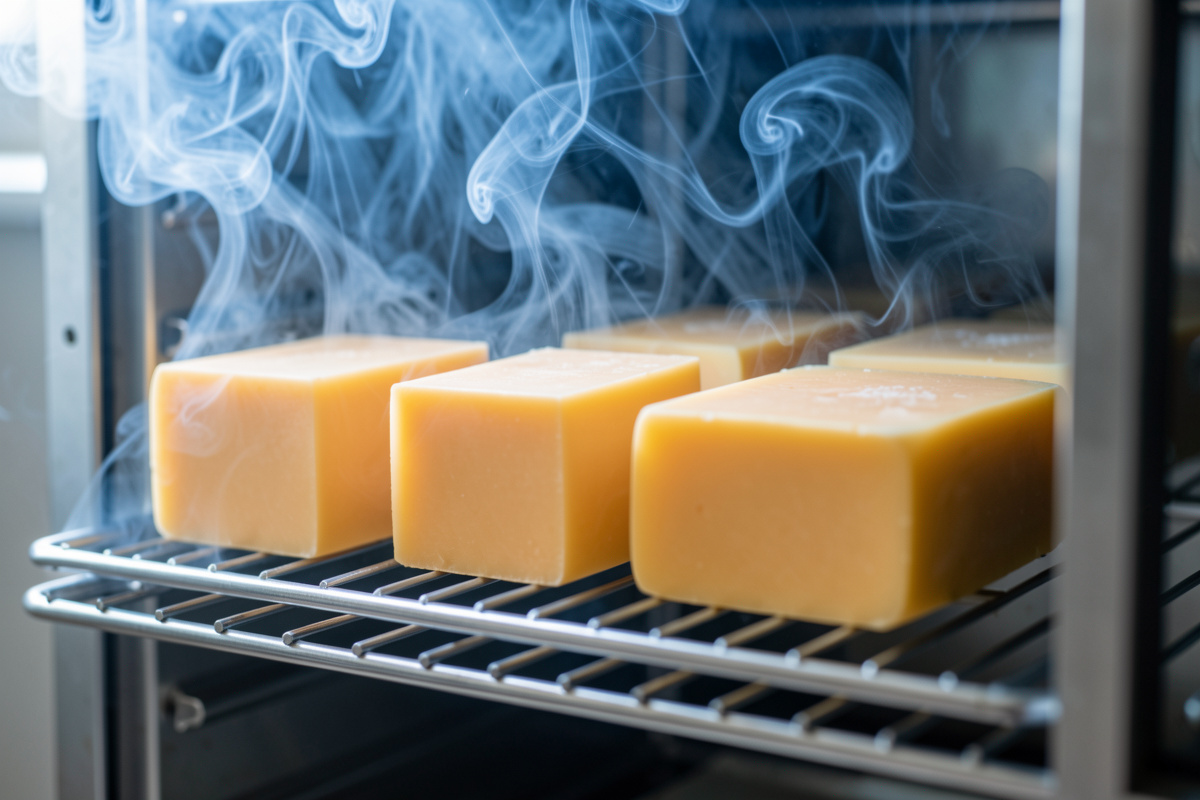

To cold smoke cheese at home, hold the cheese in smoke under 30°C (86°F) for 2–4 hours, then vacuum-seal it and rest it in the fridge for at least two weeks before eating. Cheese has no cure step and no safe internal temperature target — the entire game is keeping it cold enough that it never sweats or melts while it takes on smoke.
Cheese is the easiest thing to cold smoke and the one I tell people to start with — if you have read my complete cold smoking guide, this is the project to cut your teeth on. There is no nitrite, no water-activity target, no botulism math — just a block of cheese, gentle smoke, and patience. The two things that go wrong are heat (the cheese weeps oil and goes greasy) and impatience (you eat it the same day and it tastes like an ashtray). Get those two right and home-smoked cheddar will ruin the shop-bought version for you.
What Cheeses Are Best for Cold Smoking?
Firm and semi-firm cheeses cold smoke best: cheddar, gouda, gruyere, edam, and provolone all hold their shape and take smoke evenly. Aim for blocks around 5–8 cm thick so the smoke penetrates the surface without needing hours. Soft, high-moisture cheeses like brie or fresh mozzarella sweat and slump even at cold-smoke temperatures.
I keep a rotation of cheddar and gouda for smoking because they are forgiving and the flavour pairs beautifully with beech or apple smoke. Harder aged cheeses take longer to show colour but reward you with a deeper rind flavour. Skip anything you would describe as creamy or spreadable at room temperature — if it is soft enough to spread, it is soft enough to deform in the smoker. Cut large wheels into blocks no thicker than your fist so the surface-to-smoke ratio works in your favour.
How Long Should You Cold Smoke Cheese?
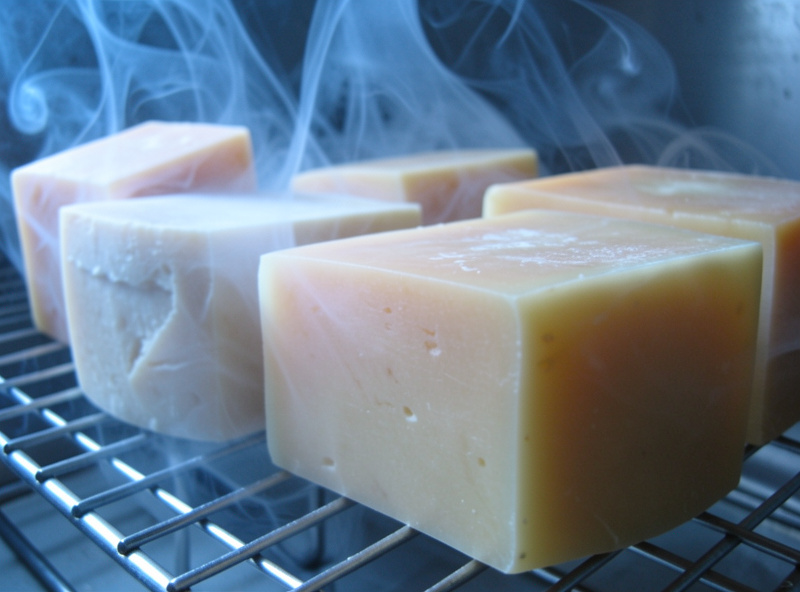
Cold smoke cheese for 2–4 hours for a mild, balanced result. Light eaters can pull at 90 minutes; bolder smoke flavour comes from 4–6 hours, but past that point the surface turns bitter and acrid. The exact time depends on smoke density, wood, and how strong you like it, so the first batch is always a calibration run.
I run mine for three hours with beech, flipping the blocks once at the halfway mark so both faces colour evenly. The cheese comes out looking dull and slightly orange-tinged on the surface — that is the smoke deposit, and it deepens as it rests. The single biggest mistake new smokers make is leaving cheese in for eight or ten hours chasing colour. You cannot rush the flavour development that way; you only burn the surface. Time in smoke builds the deposit, and the two-week rest is what turns that deposit into flavour.
How Do You Keep Cheese Cold While Smoking?
Keep the smoker under 30°C by generating smoke off-box and smoking in cool weather. A pellet maze or tube smoker sitting outside the chamber produces almost no radiant heat, so ambient temperature does the work — this off-box approach is exactly the same one I use for the DIY cold smoke generator and for bacon. In warm conditions, set a tray of ice below the cheese or smoke overnight when the air is coldest.
This is where my converted-fridge chamber earns its keep. I drift smoke into it from an external maze and watch the temperature on the SensorPush HT.W at shelf height; if it climbs toward 28°C I stop and let it recover. In Swedish winter I barely have to think about it — the ambient does the cooling and I can run a long, gentle session without the cheese ever sweating. If your smoker runs hot, the frozen-water-bottle or ice-tray trick keeps a small space under control. Greasy, weeping cheese is always a heat problem, never a smoke problem.
Why Do You Have to Rest Smoked Cheese?
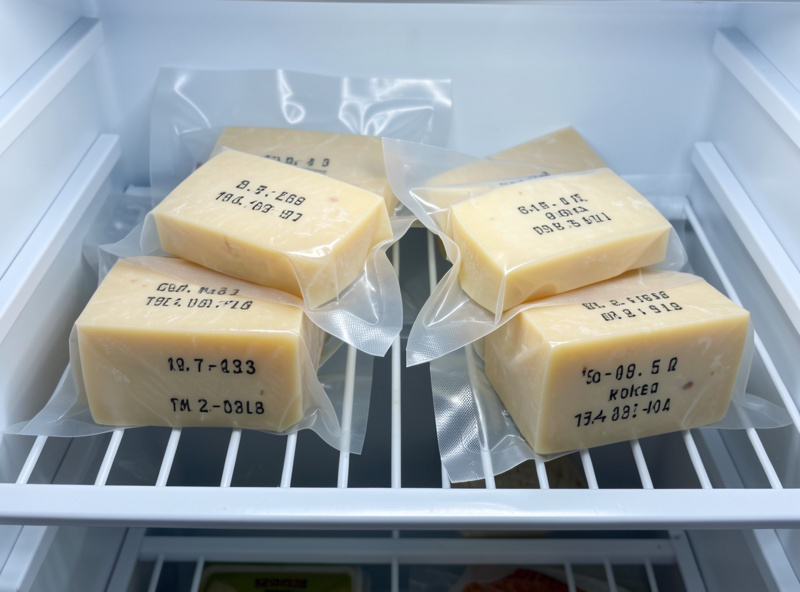
You rest smoked cheese because fresh off the smoker it tastes harsh, ashy, and chemically sharp. Vacuum-sealing it and resting it in the fridge for 2–4 weeks lets the smoke compounds migrate inward and mellow. The difference between day-one and week-three smoked cheese is the difference between inedible and exceptional.
I vacuum-seal every block the moment it comes off the rack, label it with the date, and forget it for at least two weeks — four if I can manage the patience. The smoke flavour moves from a thin, bitter surface layer into the body of the cheese and rounds out completely. Resting also lets any surface oil reabsorb. If you taste a block at week one and panic that you ruined it, reseal it and wait; cheese that seemed harsh almost always comes good by week three. This rest is the step recipe videos skip, and it is the whole reason home-smoked cheese beats the supermarket version. It is the same patience the day-two rest on cold-smoked bacon demands — smoke always needs time to mellow.
What Wood Should You Use for Smoking Cheese?
Mild fruit and nut woods suit cheese best: apple, cherry, and beech give a gentle, sweet smoke that complements rather than overpowers dairy. Hickory and oak work for stronger cheeses but can turn bitter fast. Avoid mesquite entirely for cheese — it is far too aggressive for such a delicate substrate.
Beech is my default for cheddar and gouda because it is clean and never harsh. Apple is the one I reach for when I want a faintly sweet edge on a milder cheese. I keep oak and hickory for the cheeses that can stand up to them, but I use them sparingly — an hour less than I would run beech. The pellet or dust you choose matters less than the temperature you hold and the rest you give it, but pairing the wood to the cheese is the finishing touch that separates a good block from a great one.
What Goes Wrong When You Cold Smoke Cheese?
Three failures cover almost every ruined block: the cheese weeps oil (too warm), the surface tastes acrid and bitter (too much smoke or no rest), and the vacuum bag fills with condensation in the fridge (you sealed it warm). All three are fixable, and all three taught me something the first time they happened.
The oil-weeping one was my earliest mistake. I smoked a batch of cheddar on a mild spring afternoon, the chamber drifted to 31°C, and the blocks came out shiny and greasy with fat beading on the surface. They still tasted fine once rested, but the texture was permanently slightly waxy. Now I never start a session unless the SensorPush HT.W reads comfortably under 25°C with headroom to spare. The condensation problem is sneakier: if you vacuum-seal cheese while it is still cool from the smoker but the bag and cheese are at different temperatures, moisture beads inside the bag during the rest. I let every block sit on the counter just long enough to come to a steady fridge-bound temperature, then seal, then chill — no temperature gap, no condensation.
Bitter rind is the most common complaint I hear from people starting out, and it is nearly always over-smoking rather than bad wood. If a block comes out harsh, do not throw it away: vacuum-seal it and give it the full four-week rest. Smoke that tastes punishing at week one is usually pleasant by week four. The only block I have ever actually binned was one that grew a fuzzy spot because I left it unsealed too long — that is a real spoilage call, and when mold shows up on smoked cheese the safe move is to cut well past it on a hard cheese or discard a soft one entirely.
Frequently Asked Questions
How long do you cold smoke cheese?
Cold smoke cheese for 2 to 4 hours for a balanced flavour. Less than 90 minutes is very mild, and beyond 6 hours the surface turns bitter. The first batch is always a calibration run for your setup.
Do you have to rest cheese after cold smoking?
Yes. Vacuum-seal smoked cheese and rest it in the fridge for at least 2 weeks, ideally 4. Fresh off the smoker it tastes harsh and ashy; resting lets the smoke migrate inward and mellow into real flavour.
What temperature should the smoker be for cheese?
Keep the smoker under 30 degrees C (86 degrees F) so the cheese never sweats or melts. Many home smokers aim under 20 degrees C, which is why cold-weather or overnight smoking is preferred for cheese.
What is the best cheese to cold smoke?
Firm and semi-firm cheeses like cheddar, gouda, gruyere, and provolone smoke best because they hold their shape. Avoid soft, high-moisture cheeses like brie or fresh mozzarella, which sweat and slump.
What wood is best for smoking cheese?
Mild woods like apple, cherry, and beech suit cheese best. Hickory and oak work for stronger cheeses in smaller amounts. Avoid mesquite, which is far too aggressive for delicate dairy.
Related Guides
- Cold Smoking at Home: The Complete Guide
- DIY Cold Smoke Generator: Build a Maze From Scratch
- Cold Smoke vs Hot Smoke Bacon: The Real Difference
- How to Wax Cheese for Aging