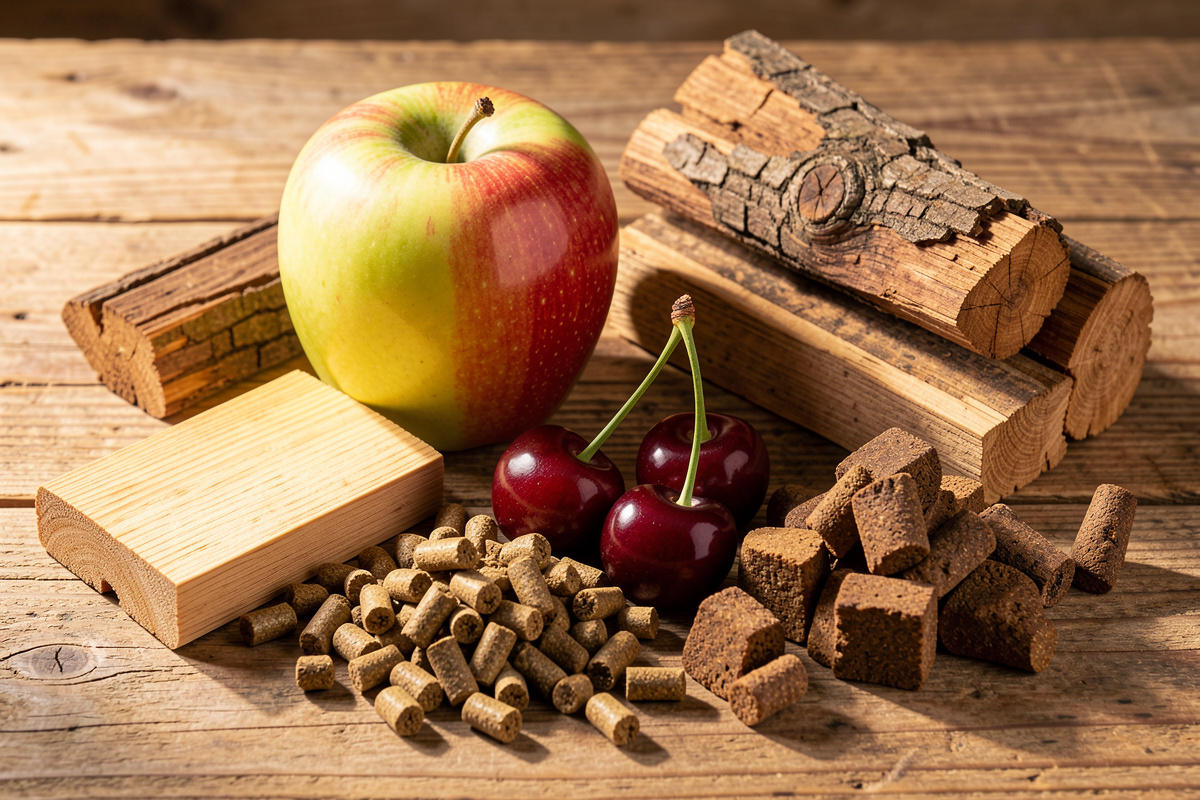

The best woods for cold smoking are the mild-to-medium hardwoods: beech, alder, apple, cherry, oak, and hickory. Beech and alder give a clean, gentle smoke that suits cheese and fish; apple and cherry add a faint sweetness; oak and hickory bring stronger, bacon-and-sausage smoke. Match the wood’s intensity to the food, and never use resinous softwoods like pine, which make food taste of turpentine.
After years of feeding the same chamber with different pellets and dust, I have settled into a short list I trust. Wood choice matters less than temperature and rest time — you can ruin good wood by smoking too hot or eating too soon, the discipline I lay out in my cold smoking guide — but once those are dialled in, the wood is the flavour signature. Here is how I pair wood to food, what to avoid, and why pellet versus dust barely changes the outcome.
What Is the Best Wood for Cold Smoking Cheese?
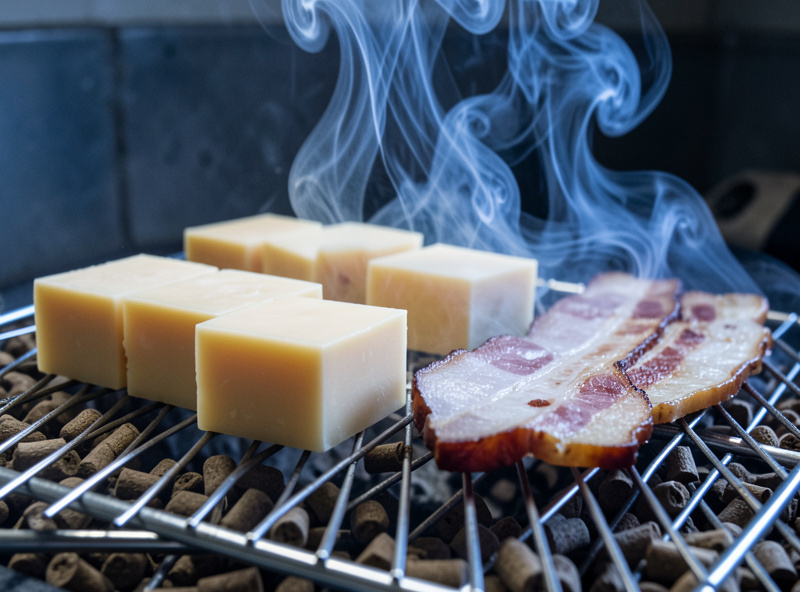
For cheese, the best woods are mild and slightly sweet: apple, cherry, beech, and alder. These give a gentle smoke that complements dairy without overwhelming it. Cheese is delicate and takes smoke fast, so a light wood gives you room for error before the surface turns bitter.
Beech is my everyday cheese wood — clean, neutral, never harsh, and it lets the cheese stay the star. When I want a touch of sweetness on a milder cheddar or gouda I switch to apple. Cherry adds a faint colour and a rounded smoke I like on aged cheese. I keep hickory and oak well away from delicate cheeses; they turn bitter on dairy faster than almost any other pairing. If you only buy one wood for cheese, make it beech or apple — and pair it with the timing in my guide to cold smoking cheese.
What Wood Is Best for Cold Smoking Bacon and Meat?
For bacon, sausage, and cured meat, stronger woods carry the flavour: hickory, oak, beech, and apple are the classics. Hickory gives the deep, traditional bacon smoke; oak is robust and balanced; beech and apple soften the profile if you find hickory too assertive. Meat can take a heavier smoke than cheese without turning bitter.
For my frying bacon I lean on a hickory-and-apple blend — hickory for the backbone, apple to round off the edge. Oak is my fallback when I want strong but not aggressive. Because cured meat smokes over longer sessions than cheese, it can absorb a fuller-flavoured wood without the acrid edge that would wreck a block of cheddar. The cure underneath already carries the meat; the wood is there to layer smoke on top, so I match a bolder wood to the bolder food.
What Wood Is Best for Cold Smoking Fish?
For fish, the best woods are the lightest on the list: alder first, then beech, apple, and cherry. Alder is the traditional salmon wood for good reason — it is clean and gentle and lets the oily richness of the fish carry the flavour rather than fighting it. Fish takes smoke quickly, so a mild wood gives the widest margin before the surface turns harsh.
Alder is what I run on every side of cold-smoked salmon, usually with a little cherry blended in for colour. I stay away from hickory and oak on fish entirely; their heavier smoke overpowers the delicate flesh and leans bitter over the long sessions cold-smoked fish needs. If you have read my guide to cold smoking fish at home, the wood is the easy part — the cure, the cold chain, and the salt level do the real work, and a mild wood simply finishes a fillet that the brine has already made safe to store cold. Match a gentle wood to a delicate food and you will not go wrong.
What Woods Should You Never Use for Cold Smoking?
Never cold smoke with resinous softwoods such as pine, spruce, fir, cedar, or redwood. Their high resin content produces acrid, sooty smoke that tastes of turpentine and deposits unpleasant compounds on food. Also avoid any treated, painted, or glued wood, and green or mouldy wood, which burn dirty and can be harmful.
This is the one hard rule of smoking wood, and it is non-negotiable. Softwood resin does not just taste bad — it coats food in a sooty, bitter film you cannot rest away. Stick to seasoned hardwoods from a known food-grade source. I never use offcuts from the workshop unless I am certain of the species and that they are untreated; construction lumber and old furniture are often treated or glued and have no place near food. When in doubt about a wood, leave it out.
Pellets vs Dust vs Chips: Which for Cold Smoking?
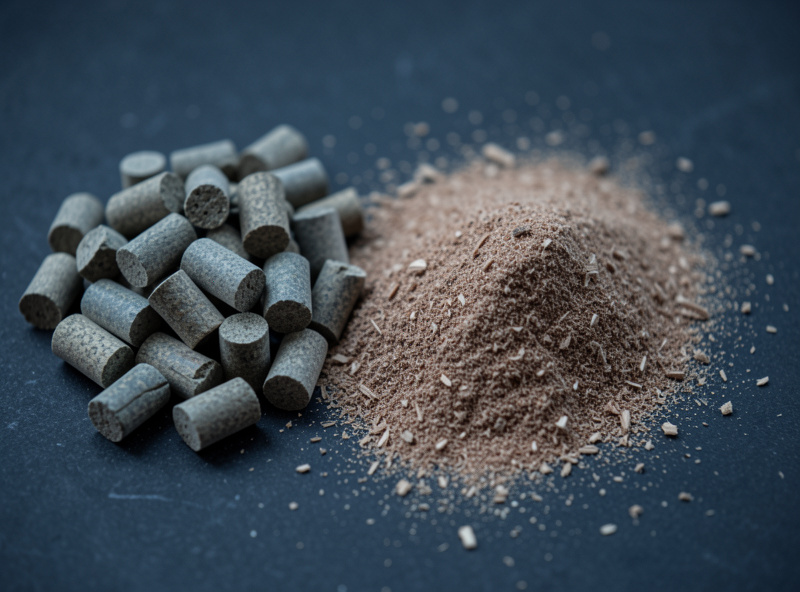
For cold smoking, pellets and fine dust are the standard fuels. Pellets suit mazes and tubes and burn slow and cool; dust suits venturi generators and the finest mazes. Chips and chunks are made for hot smoking and burn too hot and fast for a cold-smoke maze, so they are the wrong fuel here.
I run pellets in my mazes and tubes and keep dust for the venturi unit — the formats I break down in the cold smoke generator comparison. The species matters far more than the format — beech dust and beech pellets give effectively the same flavour, so buy whichever your generator is designed to burn. Chips are a hot-smoking fuel; drop them in a cold-smoke maze and you get a fast, hot, uneven burn that defeats the whole purpose. Match the fuel format to your generator, match the species to your food, and the flavour takes care of itself.
Cold Smoking Wood Pairing Chart
This is the pairing chart I work from — intensity of each wood and what it suits best, so you can match flavour to food at a glance.
| Wood | Intensity | Flavour Note | Best For |
|---|---|---|---|
| Alder | Mild | Clean, light | Fish, cheese |
| Beech | Mild | Neutral, clean | Cheese, all-rounder |
| Apple | Mild–medium | Faintly sweet, fruity | Cheese, poultry, bacon |
| Cherry | Mild–medium | Sweet, adds colour | Cheese, meat, all-rounder |
| Oak | Medium–strong | Robust, balanced | Bacon, sausage, beef |
| Hickory | Strong | Classic deep bacon smoke | Bacon, sausage |
Where to Get Cold-Smoking Wood and How to Store It
Buy food-grade smoking pellets or dust from a reputable supplier rather than gambling on random offcuts. The species needs to be certain and the wood needs to be untreated, kiln-dried or properly seasoned, and free of bark mould. A bag of food-grade beech or alder pellets is cheap and lasts a long time at cold-smoking burn rates, so there is no real saving in cutting corners on the fuel.
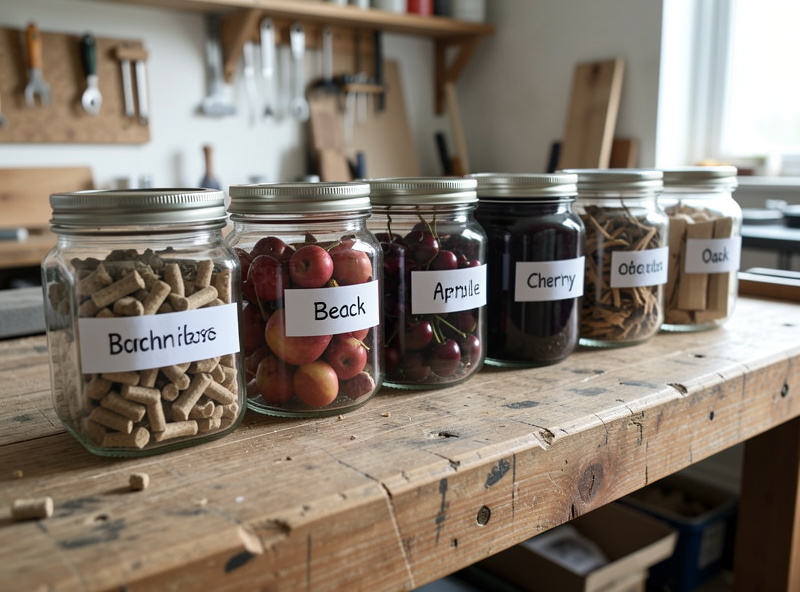
Storage matters more than people expect, because damp fuel is the single most common reason a maze goes out mid-run. I keep my pellets and dust in sealed jars with a silica gel pack, away from the chamber’s humidity, and I never store smoking fuel anywhere it can pick up moisture or odours. Wood that has absorbed damp burns cool, dirty, and unreliable — you will fight the burn the whole session and the smoke comes out acrid. Dry, sealed, known-species hardwood is the whole game: get the fuel right and the only variables left are temperature and time, both of which you control. I label each jar with the species so a late-night chamber refill never turns into a guessing game over which wood is which.
Frequently Asked Questions
What is the best all-round wood for cold smoking?
Beech is the best all-round cold-smoking wood. It is clean and neutral, works on cheese, fish, and meat, and rarely turns bitter. Apple is a close second when you want a faintly sweet edge.
What is the best wood for cold smoking cheese?
Mild, slightly sweet woods like apple, cherry, beech, and alder are best for cheese. They give gentle smoke that complements dairy. Avoid hickory and oak on delicate cheese, which can turn bitter fast.
What wood is best for cold smoking bacon?
Hickory gives the classic deep bacon smoke, while oak is robust and balanced. Beech and apple soften the profile if hickory is too strong. A hickory-and-apple blend is a reliable bacon pairing.
Can you use pine or cedar for cold smoking?
No. Never use resinous softwoods like pine, spruce, fir, or cedar. Their resin produces acrid, turpentine-tasting smoke that deposits unpleasant compounds on food. Stick to seasoned hardwoods only.
Are pellets or dust better for cold smoking?
Both work; it depends on your generator. Pellets suit mazes and tubes, while fine dust suits venturi units. The wood species matters far more than the format, since beech pellets and beech dust taste effectively the same.
Can you cold smoke with wood chips?
Not well. Chips are made for hot smoking and burn too hot and fast for a cold-smoke maze, giving an uneven burn. Use pellets or dust for cold smoking instead.
Can you mix woods for cold smoking?
Yes, blending woods is common and effective. A hickory-and-apple blend balances strong smoke with sweetness on bacon. Start with a mild base wood and add a stronger one in small amounts until you like the result.
Related Guides
- Cold Smoking at Home: The Complete Guide
- How to Cold Smoke Cheese at Home
- Cold Smoke vs Hot Smoke Bacon: The Real Difference
- Cold Smoke Generator Comparison: Maze, Tube, Venturi