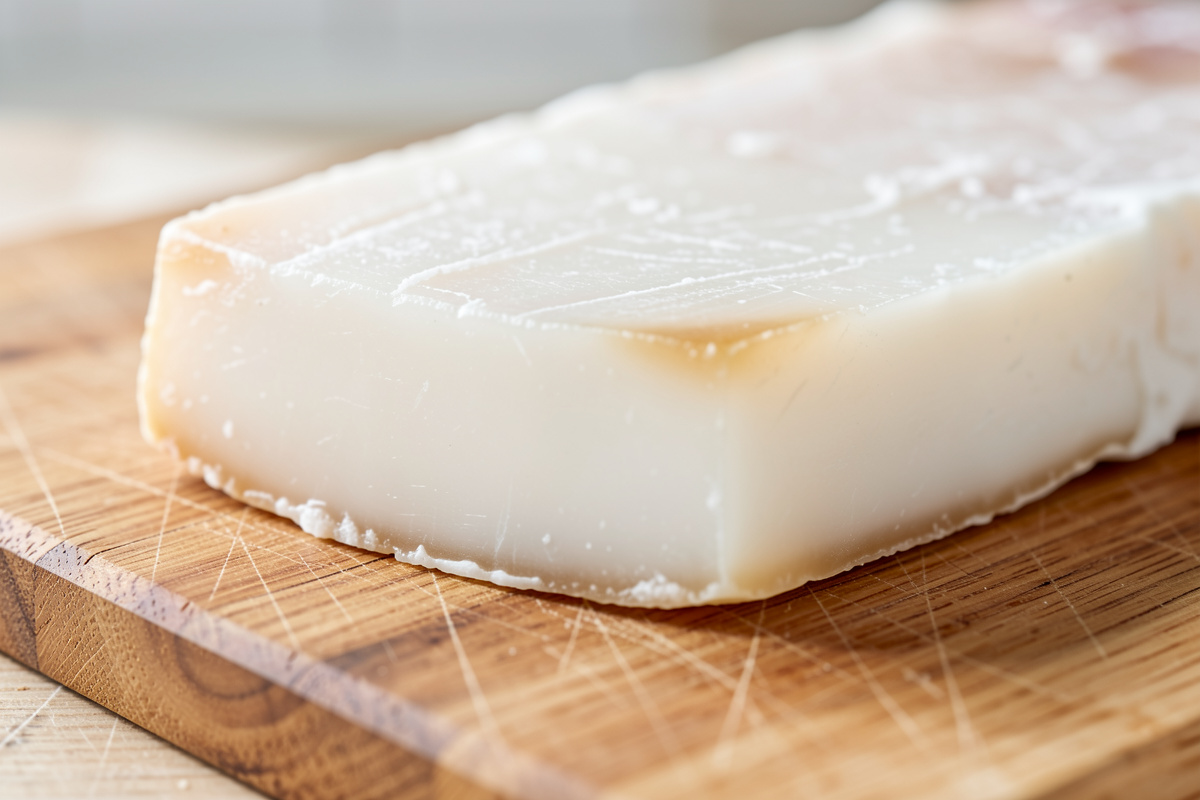
Why Did My Lardo Go Yellow? Rancid Fat vs Normal Aging
July 21, 2026

Yellowing lardo is often normal — fat oxidizes slowly and deepens from white toward straw over weeks to months of aging, and a faint tint on a well-kept slab is fine. What is not fine is a sharp, crayon-like or paint-thinner smell, a greasy slick, or a bitter taste: those mean the fat has gone rancid, and no trimming saves it. The color alone rarely tells the story — your nose and a small taste do.
This is the panic email I get most about cured fat: “my lardo turned yellow, do I throw it out?” Usually the answer is no, and a good slab gets wrongly binned; occasionally the answer is yes, and a rancid one gets eaten anyway. Across the slabs I have aged in the chambers I run, I have learned to read the difference in about ten seconds. This guide gives you that same quick diagnosis — a companion to the hub on how to cure lardo at home and the deeper science in rancidity in cured meats.
Why Cured Fat Yellows in the First Place
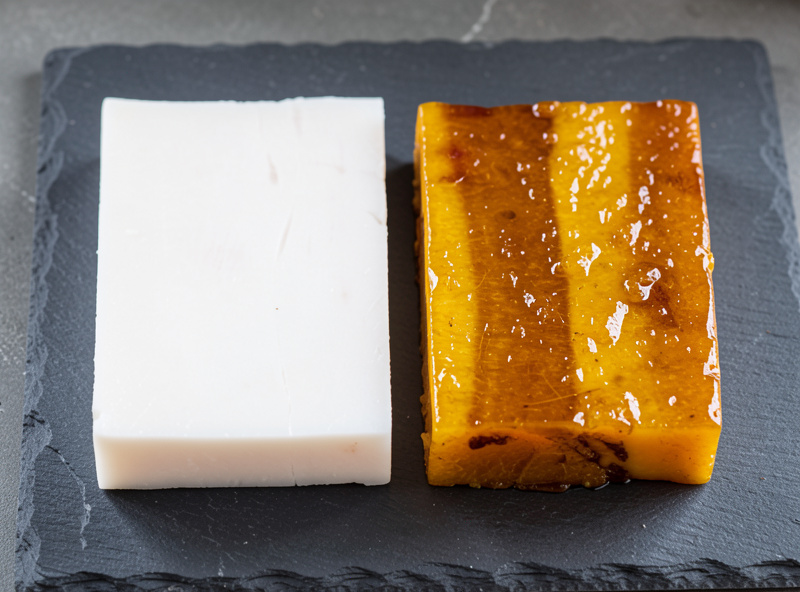
Fat is not chemically static — it reacts slowly with oxygen and light over time, and that reaction changes its color. Fresh back fat is bright, opaque white. As it cures and ages, the surface naturally deepens toward cream and then a faint straw or ivory tint, the way old piano keys yellow with age. This is slow oxidation, and in its early, gentle form it is a normal part of aging, not a fault. A months-old lardo that has taken on a slight golden cast at the edges, but still smells clean and tastes right, is doing exactly what aged fat does.
Diet and breed matter too. Pork from pasture-raised or heritage pigs, or animals fed on things like acorns or maize, can carry a naturally warmer, more yellow fat from the start — that is carotenoid pigment in the feed, not spoilage, and it is prized rather than feared in some traditions. So a slab that started slightly cream-colored is not a warning sign; it is the raw material. Knowing your fat’s source helps you read its color honestly.
Normal Aging vs Rancidity: The Three Tests
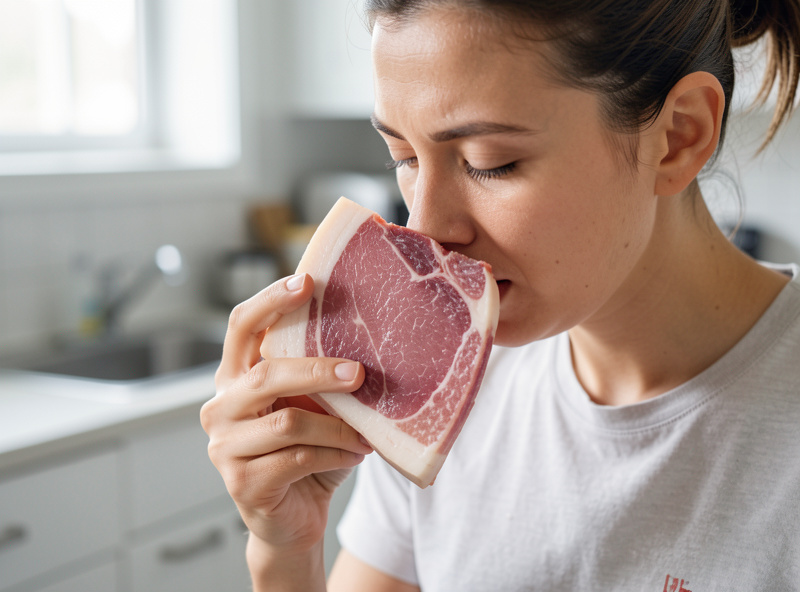
The reliable way to tell friendly yellowing from real rancidity is not to stare at the color — it is to run three quick sensory checks. Color is only a prompt to look closer; smell, taste, and texture give the verdict.
The smell test is the most important. Good aged lardo smells clean, faintly nutty, porky, and of whatever herbs you cured it with. Rancid fat smells wrong in a way that is unmistakable once you know it: sharp, chemical, like old cooking oil, wax crayons, oil paint, or paint thinner. That acrid note is the smell of fat molecules broken down by oxidation. If your nose recoils, trust it — rancidity announces itself before anything else does.
The taste test confirms it. A tiny sliver of good lardo tastes clean and rich, melting to sweetness. Rancid fat tastes bitter, sharp, and lingering, coating the mouth unpleasantly. You do not need to eat a rancid piece to know — a touch to the tongue and out is enough, and you will want to spit it. The texture and surface test is the third: fresh-aged lardo is firm and waxy with a dry, clean surface, while badly oxidized fat often develops a greasy, weeping, slightly sticky slick as the fat structure degrades.
| Sign | Normal Aging | Rancid Fat |
|---|---|---|
| Color | White to faint straw/ivory | Deep yellow, brown edges, or grey |
| Smell | Clean, nutty, porky, herbal | Sharp, waxy, paint-thinner, old oil |
| Taste | Rich, clean, melting | Bitter, sharp, lingering |
| Texture | Firm, waxy, dry surface | Greasy, weeping, sticky slick |
| Verdict | Safe to eat | Discard — not salvageable |
What Causes Lardo to Actually Go Rancid
Rancidity is oxidation gone too far, and three things drive it: air, light, and warmth. A slab left uncovered on an open fridge shelf, exposed to circulating air and the light every time the door opens, oxidizes far faster than one kept sealed and dark. Heat accelerates every step, so a lardo that got warm — a chamber that drifted, a slab left out, a warm pantry — is on the fast track. Time compounds all of it; even well-stored fat will eventually turn, which is why lardo is a “make what you will eat in a reasonable window” product rather than something to hoard for years.
This is exactly why traditional lardo is kept packed under salt or submerged in its own rendered fat or oil, and why I keep aging and finished slabs covered and in the dark. It is the same reason salo lives in the freezer. Cold, sealed, and dark is not fussiness — it is the entire defense against the one failure mode that pure fat is uniquely prone to. Get your chamber and storage right and rancidity is rare; let a slab sit exposed and warm and it becomes inevitable.
Can You Save a Yellowing Slab?
If the slab passes the smell and taste tests — clean nose, rich taste, firm surface — then the yellowing is cosmetic and there is nothing to save it from; eat it as normal. If you want to slow further yellowing on a slab you are still working through, trim any dried, most-oxidized outer surface, then wrap the cut face tightly and keep it cold and dark, or submerge portions in a little oil to seal out air. That protects the interior, which is always fresher than the exposed surface.
If the slab fails — if it smells sharp or chemical, tastes bitter, or feels greasy and weeping — it is rancid all the way through, not just on the surface, because oxidation works inward through the fat. Trimming will not rescue it, and this is a firm line I hold: when fat has gone rancid, it goes in the bin. Rancid fat is not a dangerous-toxin situation the way spoiled meat or a botulism risk is, but it tastes bad, it will ruin anything you cook with it, and eating rancid fat is simply unpleasant and not worth it. When the tests are ambiguous and you genuinely cannot tell, treat it as the broader charcuterie food safety rule says — when in doubt, throw it out.
Telling Yellowing From Mold
One last source of confusion: people sometimes call a slab “yellow” when what they are actually seeing is a bloom of mold that has taken on a yellowish or greenish cast. Those are different problems. A powdery white mold is the same friendly Penicillium you see on a salami and wipes off with a vinegar-damp cloth. A dry, even yellow-straw color in the fat itself is oxidation, judged by the three tests above. But fuzzy, raised growth that is green, black, or “spider-web” grey — sitting on the surface rather than being the color of the fat — is spoilage mold, and that slab should be discarded, not wiped. When you separate “the fat changed color” from “something is growing on the fat,” most of the confusion clears up. Both are covered more fully alongside the timeline in the how-long-to-cure guide, since long hangs are when both appear.
Preventing Yellowing and Rancidity From the Start
Most rancid-lardo problems are made long before the color shows up, in how the slab is cured and stored. Start clean: trim off every scrap of lean meat and blood before curing, because those bits oxidize and spoil faster than the fat and drag the whole slab down with them. Use a genuinely fresh slab too — fat that was already days past its best when you salted it has a head start on going off that no cure can undo.
During aging, keep the slab out of direct light and moving air. In my chambers the finished and near-finished slabs get loosely wrapped or shelved away from the fan’s direct path, because the same air exchange that keeps a salami healthy will accelerate oxidation on exposed fat if it blows straight across it for weeks. Hold the temperature at the cool end of the envelope; every degree warmer speeds the reaction. And keep the humidity steady — a slab that keeps drying and rehydrating as the chamber swings stresses the surface fat.
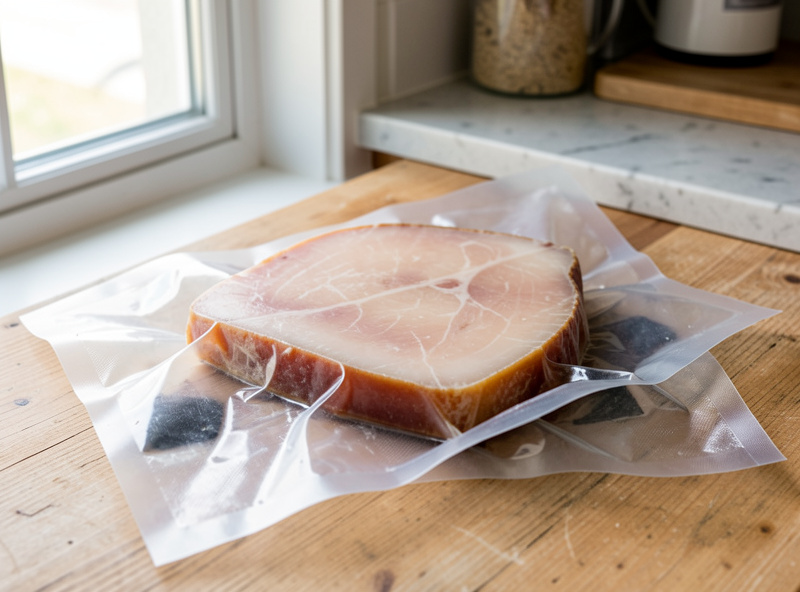
For storage after the cure, the rule is simple and it is the same one that governs salo: cold, sealed, dark. Vacuum-seal what you will not eat soon, or wrap tightly in parchment then foil, and keep it at the back of the fridge or in the freezer rather than on an open shelf. Cured fat freezes without losing texture, so there is no reason to leave a slab exposed and warm “to have it handy.” Do these few things and yellowing stays in the harmless, cosmetic range for the whole life of the slab — the deep, chemical rancidity that actually ruins lardo simply never gets started. Prevention here is almost entirely about controlling air, light, warmth, and time, which is exactly what a well-run chamber and a sealed fridge already do.
Related Guides
- How to Cure Lardo at Home: The Complete Guide
- Rancidity in Cured Meats: Why It Happens and How to Prevent It
- How Long to Cure Lardo: Salt-Box Timeline and Weight Check
- Charcuterie Food Safety: The Complete Guide
- Lardo vs Salo vs Fatback: Three Ways to Cure Pork Fat