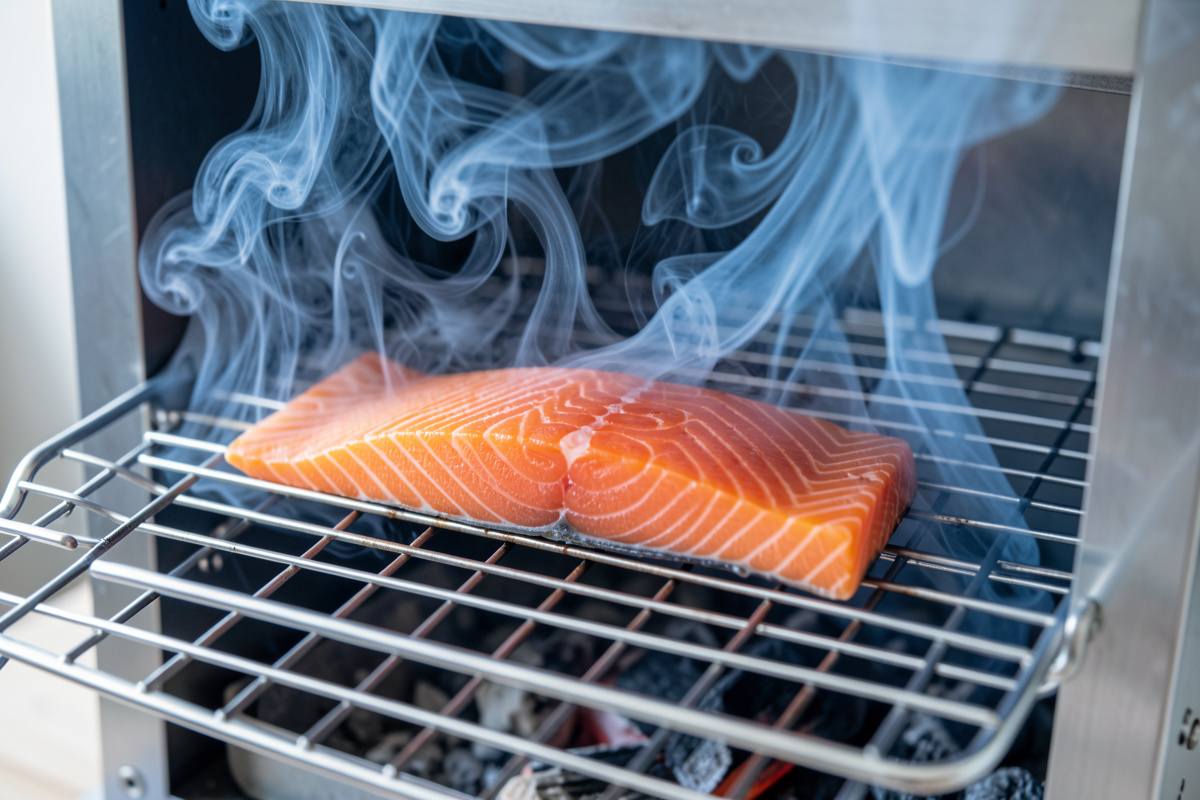

To cold smoke fish at home safely, brine or salt-cure the fish first to draw down moisture and add salt, dry it to form a pellicle, then smoke under 30°C (86°F). Cold-smoked fish stays raw, so the salt level and cold storage do the safety work — the U.S. FDA recommends a minimum water-phase salt content of 3.5% for refrigerated cold-smoked fish to control Clostridium botulinum type E.
Fish is the cold-smoke project that demands the most respect. Cheese forgives almost anything; fish does not. Cold-smoked salmon is raw, oily, and a known vehicle for Listeria and the cold-tolerant type E botulism that lives in aquatic environments. None of that should scare you off — people have cold-smoked fish for centuries — but it does mean the brine and the cold chain are not optional flourishes. They are the safety system. If you have not run a cold smoker before, start with my cold smoking guide and graduate to fish last. Here is how I run it.
How Do You Prepare Fish for Cold Smoking?
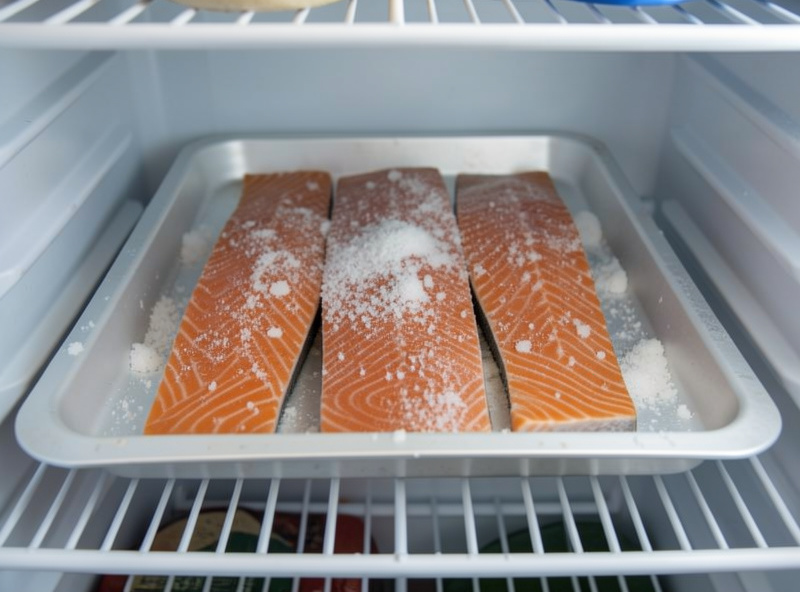
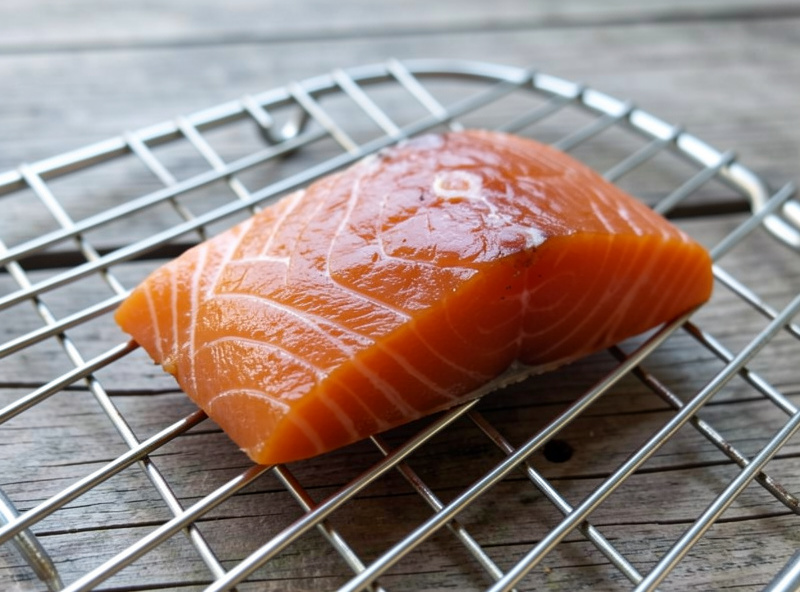
Prepare fish by curing it in either a salt brine or a dry salt cure for several hours to a day, depending on thickness. This step seasons the fish and, critically, raises the salt concentration in the flesh. After curing, rinse, pat dry, and air-dry in the fridge until the surface forms a tacky pellicle the smoke can cling to.
For salmon I use a dry cure of salt with a little sugar, packed on the fillet and left in the fridge for 8–12 hours for a thick side, less for thin fillets. The cure pulls liquid out and firms the flesh. I then rinse thoroughly, because unrinsed cure leaves the surface too salty, and rest the fillet uncovered on a rack in the fridge overnight. That overnight dry is what builds the pellicle — skip it and the smoke just slides off wet fish and the colour comes out patchy. The fish should feel tacky, not wet, before it goes near smoke.
What Temperature and How Long to Cold Smoke Fish?
Cold smoke fish under 30°C (86°F), and ideally under 21°C, for 6–12 hours depending on thickness and how strong you want the smoke. The fish must never warm into the danger zone where it partially cooks but does not reach a safe internal temperature. Cool weather or active cooling is essential for fish, more than for any other cold-smoke food.
I only cold smoke fish in winter, when my Swedish ambient sits well below 10°C and the chamber holds itself cold without effort. I watch the SensorPush HT.W obsessively for fish — if the chamber drifts toward the mid-20s in °C I stop. The same off-box smoke source I use for cold smoking cheese keeps radiant heat off the fish entirely. A long, gentle session over a cold day gives the best result: deep smoke colour, silky texture, no sign of the flesh going opaque from heat. Thin trout fillets finish in six hours; a thick salmon side wants ten to twelve. The smoke is layered onto fish that the cure has already made safe to store cold — not used to preserve raw, untreated fish.
How Much Salt Does Cold-Smoked Fish Need to Be Safe?
The U.S. FDA Fish and Fishery Products Hazards and Controls Guidance (Chapter 13) specifies a minimum water-phase salt content of 3.5% for cold-smoked fish stored refrigerated, or 5% if not, to control Clostridium botulinum type E and non-proteolytic types B and F. This is the central safety number for cold-smoked fish, and it is why a proper brine or cure is mandatory rather than optional.
Hitting that salt level reliably at home is hard to measure precisely without lab testing, which is exactly why I treat home cold-smoked fish as a refrigerate-and-eat-soon product, not a shelf-stable one. I keep it cold, vacuum-seal it, and eat it within a week or freeze it. I do not attempt the lightly-salted, long-stored commercial style — that relies on controlled salt measurement and packaging I cannot replicate in a converted fridge. When the safety margin depends on a number I cannot verify, I lean conservative: more salt, colder storage, shorter shelf life. The FDA guidance and your local food-safety authority are the right references here, not a recipe blog.
Is Cold-Smoked Fish Safe to Eat Raw?
Cold-smoked fish is eaten without cooking, but it is only as safe as the cure, the cold chain, and the freshness of the starting fish. To reduce parasite risk, fish intended to be eaten raw or cold-smoked should be frozen first — the FDA advises freezing at -20°C for 7 days, or -35°C until solid then held 15 hours, to kill parasites.
I freeze any fish destined for cold smoking before I start, both for parasite control and because freezing has almost no downside on a fillet that is going to be cured and smoked anyway. Pregnant people, the very young, the elderly, and anyone immunocompromised should avoid home cold-smoked fish entirely because of the Listeria risk — that is the standard public-health advice for ready-to-eat cold-smoked seafood, and I pass it along rather than soften it. If you are not confident in your cold chain and salt level, hot smoke the fish instead and cook it to a safe internal temperature.
Cold Smoke vs Hot Smoke for Fish: Which Is Safer?
Hot smoking is the safer route for fish because it cooks the flesh to a safe internal temperature, typically 63°C (145°F), which kills pathogens directly. Cold smoking leaves the fish raw and relies entirely on salt and refrigeration for safety, which demands more skill and tighter control. Beginners and high-risk eaters should choose hot smoking.
The same logic applies to fish as to bacon: the temperature you run the smoke at decides whether the food finishes cooked or raw. I lay that fork out in full in cold smoke vs hot smoke bacon, and the principle carries straight over to fish. For fish, the stakes are higher because of the parasite and Listeria factors, so I steer newcomers toward hot smoking until they understand the cure and the cold chain cold. A hot-smoked mackerel or trout is gloriously easy and forgiving; cold-smoked salmon is the graduate project. Master the cure and the cold first, then earn the cold smoke.
What Fish Should You Start With, and How Do You Store It?
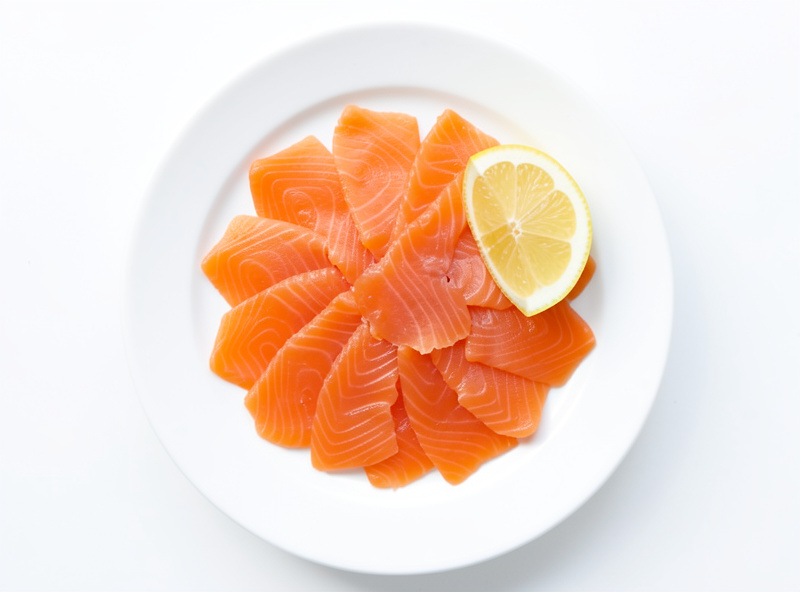
Start with farmed salmon or trout: both are fatty enough to take smoke beautifully, widely available frozen-at-source for parasite control, and forgiving of a slightly imperfect cure. I steer people away from lean white fish for a first cold smoke — it dries hard and the thin flesh leaves almost no margin on temperature. A side of farmed salmon is the cold-smoke equivalent of cheddar for cheese: the reliable place to learn.
The cold chain is the part I am strictest about, and it is the part beginners underestimate. From the moment the fish leaves the freezer it stays cold — cured in the fridge, dried in the fridge, smoked in a chamber I keep cold, and vacuum-sealed back into the fridge the moment it comes off the rack. I never let cold-smoked fish sit at room temperature to “rest” the way I do with cheese; with raw fish, time at warm temperature is exactly the window type E botulism and Listeria want. I label every package with the smoke date and treat anything past a week as freezer-only. If I am ever unsure whether a fillet stayed cold the whole way through, it goes in the bin — raw cold-smoked fish is not the place to gamble, and the cost of a fillet is nothing against the cost of getting it wrong.
Frequently Asked Questions
Do you have to brine fish before cold smoking?
Yes. Brining or salt-curing fish before cold smoking is not optional. It raises the salt level in the flesh, which along with refrigeration is what controls Clostridium botulinum type E in raw cold-smoked fish.
What temperature do you cold smoke fish at?
Cold smoke fish under 30 degrees C (86 degrees F), and ideally under 21 degrees C, for 6 to 12 hours. The fish must never warm enough to partially cook, so cool weather or active cooling is essential.
How much salt does cold-smoked fish need?
The FDA specifies a minimum water-phase salt content of 3.5% for refrigerated cold-smoked fish to control botulism. Because home cooks cannot measure this precisely, treat home cold-smoked fish as refrigerate-and-eat-soon, not shelf-stable.
Do you need to freeze fish before cold smoking?
Yes, for parasite control. The FDA advises freezing fish intended to be eaten raw or cold-smoked at -20 degrees C for 7 days, or -35 degrees C until solid then held 15 hours, before smoking.
Is home cold-smoked fish safe for everyone?
No. Pregnant people, young children, the elderly, and immunocompromised people should avoid home cold-smoked fish because of the Listeria risk in ready-to-eat cold-smoked seafood. When in doubt, hot smoke and cook the fish instead.
How long does home cold-smoked fish keep?
Treat it as a fresh refrigerated product: vacuum-seal it, keep it cold, and eat within about a week, or freeze it. Home setups cannot replicate the controlled salt and packaging of long-stored commercial cold-smoked fish.
Related Guides
- Cold Smoking at Home: The Complete Guide
- Cold Smoke vs Hot Smoke Bacon: The Real Difference
- How to Cold Smoke Cheese at Home
- DIY Cold Smoke Generator: Build a Maze From Scratch