Growing Your Own Curing Spices: Juniper Coriander Fennel and Bay from Garden to Cure
June 3, 2026

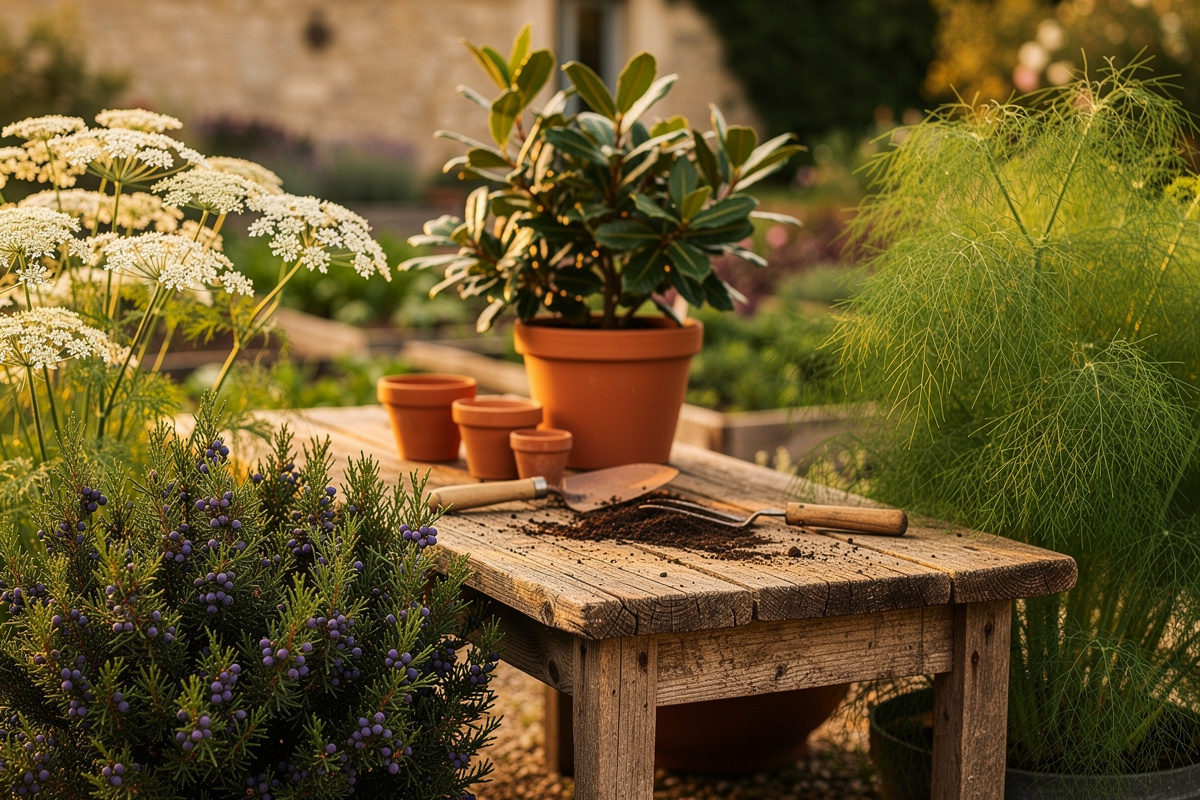
Growing juniper, coriander, fennel, and bay laurel in your garden gives you a direct pipeline from soil to curing chamber, cutting the cost of dried spices by roughly 80% while adding a freshness dimension that factory-packaged spice jars from 2023 cannot match. A single mature juniper bush produces approximately 200 grams of berries per season — enough for 40 kilograms of cured sausage or 15 whole-muscle projects like bresaola and coppa. Fresh-ground coriander seed from your own cilantro plants that you let bolt and go to seed has an aromatic intensity roughly 3x that of pre-ground coriander from a jar, and the difference is immediately detectable in a finocchiona salami made with garden coriander versus store-bought. The four plants are not a matched set climate-wise — coriander is a fast annual you resow from seed each spring, juniper is a cold-hardy evergreen shrub that tolerates far harsher winters than the other three, and bay laurel is the tender one, needing zone 8 or warmer in the ground (or a container you can bring in for winter everywhere colder) — but between them they’re low-maintenance once established, and the only reason more home charcuterie makers do not grow their own is that nobody told them how easy it is.
Juniper (Juniperus communis): The Backbone Spice
As an Amazon Associate I earn from qualifying purchases.
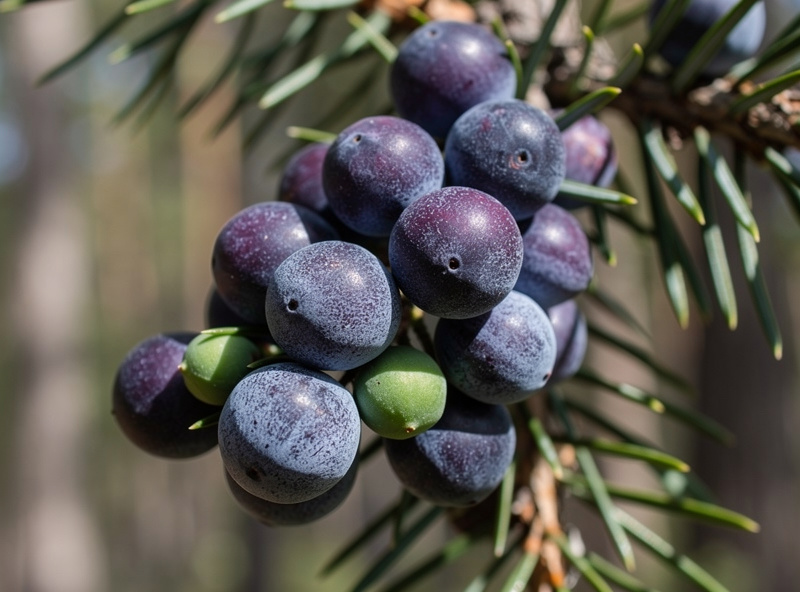
Juniper berries are the defining flavor of northern European charcuterie — every German bratwurst, Italian coppa, and Scandinavian cured salmon recipe calls for them. The plant itself is a slow-growing evergreen shrub that reaches 1-2 meters in 5-7 years and produces berries only on female plants, so buy a named female cultivar (‘Suecica’ for Swedish conditions, ‘Compressa’ for compact gardens) rather than an unsexed seedling that may never fruit. Berries take 18 months to ripen from green to the deep purple-black that signals full oil development — pick only the ripe berries and leave the green ones for next season. Dry them at 35°C in a dehydrator or on a screen in a well-ventilated room for 5-7 days until they are hard and wrinkled, then store whole in an airtight jar. Grind immediately before adding to a spice mix; juniper oils begin oxidizing within hours of grinding and the volatile compounds that carry the pine-resin flavor degrade within 24 hours.
Coriander (Coriandrum sativum): The Dual-Purpose Plant
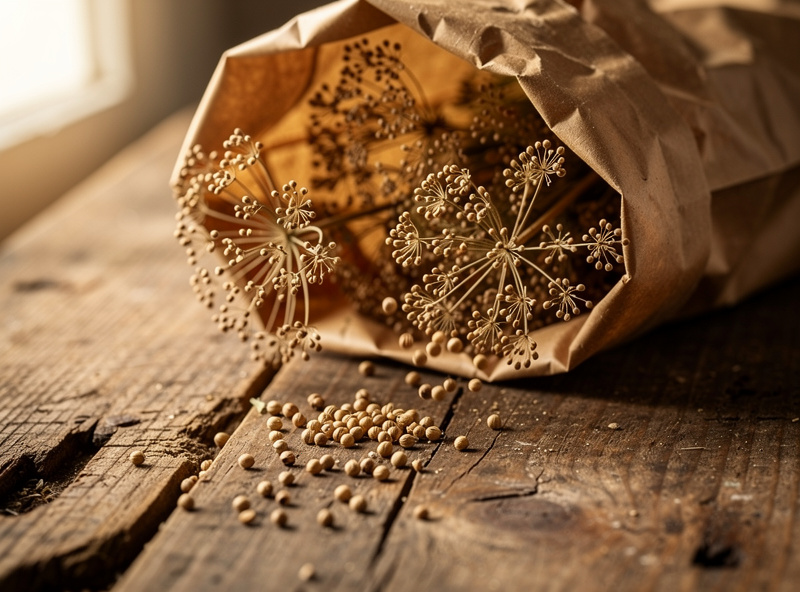
Coriander is the easiest spice on this list. Sow cilantro seeds directly into well-drained soil in full sun after last frost. Harvest the leaves for fresh cilantro throughout spring and early summer, then stop harvesting when flower stalks appear and let the plant bolt. The white flower umbels attract beneficial insects that reduce aphid pressure on neighboring plants, and each flower produces two seeds that turn from green to tan-brown when ripe — typically 90-110 days after sowing. Cut the entire seed head when roughly 60% of seeds are brown, hang upside down in a paper bag for 1-2 weeks, and the ripe seeds drop into the bag while the green ones stay on the stem — I run mine through a final dehydrator pass at 35°C for 24 hours before jarring, just to be certain they’re fully dry for long storage. One cilantro plant produces approximately 500-800 seeds, which is roughly 15-25 grams — enough to season 10-15 kilograms of sausage. The difference between garden-grown coriander and store-bought is the presence of linalool, a citrus-floral volatile that dissipates within 3-6 months of grinding but is present at full concentration in freshly crushed seeds.
Fennel (Foeniculum vulgare): Pollen, Seeds, and Fronds
Fennel gives you three usable products from one plant: the feathery fronds for fresh herb applications (garnish on sliced coppa, mixed into fresh sausage), the seeds for dry-cured salami and whole-muscle spice rubs, and the pollen — the most expensive spice in the curing world at $15-25 per ounce retail — which you harvest for free. Fennel pollen is collected by shaking the yellow flower heads into a paper bag when the flowers are in full bloom but before seed set. Each mature plant yields roughly 2-3 grams of pollen per season, which sounds trivial until you realize that most charcuterie recipes call for 0.5-1 gram of pollen per kilogram of meat — one plant covers 3-5 kilograms of product. Fennel self-seeds aggressively; plant it where you want a permanent stand, not where you plan to rotate crops next year, because once it establishes, it volunteers everywhere. The bronze variety (Foeniculum vulgare ‘Purpureum’) is less cold-hardy than the green type but produces visually striking foliage for garden borders.
Bay Laurel (Laurus nobilis): The Slow Investment That Pays Forever
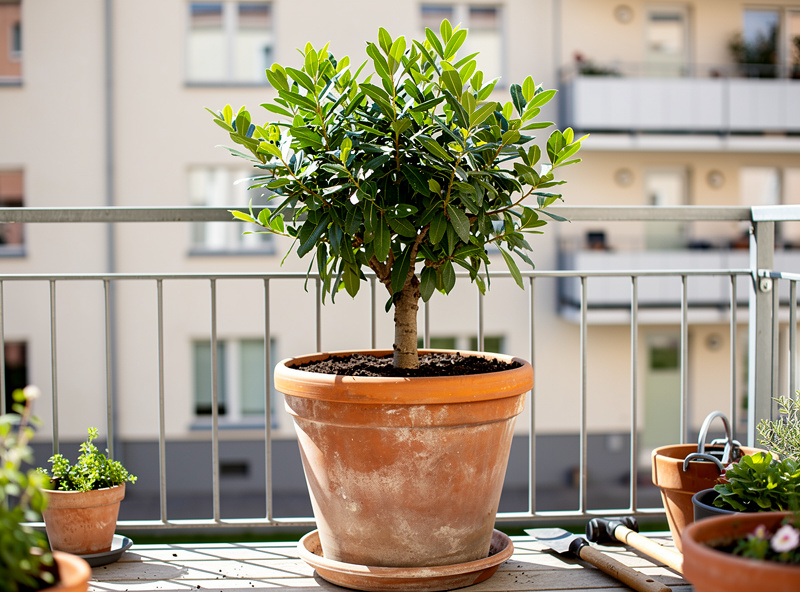
Bay laurel is the longest-term investment on this list — a tree that takes 3-5 years to produce harvestable leaves but then produces for 30-50 years from a single plant. One mature bay tree in a 40-liter container or planted in-ground in zone 8 or warmer yields more leaves than a home charcuterie operation can use in a year. Bay leaves go into every curing brine, every poaching liquid for sausages before smoking, and every long-cooked charcuterie preparation. Fresh bay leaves have an intensity roughly 2-3x that of dried leaves, and the difference is most noticeable in brines where the leaf sits in liquid for days — fresh bay leaves release their oils slowly and evenly, while dried leaves dump their remaining volatiles within the first 6 hours and then contribute nothing for the remaining brine time. Dry bay leaves by laying them flat under weight (a cutting board with a book on top) for 2-3 weeks — this prevents the curling that makes dried bay leaves annoying to pack and store. Store whole dried leaves in an airtight jar away from light; they retain usable flavor for 12-18 months versus 6-8 months for commercial dried bay leaves.
I don’t grow all four in one bed. Bay laurel lives in a large container I can wheel into the garage before the first hard frost — Swedish winters would kill it in the ground outright. Juniper and fennel are in the ground as permanent perennial plantings, and the coriander gets resown twice a year, once for a spring crop and once in late summer for seed I’ll use the following season. Treating it as four separate small projects instead of one bed is what makes it manageable alongside everything else in the curing schedule.
Frequently Asked Questions
Can I grow juniper berries in my backyard?
Yes, in zones 2-7 with full sun and well-drained soil. Buy a named female cultivar like Suecica or Compressa — unsexed seedlings may never fruit. Berries take 18 months to ripen from green to purple-black. One mature bush produces 200g of berries per season, enough for 40kg of cured sausage.
How do I harvest and dry coriander seeds for charcuterie?
Let cilantro plants bolt and form seed heads. Cut the heads when 60% of seeds are brown, hang in a paper bag for 1-2 weeks. The ripe seeds drop into the bag. Dry at 35C for 24 hours after collection. One plant produces 15-25g of seed — enough to season 10-15kg of sausage.
Is fennel pollen worth growing for home charcuterie?
Yes. Fennel pollen costs $15-25 per ounce retail. A single mature plant produces 2-3g of pollen per season by shaking flower heads into a paper bag at peak bloom. This covers 3-5kg of product per plant. The pollen adds a honey-anise dimension that seeds alone cannot replicate.
How long does a bay laurel tree take to produce usable leaves?
3-5 years from a nursery sapling to harvestable leaf production. One mature tree produces more leaves than a home charcuterie operation can use. Fresh bay leaves have 2-3x the aromatic intensity of dried. Dry leaves flat under weight for 2-3 weeks to prevent curling during storage.
Can I grow curing spices in containers on a balcony?
Coriander, fennel, and bay laurel thrive in containers. Juniper needs a 30L+ container and 5+ years to fruit — start with a nursery-grown female shrub rather than from seed. Bay laurel grows happily in a 40L container for decades with annual root pruning and fresh soil. All four prefer full sun and well-drained soil.
How much money does growing your own curing spices save?
Homegrown spices cost roughly 20% of retail. Juniper berries ($8-12/oz retail) cost pennies in soil and water. Fennel pollen ($15-25/oz retail) is free from one plant. Coriander seed ($3-5/oz) costs the price of a cilantro seed packet. For a home producer curing 20kg of meat per year, the savings exceed $100 annually.
Related Articles
- Curing Chamber Climate Control: Temperature, Humidity, and Airflow Science
- Home Salami Making: The Complete Guide from Grind to Cure
- Whole Muscle Charcuterie: Complete Guide to Bresaola, Coppa, and Lonzino
- Curing Chamber Troubleshooting: Common Problems and Fixes
- Cold Smoking at Home: The Complete Guide