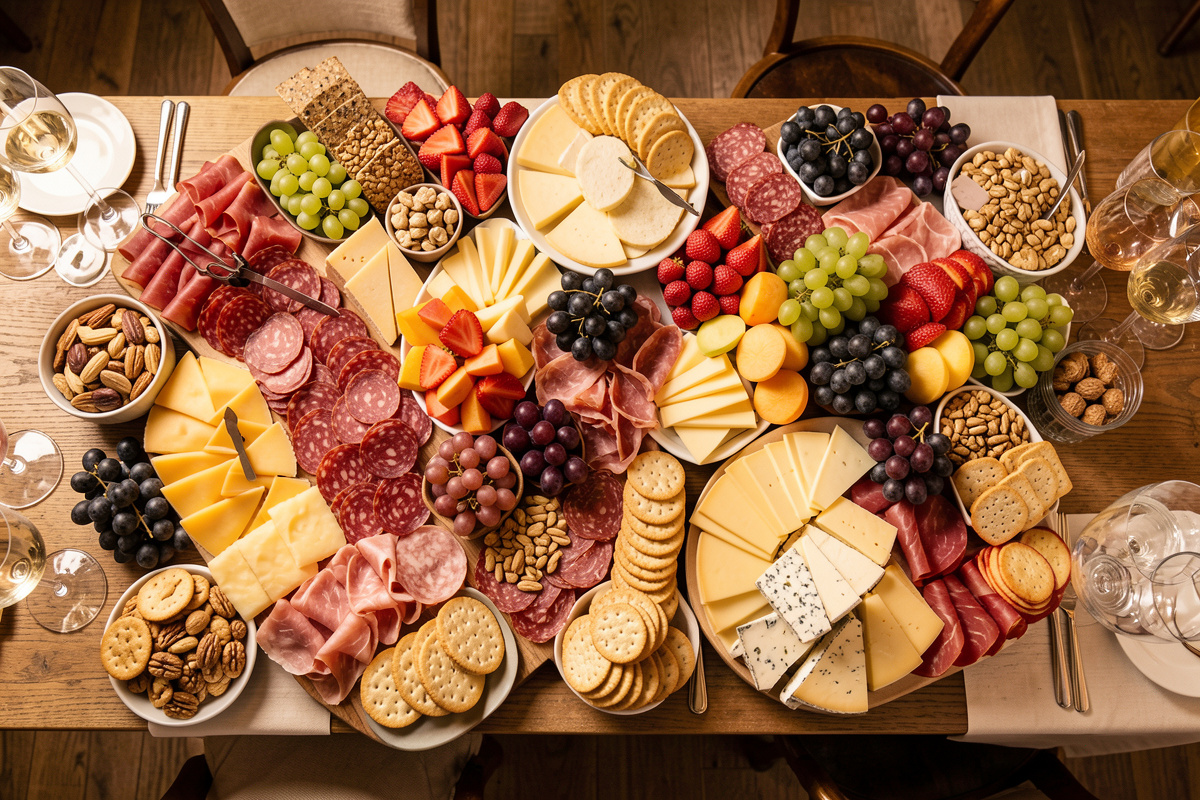

A charcuterie board business is the lowest-barrier way into selling charcuterie, because you assemble boards from commercially produced, already-inspected meats and cheeses rather than manufacturing a hazardous food yourself. In many places that puts you under cottage food or a simple food-handler permit instead of full meat-processing licensing — and because you are paid for styling, sourcing and convenience, a well-made grazing board — a single table can feed 20 or more guests — carries a strong markup on its ingredient cost. The one hard rule: every meat on the board must be store-bought and inspected, never your own home cure.
I run curing chambers and would love to tell you to pile your own coppa onto a board and sell it — but that is exactly the line that turns a low-risk assembly business into illegal meat manufacturing. So this guide, part of the wider selling homemade charcuterie cluster, treats the board business honestly: it is a presentation-and-logistics business built on purchased components, and it happens to be the best first step a home charcutier can take while sorting out the harder licensing for their own product.
Why the board model clears the legal hurdle
The reason this works is the same reason home-cured meat does not: regulators classify risk by what you do to the food. Manufacturing dry-cured meat is a high-risk process they need to inspect. Buying inspected salami, slicing or arranging it, and presenting it on a board is assembly of an already-safe product — a far lower-risk activity that many jurisdictions treat under cottage food rules, a food-handler card, or a basic home-kitchen registration. The full reasoning is in the cottage food law guide, but the practical upshot is that you can usually start a board business with a fraction of the paperwork a cured-meat business demands.
Even so, “lower barrier” is not “no rules.” Many areas still require a food-handler certificate, a registered business, and sometimes a kitchen inspection if you assemble at scale. And because cheese, cut fruit and dips are themselves perishable, you are still responsible for the cold chain and safe handling. Confirm your local rule before your first paid board — assembly is regulated even where it is permitted, and the answer varies by county, not just by state.
What you are actually selling
The mental shift that makes this business work is realising you are not selling meat — you are selling presentation, curation and convenience. The ingredient cost of a board is a minority of its price; the rest is your eye for arrangement, your sourcing of interesting products, the styling that makes it photograph well for the customer’s event, and the logistics of delivering it ready to serve. That is why a grazing table for a party can command a price that looks absurd against the supermarket cost of its components — the customer is buying an experience and an afternoon they didn’t have to spend.
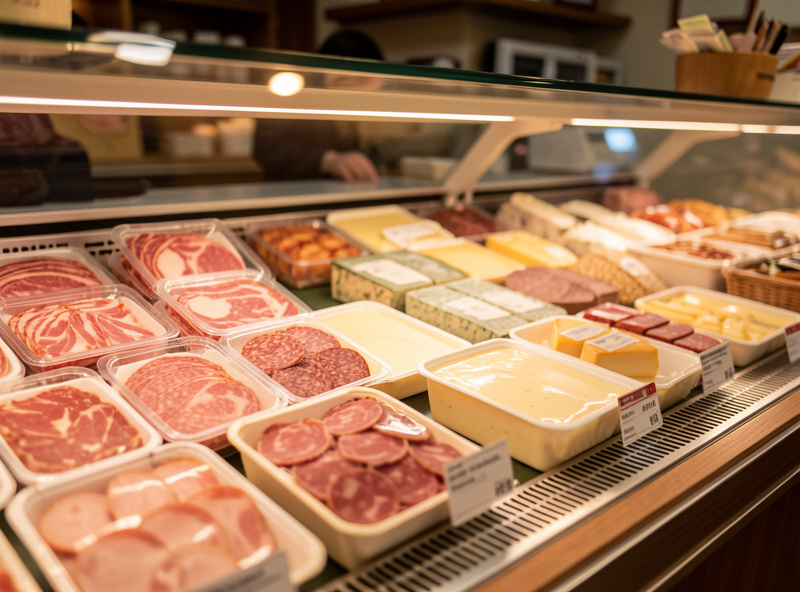
This also means your skill set is different from chamber work. Sourcing matters: a board built from a thoughtful range of cured styles — a firm aged salami, a soft spreadable, a whole-muscle slice like coppa or bresaola, paired with contrasting cheeses, something pickled, something sweet, and good bread or crackers — reads as expert even though you cured none of it. Knowing charcuterie deeply is your edge here; you can curate a board that a generic caterer cannot, because you understand how the components actually taste and pair.
Sizing and pricing the offer
Boards scale by the number of people they serve, and a clear size ladder makes pricing and ordering simple for customers. The serving sizes below are the planning figures I would use as a starting point — appetite varies, and you should adjust for whether the board is the main food or a starter.
| Format | Serves | Rough meat + cheese | Best for |
|---|---|---|---|
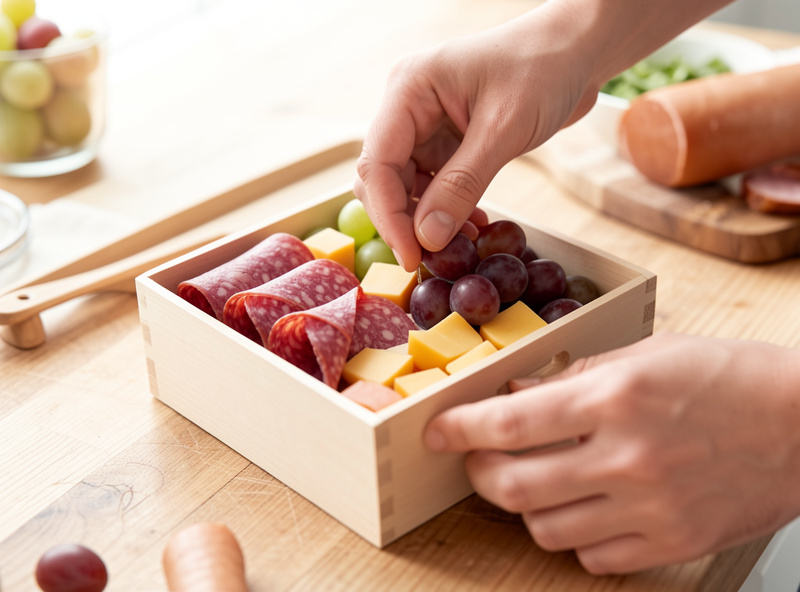
| Individual box | 1 | ~60 g meat, ~60 g cheese | Picnics, corporate lunches, samplers |
| Small board | 2–4 | ~150 g meat, ~150 g cheese | Date night, small gatherings |
| Medium board | 6–8 | ~350 g meat, ~350 g cheese | Dinner parties, gifts |
| Large board | 10–12 | ~550 g meat, ~550 g cheese | Events, office celebrations |
| Grazing table | 20+ | Scaled per head | Weddings, large parties |
Price each tier by costing the components, adding your packaging or board-rental cost, then layering in labour and a styling premium — the same cost-stack discipline the pricing guide applies to cured meat, just with assembly time replacing curing time. Individual boxes are a smart entry product: low ingredient cost, easy to batch, and they introduce customers who later order the big grazing table. I won’t put an income figure on any of it, because what a board business earns depends entirely on your local market, your sourcing costs and how much your time is worth — anyone quoting a guaranteed monthly number is selling a dream, not a business.
Logistics: the part that actually limits you
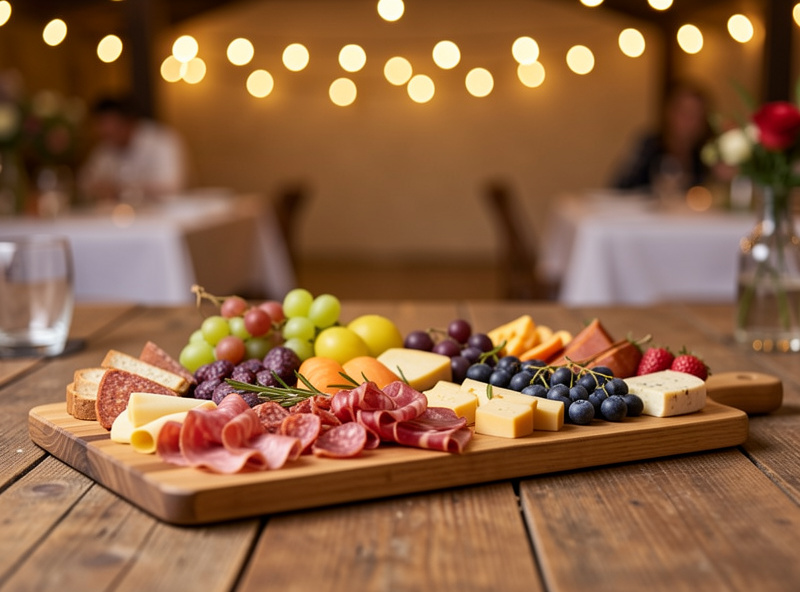
The constraint on a board business is rarely demand — it is your hands and your delivery window. Boards are perishable and time-sensitive: they have to be assembled close to the event, kept cold in transit, and delivered looking pristine. That makes scheduling, packaging that survives a car journey, and a reliable cold-chain setup the real operational challenges. A grazing table assembled on-site adds setup time and travel to the equation.
Plan capacity honestly. A single person can only assemble and deliver so many boards in the few hours before a weekend’s events, and overcommitting is how you end up with a late delivery and a bad review. Many board businesses cap weekend orders deliberately and use individual boxes to fill weekday capacity. The cold chain matters as much here as it does at a farmers market — a board that sat warm in a car for an hour is a food-safety problem, not just an aesthetic one.
The bridge to selling your own cured meat
Here is why I point hobbyists at boards first. A board business gets you legally trading, building a customer list, and learning what your market pays — all while you save money and sort out the genuinely harder licensing for your own product. Then, when you have an inspected facility and a HACCP plan in place, you can introduce your own cured pieces as a premium add-on to customers who already trust you. The food safety licensing guide covers that next step. Boards are not a lesser business — for many people they are the whole business — but they are also the most sensible on-ramp the law leaves open.
Frequently Asked Questions
Do I need a license to sell charcuterie boards?
Usually a lighter one than selling cured meat. Because you assemble inspected, store-bought components rather than manufacture a hazardous food, many areas treat boards under cottage food, a food-handler permit, or a home-kitchen registration. Confirm locally, since assembly is still regulated and rules vary by county.
Can I put my own homemade salami on a board I sell?
No. The moment you add your own home-cured meat, you are manufacturing and selling a hazardous meat product and you leave the low-barrier assembly category entirely. Every meat on a board you sell must be commercially produced and inspected.
How do I price a charcuterie board?
Cost the components, add packaging or board rental, then layer in your labour and a styling premium. The ingredient cost is a minority of the price because customers are paying for curation, presentation and convenience. Check the result against local caterers and grazing-table providers.
What sizes should I offer?
A clear ladder works best: individual boxes for one, small boards for two to four, medium for six to eight, large for ten to twelve, and grazing tables for twenty or more. Individual boxes are a great low-cost entry product that introduces customers to your larger formats.
What is the hardest part of running a board business?
Logistics, not demand. Boards are perishable and must be assembled close to the event, kept cold in transit, and delivered looking perfect. Capacity is limited by your hands and your delivery window, so cap orders honestly rather than overcommit and deliver late.
Related Guides
- Selling Homemade Charcuterie: The Complete Legal Guide
- Cottage Food Law and Charcuterie
- How to Price Homemade Charcuterie
- Farmers Market for Charcuterie
- Food Safety Licensing for Charcuterie