

A salami starter culture is a freeze-dried blend of lactic acid bacteria you pitch into ground meat to guarantee a fast, controlled pH drop. For home charcuterie the three I keep in the chamber-side freezer are Bactoferm T-SPX, F-LC, and B-LC-007. T-SPX is the traditional slow culture; F-LC and B-LC-007 add a documented anti-Listeria safety margin.
The culture is not a flavour gimmick. It is the single thing standing between a safe, sliceable salami and a soft, sour, potentially dangerous one. Raw ground meat sits at pH 5.7-5.9, squarely in the zone where Salmonella, E. coli, and Listeria reproduce happily. The starter’s whole job is to acidify that meat past pH 5.0 inside 48 hours, before any pathogen gets a foothold. Get the culture choice and the dextrose dose right and that drop happens on schedule every time.
This guide is how I choose between the three cultures I actually run, what each one does to flavour and acidity, how to rehydrate and pitch without killing the bacteria, and how to store them so they are still viable when you need them. The hardware assumed is a gram scale, dechlorinated water, and a chamber that can hold the warm fermentation window. The science behind the acid drop itself lives on the salami fermentation pH guide; this is the practical culture-selection layer that sits on top of it.
What a Salami Starter Culture Actually Does
A starter culture seeds the meat with a dense, known population of lactic acid bacteria so the ferment is fast and predictable instead of a wild gamble. The bacteria eat the dextrose you add, excrete lactic acid, and drive pH from 5.8 down toward 4.8. That acid does three jobs at once: it firms the protein so the salami slices cleanly, it makes the environment hostile to pathogens, and it gives cured sausage its clean lactic tang.
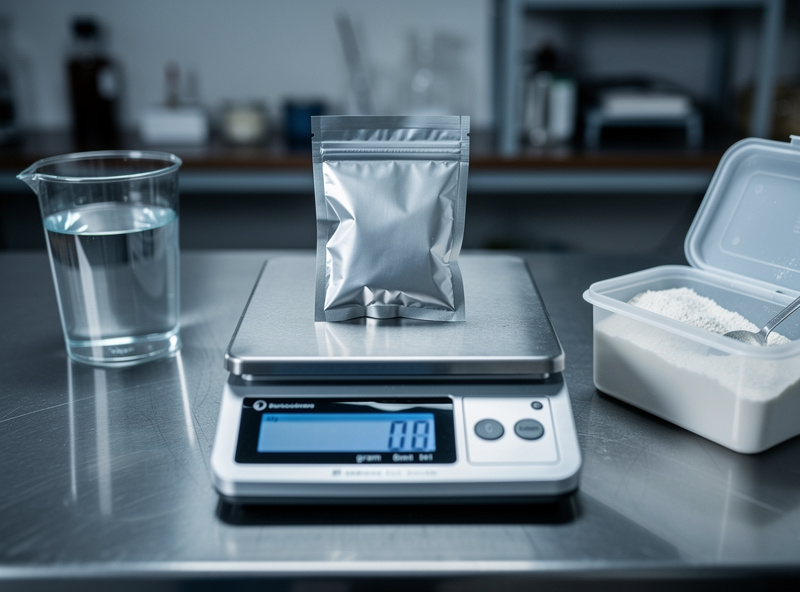
The reason to use a commercial culture rather than hoping wild bacteria do the work is repeatability and safety. Cabbage carries enough Leuconostoc on its leaves to start a sauerkraut ferment reliably, which is why wild kraut works. Raw meat carries no useful starter population and plenty of unwanted spoilage organisms, so a wild meat ferment is a coin toss with food-safety stakes. A pitched culture out-competes everything else from hour one. I treat the culture sachet the way a baker treats yeast: it is not optional, and stale culture ruins the batch.
T-SPX vs F-LC vs B-LC-007: The Three I Reach For
The practical difference between these three is acidification speed and whether they carry a bioprotective (anti-Listeria) component. T-SPX is slow and traditional, prized for flavour. F-LC is faster and carries a protective culture against Listeria. B-LC-007 is a moderate-speed bioprotective culture built around the safety margin. None of them is “best” in the abstract; the right one depends on the style and on how much you trust your temperature control.
T-SPX is the one I default to for classic dry salami: Genoa, saucisson sec, the styles where you want a gentle tang, not a sharp twang. It acidifies slowly, finishing around pH 4.8-5.0, and tolerates the cooler end of the fermentation window, which suits a traditional long, slow cure. The trade-off is that slow acidification is less forgiving of a sloppy temperature step. If your chamber drifts cold during the first 48 hours, T-SPX is the culture most likely to stall.
F-LC is my pick when I want a safety net. It acidifies faster and finishes a touch lower and tangier, but the reason I keep it is the bioprotective culture it carries, which is documented to suppress Listeria monocytogenes during the vulnerable early ferment. For anyone fermenting in a less-than-perfectly-controlled space, that competitive protection is cheap insurance. B-LC-007 sits between them: it is built around the same anti-Listeria bioprotection but acidifies more moderately, giving a cleaner, less aggressive flavour than F-LC while keeping the safety margin. I run B-LC-007 on batches where I want the protection without the sharper sour note.
| Culture | Acidification speed | Typical final pH | Bioprotective (anti-Listeria) | Best for |
|---|---|---|---|---|
| Bactoferm T-SPX | Slow / traditional | 4.8-5.0 | No | Classic dry salami, flavour-led styles |
| Bactoferm F-LC | Fast | 4.6-4.8 | Yes | Safety margin, warmer ferments, tangy styles |
| Bactoferm B-LC-007 | Moderate | 4.7-4.9 | Yes | Clean flavour plus protection |
| Wild / no culture | Unpredictable | Variable | No | Never for meat — pathogen risk |
If you only ever buy one, F-LC is the most forgiving all-rounder because the protective component covers for the temperature mistakes beginners make. Once you trust your chamber and want the traditional flavour, graduate to T-SPX. The culture never replaces the curing salt, though. Every one of these is paired with Cure #2 at 0.25% of meat weight for any salami hanging longer than three weeks — the culture handles the bacterial front, the nitrite handles the spore front. The fermentation pH and nitrite guide covers that two-gate logic in detail.
Fast vs Slow: Why Acidification Speed Changes the Salami
Fast cultures give a tangy, “American-style” sausage and a wide safety margin; slow cultures give a mellow, European flavour but demand tighter temperature control. The speed is set by both the culture’s bacterial mix and the fermentation temperature you hold. A fast culture run warm can hit pH 4.8 in a day; a slow culture run cool may take three.
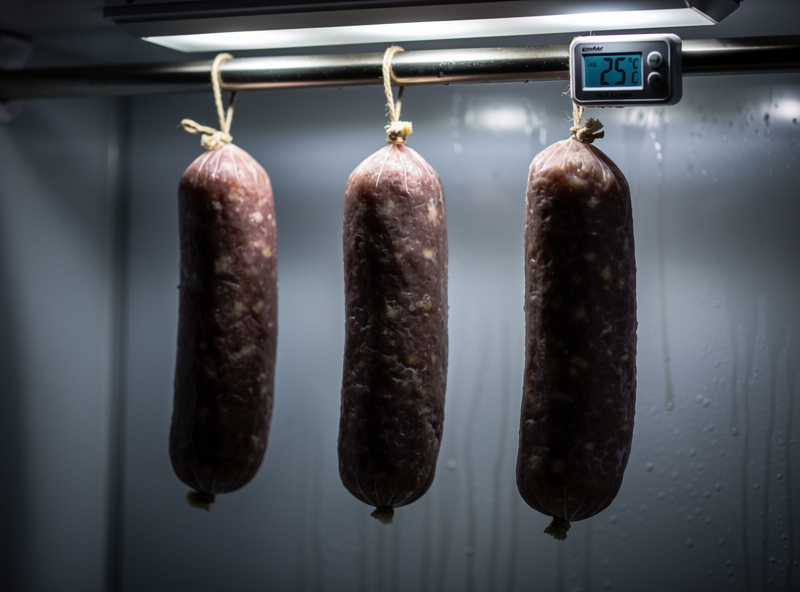
For a chamber-based home setup I hold 24-26°C for the first 48 hours regardless of culture, then drop to the 12-15°C curing window. Within that, T-SPX sits comfortably at the lower end and the faster cultures at the upper end. Pushing fermentation above 30°C to force a faster drop is a trade I do not make at home — it narrows the safety window if anything goes wrong and tends to produce a sharper, more one-note tang than I want. Slow and controlled beats fast and frantic in a hobby chamber.
Dextrose: The Fuel That Decides How Far pH Drops
Dextrose is the sugar the culture eats, and its dose sets the final pH. Too little and the ferment stalls high; too much and the salami goes unpleasantly sour. My house dose is 0.5% of meat weight (5 g per kg) for a traditional salami targeting pH 4.8, nudged toward 0.7-1.0% only when I deliberately want a tangier, faster-setting product with a fast culture.
The culture cannot drop pH past the point where it runs out of sugar, so the dextrose dose is effectively a pH dial. I keep a printed dose card taped inside the chamber door — meat weight, salt at 2.5-3.0%, Cure #2 at 0.25%, dextrose at 0.5% — and verify each number twice before stuffing, because a mis-read decimal on the dextrose is the single most common cause of a stalled ferment I see. Use plain dextrose (corn sugar), not table sugar; dextrose is a single sugar the bacteria metabolise directly and predictably.
How to Rehydrate and Pitch Without Killing the Culture
Rehydrate freeze-dried culture in dechlorinated, non-chlorinated water for 15-30 minutes before mixing it into the meat. Chlorine is an antimicrobial — pitching culture into chlorinated tap water kills a chunk of the population before it ever reaches the meat, which is a quiet, common reason ferments underperform. I use bottled or boiled-and-cooled water, never straight from a chlorinated tap.
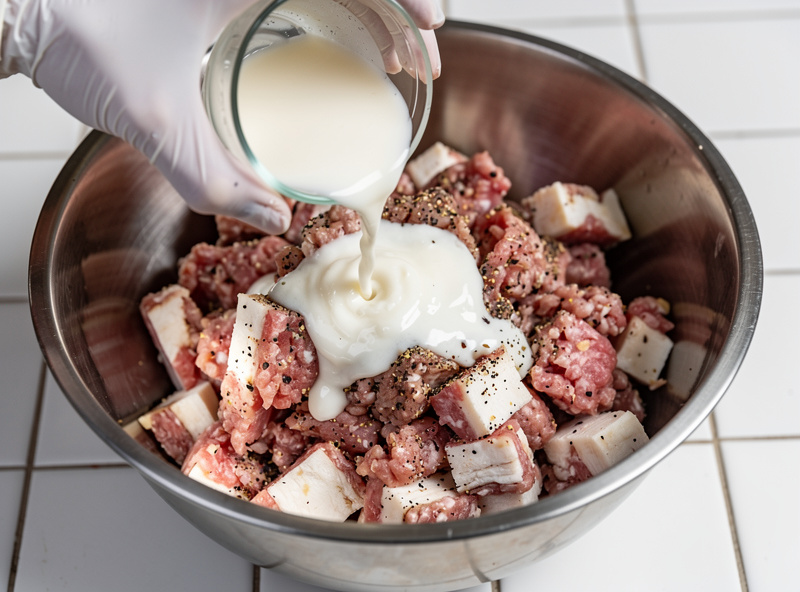
The method I run: weigh the sachet dose for the batch (cultures are dosed per kilo of meat — follow the packet), stir it into roughly 50-60 mL of room-temperature dechlorinated water per batch, let it stand 20 minutes to wake up, then distribute it evenly through the cold ground meat along with the dissolved salt, cure, and dextrose. Mix thoroughly so the bacteria are everywhere, not clumped. Keep the meat cold during mixing (below 4°C) so the fat stays firm and does not smear — cold mixing protects texture, and the bacteria do not start working in earnest until the chamber warms to fermentation temperature anyway.
Storing Cultures So They Are Alive When You Need Them
Keep cultures frozen and they stay viable for a year or more; leave them in a warm cupboard and they fade fast. Freeze-dried lactic acid bacteria are living organisms in suspended animation — heat and time both reduce the viable count. I store every sachet in the freezer in a zip bag with a silica pack, and I write the open-date on the foil.
An expired or heat-abused culture that has lost viability behaves exactly like an under-dose of dextrose: the pH drop is sluggish or never arrives. If a culture is more than a year past its production date, or has spent a summer in a warm shipping box, I buy fresh rather than gamble a whole batch of meat on it. Culture is the cheapest ingredient in the salami and the most important, so there is no sense economising on it. When a ferment stalls despite correct dextrose and temperature, stale culture is my first suspect.
Disclosure: CuringChamber is reader-supported. As an Amazon Associate I earn from qualifying purchases made through links in this article, at no extra cost to you. I only point to gear I actually use or would buy for my own chamber.
If you are stocking the culture shelf, the genuinely useful buys are a Bactoferm-type sausage starter culture, a bag of plain dextrose (corn sugar) to feed the ferment, and — once you want to verify the drop rather than trust it — a digital pH meter with temperature compensation. Those three cover the entire fermentation side of a salami batch.
Frequently Asked Questions
Which salami starter culture is best for beginners?
Bactoferm F-LC is the most forgiving for beginners because it acidifies quickly and carries a bioprotective culture documented to suppress Listeria during the early ferment. That safety margin covers for the temperature mistakes new charcutiers tend to make.
What is the difference between T-SPX and F-LC?
T-SPX is a slow, traditional culture that finishes mellow around pH 4.8-5.0 and suits classic dry salami. F-LC acidifies faster, finishes a touch tangier near pH 4.6-4.8, and adds an anti-Listeria bioprotective component for extra safety.
Do I still need curing salt if I use a starter culture?
Yes. The culture acidifies the meat to block bacteria, but it does nothing against Clostridium botulinum spores. Any salami hanging longer than three weeks needs Cure #2 at 0.25 percent of meat weight alongside the culture. They handle two different threats.
Can I use yogurt or sauerkraut juice instead of a real starter?
No. Those carry the wrong bacteria for meat fermentation and an unpredictable population. Raw meat has no useful native starter, so a wild or improvised ferment is a food-safety gamble. Always use a commercial culture designed for sausage.
Why must I rehydrate culture in non-chlorinated water?
Chlorine is an antimicrobial and will kill a portion of the freeze-dried bacteria before they reach the meat, weakening the ferment. Use bottled or boiled-and-cooled water, let the culture stand 15-30 minutes, then mix it evenly through cold meat.
How long does salami starter culture last?
Stored frozen, freeze-dried culture stays viable for a year or more. Kept warm it degrades quickly. An expired or heat-abused culture behaves like an under-dose of sugar: the pH drop is sluggish or never arrives. When in doubt, buy fresh.
How much dextrose do I add with the culture?
A house dose of 0.5 percent of meat weight (about 5 grams per kilogram) targets a mellow pH 4.8. Push toward 0.7-1.0 percent only when you want a tangier, faster-setting salami. Dextrose dose sets how far the pH drops.