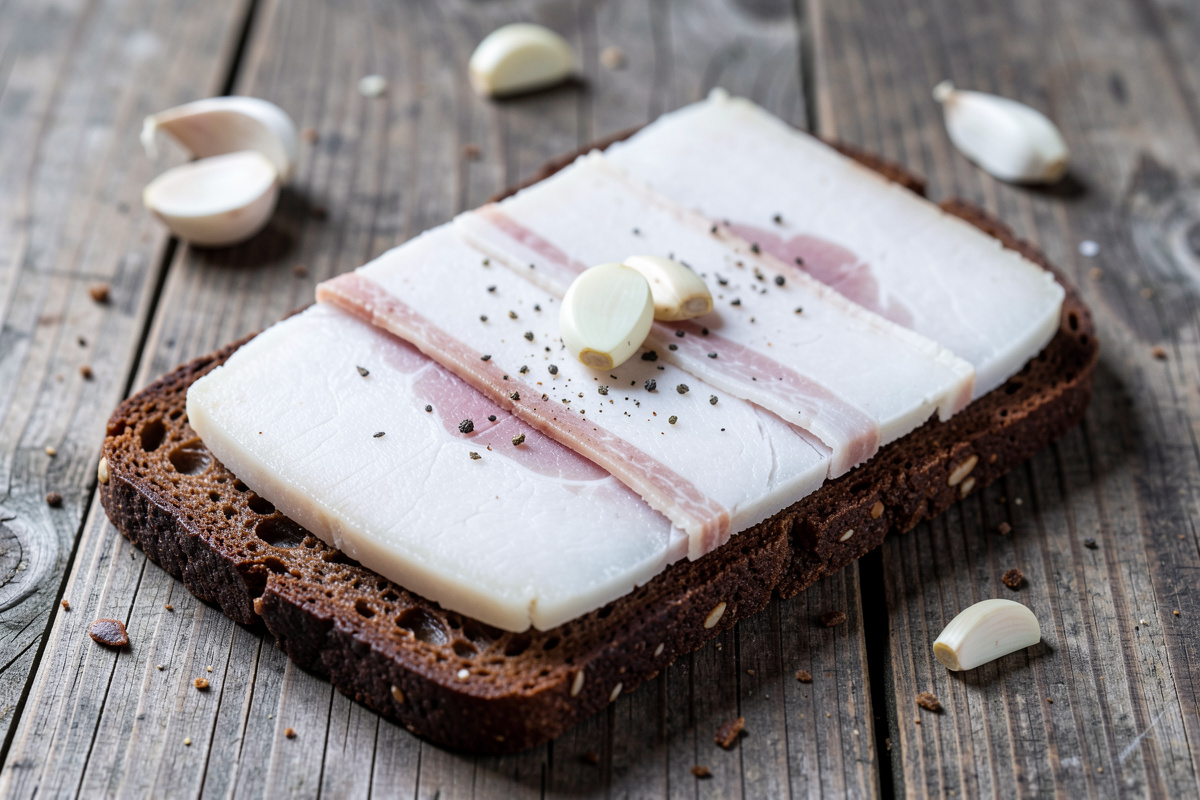

To make salo, rub a slab of firm pork back fat heavily with salt, garlic, and black pepper, pack it tight, and cure it cold in the refrigerator for three to fourteen days. Then keep it frozen and eat it cold, sliced thin. Unlike Italian lardo, salo is not aged soft — it stays firm and dense, and its safety comes from heavy salt, cold curing, and the freezer rather than long warm aging.
Salo is the Slavic answer to what to do with a beautiful slab of back fat, and it is genuinely the fastest, most forgiving cured-fat project there is. I make it in my Swedish chambers when I want cured fat in a week rather than a season, and it suits our winters — cold ambient does half the work. This guide is the safe, traditional method, a companion to the hub on how to cure lardo at home and the lardo-versus-salo comparison.
What Salo Is and How It Differs From Lardo
Salo is salt-cured pork back fat eaten cold and firm — a staple across Ukraine, Poland, Russia, and much of Eastern Europe. It starts from the same cut as lardo, the dense subcutaneous fat off the pig’s back, but the two go opposite directions. Lardo is aged for months at cellar temperature until it turns soft and translucent. Salo is cured cold, kept firm, and stored frozen; it is sliced thin and eaten cool, traditionally on dark rye bread with raw garlic and a shot of vodka or horilka.
Because salo is never aged warm, its whole safety logic is different, and that difference is the key to making it correctly. Where lardo relies on cure #2 to protect a long, cool hang, traditional salo relies on three things working together: a heavy salt cure, refrigeration during curing, and frozen storage afterward. Get the right firm back fat and follow that trio and salo is one of the safest things you can make.
The Salt and Garlic Cure
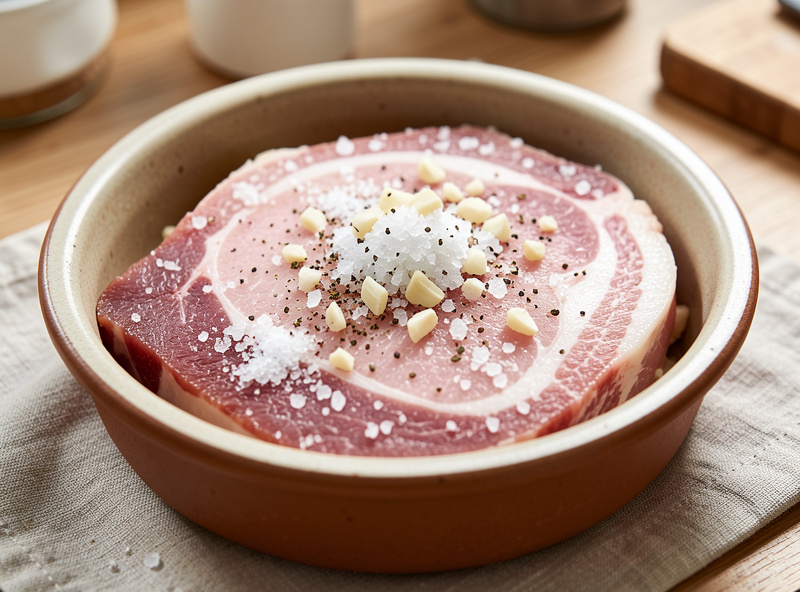
Start with a squared slab of firm back fat, skin on or off — many salo makers keep a thin strip of skin on one edge, which is traditional and helps with handling. Score the fat lightly in a crosshatch if the skin is on, so salt reaches the surface. Now cure it generously: coat every face with a thick layer of coarse non-iodized salt. Salo is not an equilibrium cure — you are covering it, and back fat simply will not over-salt the way lean meat does, so be liberal.
Press sliced or crushed garlic all over the slab and crack a heavy dose of black pepper over it; bay leaves and a little ground coriander are common additions too. Pack the salted, seasoned fat tightly into a dish, tub, or a zip bag, cover it, and refrigerate. The tight packing and the salt layer keep the surface protected while the cure works inward. This is heavy-salt, cold-cure territory — the same principle behind a firm dry-cured bacon, just applied to pure fat.
How Long to Cure, and the Cold Rule
Cure the slab in the refrigerator, ideally at 2–4 °C, for three to fourteen days depending on thickness — a thin slab is ready in three or four days, a thick two-inch piece wants a full week or more. Turn it every couple of days and drain off any brine that pulls out. You are done when the fat is firm throughout and the salt has penetrated; a properly cured slab feels dense and slightly stiff rather than soft.
The cold rule is non-negotiable and it is the heart of salo safety. The cure happens in the refrigerator, not on a warm counter or in a cellar. Cold curing plus heavy salt means the fat never sits in the temperature window where Clostridium botulinum could grow — a real consideration given all that raw garlic packed against the fat. This is exactly why I will not let anyone treat a salt-only fat cure as safe if it is going to hang warm. Salo works because it stays cold from cure to freezer. If you want a salo you can store at cellar or room temperature rather than frozen, then add cure #2 at 0.25% by weight during the cure — that is the belt-and-suspenders route, and it is the honest answer covered in the broader botulism prevention guidance.
Storage: The Freezer Is Traditional, Not a Compromise
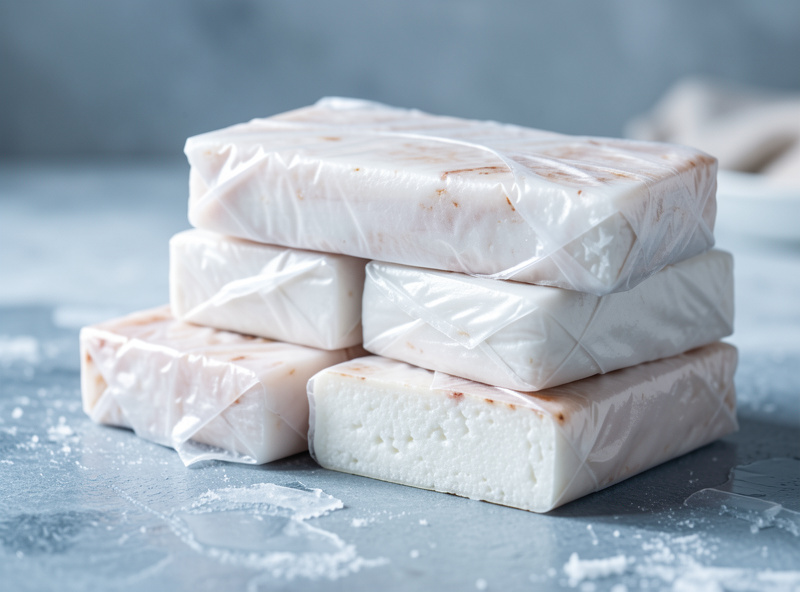
Once cured, brush off the excess salt (you can rinse and thoroughly dry it, or just scrape it), and store salo in the freezer. This is not a shortcut or a modern safety hack — freezing is how salo has always been kept. Frozen, dense cured fat holds its texture indefinitely and does not suffer the way a delicate lean cut would, which is precisely why the tradition relies on it. Cut the cured slab into meal-sized blocks, wrap each tightly, and freeze.
To serve, pull a block and slice it while it is still cold and firm — salo is meant to be eaten cool, so cutting it near-frozen actually gives you the cleanest paper-thin slices. A block will sit happily in the fridge for a week or two of eating once you have started it, kept wrapped and cold. What you should not do is store salo loose and warm; like all cured fat, its real long-term enemy is rancidity, and cold, wrapped, and dark is how you hold it off.
Serving Salo the Traditional Way
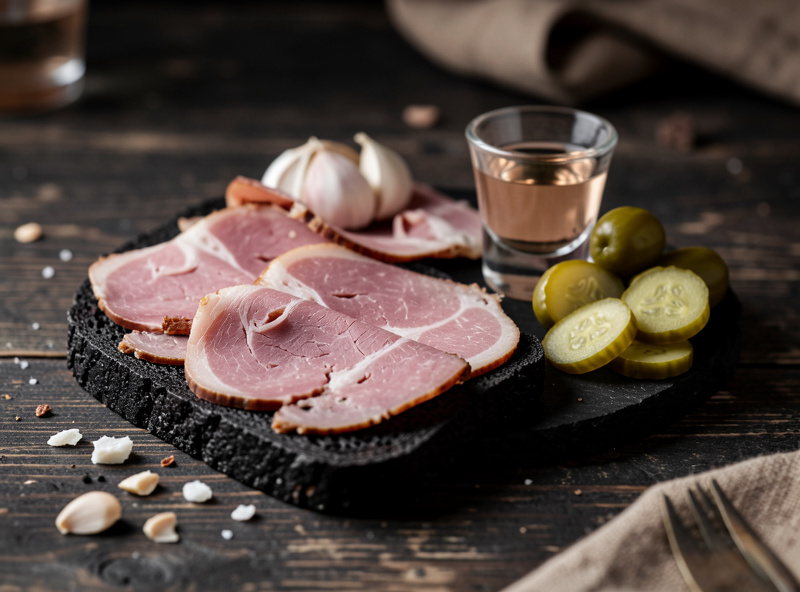
Salo is peasant luxury, and it is served plainly on purpose. Slice it thin — a couple of millimeters — and lay it on dark rye or black bread. The classic accompaniments are raw garlic, coarse salt, a little mustard or horseradish, pickles, and a cold shot of something strong. Because it is eaten cold, the fat stays firm on the tongue and releases slowly, which is the whole appeal; it is a completely different experience from warm melting lardo. Some cooks also render diced salo into shkvarky (cracklings) or use it to bard lean roasts, but the cold-sliced version on bread is the one worth mastering first.
Related Guides
- How to Cure Lardo at Home: The Complete Guide
- Lardo vs Salo vs Fatback: Three Ways to Cure Pork Fat
- Best Fat for Lardo: Back Fat Thickness and Where to Source It
- Testing for Botulism Prevention in Charcuterie
- Rancidity in Cured Meats: Why It Happens and How to Prevent It
Frequently Asked Questions
How long does it take to make salo?
Three to fourteen days in the refrigerator, depending on thickness. A thin slab of back fat is cured in three or four days; a thick two-inch piece wants a week or more. It is far faster than lardo, which ages for months.
Does salo need curing salt or nitrite?
Traditional salo does not, because heavy salt, cold refrigerator curing, and frozen storage are its safety controls. But if you want to store salo at cellar or room temperature instead of frozen, add cure #2 at 0.25 percent by weight during the cure.
Why is salo cured cold and not aged like lardo?
Salo is meant to be firm and eaten cold, and cold curing keeps the garlic-packed fat out of the temperature range where botulism could grow. It is stored frozen rather than aged warm, which is the opposite of the long cellar aging lardo needs.
Do you have to freeze salo?
Freezing is the traditional storage and the safest choice for salt-only salo. Dense cured fat freezes without losing texture, so blocks keep indefinitely. An opened block keeps a week or two wrapped and cold in the fridge while you eat through it.
What cut of pork is salo made from?
Firm pork back fat — the same dense subcutaneous fat used for lardo, ideally at least an inch thick, often with a strip of skin left on one edge. Soft belly fat does not make proper firm salo.
How is salo eaten?
Sliced thin and cold on dark rye or black bread, with raw garlic, coarse salt, pickles, and a shot of something strong. Because it is served cool, the fat stays firm and releases slowly, unlike warm melting lardo.