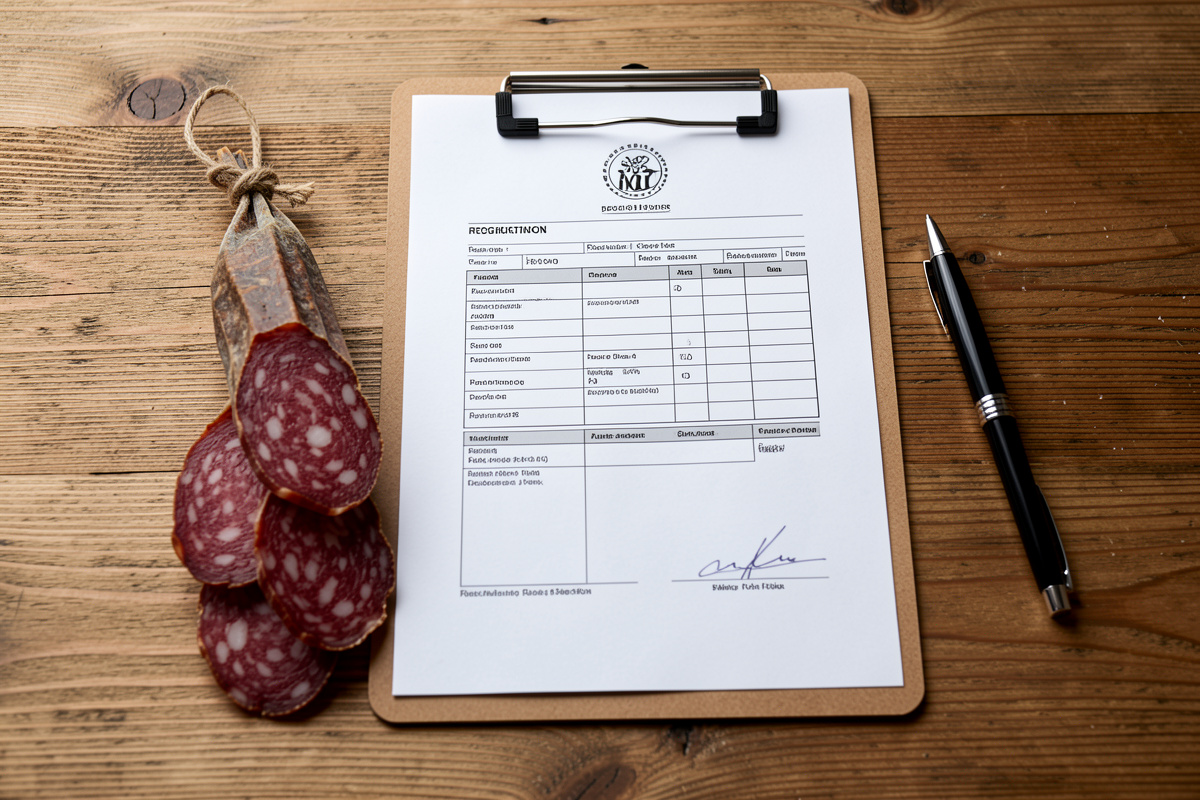

Cottage food law almost never lets you sell home-cured meat. These laws were written for shelf-stable, low-risk foods, and roughly every US state’s statute explicitly excludes meat and poultry — which means your dry-cured coppa, pancetta or fermented salami — products that shed 30 to 40 percent of their weight over the weeks or months they hang in the chamber — cannot legally be sold from your home kitchen under a cottage food permit. Understanding exactly why, and what the legal alternatives are, saves you from building a business on a foundation that an inspector will dismantle in one visit.
I build and run converted-fridge curing chambers, and I get this question constantly: “my salami is better than what’s in the shop, why can’t I sell it?” The honest answer is that the law isn’t judging your quality — it’s judging your category of food. Cured meat sits in the highest-scrutiny bucket, and cottage food was deliberately designed to keep that bucket out. This guide is part of the broader selling homemade charcuterie cluster, and it focuses on the one question that decides everything else: what does cottage food law actually permit?
What cottage food law is — and what it deliberately leaves out
A cottage food law is a state-level exemption that lets people make certain foods in their unlicensed home kitchen and sell them directly to consumers without the inspected facility a commercial producer needs. The trade-off for that freedom is a tight list of permitted foods, and that list is built entirely around one principle: the food must be non-potentially-hazardous — meaning it does not support the rapid growth of dangerous bacteria at room temperature.
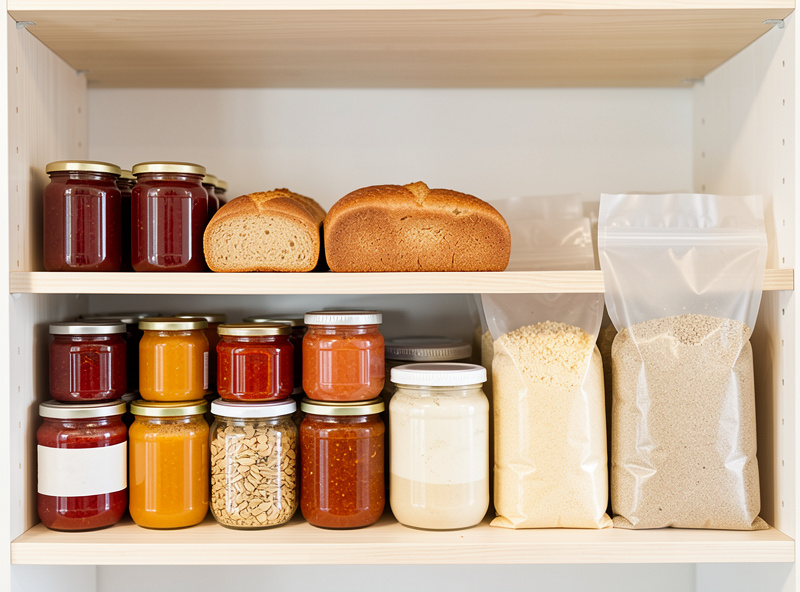
That is why the typical allowed list is baked goods, jams and jellies, dry herbs and mixes, candies, granola and similar items. They are shelf-stable by their nature — high sugar, low moisture, or high acidity — so they cannot grow the pathogens regulators worry about. Cured meat is the textbook opposite: it is a moist, protein-rich, room-temperature product whose entire safety depends on a controlled process. Cottage food law looks at that and says “not here.” The exclusion is not bureaucratic spite; it is the law matching oversight to risk.
Why meat gets singled out
Dry-cured and fermented meats carry three specific hazards that the permitted cottage foods simply do not: Clostridium botulinum, which can produce a lethal toxin in low-oxygen cured environments; Listeria monocytogenes, which grows even at fridge temperatures; and the nitrite chemistry used to control them, which has to be dosed correctly. Getting any of these wrong produces a product that looks and smells fine but can seriously harm someone.
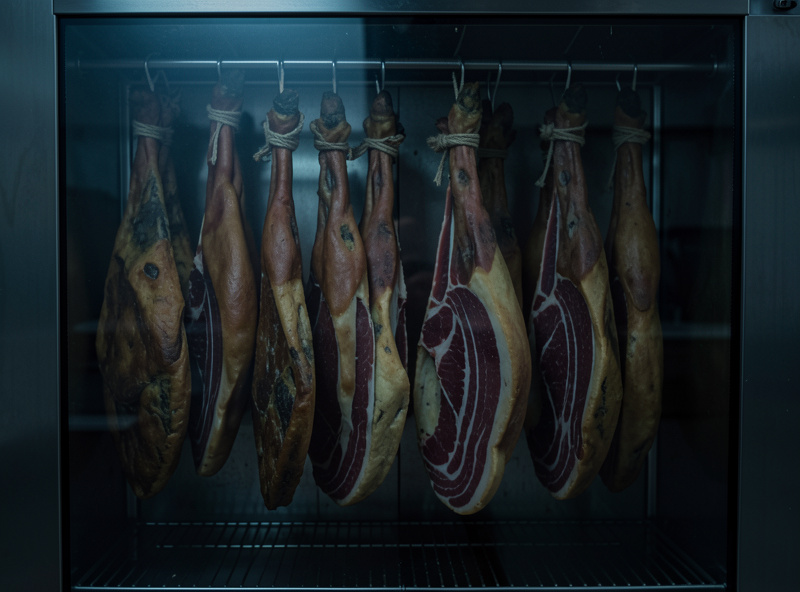
In my chamber I manage that risk with the correct curing salt for each method — cure #1 for short cures, cure #2 for anything fermented or long-dried — a verified pH drop on fermented product, and a logged weight loss of around 30 to 40 percent as the water-activity endpoint. That is a real, repeatable process, but it is one a regulator cannot verify by looking at the finished sausage. They need it documented and, for commercial sale, inspected. A cottage food permit involves no inspection of your process, so the law cannot let an unverifiable high-risk process through it. That is the whole logic in one sentence.
The state-by-state variation that matters
Cottage food law is state law, so the details shift across borders, and a handful of states are more permissive than others about specific items. But the meat exclusion is one of the most consistent features nationwide — even comparatively generous cottage food states almost universally keep meat, poultry and seafood off the list. Where states differ is at the margins: gross annual sales caps, whether you can sell online or ship, whether sales are limited to direct-to-consumer or can include some retail, and the labeling and registration steps required.
None of that variation rescues home-cured meat, though. The practical takeaway is that you must read your own state’s specific cottage food list and, just as importantly, contact your state department of agriculture or health department directly. I cannot tell you your state’s rule, and neither can any generic article — this is precisely the point where you confirm with the regulator rather than trusting a blog. The food safety licensing guide covers what the next tier up actually requires once you accept that cottage food is not your route.
The legal workaround: assembling, not manufacturing
Here is the path that genuinely works under or alongside cottage food rules: sell charcuterie boards and grazing tables built from commercially produced, already-inspected cured meats and cheeses. You are not manufacturing a hazardous food — you are buying inspected components and assembling, styling and presenting them. In many jurisdictions that activity falls under cottage food, a food-handler permit, or a simple home-kitchen registration, with a far lower barrier than producing your own cured meat.
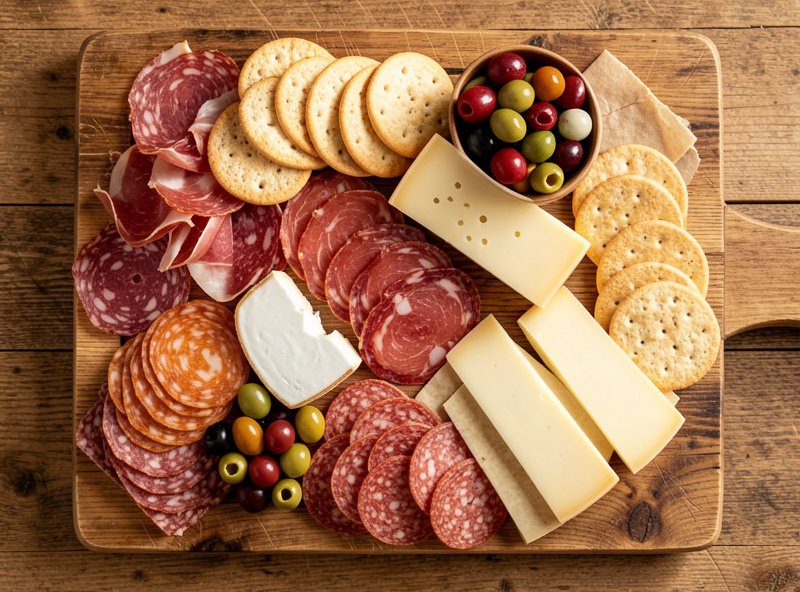
The bright line you must not cross: every meat on that board has to be commercially sourced and inspected. The moment you slip a slice of your own home-cured salami onto it for sale, you are manufacturing and selling a potentially hazardous meat product, and you have left cottage food territory entirely. I know it feels absurd to sell someone else’s salami when yours is hanging right there — but that absurdity is the price of the low-barrier path. If boards are where you want to start, the charcuterie board business guide covers sourcing and costing, and you will still want to confirm your local rule because even board assembly is regulated in some places.
What you can and cannot sell — at a glance
| Product | Typically allowed under cottage food? | Why |
|---|---|---|
| Your home-cured salami or coppa | No | Potentially hazardous meat; excluded nationwide |
| Charcuterie board of purchased cured meats | Often yes (varies) | Assembly of inspected components, not manufacturing |
| Spice rubs or cure-salt blends (no meat) | Often yes | Dry, shelf-stable, non-hazardous |
| Pickles or jams to pair with a board | Sometimes (acidity rules apply) | High-acid, shelf-stable if tested |
| Home-cured bacon | No | Potentially hazardous meat; requires inspection |
Use this as a starting frame, not a verdict — the “varies” rows are exactly where your state’s specific statute and your local regulator have the final word. The dependable conclusion is the top and bottom rows: your own cured meat is out, full stop, while assembled boards of inspected product are usually the way in.
If you genuinely want to sell your own cured meat
Accepting that cottage food won’t carry you is the beginning, not the end. The real route is an inspected facility — a rented commissary, a shared-use kitchen, or a co-packer — plus a HACCP plan documenting your process and a state meat processor license or USDA inspection. It costs money and it puts your process under scrutiny, but it is the legitimate door, and the discipline it demands is the same weight-and-pH logging you should already be doing. Price it honestly with the pricing homemade charcuterie guide before you commit, and read the main selling guide for how the pieces fit together. I am a chamber builder writing about the rules as I understand them — not a lawyer — so let your regulator, not me, give you the final yes.
Frequently Asked Questions
Why does cottage food law exclude cured meat?
Because dry-cured and fermented meat is a potentially hazardous food that can grow Clostridium botulinum and Listeria if the process is wrong. Cottage food permits involve no inspection of your process, so the law cannot allow an unverifiable high-risk product through that exemption.
Is there any US state where I can sell home-cured meat under cottage food?
No. Even the more permissive cottage food states almost universally exclude meat, poultry and seafood. State rules vary on sales caps, shipping and labeling, but the meat exclusion is one of the most consistent features nationwide.
Can I sell charcuterie boards under cottage food law?
Often yes, because you are assembling commercially produced, already-inspected meats and cheeses rather than manufacturing a hazardous food. The rule varies by state, and every meat on the board must be commercially sourced and inspected, never your own home-cured product.
Can I sell my own cure-salt rubs or spice blends?
Usually yes, as long as they contain no meat. Dry, shelf-stable blends are typically permitted cottage foods. Always check your state list and label the curing-salt content clearly, since nitrite blends carry their own labeling expectations.
What do I do if I want to sell my own salami legally?
Move to an inspected facility such as a shared-use kitchen or co-packer, write a HACCP plan, and obtain a state meat processor license or operate under USDA inspection. Confirm the exact requirements with your state department of agriculture before investing.
Does giving cured meat away count as selling?
Giving it to friends and family is generally a different situation from selling. The food laws in this guide are triggered when money changes hands. If you intend to trade at any scale, treat it as a regulated sale and confirm the rules locally.
Related Guides
- Selling Homemade Charcuterie: The Complete Legal Guide
- Food Safety Licensing for Charcuterie
- Charcuterie Board Business Guide
- How to Price Homemade Charcuterie
- Packaging Cured Meats for Sale