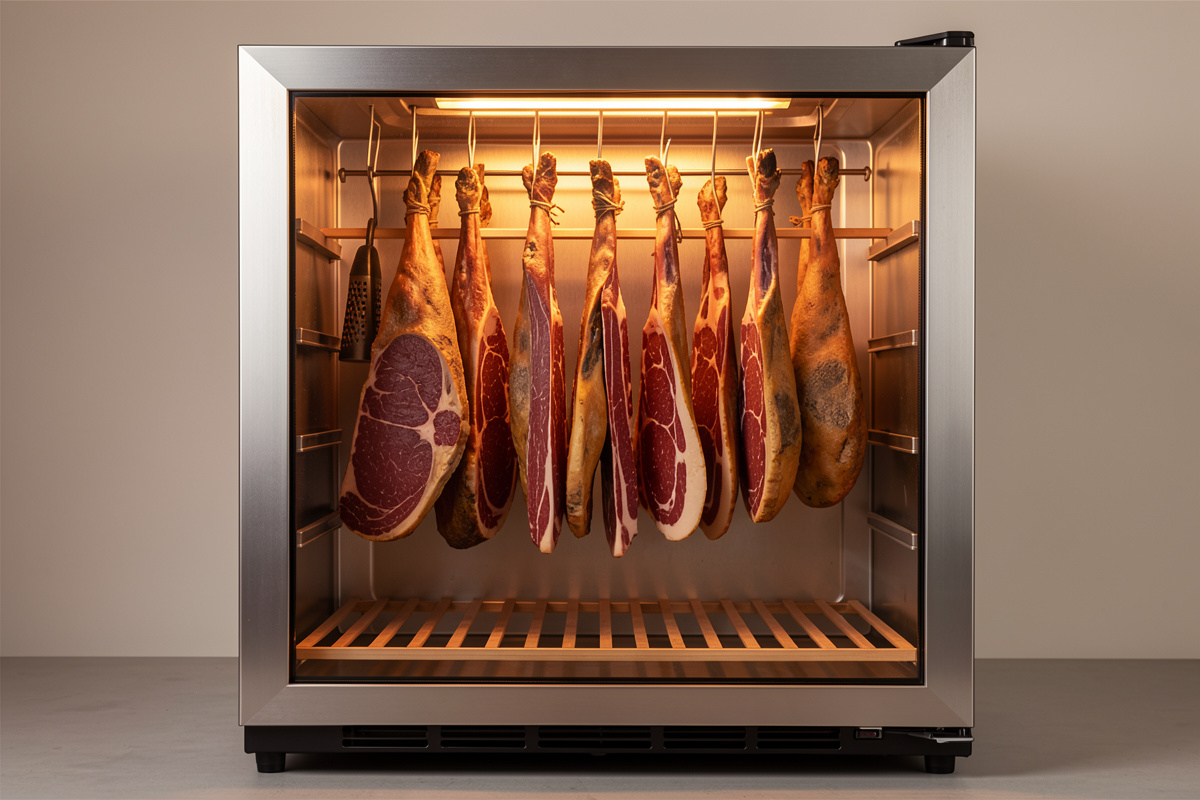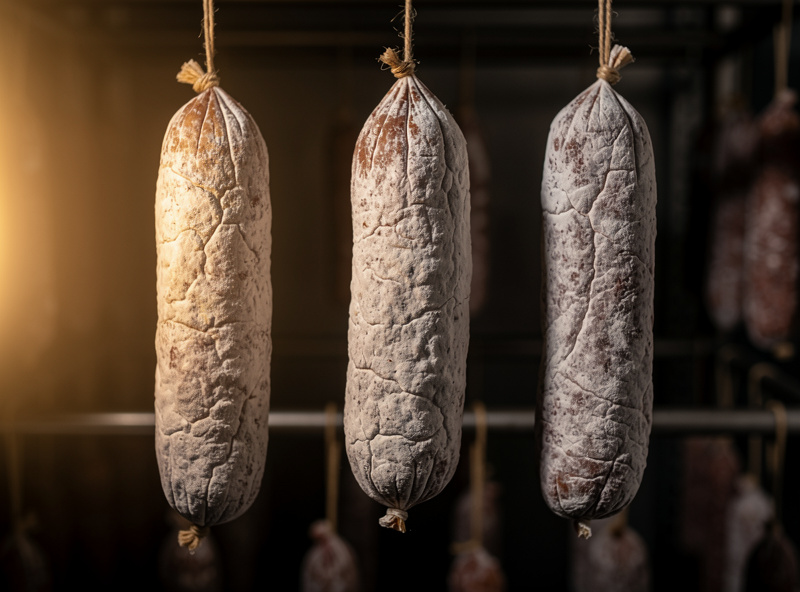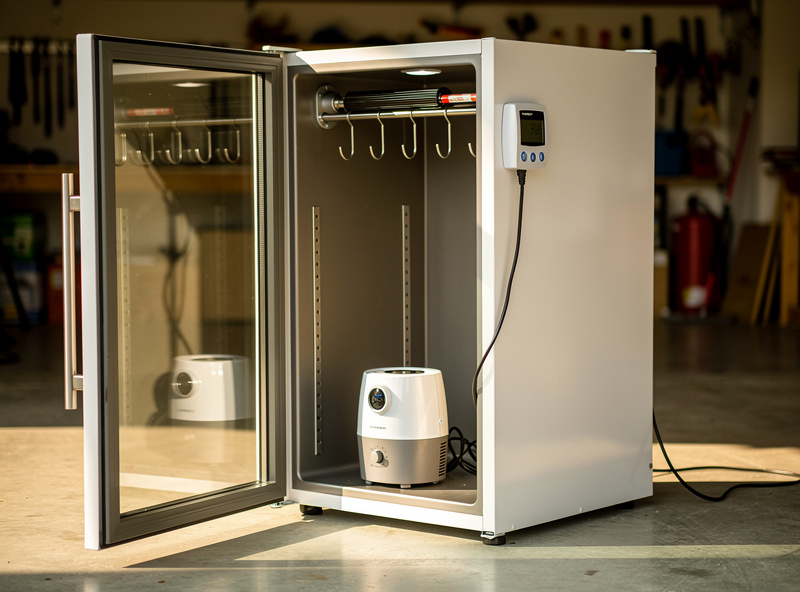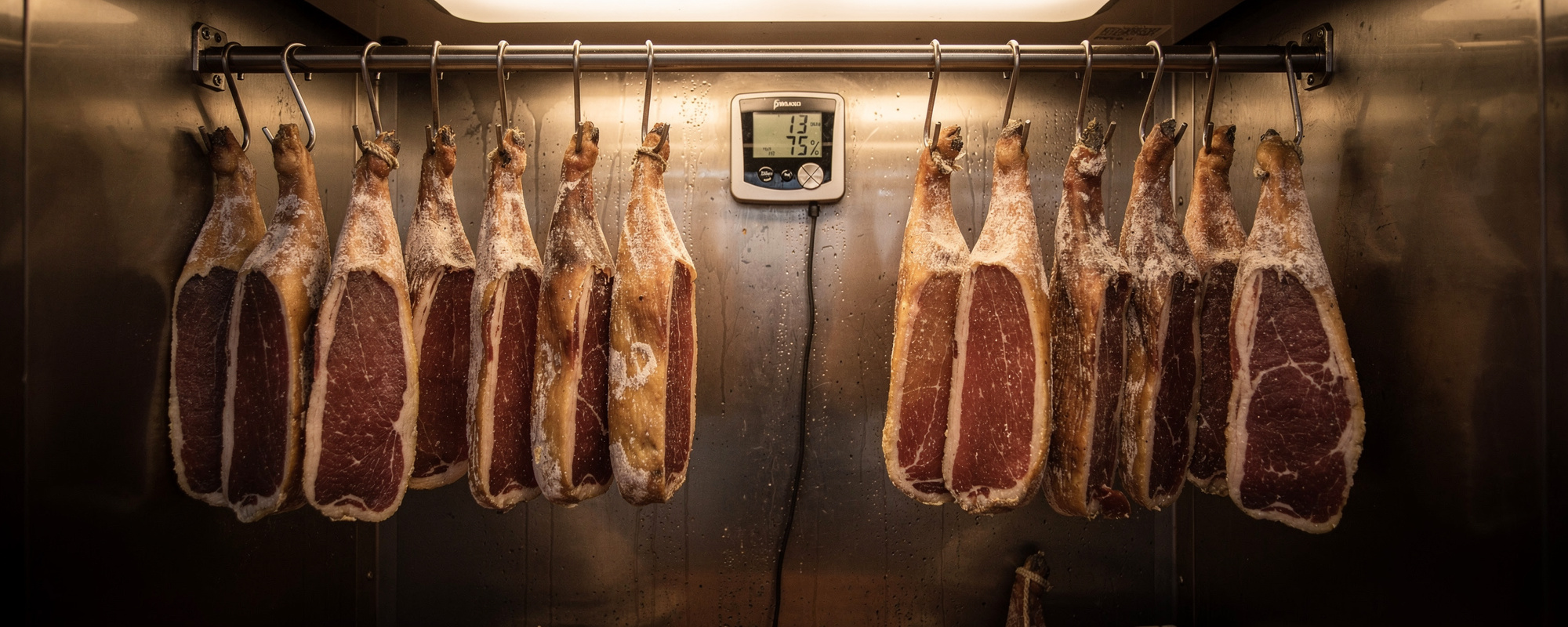
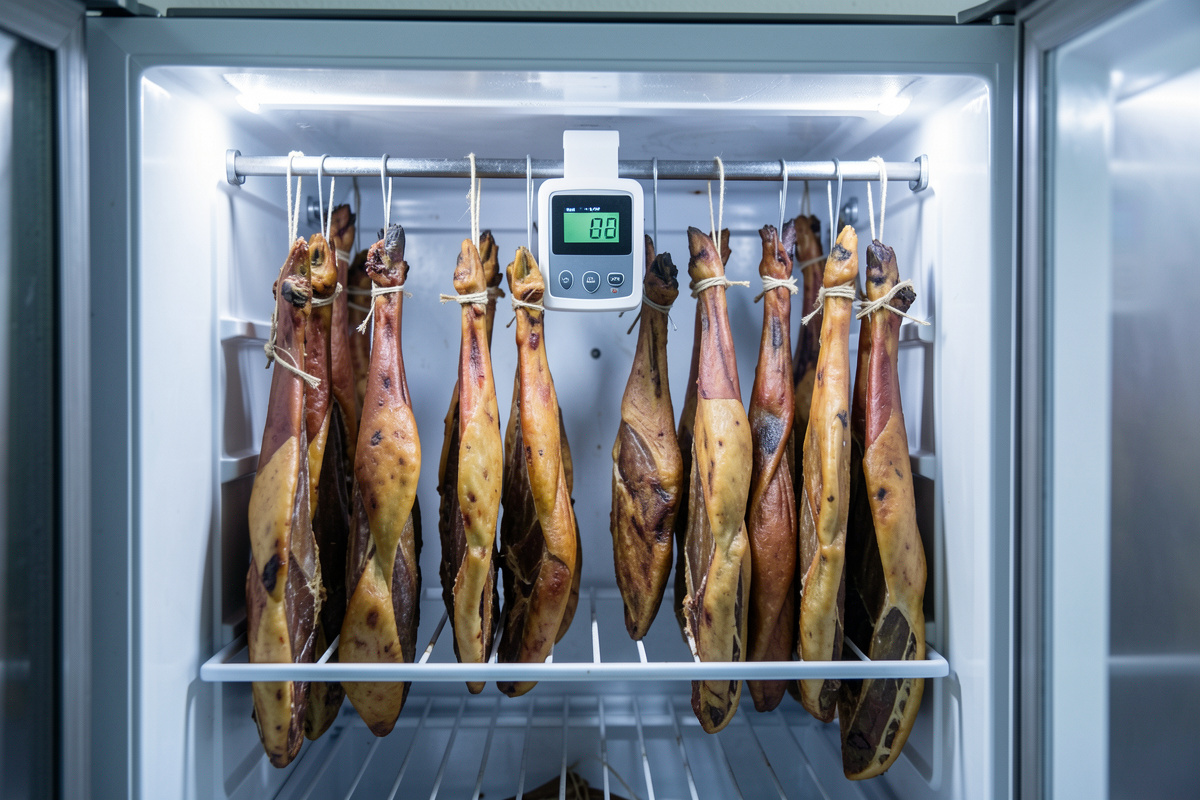
Hanging cured meats in a chamber
The Art and Science of

Curing Meat
at Home.

Long-form guides on charcuterie, equilibrium curing, chamber builds, and the patient craft of preserved meats.

Begin with the Guides

Essential Reading

Curing Calculations

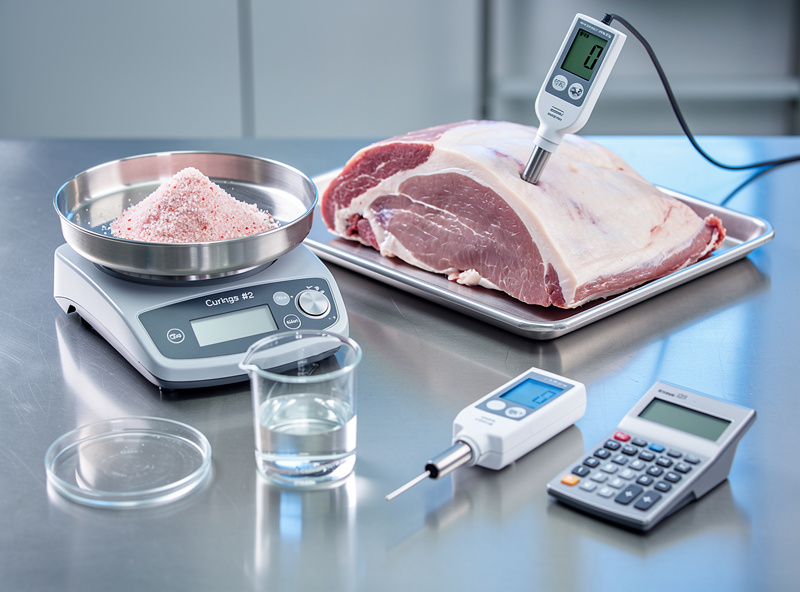
Equilibrium cure ratios, salt percentages, and weight-loss tracking — explained in the relevant guides. Always verify your own scale.

See the math

Recent Articles

Prosciutto Drying Room Conditions: Temp, Humidity, Airflow
Whole Muscle Charcuterie

Prosciutto Drying Room Conditions: Temp, Humidity, Airflow

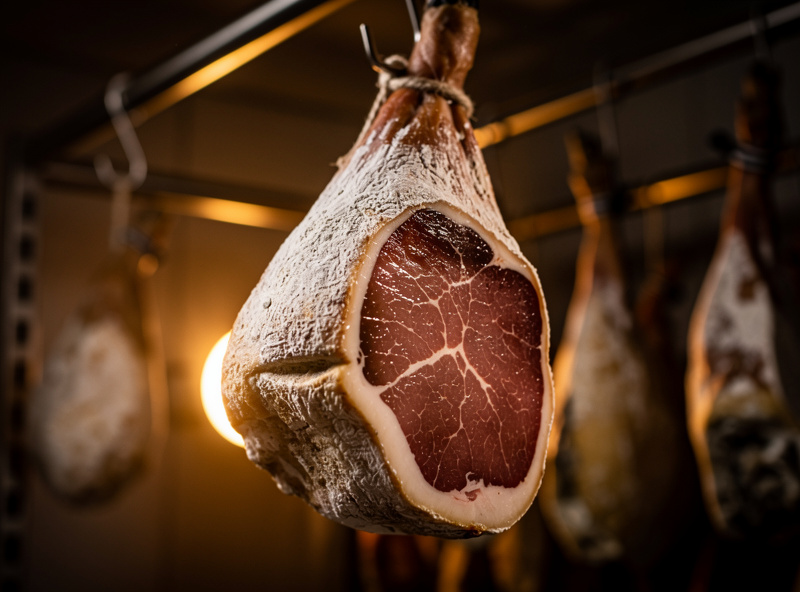
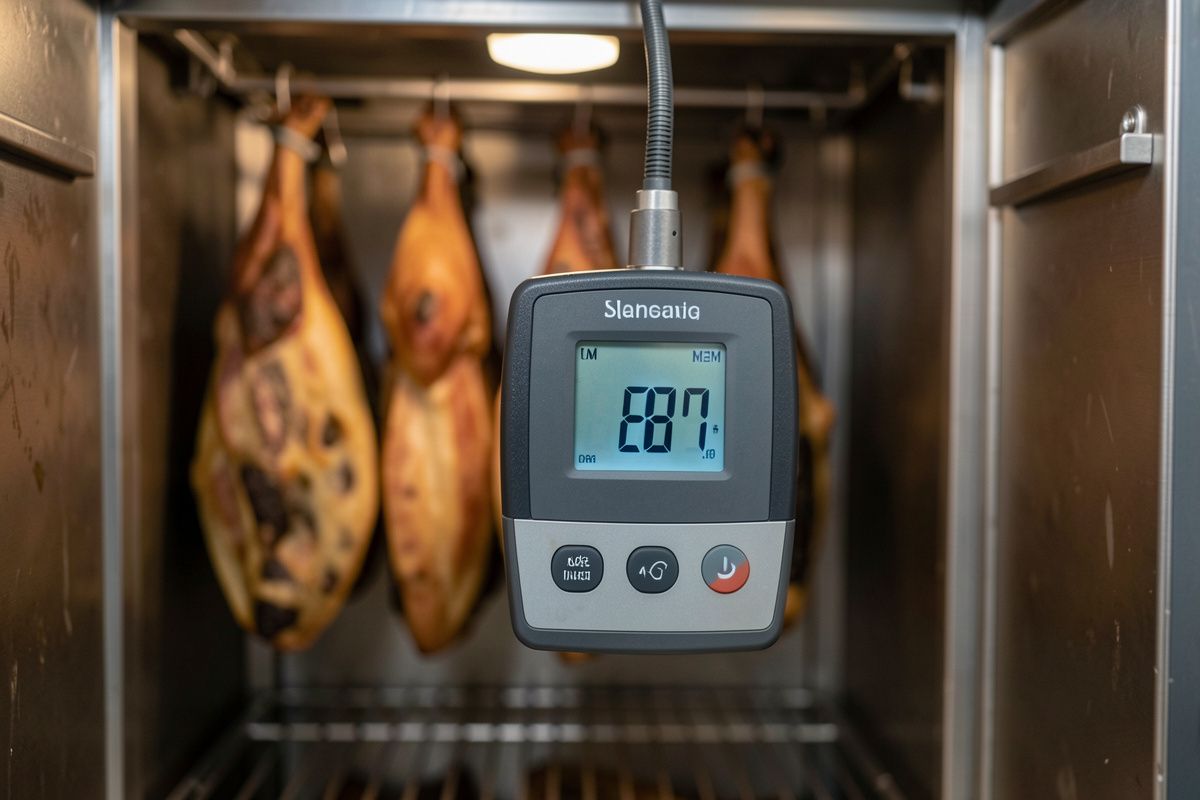
A prosciutto drying room needs to hold roughly 12 to 15°C and 70 to 80% relative humidity with gentle, intermittent airflow, and it needs to hold them steadily for months. The single biggest mistake is drying too fast early on: start humidity near the high end so the surface keeps pace with the core, then […]
Read 7 min read
How to Tie and Net Salami for Even Drying
Salami & Fermented Sausage

How to Tie and Net Salami for Even Drying

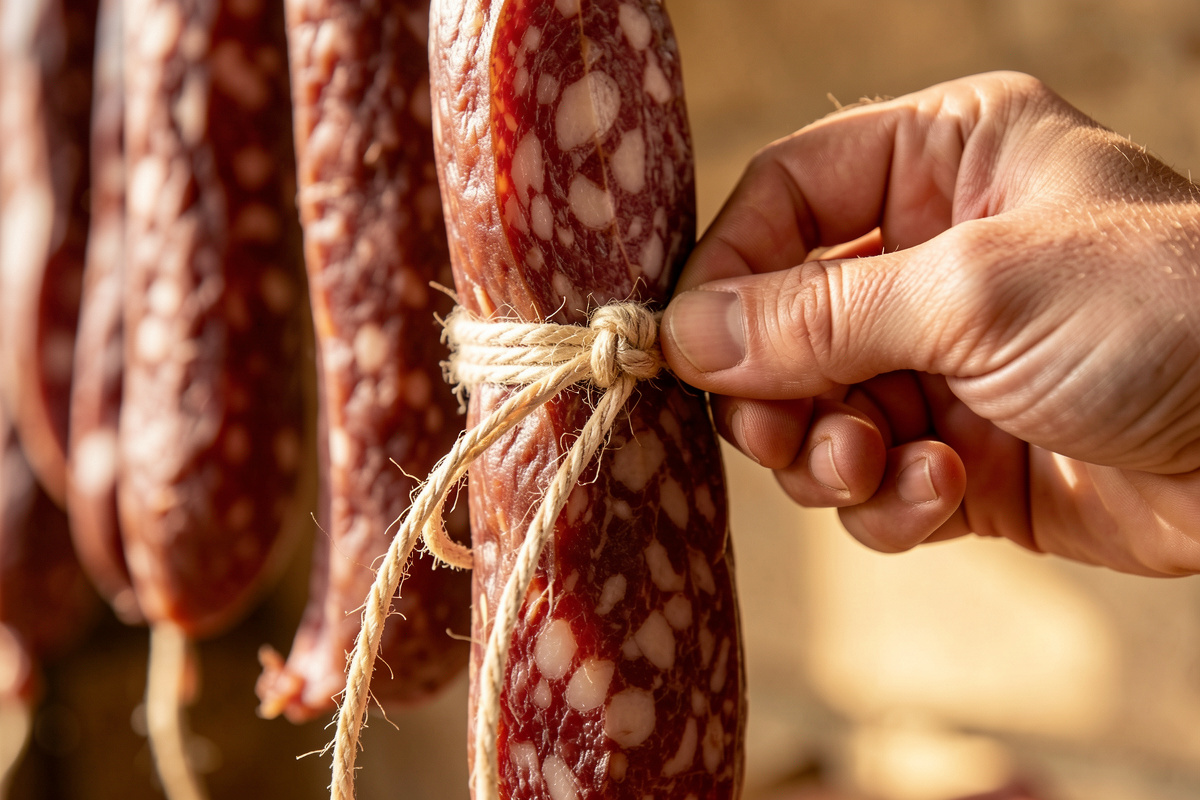
Tie a butcher’s loop at the closed end for hanging, then either truss the salami with curing twine at regular intervals or pull elastic netting over it — the goal is to hold the piece in shape so it dries as an even cylinder, not a lopsided teardrop. Uneven support means uneven airflow, and uneven […]

Read 9 min read
Curing Chamber Humidity Troubleshooting Guide
Troubleshooting & Food Safety

Curing Chamber Humidity Troubleshooting Guide

Most curing chamber humidity problems come down to four faults: the chamber is too humid, too dry, swinging between the two, or the sensor is lying to you. The fix is always the same discipline — read the log, change one variable, and wait a full day before judging, because a chamber’s thermal mass means […]

Read 7 min read
Terrine Making Guide: Forcemeat, Layering and Pressing
Confit, Rillettes & Terrines

Terrine Making Guide: Forcemeat, Layering and Pressing

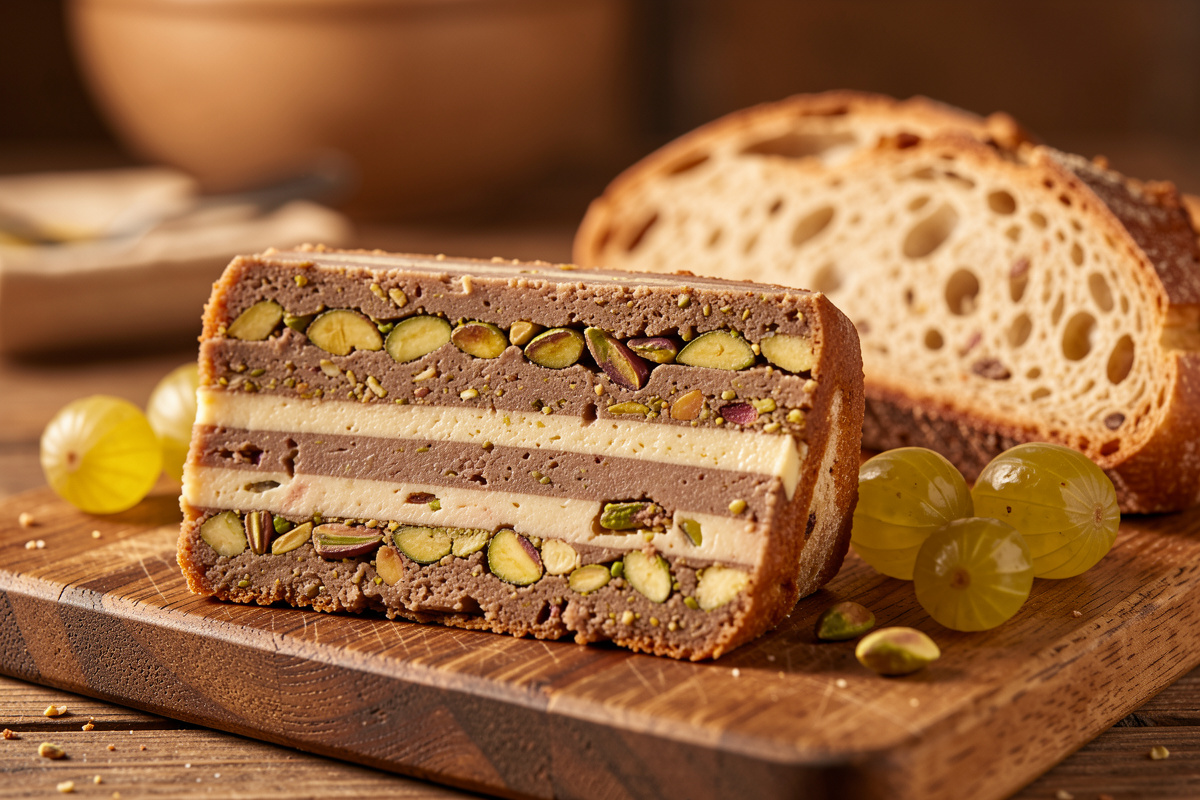
A terrine is a forcemeat or layered mixture of meat, fat and seasonings packed into a mould, cooked gently in a water bath to an internal 65–70 °C (150–160 °F), then pressed and chilled so it sets into clean, sliceable slabs. The word names the lidded earthenware dish; the technique is the most structured thing in the […]

Read 7 min read
Common Cheese Aging Problems and How to Fix Them
Cheese Aging

Common Cheese Aging Problems and How to Fix Them

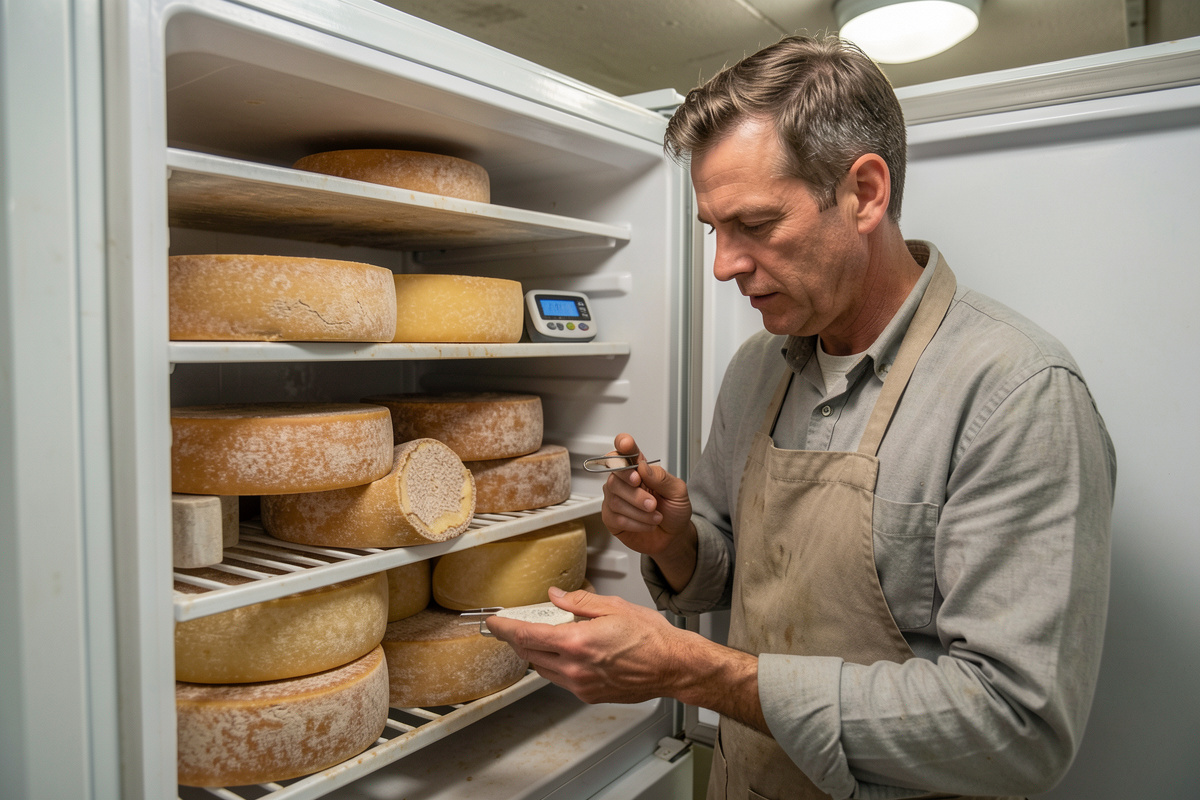
Most cheese aging problems trace back to one number: humidity. Across the wheels I have aged in my converted-fridge chamber, a rind that cracks, dries, slimes, or grows the wrong mould is almost always a humidity or airflow fault, not bad luck — and the weight log usually flags it days before your eyes do. […]

Read 7 min read
DIY Curing Chamber From a Wine Fridge: Full Build
Building a Curing Chamber

DIY Curing Chamber From a Wine Fridge: Full Build

A wine fridge makes an excellent small curing chamber for whole-muscle pieces like bresaola and lonzino, holding roughly 5–12 kg of meat quietly and with almost no vibration. The one limitation that decides everything is the cooling type: most wine fridges are thermoelectric (Peltier) and can only pull the box a little below room temperature, […]

Read 7 min read

Topics

Working with cured meats
About the Author

Years of Practice,
Honestly Documented.

Curing meat is not about shortcuts. It is about understanding the fundamental mechanics of salt, temperature, humidity, and time.

This site exists to bridge the gap between casual blogging and impenetrable academic texts. Every guide is born from actual chamber runs, real successes, and instructive failures.

Read the full story →